Every travel forum, group chat, and comment section has some version of the same confession thread: someone finally makes it to the place they’d been dreaming about for years, and it just… doesn’t land the way they expected. Not a disaster, not a scam, just a quiet letdown that’s oddly hard to admit out loud when everyone else seems to be posting glowing photos from the exact same spot. It’s an uncomfortable feeling, mostly because so much social pressure exists to say a bucket-list trip was life-changing, even when the honest answer is closer to “fine, but I’m not sure it was worth the hype.”
This isn’t a knock on any specific city or coastline — what disappoints one traveler thrills another, and a lot of it comes down to timing, crowds, and expectations set by a highlight reel rather than reality. But there are recognizable patterns in the kinds of destinations that tend to underdeliver, and travelers are increasingly candid about naming them, even if only in general terms. Here’s what shows up again and again in those conversations.
The Iconic Landmark That’s Smaller and More Crowded Than It Looks in Photos
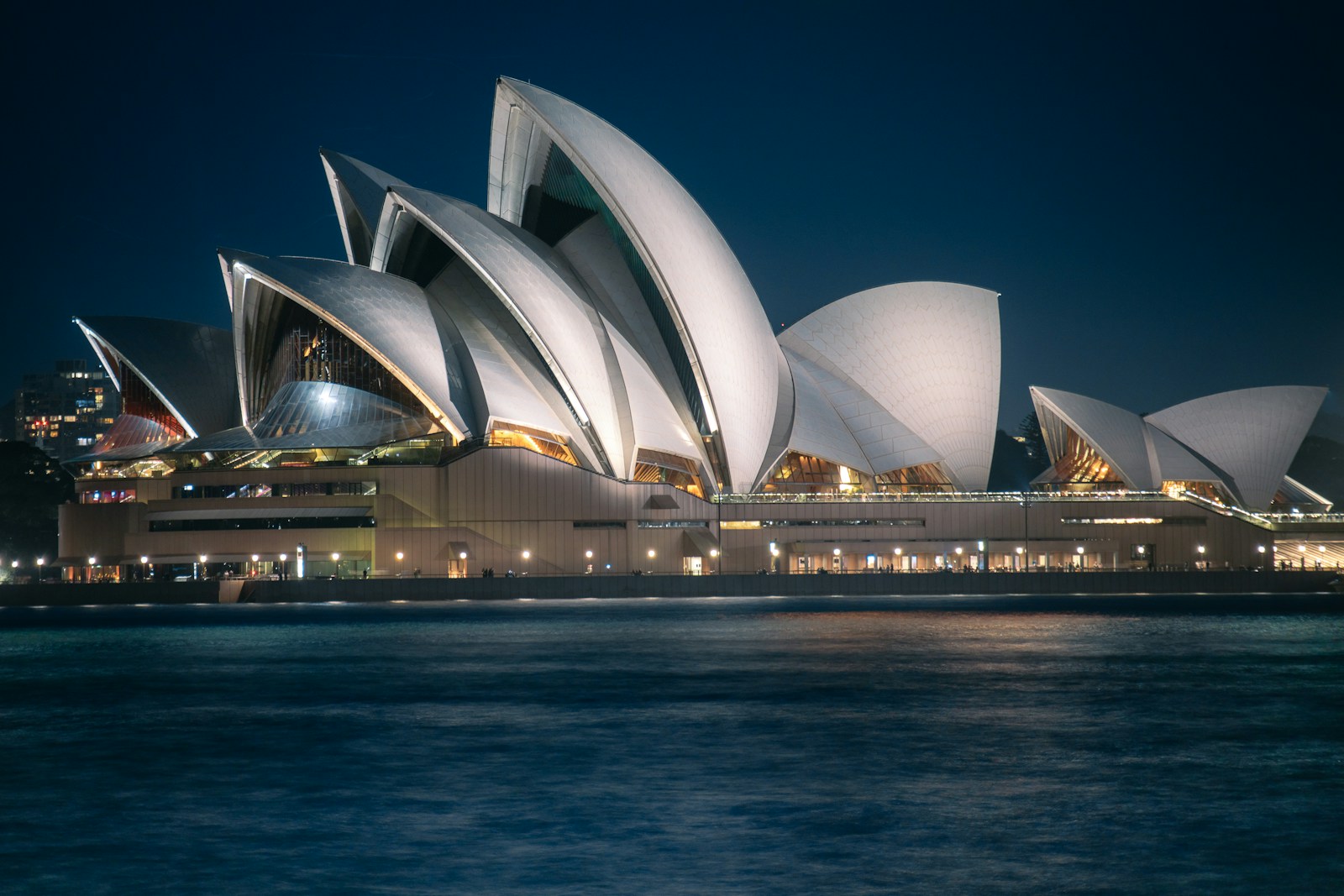
Some travelers say the single most common letdown is arriving at a famous landmark that’s been photographed from one flattering angle for decades, only to find it’s smaller than expected, hemmed in by barriers, or so crowded that getting anywhere near it involves an hour of shuffling with a phone held overhead. The photo that sold the trip was almost certainly taken at sunrise, from a specific angle, by someone who waited out the crowds or edited them out entirely. None of this means the landmark isn’t worth seeing — it usually still is — but going in with realistic expectations about scale and crowd size prevents the specific disappointment of comparing your own view to a curated one.
The Beach Town That’s Been Loved a Little Too Much
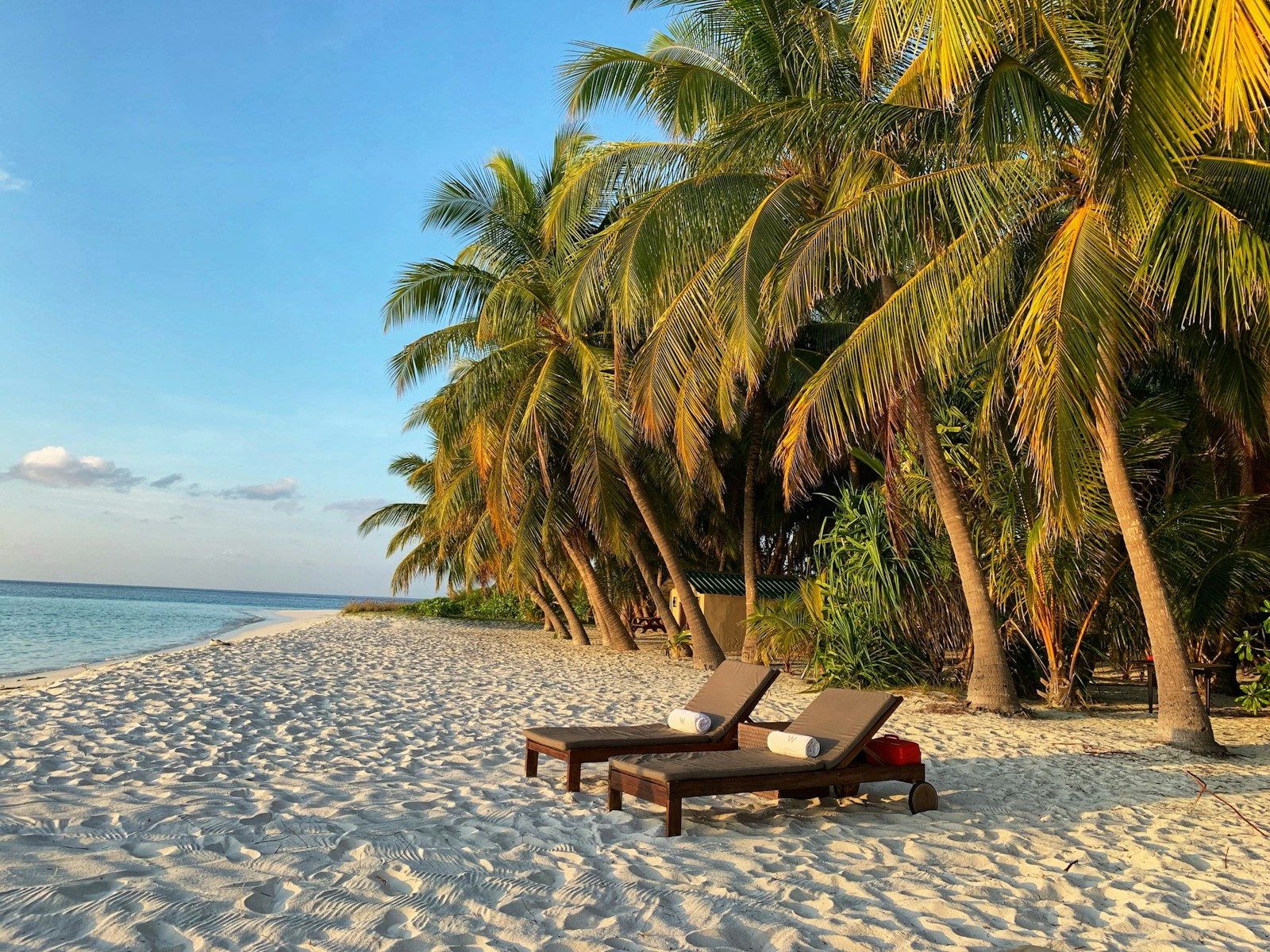
A pristine, uncrowded beach becomes a bucket-list destination precisely because word gets out, and word getting out is often the beginning of the end for that same quality. Some travelers describe arriving at a once-quiet coastal town to find it packed with the exact crowds and development that made them want to visit somewhere “unspoiled” in the first place. It’s less a criticism of any one place and more a pattern worth knowing about: the destinations most heavily marketed as hidden gems are, by definition, no longer hidden, and it’s worth researching current conditions rather than trusting years-old blog posts describing a version of the place that may no longer exist.
The City Built Around One Famous Attraction and Little Else
Some destinations become famous for a single sight or experience, and travelers occasionally find that once they’ve checked that one thing off, there’s surprisingly little else drawing them in for the rest of a multi-day stay they’d already booked. This is a planning issue as much as a destination issue — researching whether a place genuinely supports several days of exploring, or is really a strong day trip stretched into a longer stay, can save real disappointment and vacation days better spent elsewhere.
The Trendy Neighborhood That’s Mostly Just Photogenic
Certain neighborhoods build a reputation almost entirely through photos — colorful buildings, a particular street, a specific cafe — and some travelers say arriving in person reveals a few picturesque blocks surrounded by fairly ordinary city, with little to actually do once the photos are taken. It’s a reminder that a location’s photogenic quality and its livability as an actual place to spend a few hours are sometimes only loosely related, and it’s worth checking whether a neighborhood has genuine restaurants, shops, or culture to explore beyond the specific frame that made it famous online.
The All-Inclusive Resort That Feels Identical to Every Other One
Some travelers who’ve tried several all-inclusive resorts in different countries describe a strange sameness setting in — similar buffet setups, similar pool areas, similar entertainment, regardless of which coastline the resort happens to sit on. If the appeal of travel is experiencing somewhere genuinely different, a resort designed to insulate guests from the surrounding country can start to feel less like visiting a new place and more like visiting the same resort with a different view outside the window, which is a valid thing to want occasionally but worth knowing going in if novelty is the goal.
The Destination Best Known for Nightlife, Visited by People Who Don’t Drink or Party
Certain cities and islands market themselves so heavily around nightlife that travelers who aren’t interested in that scene sometimes arrive expecting more balance than actually exists, only to find the daytime experience thin by comparison and much of the local infrastructure built around late-night tourism. This is less about the destination being bad and more about a mismatch between what it’s built for and what a particular traveler wanted, which is worth researching honestly before booking rather than assuming a famous party destination will also deliver a quiet, culturally rich week.
The Overwater Bungalow Fantasy That Comes With Serious Trade-Offs
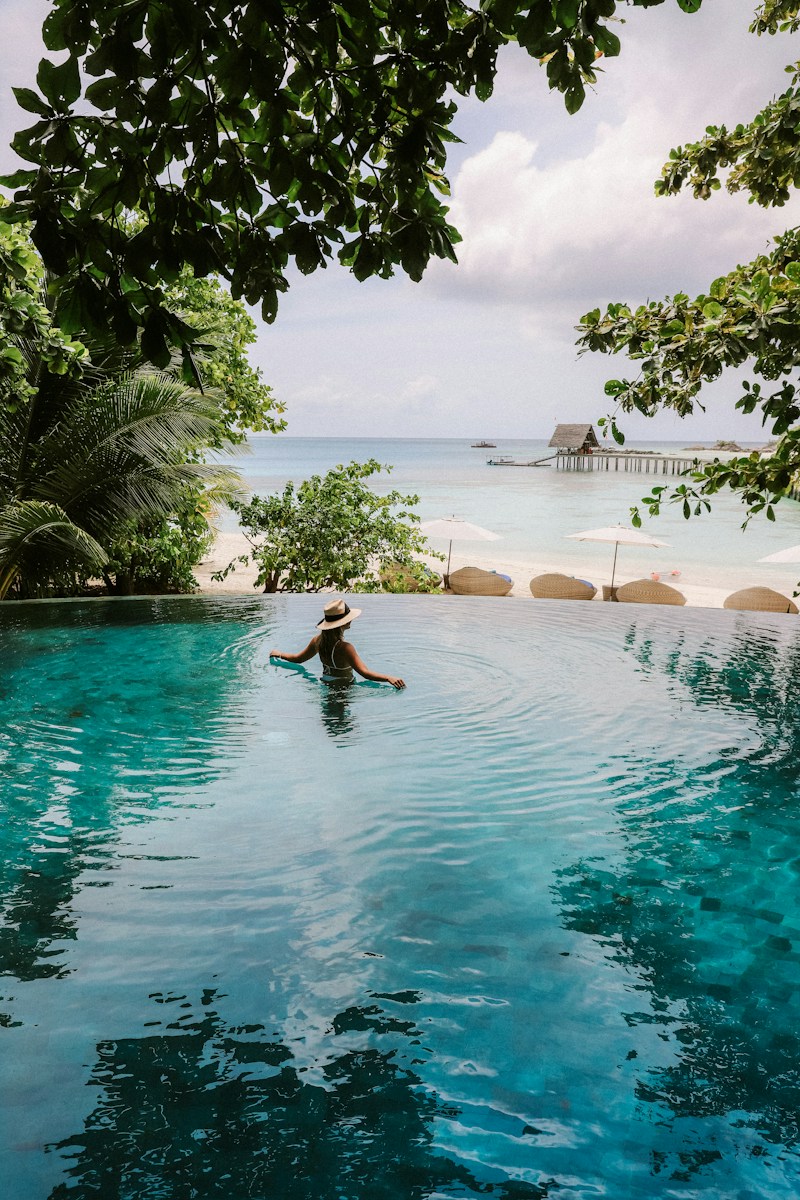
Overwater accommodations are relentlessly marketed as the pinnacle of a dream vacation, and they can be genuinely stunning, but some travelers report a reality that includes significant humidity, limited on-site dining options at a steep premium, and a sense of isolation that starts to feel confining after the first couple of days rather than luxurious. It’s a case where the marketing photo captures a real and beautiful thing, just not necessarily the full week-long experience of actually living in it, which is worth researching through recent, detailed reviews rather than the glossy resort website alone.
The Historic City Center That’s Become Mostly Souvenir Shops
Some travelers describe arriving in a historic old town expecting a living, breathing neighborhood, only to find that the character has been gradually replaced by souvenir shops, chain restaurants catering to tour groups, and a kind of theme-park quality that feels disconnected from the culture it’s technically representing. This tends to happen most in extremely heavily touristed historic districts, and it’s worth researching whether a city has neighborhoods beyond the postcard center that still feel authentically lived-in, since those areas often end up being the more memorable part of the trip anyway.
The Cruise Port Stop That’s Really Just a Shopping District
Certain popular cruise ports have reshaped their waterfront areas almost entirely around disembarking passengers, meaning the walkable area near the dock is heavily geared toward jewelry stores and souvenir shops rather than anything reflecting daily life in that country. Travelers who expect a genuine cultural experience from a few hours at port sometimes come away disappointed, not because the destination itself lacks depth, but because the port area was never designed to show it. Researching an excursion that gets further from the dock tends to make a much bigger difference than the port town’s reputation alone would suggest.
The Mountain Town That’s Only Magical in One Season
A destination famous for its winter ski scene or its autumn foliage can look strikingly different, and considerably less charming, outside that specific window, with muddy trails, closed lifts, or bare trees replacing the postcard image that inspired the trip. Some travelers admit to booking based on photos without checking which season those photos were actually taken in, only to arrive during an off-season lull that the destination itself would probably recommend avoiding. A quick check on seasonal conditions before booking prevents this particular flavor of disappointment almost entirely.
The Destination Everyone Insists You’ll “Just Have to Experience for Yourself”
Some places get talked about in such reverent, vague terms — you simply have to see it, words don’t do it justice — that they set an almost impossible bar for the trip to clear. Some travelers say this specific kind of hype, more than any actual flaw in the destination, is what sets them up for disappointment, since no real place can consistently deliver on a promise that vague and that large. Going in with curiosity rather than an expectation of a transcendent experience tends to produce a much more honest, and often more enjoyable, reaction to whatever actually shows up.