A restaurant is a shared system running on tight margins of time: how long a table takes to turn, how fast a line at the counter moves, how quickly a kitchen can fire the next round of tickets. Most of that system runs invisibly, which is exactly why it’s so easy for one person’s small delay to ripple out across everyone else in the room without them ever realizing they caused it.
None of the habits below are really about rudeness. They’re about a kind of tunnel vision, focusing so completely on your own table or your own order that the dozen other people also trying to get fed and seated simply disappear from view. Noticing them is most of the fix, since almost nobody is doing these things on purpose.
Not being ready to order when the server finally arrives
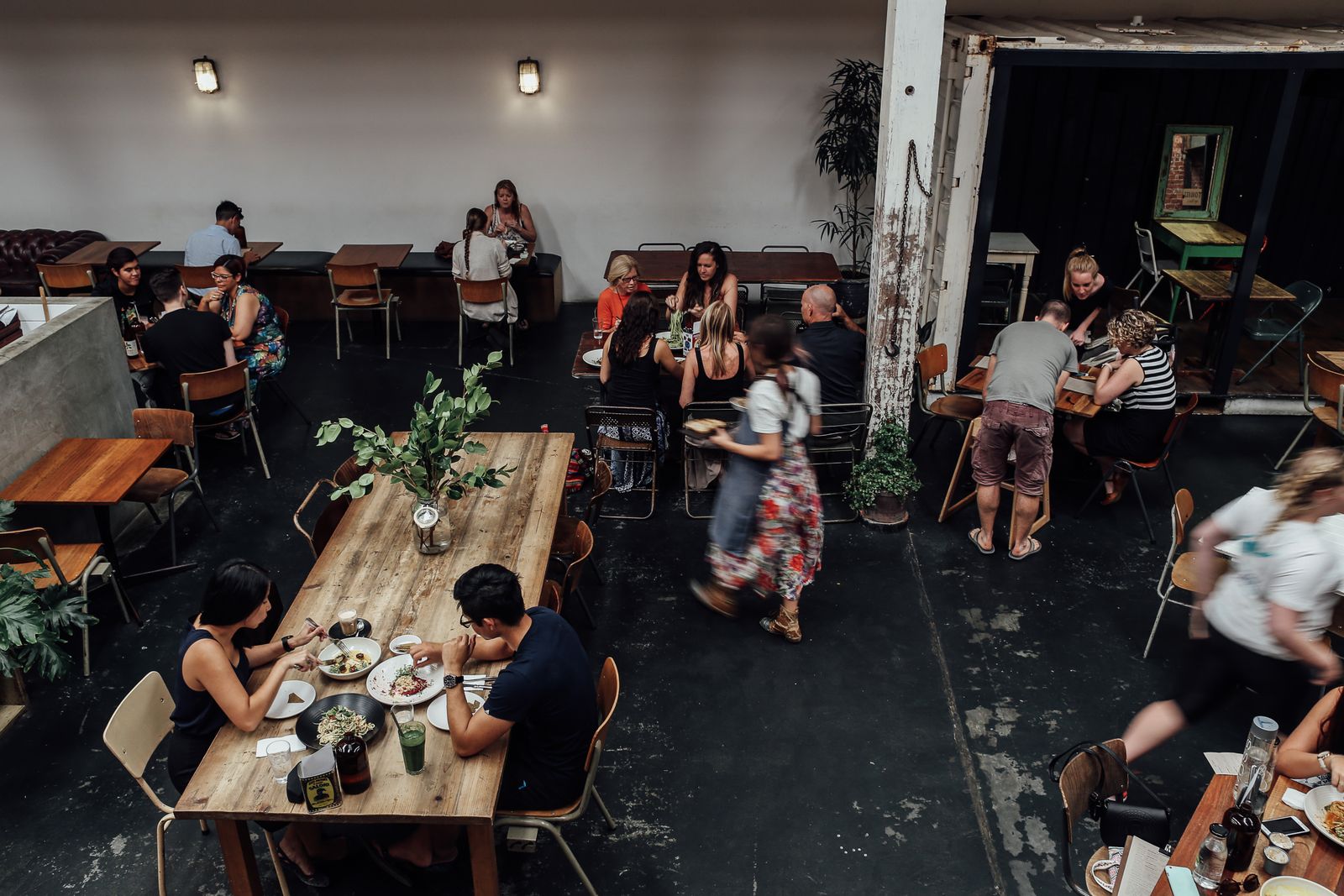
A server circles back to a table specifically because enough time has passed to have made a decision, and finding the whole table still debating, menus barely opened, resets the clock on that table and delays whichever table gets visited next. It’s a small moment, but multiplied across an evening, it’s one of the more common reasons service starts to feel slow to everyone in the room. Using the first few minutes after being seated to actually look at the menu, rather than catching up on conversation first, means being ready when the server returns instead of sending them away to circle back again.
Sending people up to the counter in waves
At fast-casual and counter-service spots, one member of a group ordering, paying, and stepping aside only for a second person to walk up moments later with an entirely separate order turns a single group transaction into three or four, each with its own payment and customization questions. Lines behind that group absorb the entire delay, often without understanding why the wait suddenly stretched. Consolidating a group’s order into one trip to the counter, decided together beforehand, moves the whole line forward at the pace it’s supposed to.
Turning a simple order into a multi-round negotiation
Asking a counter or server extensive questions about every ingredient, requesting several modifications, then changing the order after it’s already been entered, can turn a thirty-second transaction into a five-minute one, with a line building visibly behind. A little research or thought before reaching the counter, and having questions ready rather than working through them out loud in real time, keeps the transaction moving at the pace the person behind you is also hoping for.
Requesting substitutions that require an entirely different dish
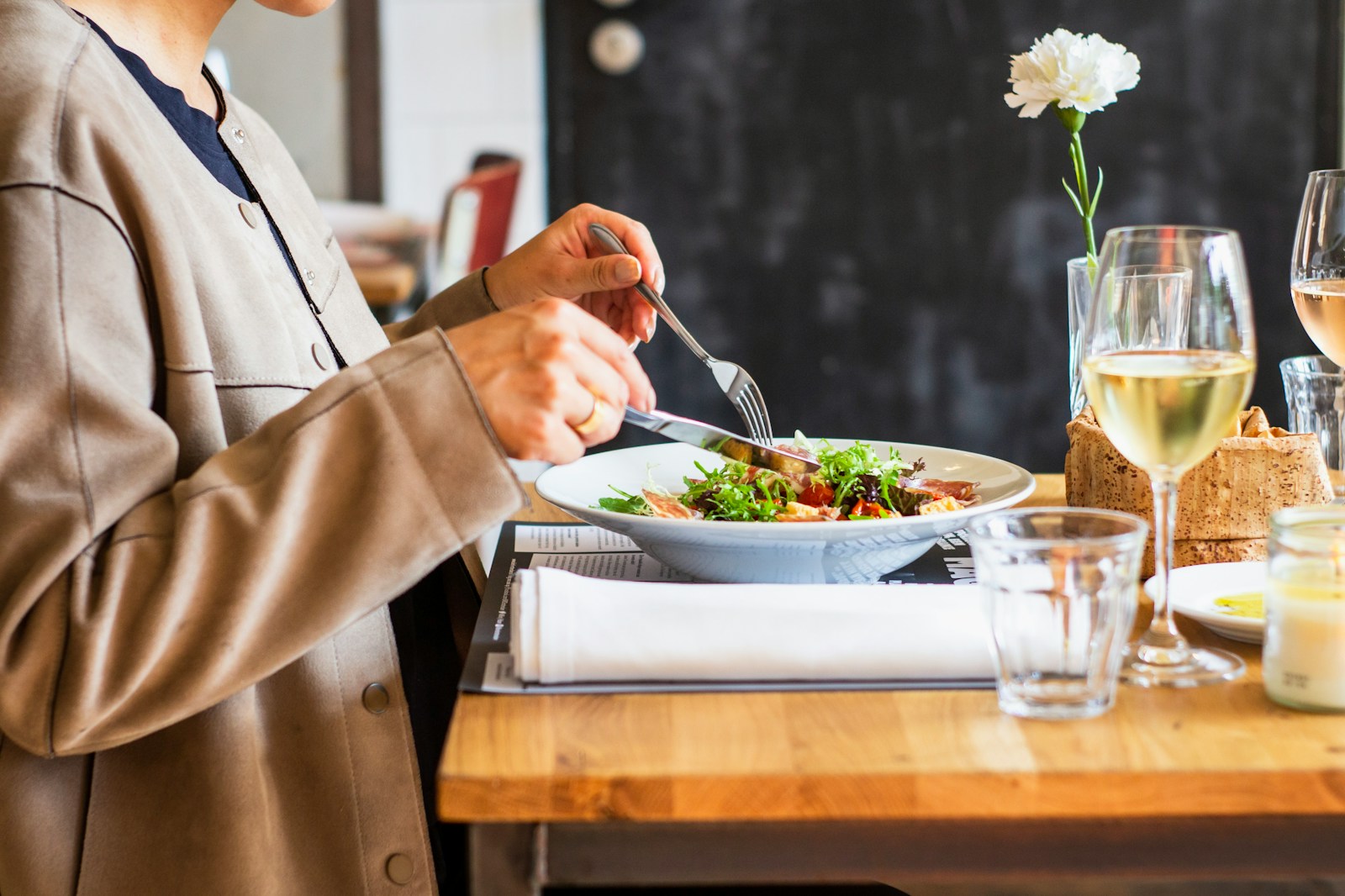
There’s a real difference between asking to swap fries for a salad and asking a kitchen to essentially reconstruct a dish from scratch to accommodate a long list of changes. The first is a normal, easily accommodated request. The second often means a ticket gets flagged, a cook has to stop and think through a nonstandard preparation, and everyone else’s food behind that ticket in the queue slows down while it gets sorted out. Dietary needs are a different matter and worth communicating clearly, but a long list of preference-based changes to a dish that wasn’t built for them tends to cost more time than most people realize.
Holding up a buffet or salad bar line while deciding
Standing at a buffet station deliberating over every option while a line forms behind you turns a shared, self-service system into a bottleneck for everyone waiting their turn. A quick pass to see what’s available, then a second pass to actually serve yourself, tends to move faster than deliberating in place while others wait with empty plates. It’s a small courtesy, stepping to the side to think and letting others move past, that keeps a self-serve line functioning the way it’s designed to.
Paying with a complicated mix of cards and cash
Splitting one bill across several cards, switching payment methods partway through, or realizing a card declined only after the transaction has already started all add real time to a checkout process that’s supposed to take seconds. It’s a minor inconvenience in isolation, but during a rush, it can visibly stall a line or delay a table’s turnover while the payment gets sorted. Deciding on a payment approach before the check arrives, rather than working it out in the moment, keeps that part of the meal from becoming its own small production.
Letting kids roam through the dining room unsupervised
Children running between tables, playing near the server station, or wandering close to a kitchen pass-through area create both a service delay and a genuine safety concern, since servers carrying hot plates and full trays need clear, predictable paths to move through. It’s understandably hard to keep young kids perfectly still through a whole meal, but a general awareness of where they are, and redirecting them away from staff walkways, keeps everyone, including the kids, safer and keeps service moving at its normal pace.
Camping at a bar during a rush without ordering
Bar seats during a busy happy hour or weekend rush are often at a genuine premium, and occupying one for an extended period on a single drink, or no drink at all while waiting for a table, holds up service for the bartender and the seat for someone who would actually be ordering. Bartenders generally welcome people waiting for a table, but during a known rush, ordering something or checking in periodically acknowledges that the seat has real value to the business beyond the one drink already purchased.
Large groups arriving in a slow trickle
A reservation for ten that actually seats two people, with the rest arriving over the next twenty-five minutes, puts a restaurant in a difficult spot: the table can’t be used at full capacity, but it also can’t be given away, since more of the party is still coming. This kind of trickle-in arrival is one of the more disruptive patterns for a restaurant managing a full night of reservations, since the wasted capacity doesn’t show up as an obvious problem, it just quietly reduces how many other guests can be seated. Coordinating arrival times as a group beforehand solves a problem most guests never realize they’re creating.
Sending food back over preference rather than error
A steak cooked incorrectly, a dish missing a stated allergen consideration, a wrong order entirely, these are legitimate reasons to send food back, and every kitchen expects and plans for some amount of that. Sending a correctly prepared dish back because it simply wasn’t what was expected in flavor or portion, however, sends a kitchen back to square one on an item that has to be entirely remade, delaying every other ticket already in the queue behind it. Being specific and realistic when ordering, and asking questions upfront about anything uncertain, prevents most of these situations before they start.
Extended photography sessions before anyone eats
A quick photo of a beautifully plated dish is completely normal and something plenty of servers are happy to help set up. A prolonged session, however, rearranging plates, adjusting lighting, waiting for food to cool while getting the right angle, delays the table’s actual meal and, if it holds up a server trying to check on other courses or tables, has a ripple effect beyond just that one party. Taking the shot quickly and then actually eating the food while it’s hot keeps the moment from becoming its own event at everyone else’s expense.
Drawing out small talk with a server who has other tables
A warm rapport with a server is one of the genuine pleasures of a favorite regular spot, and most servers enjoy it too. But an extended personal conversation while other tables are visibly waiting for water refills, a check, or their order taken puts a server in the uncomfortable position of either cutting off a customer they like or falling behind on tables that need attention. Reading the room, saving the longer catch-up for a slower moment, and letting a server move on when the restaurant is clearly busy is a small kindness that servers notice and remember.