

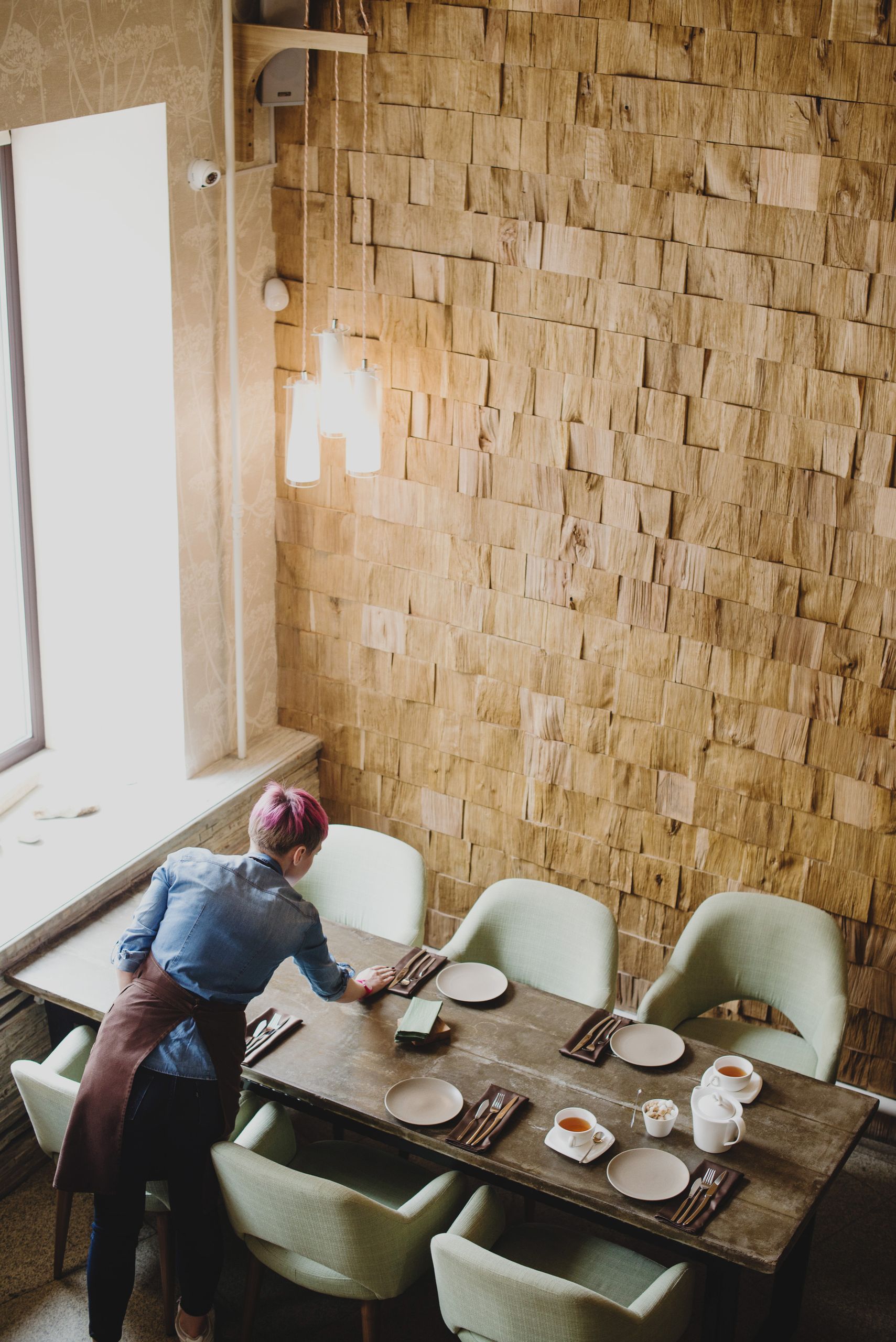
A restaurant is a strange kind of public-private space. You’re having your own conversation, your own meal, your own evening, but you’re doing it a few feet away from a dozen strangers doing the exact same thing, and everyone is more aware of everyone else than anyone usually admits. Most of the time, this works out fine through a kind of unspoken agreement to keep to yourself. Certain habits break that agreement more than others.
None of the behaviors below are illegal, and most of the people doing them would be surprised to learn how much they’re being noticed. But dining rooms are quieter, more observant places than people realize, and a handful of habits reliably draw the same reaction from everyone nearby.
Taking calls on speakerphone at the table
A phone call is a private conversation that belongs, at a restaurant, either outside or held quietly to your ear, not broadcast at full volume for every table within earshot. Speakerphone calls turn an entire section of a restaurant into unwilling participants in someone else’s conversation, whether it’s a business call, a family update, or a video chat with someone at home. It’s such a specific, avoidable choice, since stepping outside or simply holding the phone normally solves the entire problem, that it tends to draw more visible irritation from nearby tables than almost any other single habit.
Letting a child’s meltdown run its course at full volume
Kids have hard moments in public, and every parent has been there; a certain amount of grace is simply part of being around families in shared spaces. What draws attention isn’t the meltdown itself, it’s a parent who makes no visible attempt to address it, letting a full-volume tantrum continue for many minutes while other diners try to have a conversation. Stepping outside briefly, or making a clear, active attempt to soothe and redirect, signals an awareness of the shared space that most nearby tables genuinely appreciate, even amid an imperfect outcome.
Narrating loud, critical commentary about the staff or other diners
Restaurants have thin acoustic boundaries between tables, and a loud complaint about slow service, a server’s appearance, or another table’s behavior tends to travel much further than the speaker realizes. It puts nearby diners in the uncomfortable position of overhearing something clearly not meant for them, and it reflects more on the speaker’s judgment than on whatever’s being critiqued. If a genuine issue needs addressing, it’s almost always better handled directly and quietly with the person involved than performed for an unintended audience at the next table over.
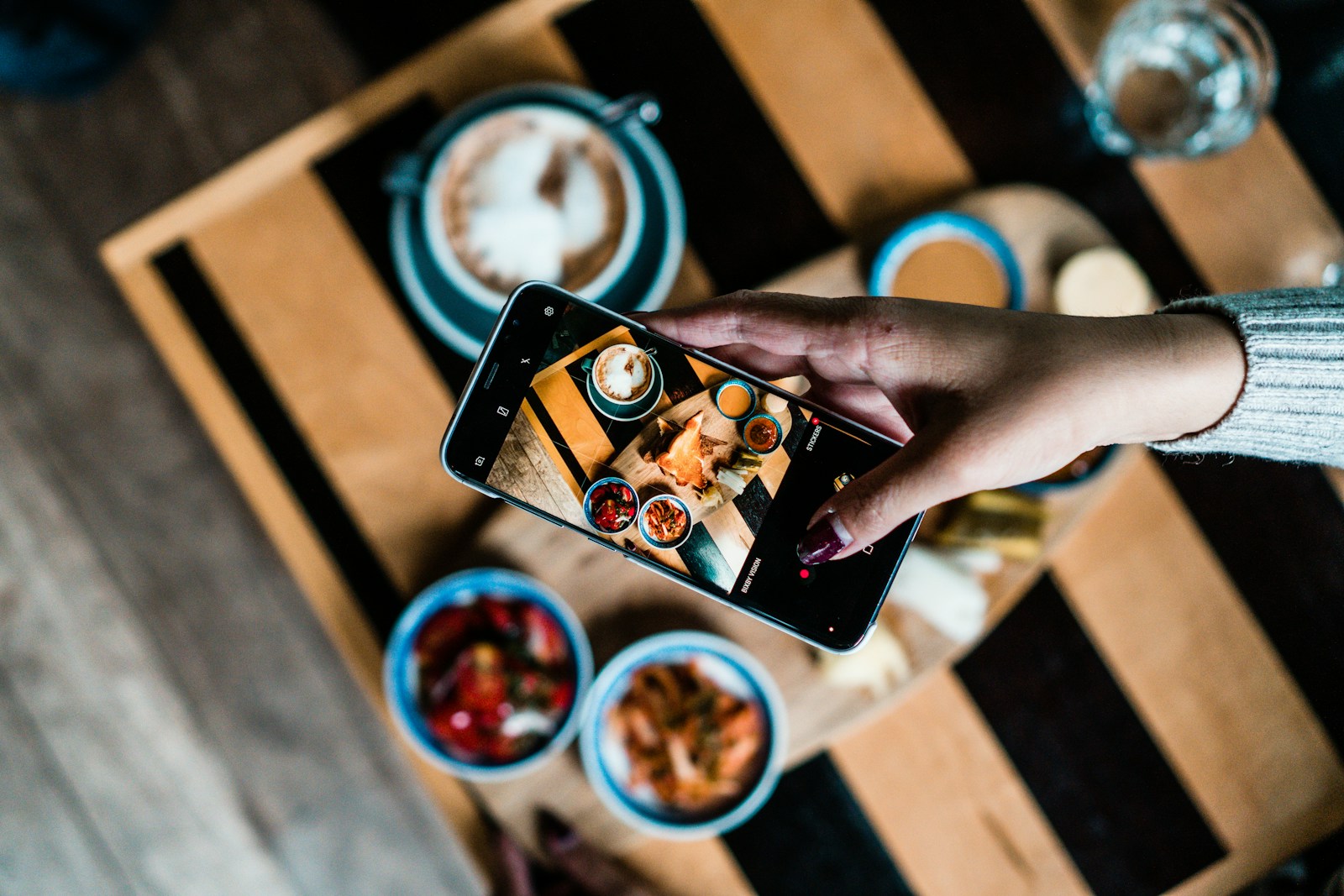
Photographing other tables or strangers nearby
Taking a photo of your own meal is completely normal. Taking a photo where other diners, and their food or conversations, end up clearly visible in the frame, without asking, crosses into a different territory that most people find genuinely uncomfortable once they notice it happening. It’s an easy thing to do carelessly, especially in a photogenic restaurant where everyone’s angling for the same shot, but a little awareness of who else might land in the frame goes a long way toward keeping the moment about your own table rather than everyone else’s.
Extended, visible displays of affection at the table
A romantic dinner is one of the classic restaurant occasions, and a little affection is entirely expected. Extended, visible displays that go well beyond hand-holding, however, put nearby tables in an awkward spot, unable to look away entirely but clearly not part of the moment either. Most restaurants are shared, family-friendly spaces even during a date night, and reading the room, saving the more private moments for later, keeps a nice evening from becoming an uncomfortable one for the tables nearby.
Bringing in outside food or drink without asking
Sneaking in a coffee from down the street, or a flask discreetly poured into a water glass, might feel like a harmless workaround, but it undercuts a restaurant’s actual business and can make nearby tables who ordered normally feel slightly foolish for having done so. Most restaurants that allow any kind of outside food, birthday cakes especially, are happy to accommodate it when asked directly, often for a small fee. Asking first, rather than assuming, keeps the arrangement transparent instead of quietly working around the room.
Playing videos or music out loud from a phone
A phone propped up at the table playing a show, or music streaming without headphones while waiting for food, fills the ambient space of a restaurant with sound that has nothing to do with anyone else’s meal. It’s a habit that’s become more common as phones have become more central to how people pass idle moments, but a restaurant’s ambient noise, conversation, the occasional clink of glassware, is part of the shared atmosphere everyone else paid to sit inside of too. Headphones, or simply putting the phone away until the food arrives, keeps that atmosphere intact.
Sending wine back repeatedly as a performance
Sending a bottle back for a genuine fault, cork taint, oxidation, is completely legitimate and something any server or sommelier expects to occasionally handle. Doing it as a recurring show of expertise or control, especially loudly enough for nearby tables to notice the production, tends to read less as discernment and more as a bit for an audience that didn’t ask for one. Most genuine wine issues are obvious quickly and can be handled with a quiet word to the server, without turning the moment into theater for the rest of the room.
Loudly relitigating the bill in front of the whole table
A drawn-out, audible argument about who ordered what, whether a charge is correct, or how the tip should be calculated, conducted at full conversational volume, gives everyone nearby a front-row seat to a dispute that has nothing to do with them. Bill disagreements are common and reasonable to work through, but doing so quietly, or stepping away from the table briefly if it’s getting heated, keeps a normal end-of-meal logistics conversation from becoming ambient entertainment for tables that would rather not be part of it.
Hovering visibly near a table during a wait
Standing directly beside a table that’s clearly still eating, visibly waiting for it to open up, puts real pressure on the people still finishing their meal and creates a strange, uncomfortable dynamic that nearby diners tend to notice and wince at. Most restaurants with a wait will call a name or provide a buzzer specifically to avoid this exact situation. Waiting near the host stand or in the designated waiting area, rather than standing over an occupied table, keeps the pressure off diners who are simply finishing at their own pace.
Wearing an overwhelming amount of perfume or cologne
Scent is one of the most underrated parts of a restaurant experience, closely tied to how food actually tastes, and a strong fragrance can genuinely interfere with a neighboring table’s ability to enjoy their meal, not just as a matter of personal preference but as a real sensory disruption. It’s rarely intentional, and most people have no idea how far a heavy application travels in an enclosed dining room. A lighter hand with fragrance before a meal out is a small consideration that the tables around you will never mention, but will absolutely notice.
