Not every disappointing restaurant order is about price. Some dishes are simply built in a way that rarely translates well to a professional kitchen moving at restaurant speed, or they’re so easy to make well at home that the restaurant version has almost nowhere to go but sideways in comparison. These aren’t bad foods. They’re just foods that tend to shine somewhere other than a restaurant menu.
None of this is a hard rule, and a genuinely skilled kitchen can make any of the dishes below worth ordering. But across enough restaurants, these are the items that reliably underdeliver relative to the alternatives sitting right next to them on the same menu.
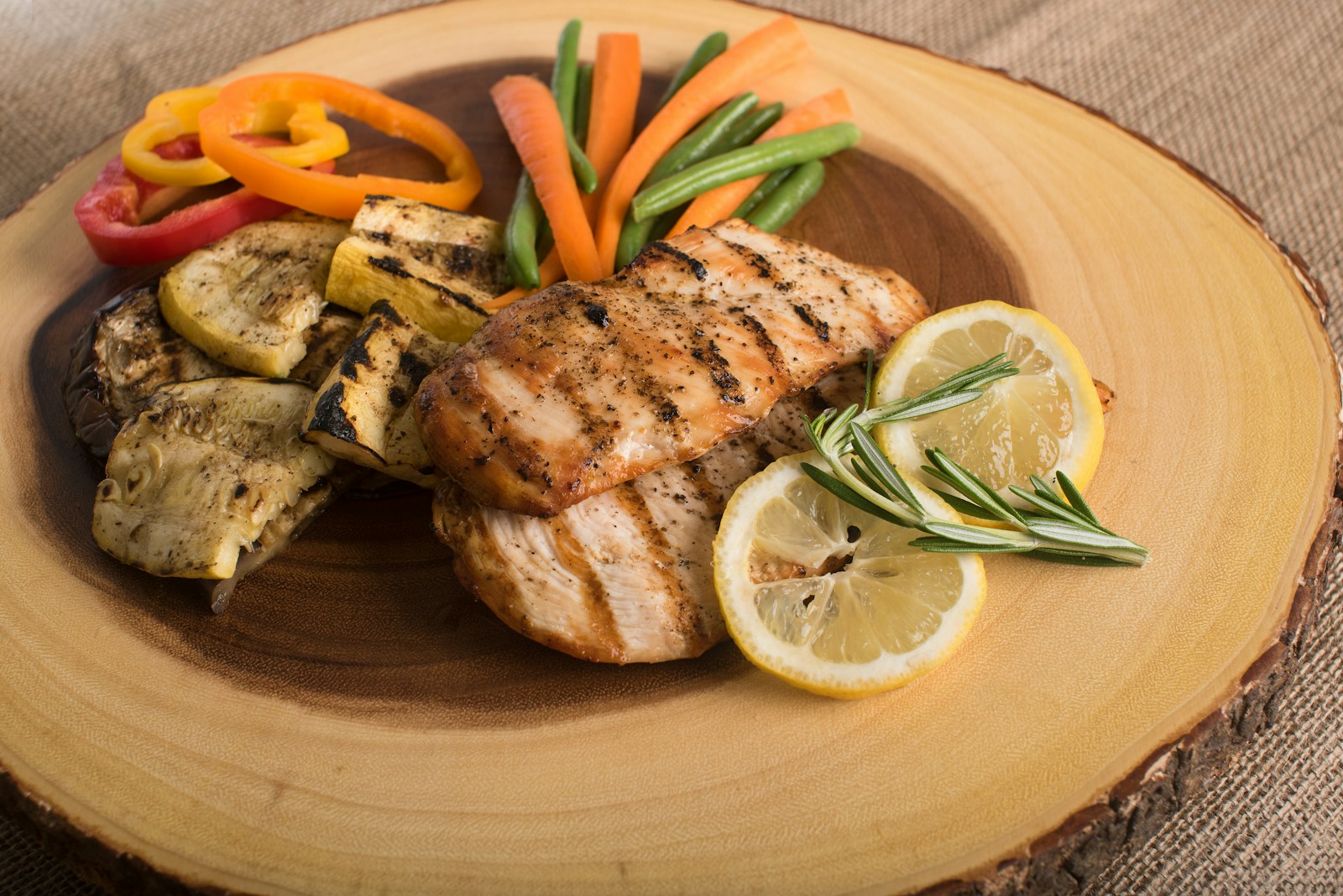
Plain grilled chicken breast entrees
A plain grilled chicken breast, served with a starch and a vegetable, is one of the easiest things to make well at home and one of the hardest to make genuinely exciting in a restaurant setting, especially at high volume where dozens of breasts are cooked on the same grill during a single service. It’s a dish with very little margin for error and very little upside even when it’s executed perfectly, since the ceiling for “excellent plain chicken” is inherently modest. A restaurant’s more composed dishes, built around a sauce, a technique, or a cut that’s harder to replicate at home, almost always represent a better use of the meal.
The classic iceberg wedge salad
A wedge salad is mostly a vehicle for its dressing and toppings, since iceberg lettuce itself contributes little beyond crunch and water content, and the entire dish is genuinely simple to reproduce at home with a quarter head of lettuce and a good bottled or homemade dressing. Restaurants often price it as though it were a more labor-intensive dish, and the actual eating experience rarely justifies that positioning. A salad built around ingredients that are harder to source or prepare at home, real burrata, a interesting grain, a house-made vinaigrette with genuine depth, tends to deliver far more for a comparable price.
Basic spaghetti with marinara sauce
A simple pasta with red sauce is a dish most home cooks can make at a genuinely high level with a good can of tomatoes, garlic, and twenty minutes, which sets a surprisingly high bar for a restaurant to clear in order to feel worth ordering. At a non-Italian-focused restaurant especially, this dish often ends up being one of the least distinctive items on the menu, made in bulk and held rather than finished to order. A restaurant’s more technique-driven pasta, something with a filled shape, a reduction, or an ingredient that’s genuinely hard to source, is almost always the better order at the same establishment.
Fried rice at a restaurant that isn’t an Asian food specialist
Good fried rice depends heavily on technique, high heat, the right rice texture, careful timing, that a kitchen without deep experience in the dish often can’t replicate, resulting in a version that’s more greasy or mushy than the dish is supposed to be. It’s also a dish many people can make reasonably well at home with day-old rice and a hot pan, which raises the bar for what a restaurant version needs to deliver to feel worthwhile. At a restaurant built around a different cuisine entirely, fried rice is frequently one of the more forgettable items on the menu rather than a genuine specialty worth ordering.
Chicken parmesan outside an Italian-focused kitchen
Chicken parmesan done well requires real attention: a properly breaded and fried cutlet, a sauce that isn’t an afterthought, cheese that’s melted rather than simply piled on and browned under a broiler. At restaurants where it’s not a genuine specialty, it often arrives as an oversized, cheese-heavy dish that’s more filler than finesse, frequently one of the least interesting items relative to its price on the menu. A kitchen’s more distinctive protein dishes, ones that reflect what that particular restaurant actually does well, tend to be a more reliable choice than a dish that’s really only worth ordering somewhere that’s built a genuine reputation around it.
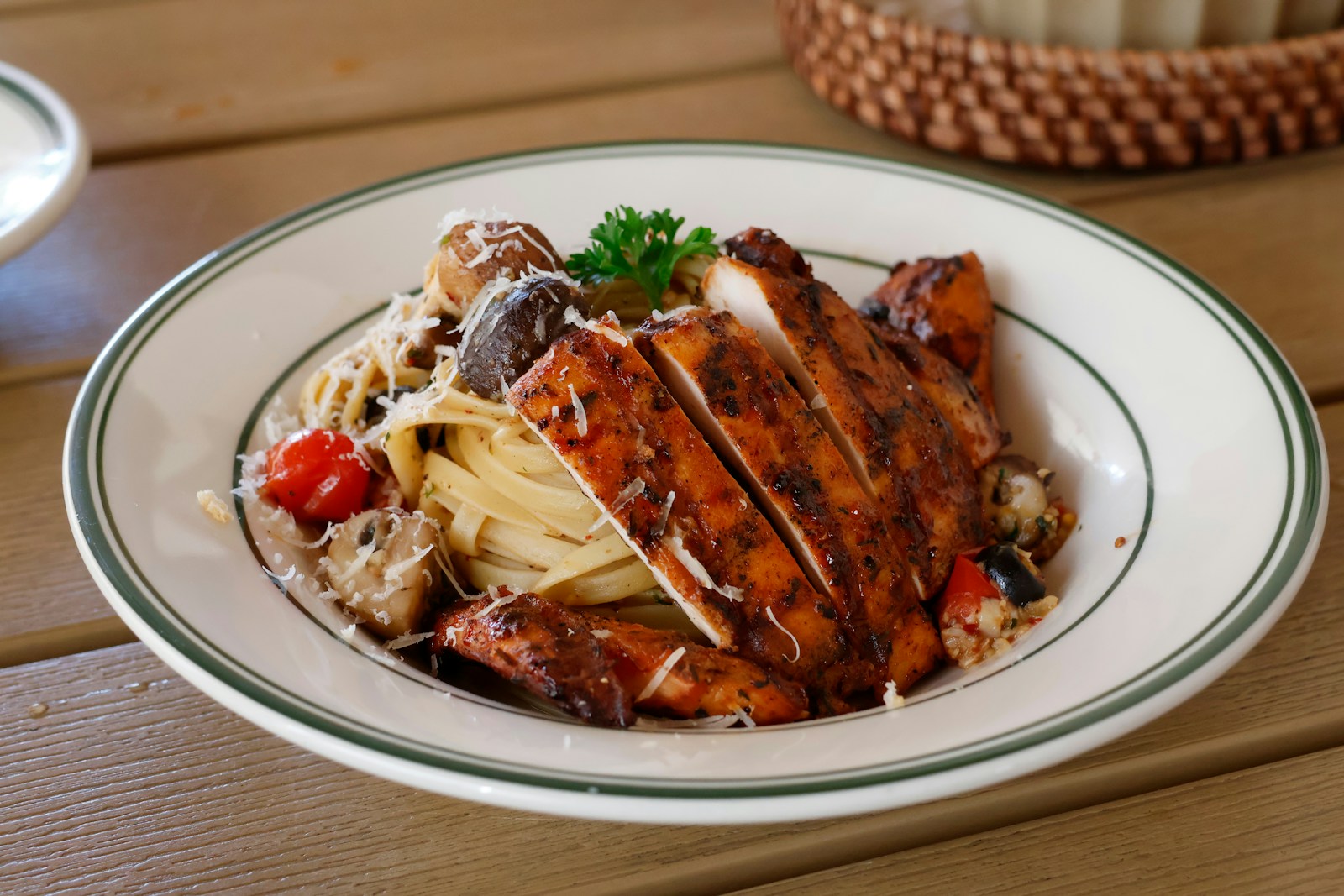
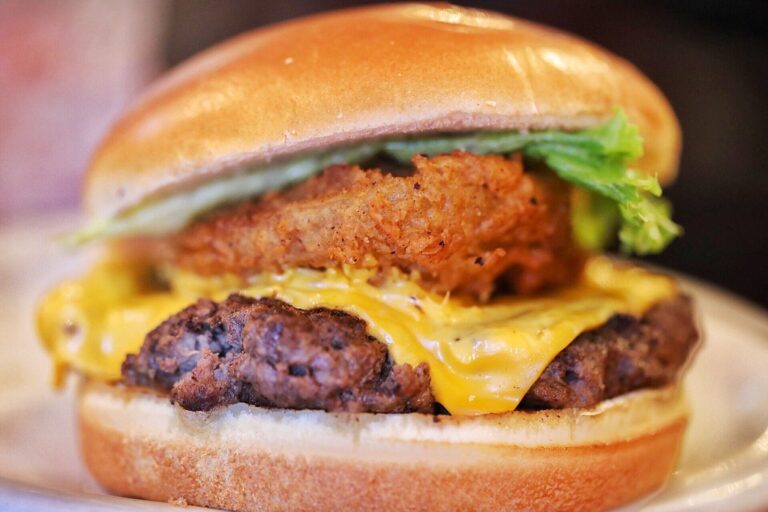
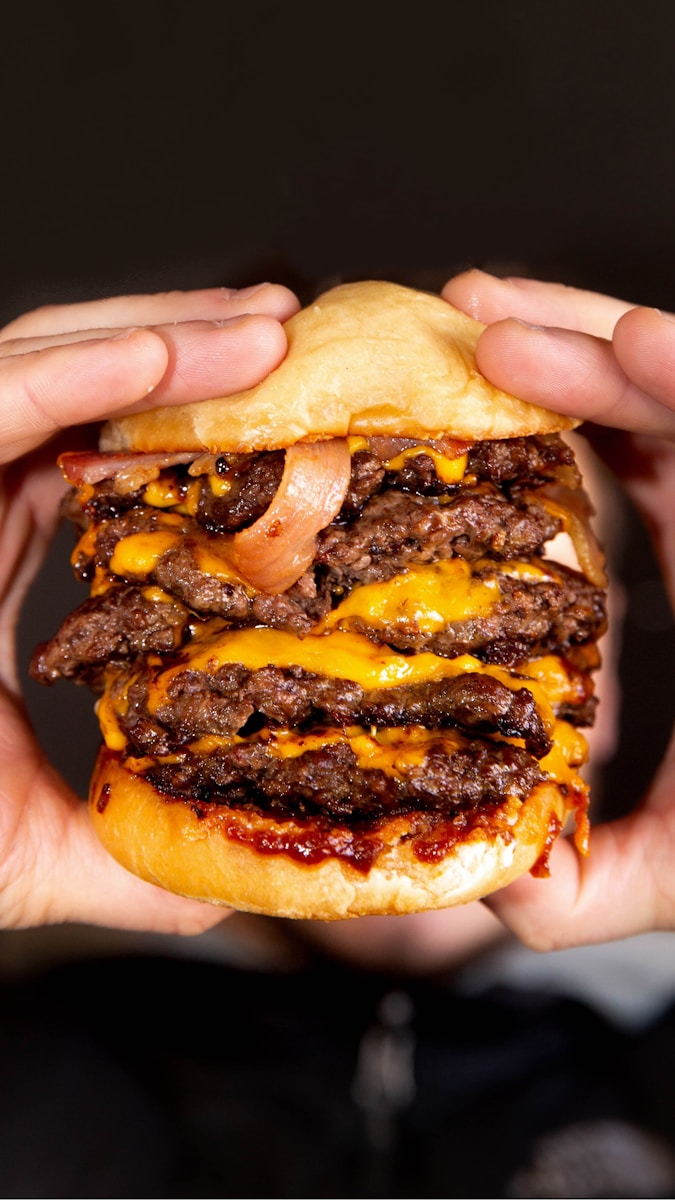
A plain hamburger at a fine-dining restaurant
A burger at an upscale restaurant is often priced closer to the restaurant’s other composed dishes while delivering something that a dedicated burger spot, or a home grill, frequently does better and for less. Fine-dining kitchens are generally built around techniques and ingredients that don’t translate especially well to a straightforward sandwich, and the burger often ends up feeling like an afterthought item kept on the menu for guests who want something familiar, rather than a dish the kitchen is actually excited about. Ordering into the kitchen’s actual strengths tends to be a far better use of the meal than defaulting to the one familiar item on an otherwise ambitious menu.
Eggs Benedict at a busy weekend brunch spot
Hollandaise sauce is notoriously unstable and difficult to hold for any length of time without breaking or thinning out, which makes it a genuinely risky item for a kitchen slammed with brunch orders to execute consistently well across dozens of plates in a short window. The poached egg underneath faces a similar timing challenge, and the whole dish depends on several components landing simultaneously, at their peak, which is hard to guarantee during a restaurant’s busiest and most rushed service of the week. A dish with fewer moving, time-sensitive parts tends to hold up far more reliably during a packed Sunday brunch rush.
Simple vodka sodas and other minimal mixed drinks
A drink built from two ingredients, a spirit and a mixer, offers almost nothing for a bartender’s skill to actually improve on, and the markup on that simplicity tends to be steep relative to what’s actually being made. It’s an entirely reasonable order for someone who just wants something light, but it’s rarely a good showcase of value at a restaurant with a real bar program, since the same basic drink can be made at home for a small fraction of the price with no real quality loss. A restaurant’s more crafted cocktails, built around fresh juice, house-made syrups, or an interesting spirit combination, usually represent a far better use of the same amount of money.
Standard cheesecake or tiramisu for dessert
These desserts are so commonly sourced from large commercial bakeries, rather than made in-house, that ordering one at an unfamiliar restaurant is often a gamble on a mass-produced product rather than anything the kitchen actually made. Both are also widely available at a genuinely high standard from dedicated bakeries and specialty shops, which sets a bar that a restaurant’s held, pre-portioned slice rarely clears. A dessert that’s clearly plated to order, with fresh components assembled just before serving, is a far more reliable signal that what’s arriving is actually the kitchen’s own work rather than something thawed from a box.