Every family has at least one dish that shows up on the holiday table and somehow reignites the same debate every single year, regardless of how many times it’s already been settled, unsettled, and settled again. It’s rarely about the food itself so much as what the food represents: whose recipe is the real one, whose grandmother did it better, and who dared to bring a store-bought version to a gathering that’s supposed to run on homemade tradition.
These arguments are almost never mean-spirited, but they’re remarkably persistent, popping up with the same predictable rhythm as the seating chart fights and the who’s-hosting-next-year negotiations. Here are seven foods that seem to guarantee at least a little friendly combat around the table.
Stuffing vs. Dressing
The debate over whether the bread-based side dish should be cooked inside the turkey (stuffing) or baked separately in a pan (dressing) is really a debate about food safety wrapped in nostalgia, since cooking stuffing inside the bird can leave the center undercooked while the meat itself risks drying out waiting for the stuffing to reach a safe temperature. Regional naming conventions add another layer of confusion, since some families use “dressing” regardless of cooking method while others insist the terms describe genuinely different dishes. Whichever side of the debate a family lands on tends to be inherited rather than reasoned through, which is exactly why it resurfaces every year with the same intensity, regardless of how many times someone cites food safety guidance to try to settle it.
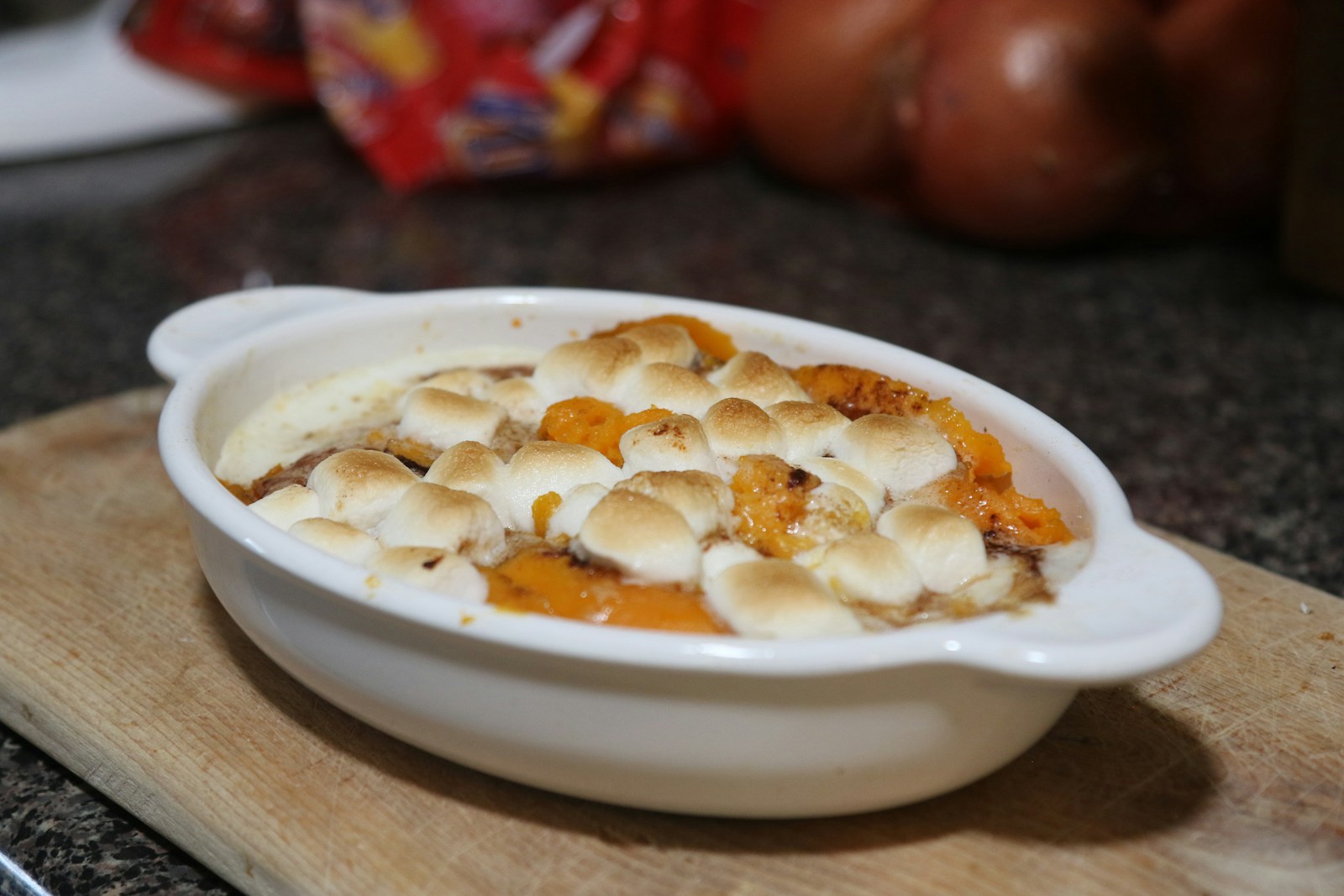
Sweet Potato Casserole with Marshmallows
Few dishes split a table quite like sweet potato casserole topped with a thick layer of toasted marshmallows, which some family members consider a beloved essential and others consider a candy-topped vegetable dish that has no business anywhere near the main course. The purists argue the marshmallow layer masks the natural sweetness of the potatoes with pure sugar, while the traditionalists point out that the combination has been a Thanksgiving fixture for generations and shouldn’t need defending at all. It doesn’t help that there’s rarely a middle-ground version served alongside it, forcing everyone at the table to pick a side by simply choosing what to put on their plate.
Green Bean Casserole
Green bean casserole, built around canned green beans, condensed cream of mushroom soup, and crispy fried onions, draws a hard line between people who consider it a nostalgic essential and people who see it as the most obviously processed dish on a table otherwise built around fresh ingredients. Defenders point to its simplicity and its decades-long place in American holiday tradition, while critics argue that a table full of otherwise scratch-made dishes doesn’t need a canned-soup casserole sitting in the middle of it. The dish’s inventor designed it specifically for convenience, which is exactly the quality its critics hold against it and its defenders quietly appreciate without saying so out loud.
Cranberry Sauce: Canned vs. Homemade
The debate between the smooth, can-shaped cranberry sauce that slides out with the ridges still visible and a homemade version made from whole berries, sugar, and orange zest can get surprisingly heated for a condiment. Homemade advocates argue the fresh version has better flavor and texture, while canned loyalists insist the jellied version is precisely the nostalgic taste they grew up with and that a homemade substitute, however well-intentioned, simply isn’t the same dish. Some families have settled into an uneasy truce by serving both side by side, which resolves the argument at the table but does nothing to end the debate about which one is actually better.
Deviled Eggs: Classic vs. Loaded
Deviled eggs seem like a low-stakes dish until someone shows up with a version loaded with bacon, jalapeños, or an elaborate piping technique, prompting purists to argue that the classic mayonnaise-mustard-paprika filling is the only correct version and shouldn’t be improved upon. The traditionalists tend to frame any deviation as trying too hard, while the innovators argue that a party appetizer earns the right to be a little more adventurous than a decades-old recipe card allows. Because deviled eggs are cheap and easy to make multiple versions of, gatherings often end up with several competing trays side by side, turning what should be a simple appetizer into an unofficial cook-off.
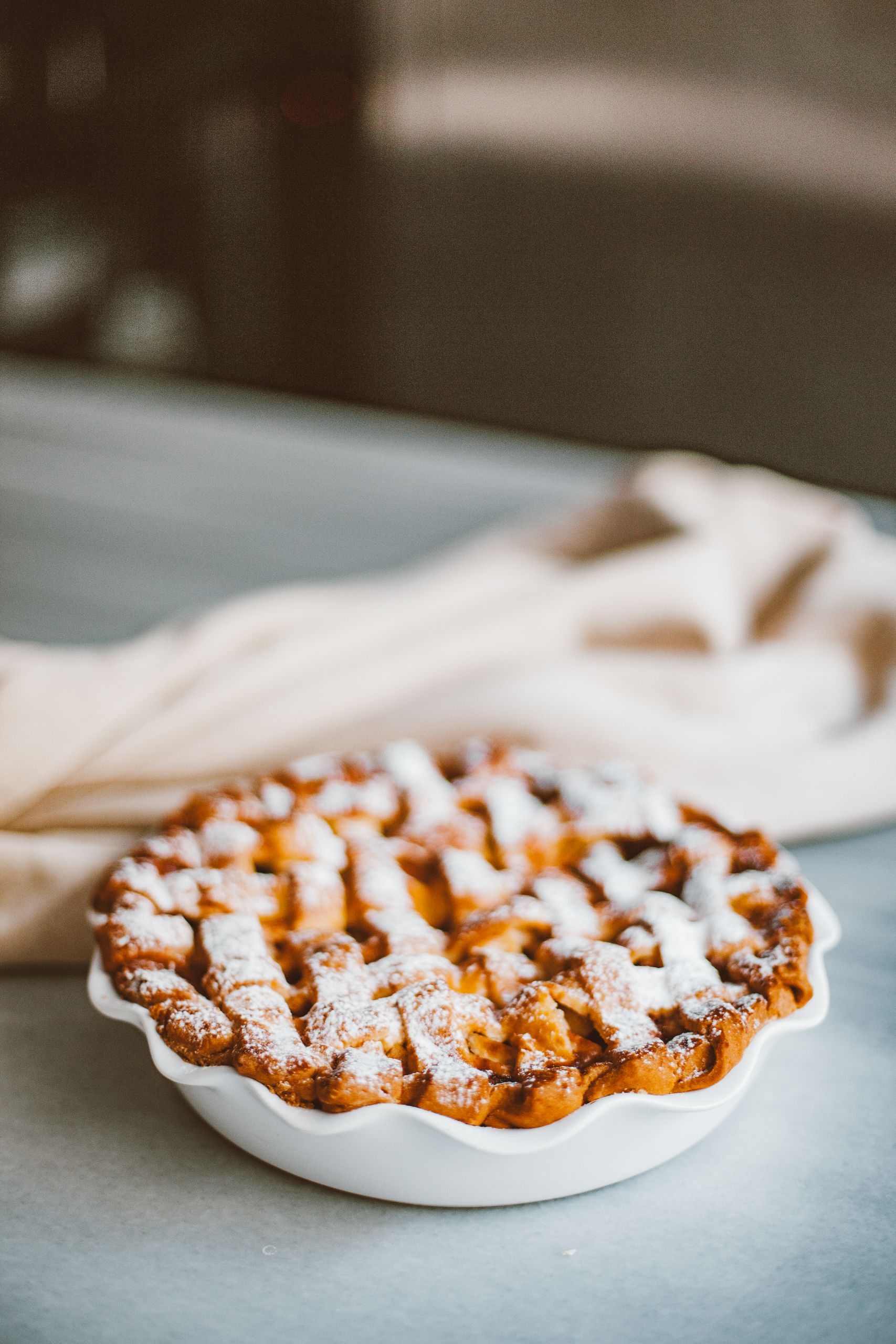
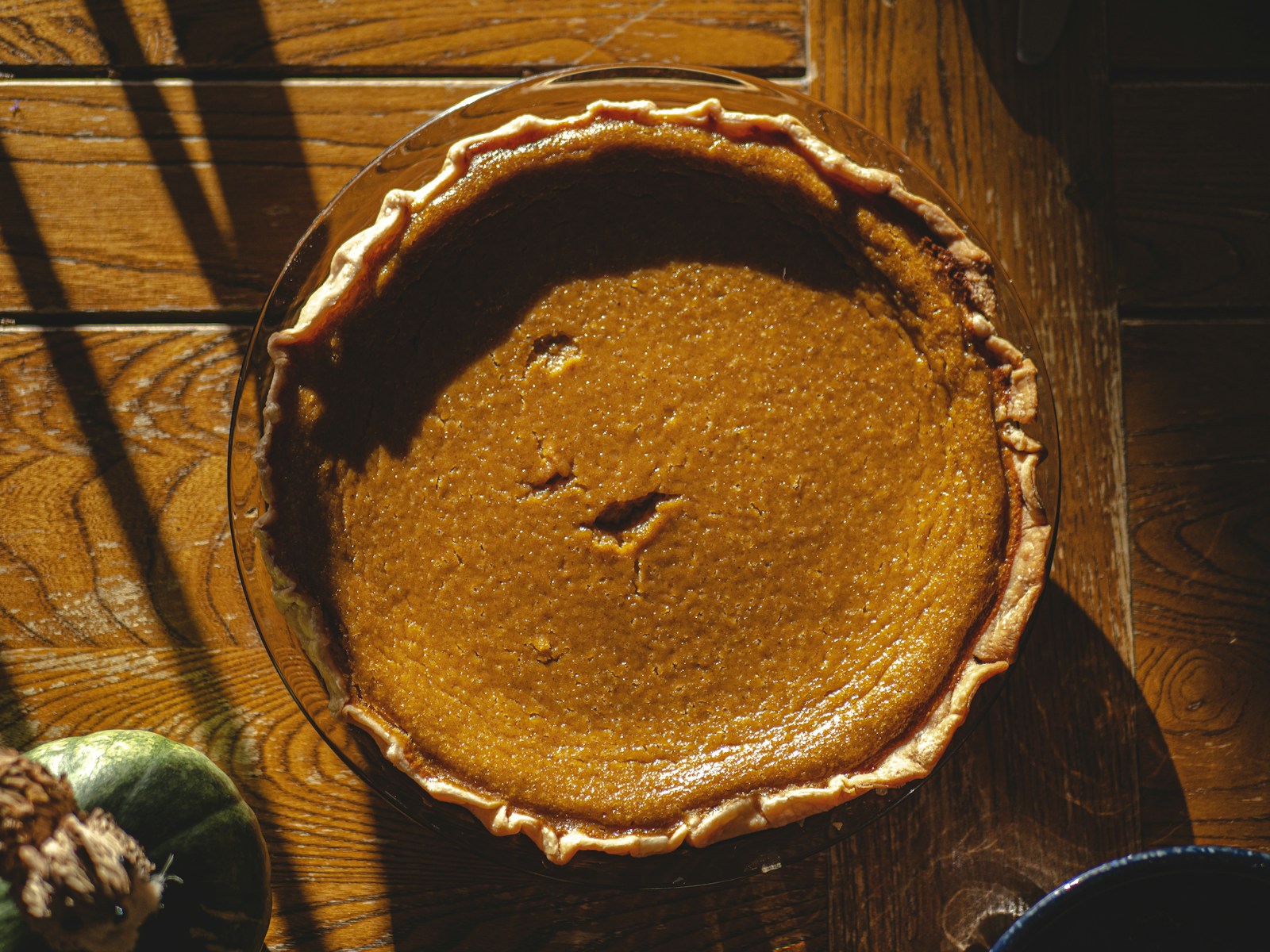
Pumpkin Pie vs. Sweet Potato Pie
In some families, particularly where Southern tradition runs strong, the debate over which orange-hued pie deserves the seat of honor at dessert time can get surprisingly passionate, with sweet potato pie advocates arguing their pie has more genuine flavor and a less one-note sweetness than the more commercially ubiquitous pumpkin version. Pumpkin loyalists counter that its association with the holiday season is so deeply ingrained that skipping it feels like skipping the holiday itself. Because both pies look similar enough to cause confusion for anyone unfamiliar with the debate, it’s not unusual for a first-time guest to unknowingly wander into the middle of a long-running family disagreement simply by asking which pie is which.
Store-Bought vs. Homemade Rolls
Bringing a bag of store-bought dinner rolls to a holiday gathering can, in certain families, be treated as a minor betrayal of the unspoken rule that a shared meal should involve at least some effort beyond a grocery store run. Defenders of the store-bought roll point out that with so many other dishes demanding attention in the kitchen, a good bakery roll is a perfectly reasonable place to save time, while homemade advocates argue that the smell of fresh bread baking is part of what makes the day feel like a holiday in the first place. The argument tends to resurface most sharply in years when someone’s homemade batch doesn’t rise properly, giving the store-bought camp a rare and cherished opportunity to feel vindicated.