Anyone who has ever cooked for a household with more than one set of tastes knows the reality behind this video before it even starts: sometimes dinner isn’t one meal, it’s two, made in the same kitchen at the same time for two very different appetites.
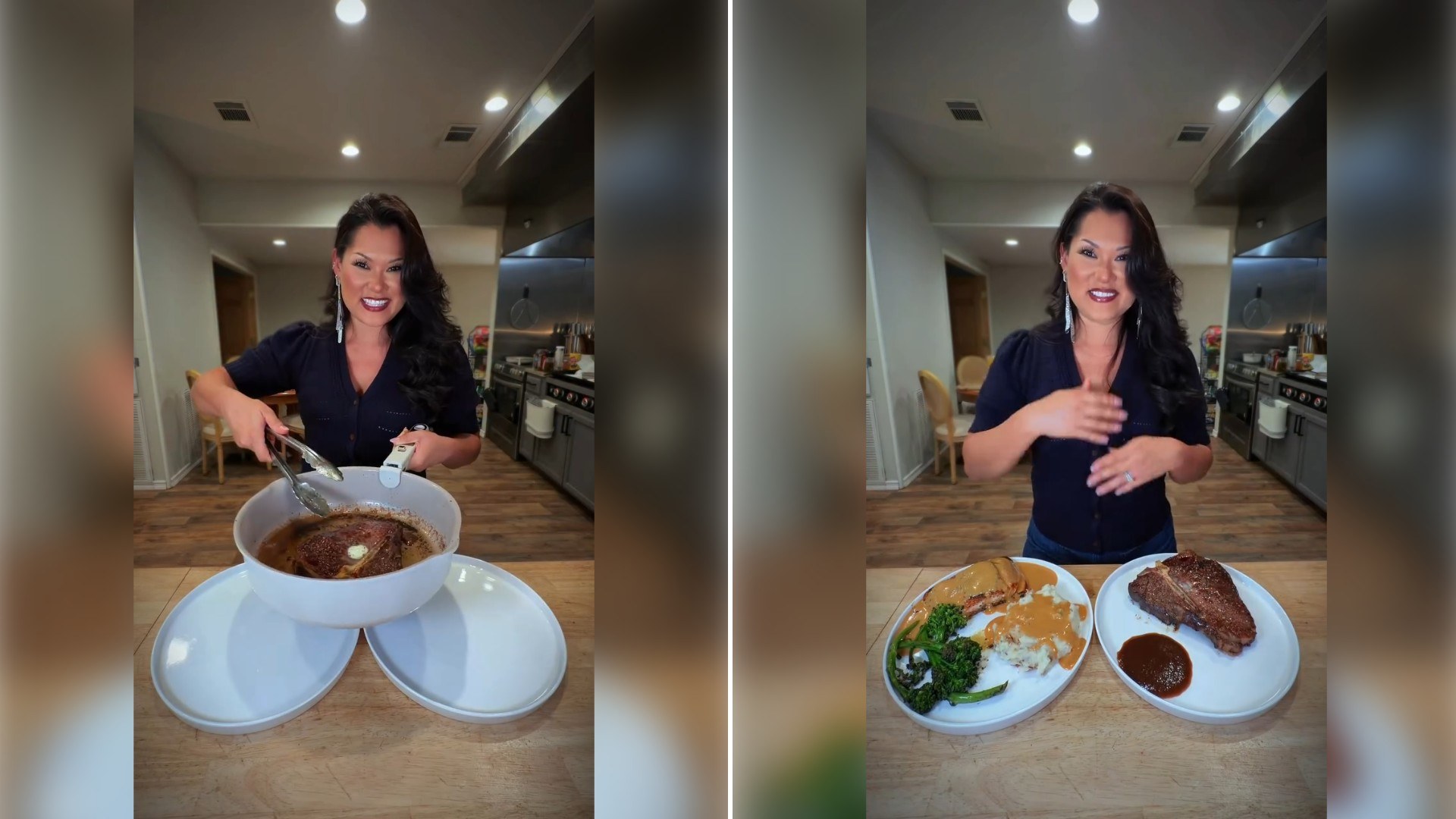
The creator, @ericasherwood_, prepares and plates completely separate dinners for herself and her husband, narrating exactly what each of them is eating that night while their daughter is out at a football game performance. The split-dinner routine is presented not as a complaint but as simply how things work in their household on a given night.
View this post on Instagram
Two-dinner households are far more common than cooking shows tend to admit, shaped by differing tastes, dietary needs, or simply years of learning what each person in the house actually wants to eat versus what gets made out of habit. Narrating the split so plainly, rather than treating it as extra work to complain about, is part of why the video reads as relatable rather than exhausting.
There’s a certain mythology around family dinner that assumes a single pot, a single meal, everyone gathered around eating the same thing in perfect domestic harmony. The reality for a huge number of households looks considerably messier than that, shaped by one person’s aversion to a particular ingredient, another’s dietary restriction, a picky eater whose preferences have simply been accommodated for so long that nobody questions it anymore. What this video does well is normalize that messier reality instead of pretending toward the tidier version, presenting the two-dinner routine with the same easy, unbothered tone someone might use to describe any other ordinary domestic task.
The specific timing detail, that this split-dinner night happens while their daughter is out at a football game performance, adds an extra layer of texture worth noticing. It’s a reminder that a lot of these smaller, more idiosyncratic versions of family dinner tend to happen precisely on the nights when the full household isn’t gathered anyway, when there’s less pressure to produce one unified meal for everyone at once. A night with just two adults eating separately prepared dinners in the same kitchen has a different rhythm than a night with the whole family present, looser, less performative, closer to what a lot of weeknight cooking actually looks like once the cameras and the pressure of presenting a picture-perfect family meal are set aside.
Family meal researchers often point out that the emotional value of a shared dinner doesn’t actually require a shared plate. Two households can sit down at the same table eating entirely different meals and still get the same connection out of the evening, since the ritual of eating together matters more than matching menus. What actually produces the sense of closeness associated with family dinner isn’t the food itself; it’s the conversation, the shared time, the simple fact of choosing to eat in the same room at the same time rather than separately and on different schedules. A couple eating two different meals side by side is still, by that measure, having dinner together in every way that actually matters.
There’s also something worth saying about the labor involved in a routine like this one, even when it’s presented lightly. Cooking two separate meals, rather than one meal stretched to accommodate everyone, is objectively more work: more dishes, more ingredients tracked, more mental coordination about timing so both plates land on the table around the same moment. That this creator narrates the process so breezily doesn’t mean the underlying effort disappears; it means she’s found a way to fold what could easily be framed as a burden into an ordinary, even amusing, part of her evening routine, which is its own small skill worth recognizing.
Videos like this one tend to resonate specifically because they puncture a certain aspirational, overly tidy version of home cooking that dominates a lot of food content online, the beautifully composed single dish, the entire family enthusiastically eating the same thing. Real households are messier and more particular than that, and a video willing to show the actual, sometimes duplicated effort that goes into feeding a family every night tends to land as more honest, and often more useful, than the polished alternative.
It’s also worth thinking about what a video like this signals about the marriage itself, even though the focus stays squarely on the food. Cooking a separate meal for a spouse, night after night, without resentment or friction, suggests a level of accommodation that both people have clearly settled into comfortably over time. Nobody is being asked to simply eat what’s put in front of them; nobody is expected to cook only what they themselves want and let the other person fend for themselves. The two-dinner system, as mundane as it sounds, is actually a small, ongoing act of mutual consideration, each person’s preferences taken seriously enough to be cooked for individually rather than negotiated down to some compromise dish neither of them particularly wanted in the first place.
With a daughter out at a performance and two different dinners plated for the two adults left at home, the video captures something a lot of families will recognize instantly: the version of a household dinner that actually happens most nights, imperfect variety and all, cooked not because anyone expects a magazine spread, but because feeding the people you love sometimes just means making two separate things and calling it dinner anyway.