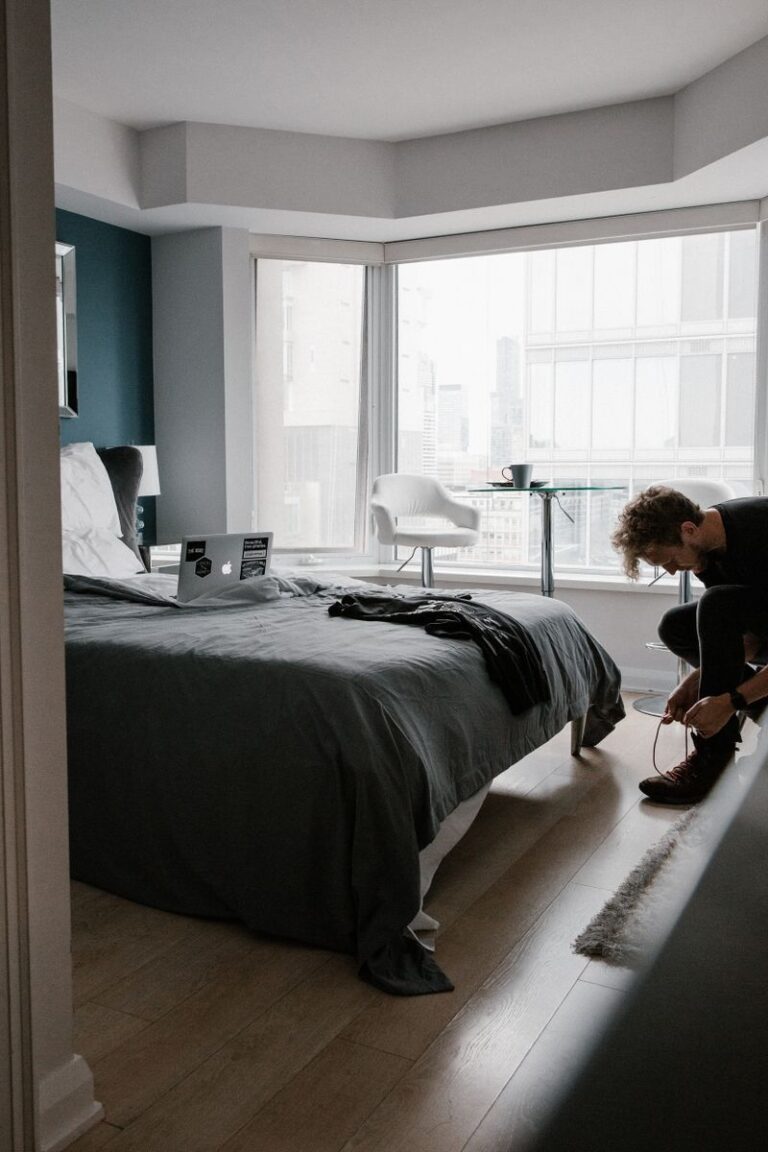
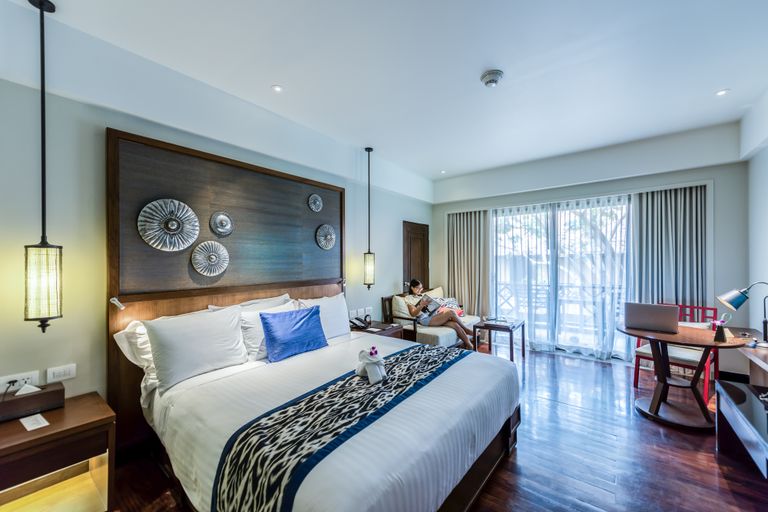
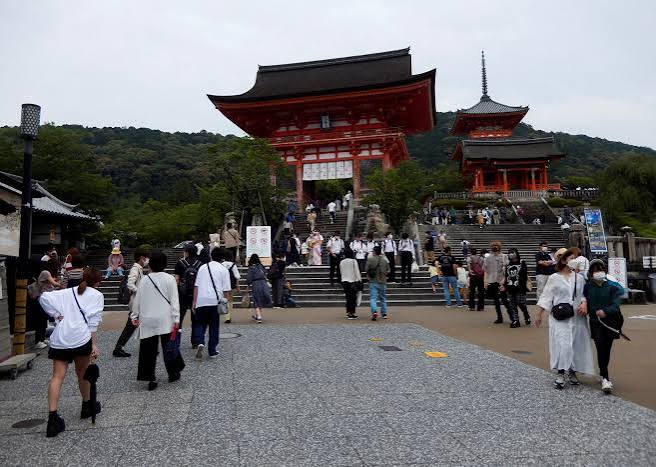
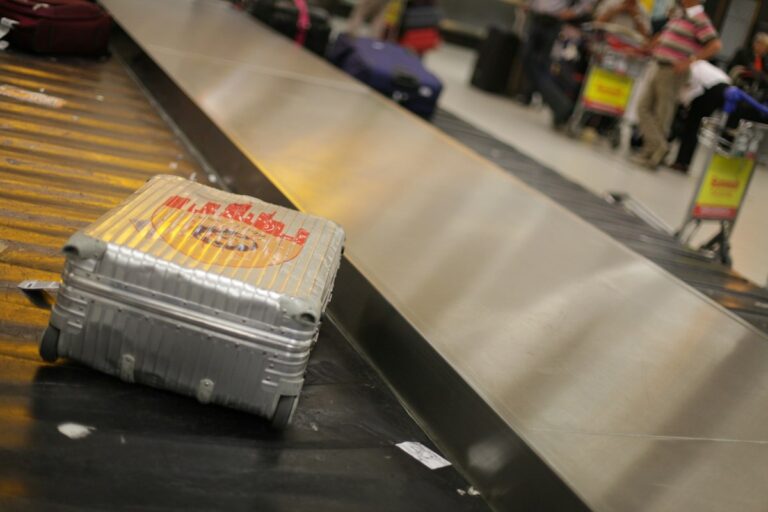
Business travel looks completely different depending on the decade you are living through, and creator @mina.derian is getting plenty of knowing laughs for pointing that out. Her video contrasts the energy and activities of work travel in her twenties against how she approaches the exact same trips now in her thirties, joking about trading late nights for beauty sleep and swapping exploring a new city for ordering in room service.
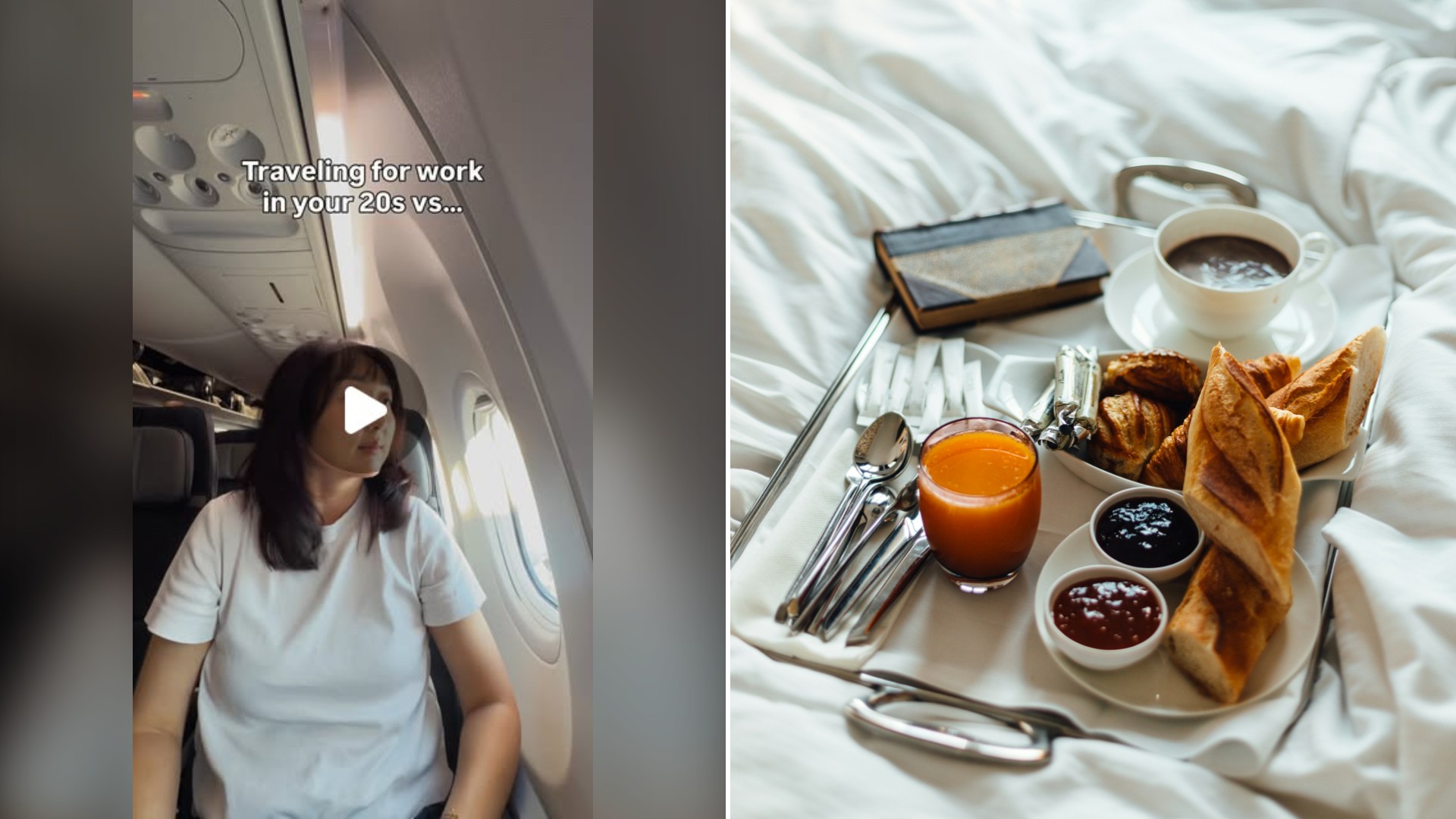
The before-and-after structure has made the video an easy watch for anyone who travels for work regularly, and its broad millennial appeal comes from how specific and recognizable each stage feels, even to viewers who have never set foot in the particular cities she mentions. It is less about the destinations and more about how much a person’s relationship to travel itself can change over time.
Corporate travel trend reports have actually tracked this shift at a broader level, not just anecdotally. Younger business travelers are statistically more likely to extend a work trip into a long weekend, often dubbed “bleisure” travel, using the company-paid flight as an excuse to explore a new city on their own time. As travelers move into their thirties and beyond, survey data consistently shows a shift toward prioritizing recovery, sleep, and efficiency on work trips, with many business travelers in this age bracket actively avoiding extra sightseeing in favor of getting home a day earlier when possible.
Part of this shift comes down to simple physiology. Sleep researchers note that the body’s ability to recover from jet lag and disrupted sleep schedules gradually slows with age, which means a thirty-something traveler often needs more deliberate recovery time than the same person did a decade earlier, even when the itinerary itself has not changed. What used to be shaken off with a coffee and a nap in your twenties can linger for a full extra day later on, which explains why skipping the nightlife for an early bedtime stops feeling like missing out and starts feeling like basic trip management.
There is also a financial and responsibility shift baked into this trend. Many travelers in their thirties are managing more outside the trip itself, whether that is a mortgage, kids, or a demanding role that does not pause just because they are in another city, which naturally changes the calculation around how much of a work trip is worth spending on exploring versus simply getting through efficiently and heading home rested. Room service, once an indulgent splurge, starts to look like a smart way to protect the only unstructured hours in an otherwise packed schedule.
None of this means the thirty-something version of a work trip is worse, just different. Frequent business travelers who have made this shift often report feeling less burned out by travel overall once they stop trying to treat every trip like a vacation, reserving actual leisure travel for time explicitly set aside for it instead. The beauty-sleep era of business travel, in other words, tends to be less about losing adventurousness and more about learning which battles on a work trip are actually worth fighting.
@mina.derian’s video works because almost every frequent traveler can place themselves somewhere on that same timeline, whether they have fully transitioned into the room-service era or are still holding onto a little bit of their twenties energy on the road.