A roadside food discovery from @drinkingwithrod is sending viewers on a hunt for one very specific tamale cart. The creator pulls over for a street vendor named Michaela, buys a few tamales on the spot, and tries them on camera — and the genuine, unscripted reaction that follows is exactly what has people in the comments asking for the vendor’s location so they can go find her themselves.
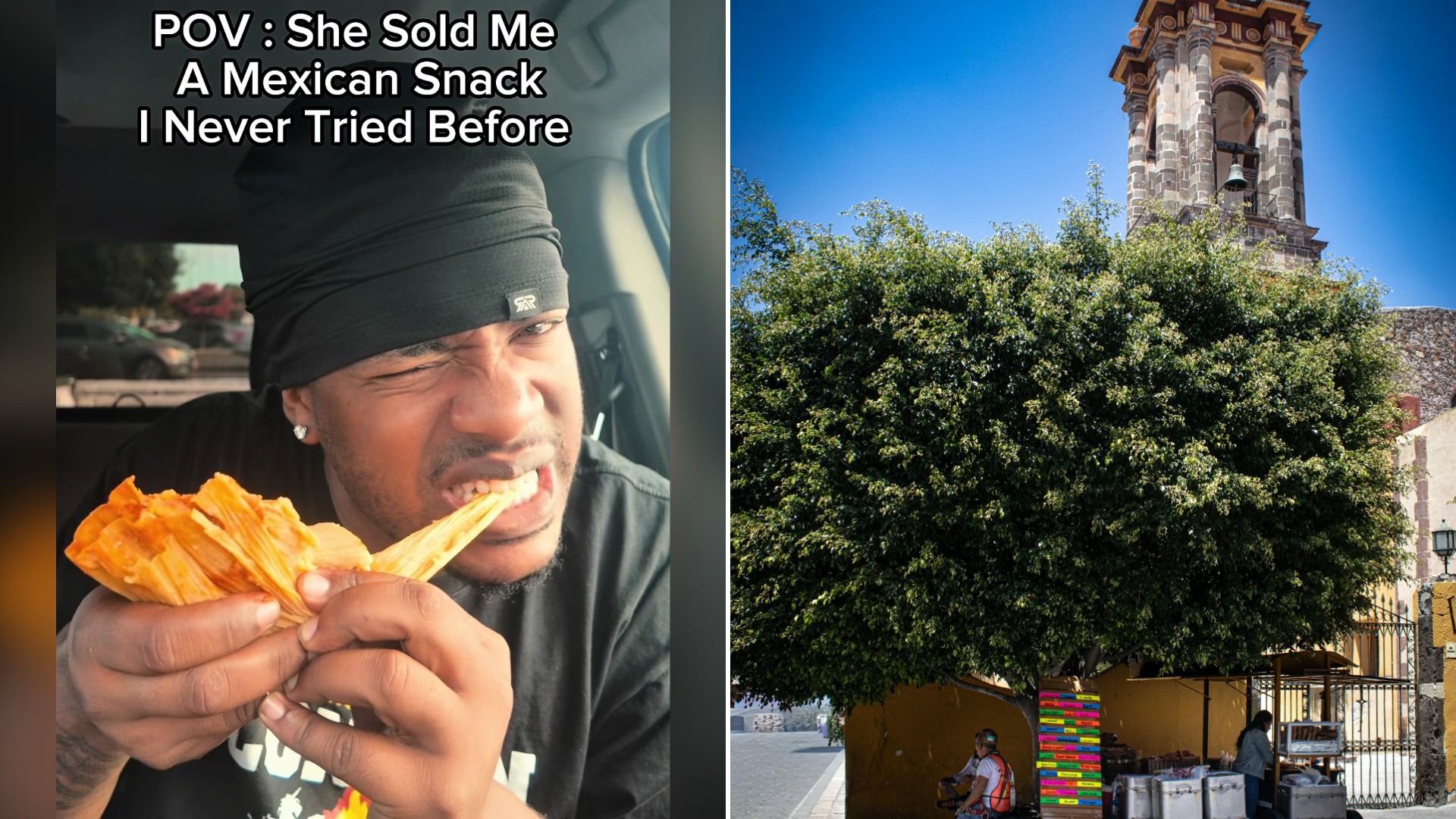
There’s something about a chance roadside stop that hits differently than a planned restaurant review, and this clip leans fully into that spontaneity — no reservation, no research, just a cart on the side of the road and a creator willing to pull over and see what’s cooking.
@drinkingwithrod
Roadside and street vending has a long, important history in American food culture, particularly in communities with strong Latin American culinary traditions, where tamale carts and stands have served as a reliable source of affordable, scratch-made food for generations. Tamales themselves are notoriously labor-intensive to make well, requiring masa to be prepared and seasoned correctly, a filling cooked separately, and each tamale individually wrapped in corn husks or banana leaves before a long steam — a process that can take hours for even a modest batch, which is exactly why a genuinely great vendor tends to build a devoted following among people lucky enough to stumble across the cart.
Vendor-discovery content like this has become one of the fastest-growing subgenres of food video, in part because it gives small, independent sellers a kind of exposure that would otherwise take years to build through word of mouth alone. Small business researchers who study informal and street-level food economies note that a single viral video can meaningfully change a vendor’s business overnight, sometimes creating lines around the block for someone who was previously only known to a small, local customer base. For vendors operating without a storefront, a social media presence, or even a fixed daily location, that kind of unplanned exposure can be transformative.
Naming the vendor — in this case, Michaela — is also a meaningful choice that food content creators increasingly make on purpose. Giving a specific human name and identity to a street vendor, rather than treating the cart as an anonymous backdrop, tends to humanize the transaction and builds far more goodwill and interest than a generic “found this tamale cart” caption would. Viewers report feeling more invested in supporting a named, specific person’s small business than in a vague mention of a stand, which likely explains part of why so many commenters are actively trying to track down Michaela’s exact cart location rather than just enjoying the video passively.
There’s also a practical safety and quality angle worth noting for anyone inspired to try their own roadside food adventure. Food safety experts generally advise looking for a few simple signals before buying from an unfamiliar street vendor: visible cleanliness at the preparation area, food being kept at a safe temperature (steaming hot for tamales, specifically), and a steady stream of repeat local customers, which is often the best real-world endorsement a cart can have. A consistently busy vendor, the kind that draws a quick roadside stop and a glowing reaction video, has usually already passed that informal test many times over.
For now, Michaela’s exact location remains something of a mystery to the wider internet, but the enthusiasm in the comments suggests it won’t stay that way for long. Stories like this one are a reminder that some of the best food discoveries still happen the old-fashioned way — not through a reservation app, but by noticing a cart on the side of the road and deciding to pull over.
More from Cultivated Comfort
- Food Vlogger Says His Local Friends Laughed at a Mexico City Stall Selling Hand Made Dinosaur Quesadillas, Then Calls the Chicharron Prensado Filling Absolutely Insane
- Traveler Opens a Video by Calling Serbia Dangerous, Then Admits in the Caption It Is Satire and Shows a $1 Bakery Pastry, a Plate of Cevapi and a Riverside Bike Ride
- Man Filming Inside Costco Says a $330 Disneyland Bundle With a Two Day Park Hopper, a Lightning Lane Pass and a $60 Dining Credit Saves a Family of Four $980, Then Shows the Math