

A chain restaurant’s family bundle deal is getting put through an unusually rigorous test. In the video, @katscraving unboxes and literally weighs the seventy nine dollar Olive Garden family meal deal, which includes chicken alfredo, in an attempt to settle once and for all whether the bundle actually delivers enough food to justify its price.
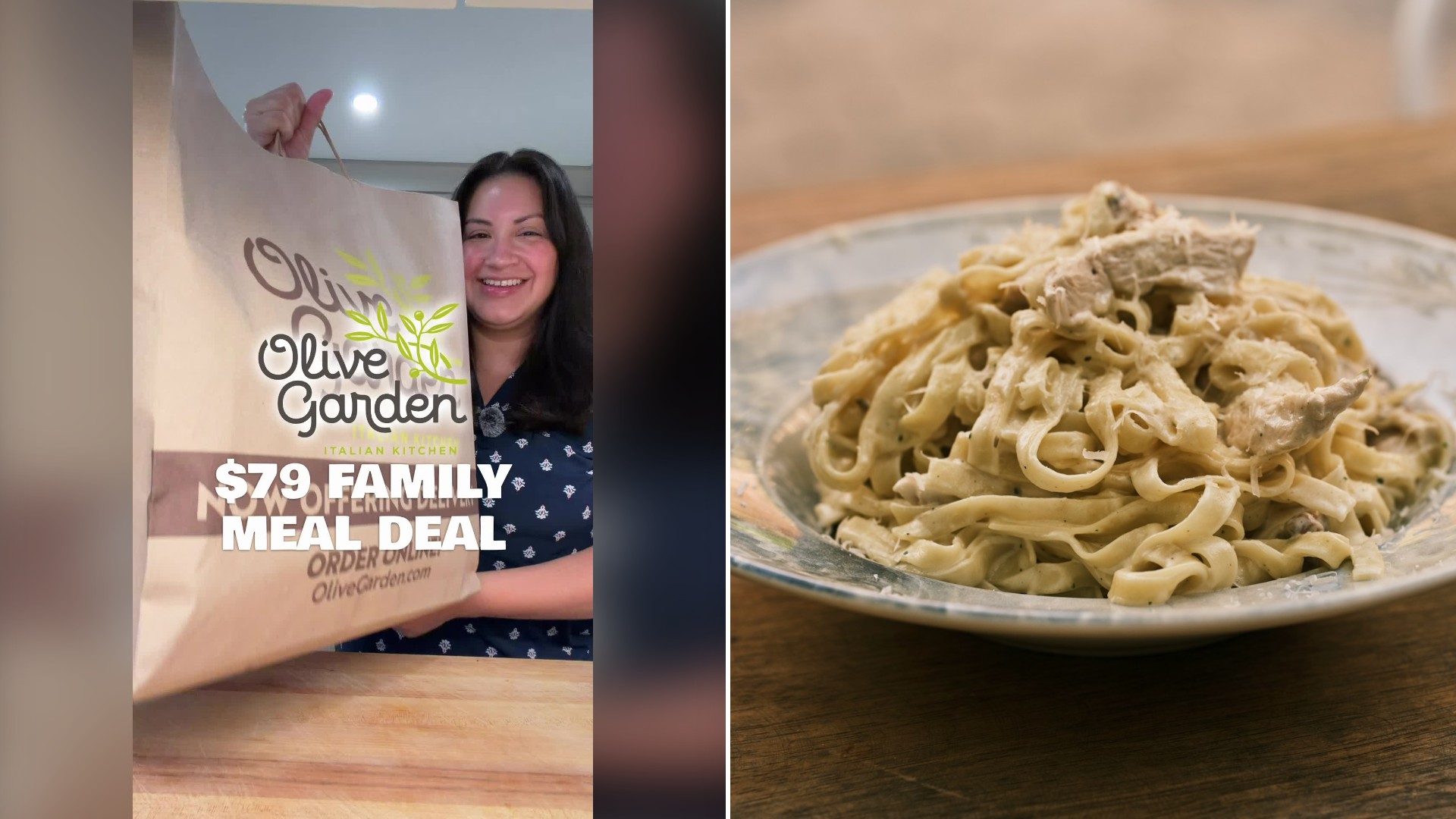
Deal-verification content like this has grown into its own distinct niche, separate from a standard restaurant review. Instead of focusing primarily on taste, these videos treat a restaurant’s advertised value proposition as a claim to be tested, counting portions, measuring weight, or comparing against the advertised serving size to see whether the math actually checks out for a paying customer.
@katscraving
Family meal deals at chain restaurants have become an increasingly popular option for households trying to stretch a dining-out budget, since a single bundled price is generally easier to plan around than ordering several individual entrees. The appeal rests almost entirely on the assumption that the bundle is genuinely cheaper, portion for portion, than ordering the same items a la carte, which makes independent verification, like weighing the actual food that arrives, one of the few ways a customer can confirm that assumption rather than simply trusting the marketing copy.
Chicken alfredo specifically is one of the most consistent items on Olive Garden’s menu, and it is a useful benchmark for a value test precisely because it is so familiar. A pasta dish built on a cream-based sauce can vary widely in how it travels and reheats depending on portion size and how it is packaged for a family-style order, which makes the physical weight of what actually shows up a far more objective measure than a menu description alone.
There is a clear financial logic behind why this kind of content resonates so widely right now. Dining out has become a noticeably larger expense for many households in recent years, and family-sized bundles are often marketed as the budget-friendly way to feed a group without resorting to individual entrees that add up quickly. When a creator puts a literal number, in ounces or ingredients, next to the advertised price, it hands viewers a concrete, shareable data point they can use to decide whether a similar deal is worth ordering themselves, rather than relying on guesswork or a restaurant’s own promotional language.
This kind of scrutiny also reflects a broader trend of consumers pushing back against shrinking portion sizes and rising prices across the restaurant industry. As menu prices have climbed in recent years, more diners are paying closer attention to whether what actually lands on the table matches what was promised, and creators willing to do the tedious work of weighing and counting have become a trusted resource for that kind of accountability.
Whatever the final verdict on the scale, the video gives budget-conscious families a genuinely useful reference point before their next decision between cooking at home or splitting a restaurant bundle, grounded in hard numbers rather than a menu photo.
More from Cultivated Comfort
- Man Filming Inside Costco Says a $330 Disneyland Bundle With a Two Day Park Hopper, a Lightning Lane Pass and a $60 Dining Credit Saves a Family of Four $980, Then Shows the Math
- Travel Creator Says Never Book a Flight Until You Know Three Secrets, Booking on Tuesday, Wednesday or Saturday, Asking Airlines About Student Discounts and Using Incognito Mode
- Food Vlogger Says His Local Friends Laughed at a Mexico City Stall Selling Hand Made Dinosaur Quesadillas, Then Calls the Chicharron Prensado Filling Absolutely Insane
