One marathon cooking session, several completely different dinners, and a family’s worth of picky preferences all somehow coming together in a single kitchen. In the video, @erica_sherwood reveals the individual dinner she prepared for every single member of her family, highlighting just how different each plate turned out to be despite all of it being cooked in one sitting.
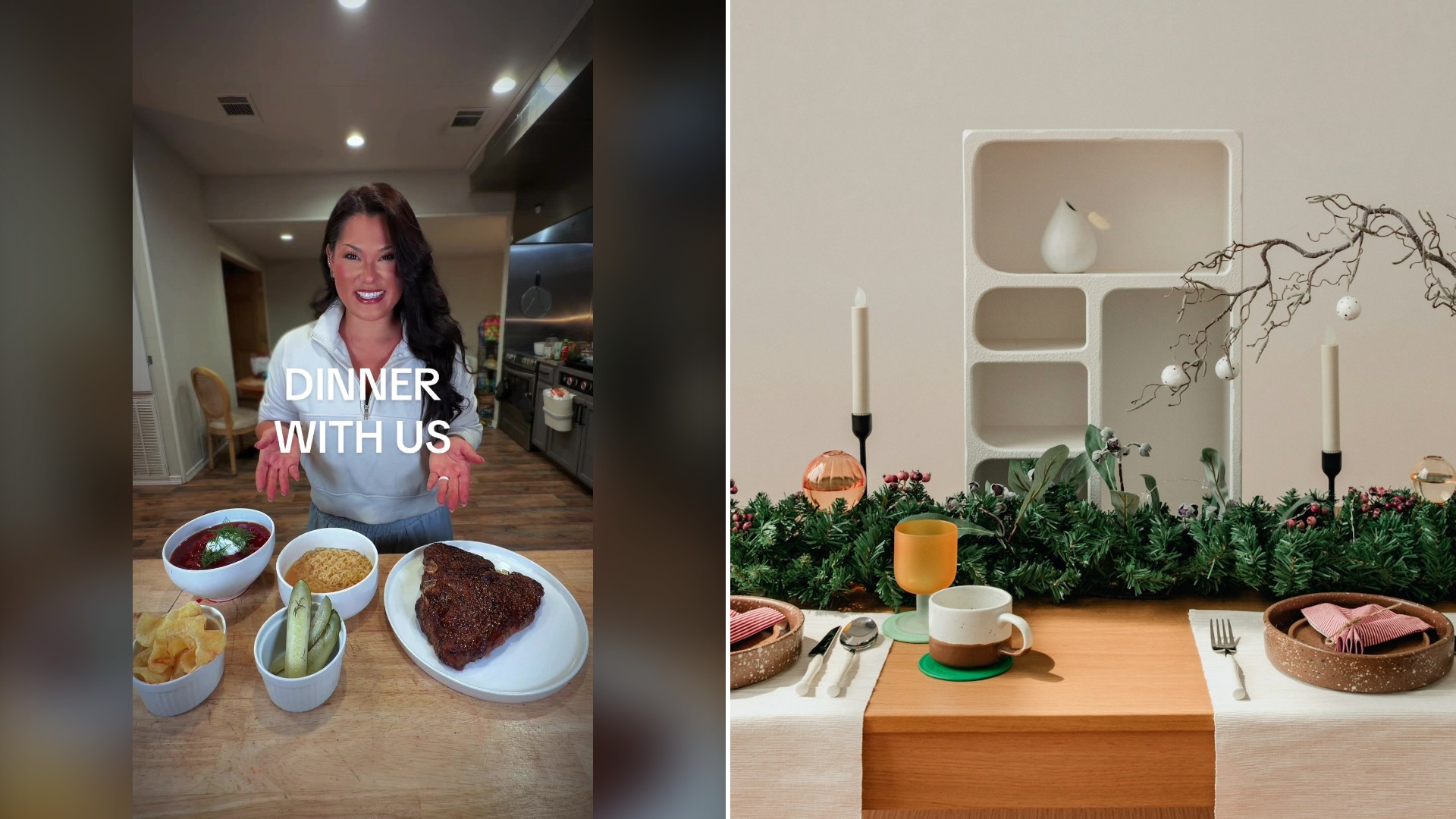
The video has struck a nerve with parents in particular, many of whom recognize the underlying reality immediately: feeding a household with multiple, often conflicting food preferences rarely looks like the tidy, one-meal-fits-all dinner table often depicted in cooking shows. Instead, it frequently looks exactly like this, a parent juggling several separate dishes at once, each tailored to a different set of tastes, allergies, or stubborn refusals.
@erica_sherwood
Picky eating among children is extremely common, and it is not simply a matter of stubbornness. Pediatric feeding specialists note that food preferences in young children are shaped by a mix of developmental stage, sensory sensitivity, and the simple fact that trying new foods carries a built-in element of risk for a child, texture or flavor that does not match expectations can feel genuinely unpleasant rather than just unfamiliar. That reality puts parents in a difficult position: push too hard and mealtimes can become a battleground, but cave entirely and dinner can spiral into exactly the kind of multi-dish marathon shown in the video.
There are, fortunately, strategies that can reduce the workload without requiring every family member to eat the exact same thing. One widely recommended approach is building meals around a shared base, a protein, a starch, a vegetable, prepared separately but drawing from the same core ingredients, so that even if the final plates look different, the shopping list and prep work overlap significantly. Another common tactic is designating one or two nights a week as “build your own” meals, like tacos or a grain bowl, where each family member can customize their own plate from a shared spread of components, cutting down the number of entirely separate dishes a parent has to manage.
There is also a time-management angle worth highlighting for any parent facing a similar nightly juggling act. Batch-prepping components that show up across multiple versions of dinner, a pot of rice, a tray of roasted vegetables, a base sauce that can be adjusted for different palates, can meaningfully cut down the total cooking time even when the final plates diverge sharply. The goal for most overwhelmed parents is not necessarily eliminating the variety entirely, but finding ways to prep efficiently enough that cooking several versions of dinner does not have to mean several times the total effort.
What ultimately resonates about the video is not the chaos itself, but the underlying care it represents: a parent willing to put in the extra effort night after night so that every person at the table, however particular their tastes, ends up with something they will actually eat.
More from Cultivated Comfort
- Food Vlogger Says His Local Friends Laughed at a Mexico City Stall Selling Hand Made Dinosaur Quesadillas, Then Calls the Chicharron Prensado Filling Absolutely Insane
- Man Filming Inside Costco Says a $330 Disneyland Bundle With a Two Day Park Hopper, a Lightning Lane Pass and a $60 Dining Credit Saves a Family of Four $980, Then Shows the Math
- Traveler Opens a Video by Calling Serbia Dangerous, Then Admits in the Caption It Is Satire and Shows a $1 Bakery Pastry, a Plate of Cevapi and a Riverside Bike Ride