A can of soda is one of the simplest products in the grocery store. It has a number on the side, 12 ounces, and you expect to get that much every time. So when @brianne.jordan picked up two cans that felt strangely light, she did what a lot of curious shoppers would do. She measured them.
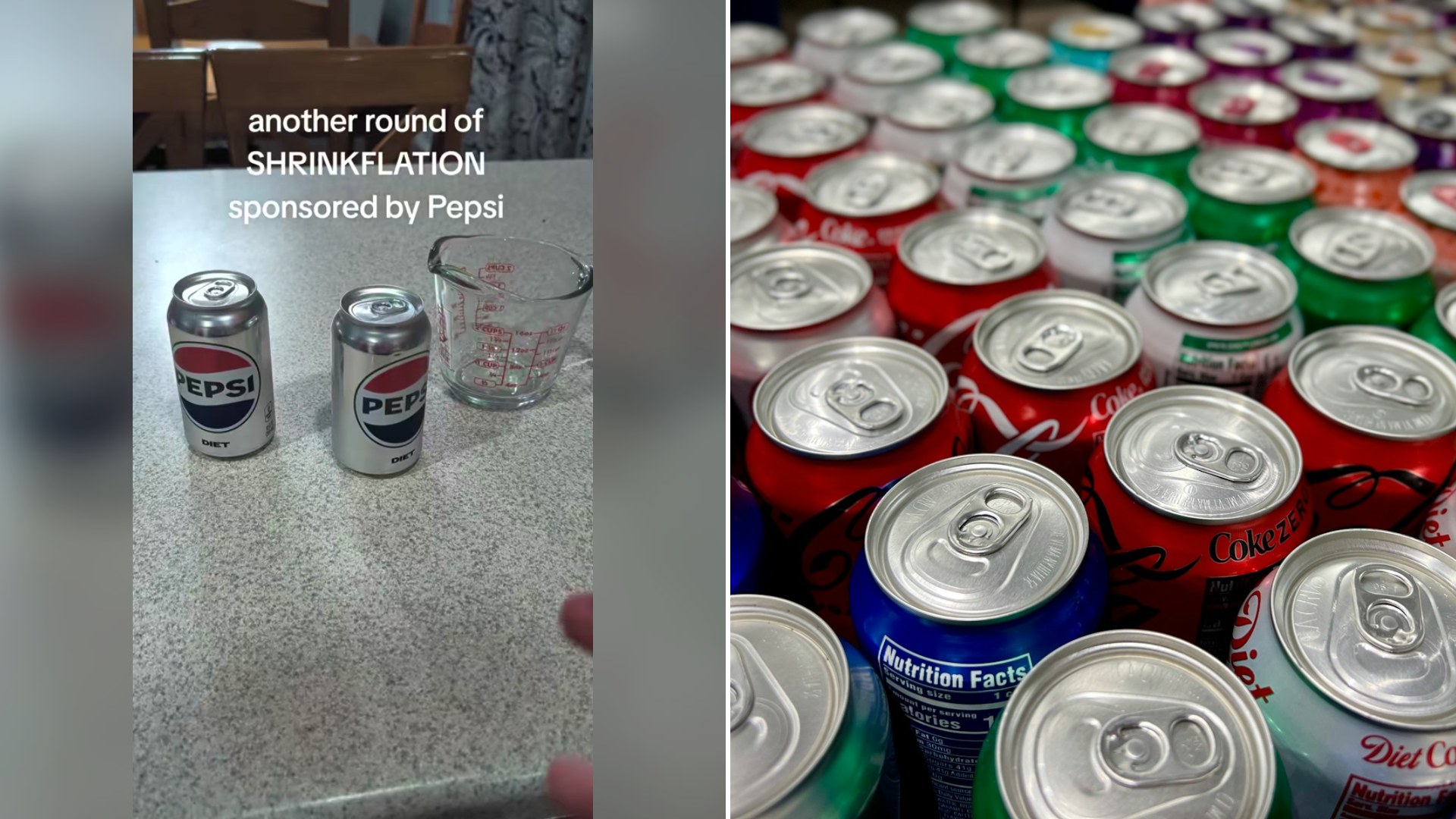
“Okay, these feel super empty,” she says as she gets started. “We are going to figure out how many ounces are in here.” Each can is supposed to hold 12 ounces. What she found was far less than that.
@brianne.jordan
Measuring two cans that felt wrong
She starts by pointing to where the level should reach, saying it should be up to a certain line, and noting that the can is nowhere near it. Then she moves on to a second 12 ounce can and gets the same result. After measuring both, she sums up what she sees: together, the two cans hold 24 ounces of soda in theory, but “more like 10 ounces” in reality.
That would mean each can held only around five ounces, or less than half of what the label promises. Her caption leaves no doubt about how she felt. She tagged Pepsi and Costco Wholesale, asking whether they knew customers were being shortchanged, and wondering what exactly was going on.
The update that changed the story
This is where the story gets more interesting. After the post took off, she added an update to the caption. She says she now thinks the commenters are right that it was a manufacturing error. Their theory is that the cans were filled with syrup and the rest of the soda was never added. She makes a point of saying that they did not tamper with the cans in any way.
Even so, she still wants the company to do better. In her words, “Do better with your quality control, Pepsi.” That is a fair and measured way to put it. She is not claiming the company shrank its cans on purpose, and she is not calling it a scam. She is saying that a mistake like this should not make it to the store shelf.
It is a good lesson in how a story can change as more information comes in. What began as a question about whether customers were being shortchanged turned into a better explanation, thanks to people in the comments who know how drinks are made.
How a can of soda gets filled
Many soft drinks are made by combining a flavored syrup with carbonated water, either at the bottling plant or through a mixing system that fills the can in stages. When everything works, each can gets a precise amount of liquid. When something goes wrong, such as a missing ingredient or a filling head that fails to dispense, a can can end up with the wrong contents. Bottlers use sensors and weight checks to catch these mistakes, but with the huge number of cans produced every day, a rare one can slip through.
That fits what commenters suggested here, though it is a theory rather than a confirmed finding. We cannot say for sure what happened inside those two cans. What we can say is that a can that feels unusually light, makes a different sound when shaken, or looks wrong when opened is worth a second look.
Packaged drinks sold in the United States must state the net contents on the label, and producers test samples from their lines to make sure cans meet that figure. A single can that falls far short is therefore an exception, not a sign of a new standard. That is a helpful distinction, because it separates a one-time production slip from the slow, quiet downsizing that shoppers often call shrinkflation.
What to do if a can seems off
If you ever open a can or bottle and something does not seem right, these steps are sensible:
- Do not drink it if the contents look or smell unusual. A product made without a key ingredient may not taste or behave the way you expect, and it is not worth the risk.
- Keep the can. The bottom or side usually has a code and date that identifies where and when it was made. This is the information a company needs.
- Take photos or a short recording. Show the label, the code, and what you found, ideally with a simple measurement like she used.
- Contact the manufacturer. Most drink makers list a customer service number or website on the package, and they often replace or refund a product that was clearly made wrong.
- Tell the store. Retailers, including warehouse clubs, generally take quality complaints seriously and may let you return or exchange the product.
- Check the rest of the pack. If you bought a case, look at the other cans and let the company know if more than one is affected.
Reporting a problem early also helps the maker trace the batch, which protects other shoppers who may have picked up cans from the same production run.
Why this struck a chord
People are on high alert about getting less for their money, and a half-empty can fits right into that worry. It is also easy to picture, which is why the post spread. But the best part of this story may be how it ended. The creator listened to others, updated her post, and said plainly that she did not know the whole answer.
Sharing an update when the facts change takes some humility, and it earns trust. That is a sensible way to approach any surprising find. Measure what you can, share what you saw, and be ready to learn more. And the next time a can feels lighter than it should, you will know exactly what to do.