

Candy is supposed to be the simple pleasure in the cart, which is why a smaller treat stings more than most price changes. A shopper who posts as @jaylyinn held an Airheads candy up for the camera and asked a question that more than 1.1 million people have now played and about 1,600 have commented on: why is this size being treated as normal?
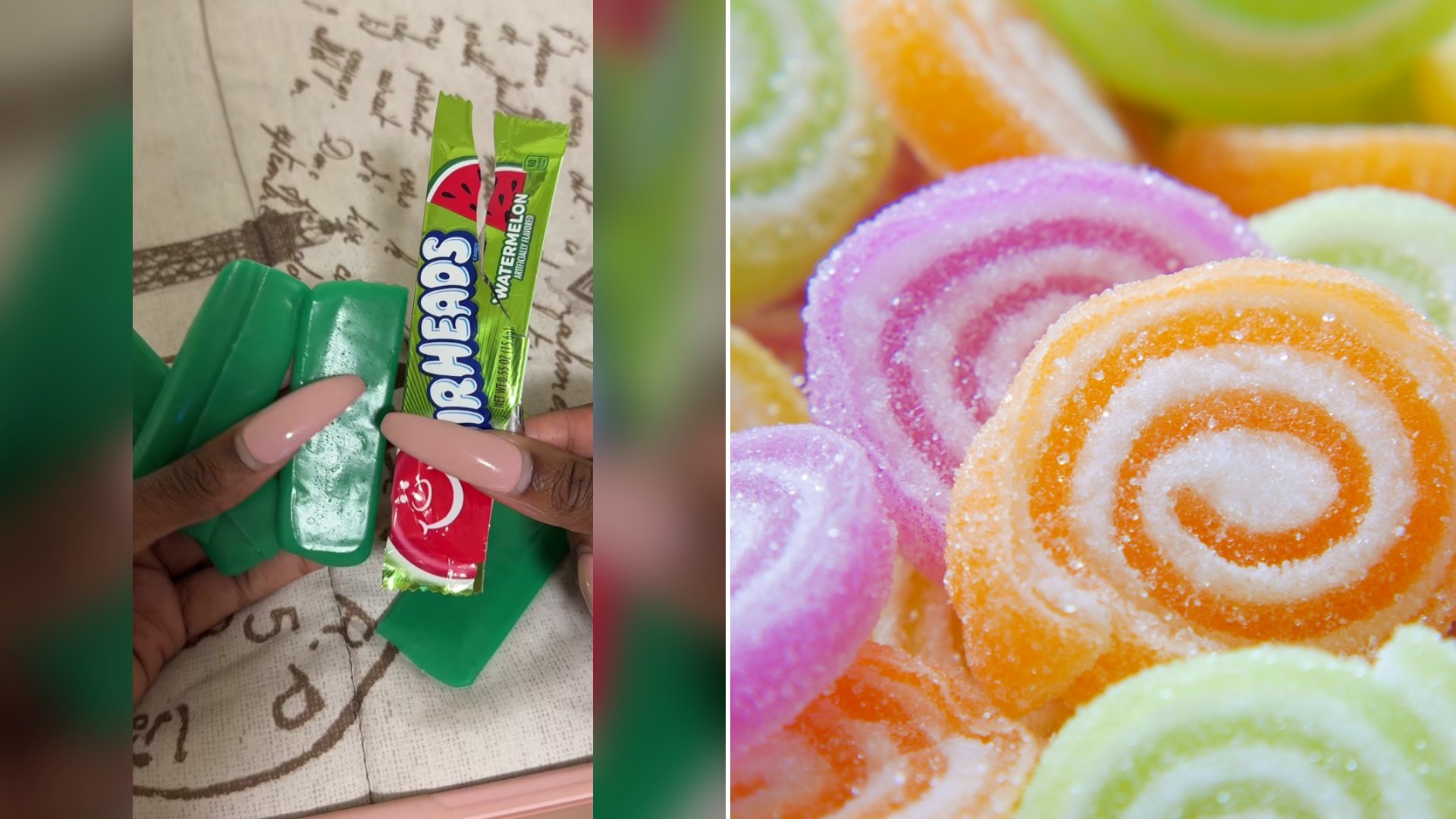
She tagged the company right in her caption, asking what this is, and added the shrinkflation hashtag so nobody would miss her point.
@jaylyinn
What she asked
The post runs a little over a minute, but the words themselves are short and repeat the same worry. She starts with, “Why is this normalized?” and then says this is the size the bites used to be, naming the bite size area of the candy. She asks the audience whether they can see it too, and wonders out loud whether it is supposed to be the length of her finger. She ends by inviting everyone to tell her what they think.
She does not give a price, a store, or an exact before and after measurement, so there are no numbers to quote from her. What she offers is a comparison anyone can understand: a piece of candy next to a finger, and a feeling that it used to be much bigger. We cannot confirm the older size from her words alone, but the frustration behind it is easy to follow, and it is shared by a lot of people who grew up with these treats.
Candy is big business, and every ounce counts
Americans spend a lot on sweets. The National Retail Federation’s 2026 Halloween survey projects $4.1 billion on candy this season, with 96 percent of consumers planning to buy sweets. When that much money moves through the candy aisle, even a small change in bar size adds up fast for the companies and for families.
The government has been watching this kind of change for years. The Bureau of Labor Statistics explains that its data collectors record the weight and size of products, and when something shrinks at the same price, the price per ounce rises. One of its examples is gummy candy: a manufacturer may cut an organic bag from 4.5 ounces to 4 ounces while another version of the same product stays the same size. That is a drop of about 11 percent in what you get, with no obvious sign on the front of the bag.
The U.S. Government Accountability Office adds that downsizing is typically not disclosed on packaging, and that shoppers tend to react less to a smaller product than they do to a price hike. Its review of seven product categories found downsizing touched less than 5 percent of items overall, but products that people buy often were more likely to be affected.
Why it feels worse with candy
With a bag of flour or a bottle of detergent, many of us never think about the exact size. Candy is different, because we remember it. A bar that fit a certain way in your hand, a bite size piece that was a real mouthful, or a pack you shared with the kids has a shape in your memory. When that shape changes, you feel it even if you cannot name the ounces.
That is also why the finger comparison works so well. You do not need a scale or a label to see that something looks smaller than you recall. The weight on the wrapper is still the official answer, though, so it helps to turn the feeling into a fact you can check.
How to check a candy you love
- Find the net weight. It is printed on the wrapper or bag, usually along the bottom of the front. Write it down or snap a photo for later.
- Compare the price per ounce. Divide the price by the ounces. A candy that looks cheap but weighs very little can cost more per ounce than a bigger bag.
- Watch the count. Packs of individually wrapped candy sometimes list how many pieces are inside. Fewer pieces for the same price is another way the pack can shrink.
- Try a bulk or multipack option. Larger packs often have a lower cost per ounce, though always check the shelf tag to be sure.
- Contact the maker. If you want an answer about a size change, the customer line printed on the package is the place to ask.
Parents and grandparents can use the same trick with kids. Let them read the weight on the wrapper and work out which candy gives the most for the money. It turns a trip down the candy aisle into a small math lesson, and it teaches children early that the size of a package is only part of the story. A bar that looks bigger in the wrapper is not always heavier, and a pack that costs a little more may hold a lot more candy.
The takeaway
One shopper with a piece of candy and a finger has sparked more than a thousand comments, which tells you plenty about how closely people watch the things they love. Companies sometimes say that costs went up and the size changed to keep the price steady. Whatever the reason, shoppers have every right to ask, and to read the label before they decide whether the treat is still worth the price. Next time you reach for your favorite candy, take a second to look at the weight. It is a small habit that keeps the sweet things in life from costing more than they should.
