When a pantry staple changes, the people who rely on it notice first. A shopper posting as @lady.bug575 put it in a very short post that has now collected about 1.2 million plays and more than 640 comments: the bread got smaller, and now something that used to work with it no longer does.
It is a small complaint on the surface, but it landed with a lot of people. Bread is one of the most ordinary things in the cart, and even a slight change shows up every morning at the toaster and every noon at the sandwich counter at home.
@lady.bug575
What she said
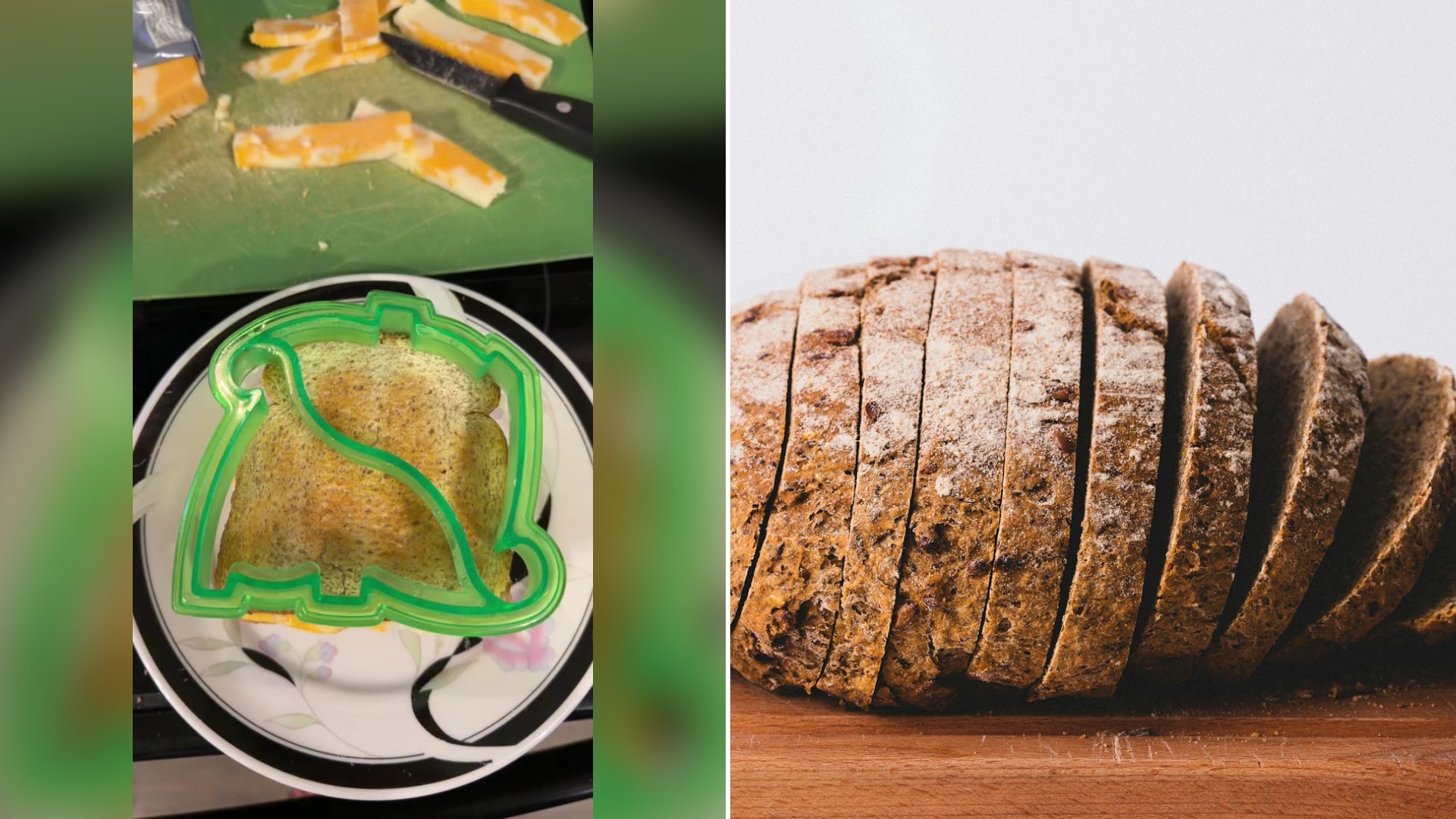
This is a quick clip of about twelve seconds, and there is no caption beyond the video itself. She opens with one word: shrinkflation. She then says this used to go through bread, and that now the bread has been made smaller and she cannot even use it. The automatic captions on that line are a little garbled, so we cannot say exactly what she was using with the bread, and she does not name the brand in what she says. What is clear is her point. Something that worked before no longer fits, and she blames smaller bread.
That is a useful reminder that shrinkflation is not only about how much is in the bag. It can also change how a product works in your kitchen. A smaller slice may not cover a sandwich the way it used to, may not hold up to a thick spread, and may leave you needing extra slices to make the same meal.
Is this a big problem or a small one?
The honest answer is that it depends on the product. The U.S. Government Accountability Office looked at seven categories of common household goods and found that downsizing affected less than 5 percent of the items it examined. But the same review found that popular items people buy often were more likely to be downsized, and that when a product did shrink, the price per unit rose anywhere from 12 percent for paper towels to 32 percent for coffee.
Statistics Canada took a similar look at groceries and reported that 29.6 percent of eligible grocery items in its price index shrank between 2021 and 2023, with the peak coming in 2022. Their list of most affected foods included cookies and crackers, cereal, and cheese. Bread was not named in the part of the report we reviewed, so we will not claim it was on the list. The point is simply that smaller packages have been showing up across the grocery store.
The Bureau of Labor Statistics explains that when a package shrinks and the shelf price stays the same, the price per ounce goes up. For toilet paper, it counts the price per sheet, so a roll that drops from 220 sheets to 200 at the same price counts as a 10 percent increase. The same thinking works for bread. If your loaf has fewer ounces, or smaller slices, you are paying more for each sandwich.
Bread is also easy to miss because it is usually sold by the loaf, not by the pound. A loaf that loses a couple of ounces still looks like a loaf, and the shelf price may not move at all. That is why comparing the weight on the label from one trip to the next is the most reliable way to catch a change, even when the bag looks the same.
How to spot a shrinking loaf
- Check the weight on the bag. The net weight is printed on the package. If you buy the same loaf every week, take a photo of the label so you can compare later.
- Count the slices. Fewer slices at the same price is another way a loaf can quietly get smaller, so look at the count if it is listed.
- Use the unit price. The shelf tag usually shows a price per ounce. More than a dozen states and territories require it, according to the GAO.
- Look at the shape. Slices that are shorter or thinner than the ones you remember, or a loaf that sits lower in the bag, are easy clues to look for.
What you can do about it
If your favorite bread no longer fits your routine, you have several options. You can try a different brand that sells a bigger loaf for the same money, or move to a store brand and compare the price per ounce. You can ask the bakery department whether they offer a larger loaf or a sandwich size. Some families buy two loaves when they are on sale and keep one in the freezer, then pull out slices as needed. Freezing is a good way to stretch a bargain and to avoid waste if you do not eat a whole loaf before it goes stale.
You can also tell the company. The phone number or website on the package is meant for exactly this kind of feedback. A short note that you bought the loaf for a certain purpose and it no longer works gives them a direct reason to look at the change, and companies do track what customers say.
Why a tiny clip hits a nerve
With more than a million plays on just a few seconds of talking, this clip shows how many shoppers feel the same way. People are not asking for miracles. They want to know that a loaf, a bag, or a bottle they have bought for years will be what they expect when they get it home. Until labels are clearer, the best defense is the habit of checking the weight and the unit price every time, even on the things you think you know by heart.