Some shoppers complain about a snack bag. Others decide to prove it. A snack fan who posts as @tonamimalo went with the second approach, and the result has been played about 551,000 times with nearly 600 comments. His test was to take a bag of Hot Fries and see whether it would fit inside another bag. It did.
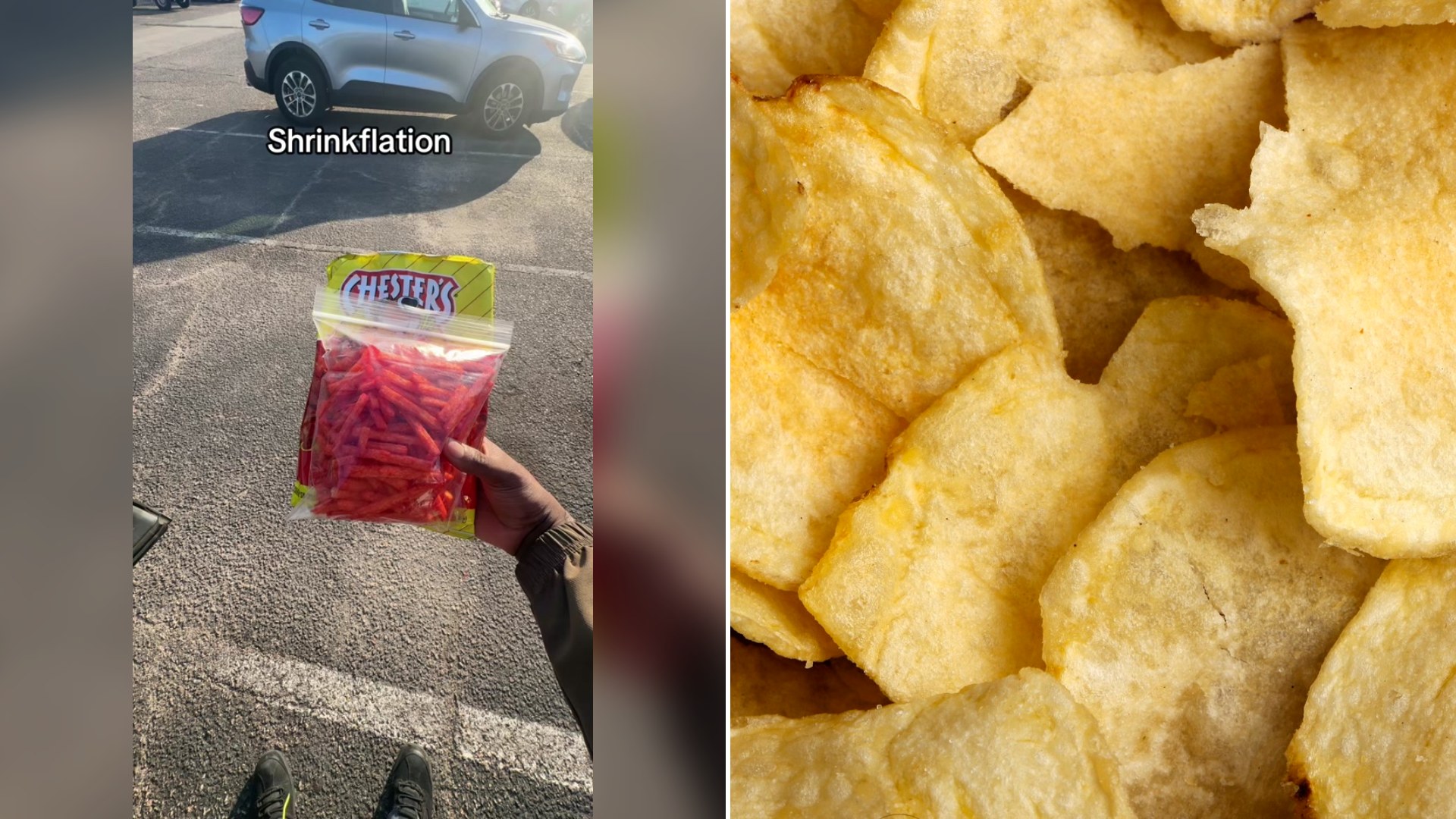
The caption on his post says he is not buying them anymore, and the words he speaks say the same thing with a little more heat.
@tonamimalo
What he said
The clip is only about twelve seconds long. He starts by saying he has finally proved it: the companies, in his words, are shortening the bags. He then says the whole bag fit inside the whole other bag, and he points out that the bag cost $3. His voice makes it clear he does not think the bag is worth that much, and he ends by saying the price is ruined. In the caption he says he is not buying them anymore.
It is worth being clear about what the post shows and what it does not. He does not give the weight of either bag, the store where he bought them, or the date, so we cannot say how much smaller the newer bag is or whether the older bag held more. What he does show is a simple visual test that anyone can understand: one bag of chips sits comfortably inside another. For a lot of shoppers, that picture says more than a number on a label.
Why snack bags are so full of air
Before you swear off your favorite chip for good, it helps to know why bags look this way. Bags are filled with extra space as a cushion so the chips do not turn to crumbs during shipping. They are also filled with nitrogen rather than regular air, because oxygen can spoil the oil in the chips and moisture makes them soggy. Nitrogen is harmless and makes up about 78 percent of the air we breathe anyway.
Snack makers also sell by weight, not by volume. The Fair Packaging and Labeling Act of 1966 requires the package to state its net weight. So a bag can be big and mostly air and still carry an honest weight on the front. The complaint from many shoppers is that a puffed up bag can make it look like you are getting more than you are.
What the numbers say about snacks
Shrinking snack packages are a documented trend. The Bureau of Labor Statistics explains that it tracks size changes closely, and that a smaller package at the same shelf price shows up as a higher price per ounce. Its examples include snack packs that fell from 4.5 ounces to 4.25 ounces and an 8 ounce bag that fell to 7.5 ounces. Run the math on that last one: you lose half an ounce, which is roughly 6 percent of the bag, but the price on the shelf stays put.
The U.S. Government Accountability Office reviewed seven categories of household goods and found that downsizing affected less than 5 percent of the items it looked at. But for the products that did shrink, the price per unit went up between 12 percent and 32 percent depending on the category. The GAO also noted that these changes are usually not announced on the package.
How to test your own snacks
- Do the bag test, but trust the scale. Fitting one bag into another is a fun way to see how much air is inside, but the net weight on the label is the real measure. Compare the ounces on the old bag and the new one.
- Keep an empty bag. If you buy the same snack every week, hold on to one wrapper for a month and compare it with the next bag.
- Check the unit price. A $3 bag with fewer ounces can cost more per ounce than a $4 bag with many more. The shelf tag does the math for you.
- Look at the size options. The biggest bag is not always the best deal, and sometimes a mid size comes out cheaper per ounce.
- Try the store brand. Many stores sell a similar spicy chip for less.
Smart habits for snack lovers on a budget
If you keep a snack habit going in a busy household, a little planning goes a long way. Decide before you shop how much you want to spend on snacks each week, and look at the price per ounce rather than the sticker price. Watch for sales on the sizes you buy most, and stock up when the unit price is low, as long as the snack keeps well and you will eat it before it goes stale. Once a bag is open, clip it shut or move the contents to a sealed container so the chips stay crisp. Small steps like these protect your budget, and they also protect you from the disappointment of paying full price for a bag that is mostly air.
When the price stops feeling right
There is no rule that says you must keep buying a snack when it stops feeling like a fair deal. The creator in this post decided that three dollars was too much for what he saw, and he said so. Other shoppers will decide differently, especially if they love the flavor. Either way, a few seconds with the label, the shelf tag, and your own sense of what the snack used to be can keep your grocery money working for you. Treat the bag as a promise written in ounces, and hold the company to it.