

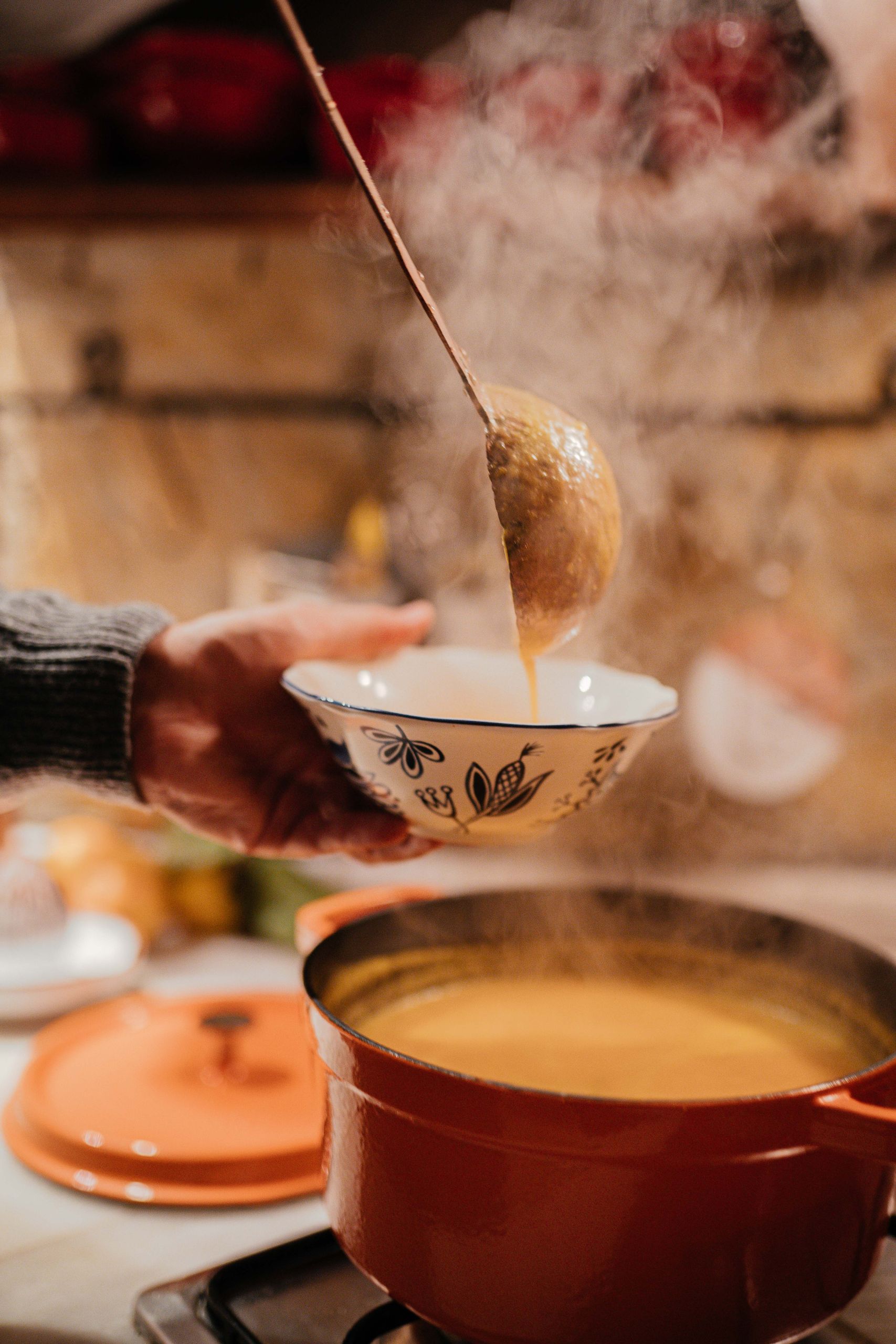
Meal-replacement soup demand rose 18 percent year-over-year, according to food-trend tracking firm Tastewise, and it happened before autumn’s first real cold snap ever touched most of the country. Broth-based soups are now growing at roughly twice the rate of cream-heavy varieties, single-serve formats are up 15 percent, and soup content tied to health and recovery has climbed 24 percent. Meanwhile, the newest IFIC Food & Health Survey found that convenience outranked healthfulness as a reason Americans buy food for the first time in the survey’s 21-year history. Neither trend is really about the calendar. Soup, it turns out, has stopped waiting for permission from the weather.
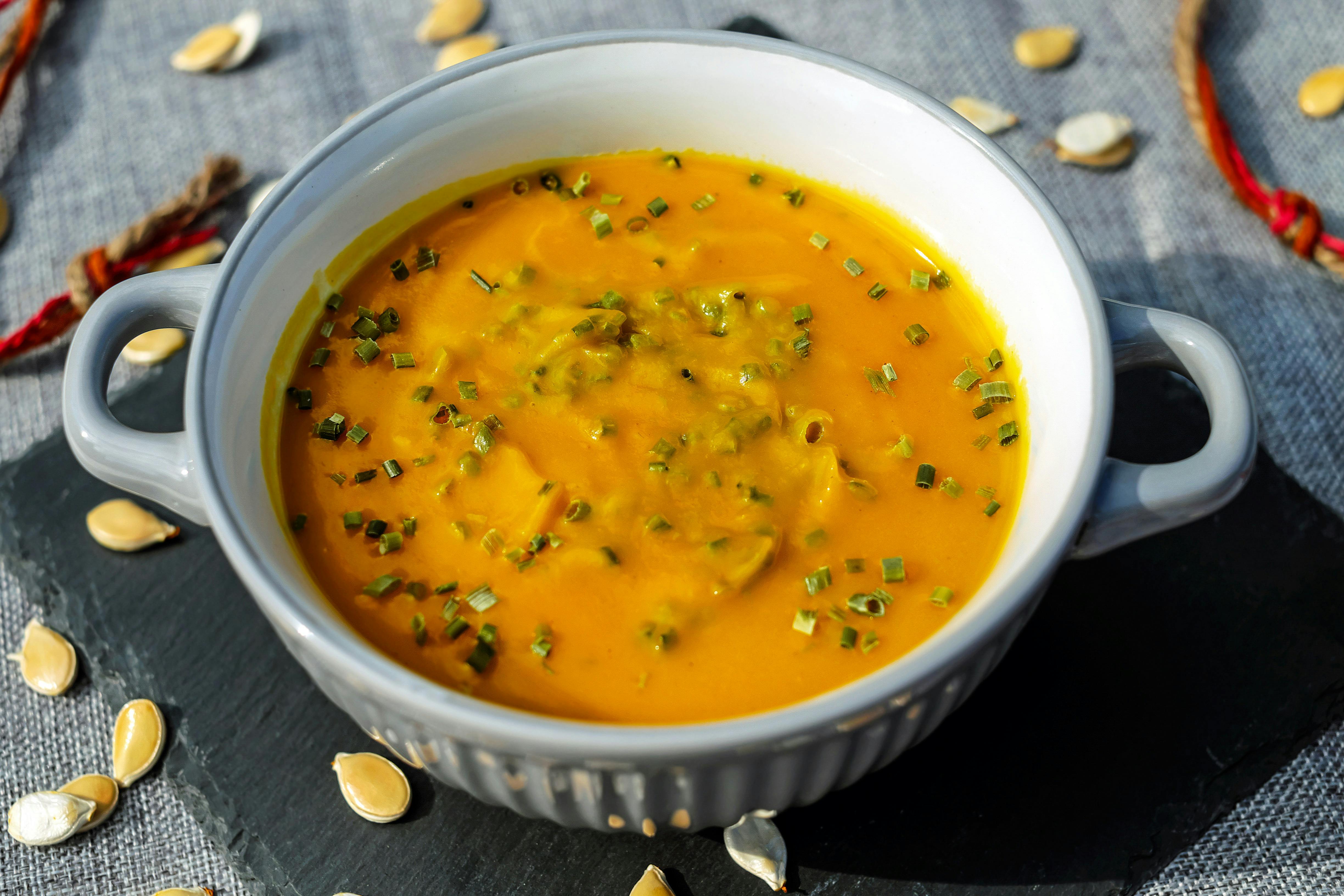
The Numbers Behind an Earlier Craving
Tastewise pulls its data from millions of online food conversations, menus, and retail signals, and its most recent soup category report paints a specific picture rather than a vague one. Meal-replacement soup usage is climbing fastest, which suggests people aren’t reaching for soup as a side dish anymore so much as an actual dinner. Broth-based options outpacing cream-based ones by roughly two to one also breaks from soup’s old reputation as a heavy, butter-and-flour comfort dish. Consumers seem to want the warmth and the ritual without the density, and that’s a meaningfully different craving than the one that used to define soup season every October.
Convenience Quietly Took Over From Health
The 2026 IFIC Food & Health Survey, released by the International Food Information Council, found that 61 percent of respondents now cite convenience as a factor shaping their food choices, compared with 56 percent who cite healthfulness. Taste still leads at 88 percent and price at 78 percent, so nobody is trading flavor for speed outright. But this is the first time in 21 years of the same annual survey that convenience has beaten health, and soup sits at an unusually good intersection of both categories. A single-serve cup of broth-based soup checks the convenience box on a busy weeknight, and because “fresh” is now the leading criterion Americans use to judge whether food counts as healthy, at 40 percent in the same survey, a soup built around vegetables and shredded protein still reads as a legitimately healthy choice even when speed is the real reason someone bought it.
Soup Has Become a Weekday Habit, Not a Season
Coverage built on that same Tastewise data set, including reporting from Food & Drink Life, found that autumn’s share of seasonal food demand signals actually fell 8.6 percent over the past year, while cold-weather demand signals overall climbed 11.5 percent and weekday seasonal eating specifically rose 14.4 percent. That combination sounds contradictory until you separate “autumn” the marketing season from “cold weather” the actual behavior driver people respond to. Shoppers are craving soup on ordinary Tuesdays regardless of what the calendar says, which is why the spike now shows up in late-summer search and menu data instead of waiting for pumpkin displays to appear in stores. Flavor preferences are shifting alongside the timing: Indian-inspired soups account for 21 percent of global flavor references in soup discussions and Japanese references sit at 20 percent, both now ahead of Italian and American profiles, which each sit under 10 percent. The intensity people want has also jumped sharply, with references to intense flavor cues up 256 percent, depth up 110 percent, and stacked, layered flavor combinations up 121 percent in the same Tastewise data set. That’s a very different soup than the mild, restorative bowl most people picture when they hear the word.
Retail and Restaurants Are Reading the Signal Differently
Tastewise’s channel breakdown shows soup performing best at retail as a solo lunch or early-dinner occasion, while restaurants still mostly treat it as an add-on or bundled side rather than something diners order on its own. That gap matters for anyone trying to predict where the earlier-arriving craving actually shows up first. Grocery shelves and meal-kit services can react to a demand shift within a single ordering cycle, while restaurant menus tend to move on a seasonal or quarterly schedule, which means the retail data is very likely the more honest early warning sign of where appetite is actually heading before menus catch up to it.
What the Craving Actually Signals
None of this means soup lovers imagined their early cravings this year. The data backs them up on that point directly. What’s shifted is the reason behind the craving: less a reaction to the first cold morning and more a response to a routine that rewards something warm, portable, and quick to make on a random Wednesday in late August. Restaurants and grocery brands that still treat soup as a strictly seasonal menu item are increasingly out of step with when people actually want it, while the ones tracking Tastewise’s own numbers are already stocking broth-based, single-serve options weeks before the leaves turn. Soup didn’t get more popular this year so much as it got released from waiting for the weather’s permission.
