Plenty of shoppers have grumbled that a can of chips looks less than full, but very few have gone as far as putting it on a kitchen scale. That is just what a shopper posting as @bettyspaghetti55 did with a brand new can of Pringles. Her minute long post has been played about 179,900 times and has collected more than 2,400 comments, which is a big conversation for a can of chips.
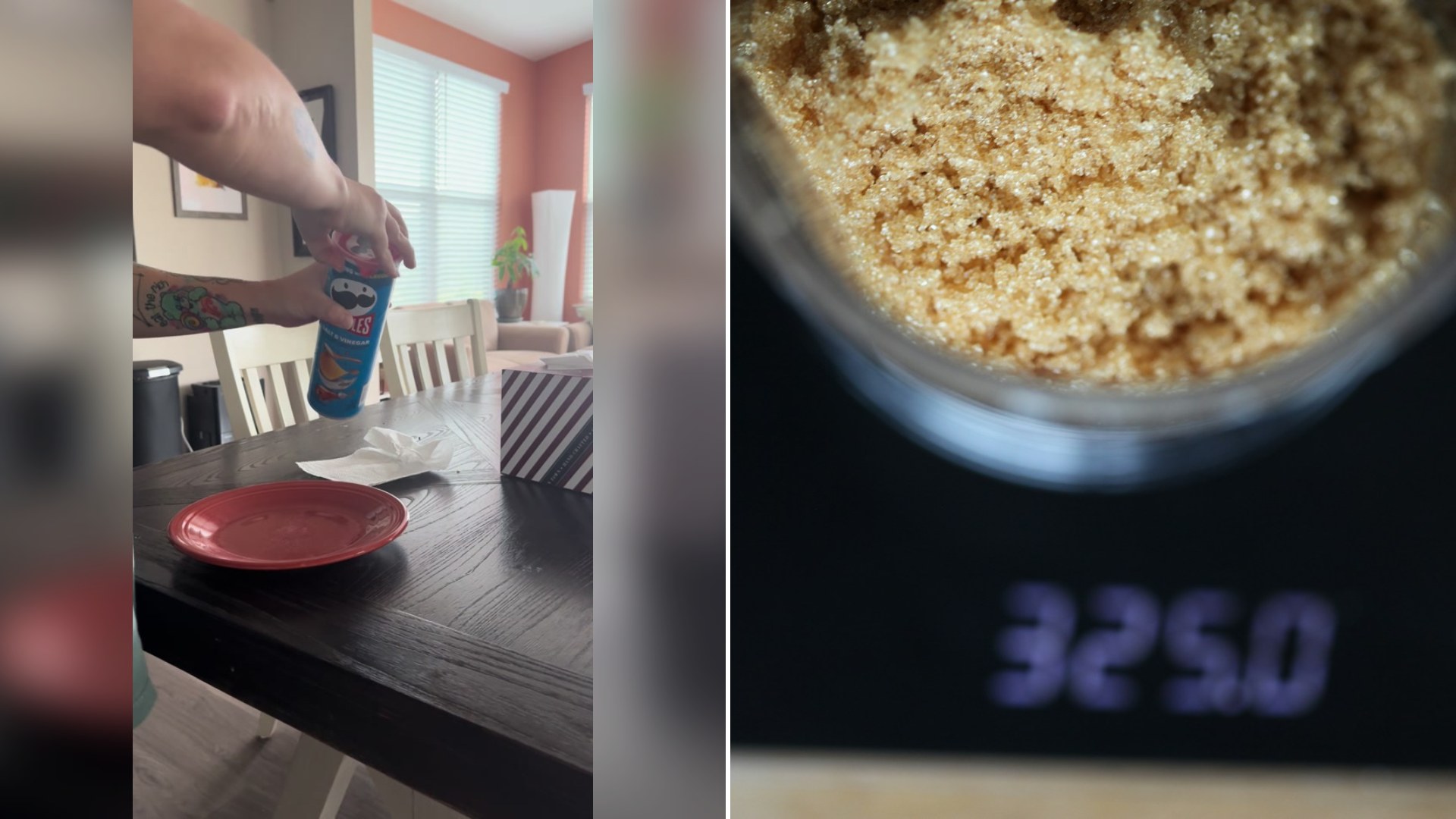
Her caption says shrinkflation has hit Pringles and tells the company they should be ashamed.
@bettyspaghetti55
What she did and what the scale said
She begins with a brand new, sealed can and reads the label out loud: 5.5 ounces. Then she opens it and says the can is not even half full. She calls the whole thing a scam. To check her own eyes, she weighs the chips, setting up the scale to read in ounces. If the label is right, she says, there should be 5.5 ounces. Instead, the scale shows 2.31 ounces. She ends by saying she wants her money back.
That is a striking gap, and it is what drew so many comments. It is also worth being careful about what the post proves. She does not describe the exact steps she used to zero the scale, or say whether the container was weighed along with the chips. A weighing test is only as good as the way it is done, and one can of chips does not tell us what is in every can. What we can say is that she reported 2.31 ounces on her scale against a label of 5.5 ounces, and that she asked for her money back.
How net weight is supposed to work
The number on a food label is the net quantity, which means the weight of the contents, not the package. Government inspectors have a standard guide for checking it: NIST Handbook 133, Checking the Net Contents of Packaged Goods. It is a procedural guide written mainly for government officials. It covers how to determine tare, which is the weight of the container, so that only the contents are measured. It also explains the idea of a maximum allowable variation, the limit of acceptable underfilling for an individual package. A package that is short by more than that limit is considered an unreasonable error, and the average contents of a lot must at least equal the amount declared.
The handbook allows for small changes caused by moisture, such as a product drying out or taking on humidity under ordinary conditions. That allowance is meant to cover ordinary exposure, not a very large shortfall. The way to find out whether a particular can is short is a careful check, ideally by someone trained to do it.
Why a can can look empty
It is common for food packages to have extra space inside to protect the product. That space acts as a cushion against breakage, and the package is sold by weight, which the Fair Packaging and Labeling Act of 1966 requires the label to state. But that explanation covers how much empty space is normal, not a shortfall in the weight. Space is one thing and weight is another, which is why a scale reading is so interesting to shoppers.
How common is shrinkflation?
When people see a result like this, they naturally wonder if it is part of a bigger pattern. The U.S. Government Accountability Office reviewed seven categories of household goods and found that downsizing affected less than 5 percent of the items it examined, though the products shoppers buy most often were more likely to shrink. Its review did not look at a particular chip brand. The Bureau of Labor Statistics adds that when a package gets smaller at the same price, the price per ounce goes up, and it counts that as a price increase. The difference in this case, if the number on her scale is right, would be much larger than the typical change those agencies describe.
If you want to check your own can
- Use a kitchen scale you trust. Set it to ounces or grams and make sure the display is accurate with an item of known weight.
- Weigh only the contents. Put an empty bowl on the scale, zero it, then pour the chips into the bowl. Do not include the can in the weight.
- Take a photo of the label and the scale. Keep the label, the lot code, and your receipt.
- Do not count broken pieces out. Crumbs still count toward the weight of the contents.
- Contact the maker. The consumer line on the can is meant for complaints, and a clear photo helps.
- Consider your state weights and measures office. That is the kind of agency that checks whether packages hold what the label says.
Day to day, the easiest tool is the unit price on the shelf tag. Compare the price per ounce of the can you like against other sizes and other brands, and remember that a taller or wider container does not always mean more food. If a favorite snack stops being a good value, you can always switch for a while and see whether the price or the size changes.
The takeaway
Whether or not every can matches her result, the post shows why shoppers are paying closer attention to the weight on the label. A kitchen scale and a few minutes can turn a hunch into a fact, as long as the test is done carefully. If you ever find a package that is far short of its label, keep the evidence, tell the company, and ask for a replacement or a refund.