

Most of us know the feeling of scanning a restaurant receipt and finding a line we did not expect. For @captain.t.roll, it was a charge she had never seen before, and she shared her reaction on social media in a short, pointed message about it.
@captain.t.roll
The Line Item That Stopped Her
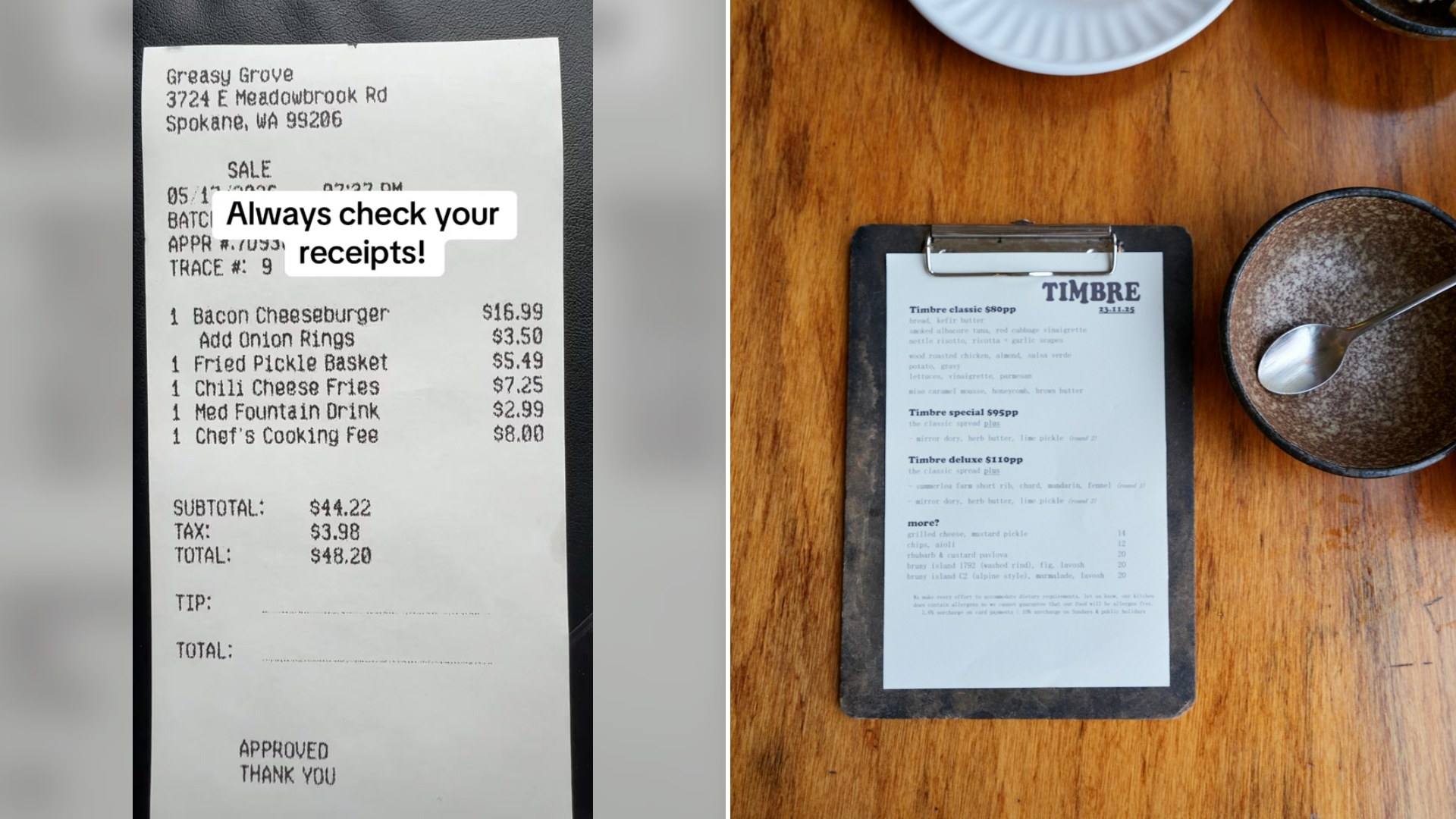
According to what she shared, the receipt listed something called a chef’s cooking fee. She described it as the wildest charge she has ever seen on a receipt, and she says it came to eight dollars. Her question was simple. Isn’t paying for the chef to cook the entire point of ordering food at a restaurant? In her words, the price of the meal is what pays for the chef to cook it.
She did not stay quiet about her plan, either. She said she would not be leaving a tip while she was being charged for what she considered nothing, and that whoever served her would have to take the tip out of the cooking fee, whatever that is. She did not name the restaurant in her message, so there is no way to know from her account how the charge was described on the menu or whether it was explained anywhere else in the dining room. What we do have is her view that it was an unwelcome surprise, and nothing from the restaurant about the charge.
Why Extra Fees Are Showing Up
Whatever the explanation was in this case, diners in many places have run into extra lines at the bottom of the check. In recent years, many restaurants around the country have added surcharges that go by different names. Some are described as covering rising food costs, some as supporting kitchen staff, and some as paying for employee benefits. Owners who add them generally say the goal is to keep menu prices from climbing while still covering higher expenses. Customers often respond that the price on the menu should be the price they pay.
Both sides of that argument have a point, and the practical question for you at the table is not who is right in the abstract. It is how to spot these charges before the bill arrives, and what to do if one surprises you.
How To Avoid A Surprise On The Check
The best time to deal with a fee is before you order. A little detective work at the start of the meal can save an awkward conversation at the end.
- Read the whole menu, including the fine print at the bottom or back. Restaurants that add a fee often mention it there in small type.
- Look for a note near the door, on the table or on a chalkboard. Some places post a notice instead of printing it on the menu.
- Ask your server up front, politely, whether the restaurant adds any service or kitchen fees. A friendly question like “Is there anything added to the check I should know about?” almost always gets a straight answer.
- Check restaurant websites and online menus before you go. If a charge is part of the policy, it is sometimes listed there.
- Compare the final price, not just the menu price. A dish that looks cheaper may cost the same as the next place once the fee is added.
What To Do If You Find One At The End
If the check arrives and you spot a fee you did not expect, take a breath before you do anything else. Your server almost certainly did not create the charge, and the person who rings it up is usually following the restaurant’s policy. A calm approach gets you much further than a sharp one.
Start by asking what the charge covers. You might say, “Can you help me understand this line on the receipt?” If the answer makes sense to you, you can decide whether to pay it and whether you will return. If it does not, ask whether a manager is available. Managers can explain the policy, point to where it was posted, or sometimes remove the charge as a courtesy. They cannot do any of that if they never hear about the problem.
It also helps to remember the difference between a fee and a tip. A fee set by the restaurant goes to the business, and how the business uses that money is up to the owners. A tip is the extra amount that rewards the person who served you. Many people feel strongly that a fee should not replace a tip, and others feel that a large fee already covers the staff. Either way, the decision about what to leave for your server is yours, and you can make it with full information once you know what the charge is for.
Keep the receipt and take a quick photo of it if you plan to follow up later. If you think a charge was not properly disclosed, a short, polite note to the restaurant’s owner or customer contact usually works better than a long argument at the table. You can also ask your credit card company about a charge you believe is wrong, though most issuers will want to see that you tried to resolve it with the business first.
Voting With Your Wallet
Sometimes the most effective response is simply to choose where to spend your money next time. If a restaurant’s pricing style makes you uncomfortable, there are usually other places in town that offer a similar meal with a clearer bill. Many diners now keep a mental list of the spots that price everything up front, and those restaurants often earn loyal regulars because of it.
For restaurant owners, the lesson is just as plain. Clear pricing builds trust, and trust brings customers back. A line on the receipt that people have to decode can leave a bad taste, even after a good meal. Guests are usually thinking about the food until the check arrives and makes them think about the bill instead.
For now, the takeaway from this short message is easy to carry with you. Read the receipt before you pay, ask about anything you do not understand, and decide for yourself what is fair to leave. That way the only surprise at the end of dinner is a good one, like the dessert someone slides across the table.
