Some reunions need very few words. In a short post from the sports page @athleteam, a soldier explains that he is about to surprise his mom, whom he has not seen in two years, and the rest of the story is told by the cheering crowd around him. The caption sums it up: “Her reaction is everything.”
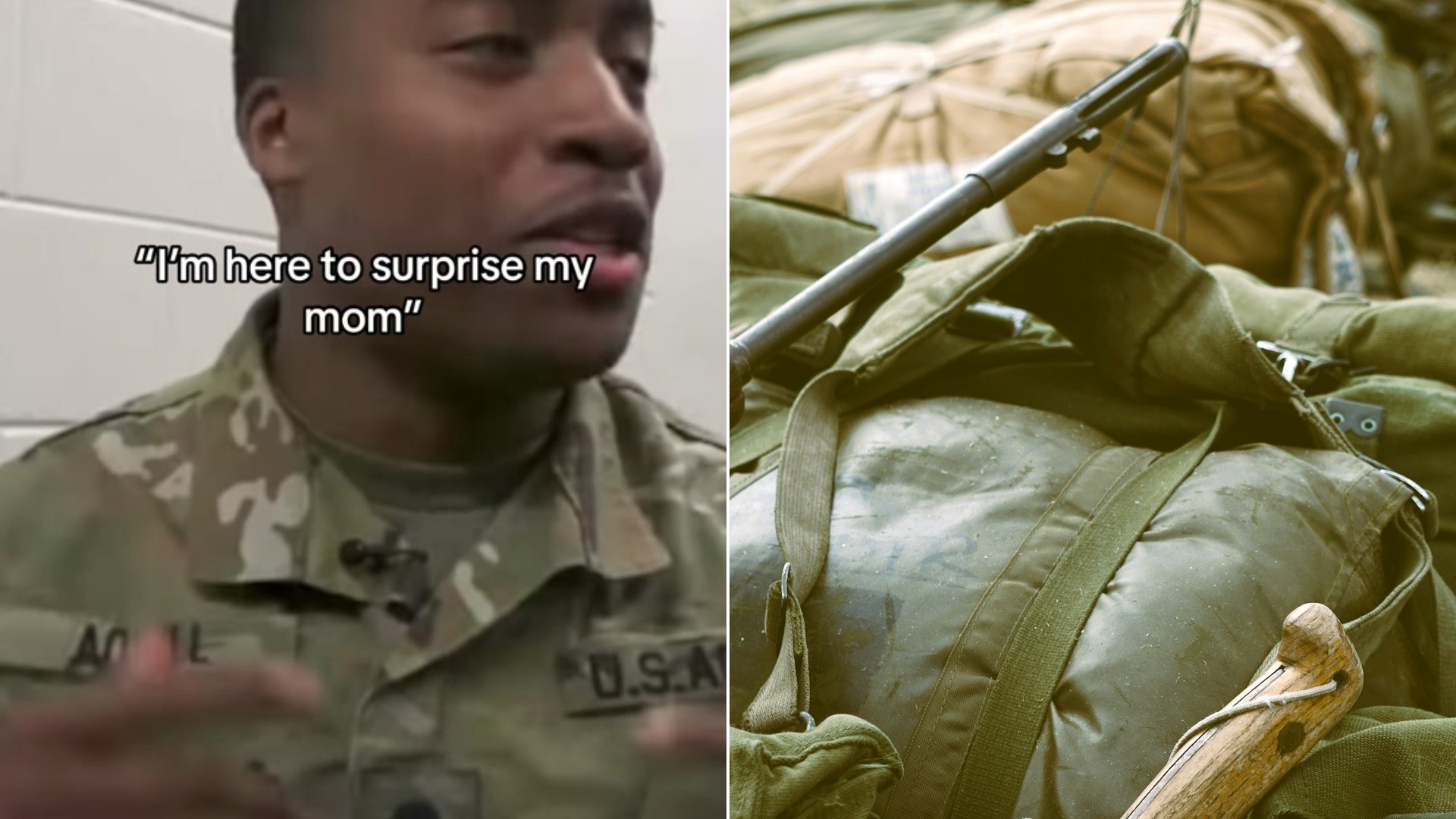
The audio is brief and partly drowned out by applause, so this story sticks to what he says and what the caption and hashtags tell us. He mentions that the surprise is “highly anticipated,” that he is glad to have had so much support, and that he is a little nervous.
@athleteam
What we know from the moment itself
The soldier says he has not seen his mother in two years, and that during that stretch he spent a year in Korea. That is a long gap for any family, and for a mom it can feel longer. He describes the surprise as exciting and says he was glad to get as much support as he did, which suggests that other people helped make it happen. After that, the audio gives way to a crowd cheering and applause, and the caption points to a big emotional reaction from his mother. The hashtags place it in a sports setting and call it emotional.
Nothing else about the moment is spelled out, so there is no way to say exactly what she said or did, and this article will not guess. What is clear is the way a room full of strangers joined in. Public homecomings tend to work that way. People who have never met the family still understand what two years apart means, and the applause is a quiet way of saying welcome home.
A year in Korea, explained
A year in Korea is a familiar chapter for many military families. U.S. service members are stationed there as part of the long-standing American presence in South Korea, and many soldiers have historically served a 12 month tour without their families. The Army has been adjusting those rules recently. According to an Army announcement on tour length changes, the “3-2-1 tour model” extends accompanied tours in Korea from 24 months to 36 months and sets unaccompanied tours at 24 months, with a 12 month family-restricted option for soldiers who are denied an accompanied tour because their commander cannot accommodate the request. The changes began phasing in on October 1, 2025, with full implementation expected by October 2027, and they apply to soldiers arriving after the implementation date, not to those already stationed there.
The soldier in this post does not say which branch he serves in or when his tour took place, so those rules are offered only as background for families who are wondering what a tour in Korea can look like today.
Planning a homecoming surprise that goes right
Seeing a surprise like this, many people wonder how to pull off one of their own. Here are a few practical points that families who have done it tend to agree on.
- Get permission first. If the surprise is at a game, a school event or a restaurant, talk to the organizers ahead of time. They can help with timing, a safe spot to stand and, if you are lucky, a microphone.
- Have one trusted person with the guest of honor. A relative or friend can keep Mom in the right place at the right time without giving anything away.
- Designate a photographer. Everyone wants to hug, so it helps if one person is assigned to capture the first few seconds. You will want it later.
- Think about her health and comfort. A big, loud crowd is wonderful for some people and overwhelming for others. A seat nearby and a bottle of water are small things that matter.
- Keep the schedule loose. Travel days for service members are unpredictable. Have a backup plan in case a flight is delayed or the timing shifts.
- Do not overplan the speech. The soldier here keeps it simple. A hug is the whole point.
Supporting a family while a loved one is away
Two years without a hug is a long time, and the people at home carry a lot during it. If a neighbor, church friend or coworker has a family member serving far from home, a few small habits go a long way.
- Check in on the same day each week. A short call or text with no agenda is easier to accept than a big offer of help.
- Mark the hard dates. Birthdays, holidays and anniversaries are when the distance stings most. A card or a small dinner on those days is appreciated.
- Offer something specific. “Can I bring you dinner Thursday?” is easier to say yes to than “let me know if you need anything.”
- Be ready for the return. Homecomings are joyful, and they also come with adjustments. A little patience for everyone involved helps.
Why moments like this land so hard
Much of the internet is made of quick jokes and passing clips, so a plain, happy reunion stands out. There is no trick here and no punchline. A soldier says he is a bit nervous, a crowd is on his side, and a mother is about to get the surprise of her life. Anyone who has waited at an airport gate or a driveway for someone to come home knows exactly what that feels like.
It is also a reminder that people who serve often come home to quiet, private celebrations that nobody films. This one just happened to take place in front of a cheering crowd. The message is the same either way. Time apart is hard, being together again is better, and a loud round of applause is a fitting way to say thank you.