

A family restaurant says it was praised to its face and criticized online, and the chef who helps run it decided to speak up. Chef @chefpapanyc posted a long response to a social media influencer who, the chef says, told the staff everything was great, ordered about $200 worth of food and cocktails, left a $6 tip and then published a review calling the food and service terrible.
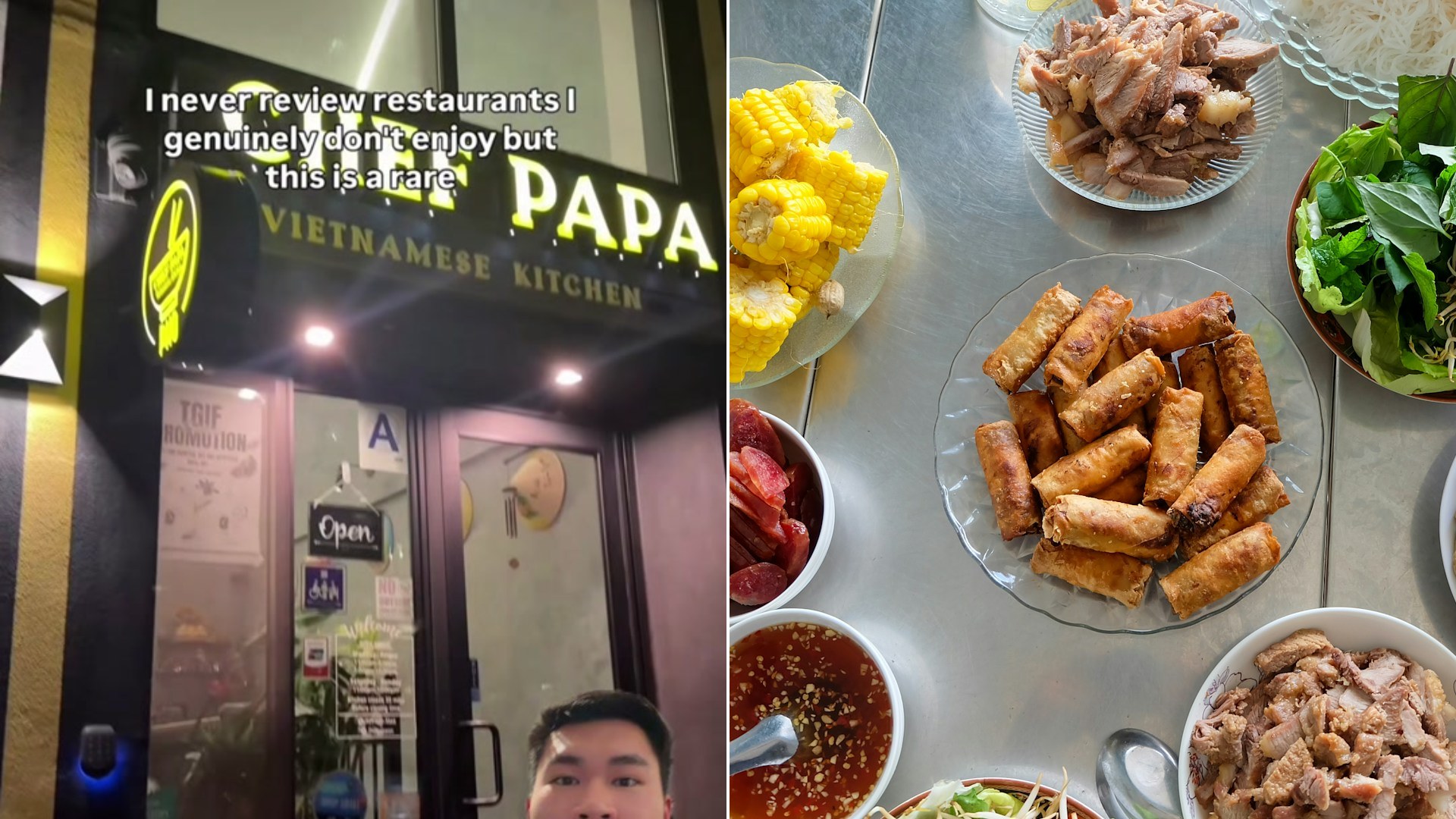
This is one side of a dispute, told by the person who helps run the business, and the influencer has not been named here. With that in mind, here is what the chef laid out and what it can teach anyone who eats out, posts about it or runs a small restaurant.
@chefpapanyc
What the chef says happened
According to the chef, the influencer finally posted a video featuring the restaurant. In it, the chef says, she described the restaurant as terrible: the food, the service and even the smell of the food. She said she left feeling very bad and that it was a valid review.
The timing is what bothered the chef. The influencer posted her review after the chef had already posted a video about her not honoring an agreement with the restaurant. The transcript does not spell out what that agreement was, so it is left there. The chef also points to a comment she left on that post, which she later deleted, that the chef says said much the same thing. Her stated reason, as the chef describes it, was that she did not want to mislead her followers because she believes in transparency. The chef found that hard to square with what happened at the table.
The account of the visit is simple. The restaurant asked how everything was, and the influencer told the staff that everything was great, the service was great and the food was great. Then she packed up everything to go. The chef says that came to about $200 worth of food for two people, plus roughly four cocktails, and that she left a $6 tip.
That works out to about 3 percent on a bill of that size, well under the 15 to 20 percent that is commonly left at sit-down restaurants in the United States. Whether the tip was calculated on the full bill or some part of it is something only the people involved can say, but it is the number the chef focused on.
The answer about the food
The chef also addressed the criticism itself. People who know the restaurant’s cooking know it for strong aromas, the chef says, and fish sauce and shrimp paste are mentioned as examples. Even the restaurant’s dishes are Americanized compared with how the family cooks them at home, where they are meant to be much stronger. The chef does not claim every guest will love it. Everyone has a different palate, and the chef says there would be no blame for someone not knowing the cuisine. The objection was to saying the food was terrible as the reason not to post.
If she truly did not enjoy the meal, the chef argues, she could have told the chef or the server that the food was not good and that she did not like it. The chef says that would have been fine. She could have paid the bill and left, and she could have chosen not to feature the restaurant, as many creators do. What the chef could not accept was hearing praise at the table and a harsh review later.
The chef wraps up by saying there is no wish to keep addressing it and hopes this is the last time, unless another video comes along. The chef made the response out of a feeling that if their parents did not have someone to speak for them, they would not be able to defend themselves against someone who “would just bash” them and create hateful content. The chef says this is not enjoyable, that the goal is to run a business, and that there is no wish for a feud with an influencer, but the restaurant was taken advantage of. The chef ends on a gracious note: hoping the best for her, whatever is happening at home, thanking followers for their support and saying all of their comments were read. Anyone visiting Flushing is invited to stop by.
Honest reviews and the rules for creators
Whatever you think of this particular dispute, it touches a real question: what do creators owe their audience, and what do restaurants owe creators?
The Federal Trade Commission has plain guidance on this, in its disclosures guide for social media influencers. It says anything of value received in exchange for a mention, including free or discounted products or perks, should be disclosed, and that the disclosure should be placed where it is hard to miss, including inside a video and not only in the description. It also says not to describe an experience you have not had, and that honest opinions are required. Nothing in the chef’s account says the meal was free or sponsored, but the principle applies either way: viewers deserve to know what is behind a review.
Here are some practical takeaways for each side of the table.
- If you review a place, be consistent. If the meal disappointed you, say so to the staff when they ask, kindly and specifically. It gives a restaurant a chance to fix things and keeps your later review believable.
- Tip on the whole experience. A good rule is 15 to 20 percent of the pre-discount bill for table service, and a few dollars at a minimum for takeout when staff packed up a large order. If service really was poor, it is fair to say so, but leaving a very small tip after saying everything was great sends mixed signals.
- If you run a restaurant, agree on terms in writing. When a meal is part of a collaboration, a short message that spells out what each side expects, including whether a post is promised, can head off a public argument.
- Know that bold flavors divide diners. Dishes built around fish sauce or shrimp paste are loved by many and puzzling to others. A reviewer can fairly say a flavor was not to their taste without calling the whole place terrible, and a restaurant can fairly explain how a dish is meant to taste.
- Remember the family behind the counter. Plenty of small restaurants are run by parents and grown children working long hours. A public post carries weight for them that it does not carry for a one-time visitor.
The comments on a story like this tend to split into two camps, one that says a creator is free to post any honest opinion and another that says it is unfair to praise people in person and criticize them later. Both camps have a point, and both would probably agree on one thing: a quick, kind word to the owner at the end of the meal is worth more than a long video after it.

