You push the oversized cart past towers of paper towels, pallets of canned beans and a refrigerated case holding a lettuce pack big enough to feed a small army. The price tag looks like a steal. You load it up, feeling smart. Two weeks later, you are standing at the open refrigerator, holding a slimy bag and wondering where the savings went.
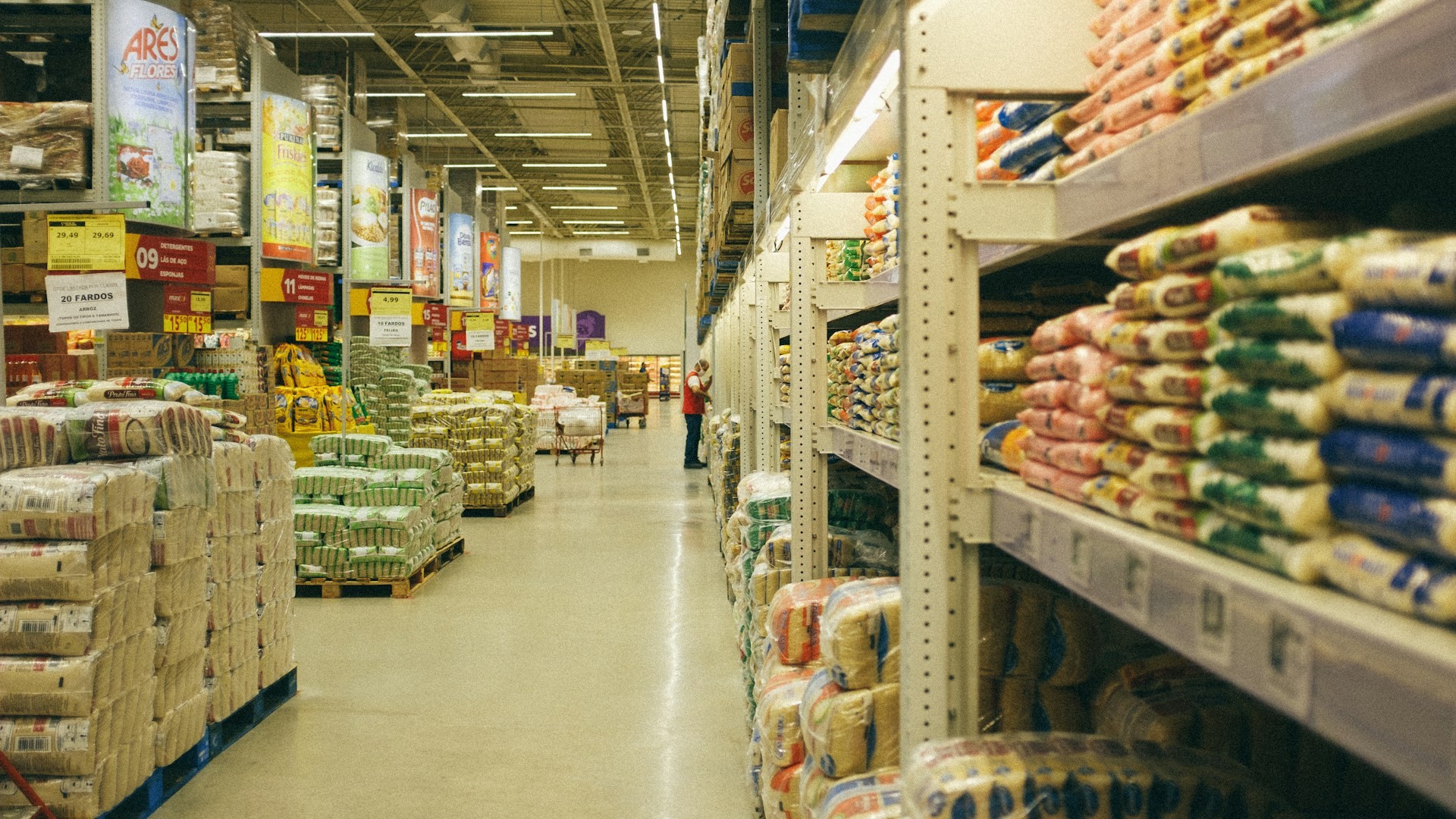
Here is the gripe nobody puts on the sign. Bulk savings vanish if the food spoils or goes unused. A big pack at a lower price per ounce is not a bargain if half of it ends up in the trash. The membership may still be worth it, but only if you shop with a plan. Here are six ways to stop bulk buying from costing you more.
1. Compare Unit Prices, Not Package Prices
A giant package will always look more expensive at first glance, and a small one will always look cheaper. The real comparison is the unit price, which is the cost per ounce, per pound or per count. Check the small label on the shelf, and if it is missing, pull out your phone calculator and do the math. Do not assume the biggest package is the cheapest, either. Sometimes a regular grocery store sale beats the warehouse price, and sometimes a mid-size pack is the better deal.
2. Buy Perishables Only in Amounts You Can Finish
Fresh produce, bagged salad, dairy, bread and deli meat do not last forever. Before you put a perishable in the cart, ask yourself honestly how much your household will eat before it goes bad. If you live with one or two people, a family-size tub of berries might be too much. Think about your real habits, not the ones you wish you had. If you will not eat it all in time, it is not a savings. It is a donation to the garbage can.
3. Freeze What You Cannot Finish
Freezing is the best friend of the bulk shopper. Meats, bread, shredded cheese and many other foods can be divided into smaller portions and frozen as soon as you get home. Do the work right away, before the food has a chance to go bad. Use freezer bags or containers, squeeze out the air and write the date on them with a marker. Freeze in meal-size portions so you can thaw only what you need. A little time on the day you shop can turn one giant pack into many easy dinners.
4. Check Your Storage Space Before You Load the Cart
A bargain you have nowhere to put is no bargain. Think about your pantry shelves, your refrigerator and your freezer before you shop. Is there room for a case of canned goods, a giant bag of rice or a stack of toilet paper? If you have to stuff the freezer so full that cold air cannot circulate, or cram the refrigerator until you cannot see what is in it, food gets lost and forgotten. A quick look at your shelves before you leave home can save you from buying more than you can store.
5. Shop With a List and Stick to It
Warehouse clubs are designed to tempt you. Big displays, free samples and a constant stream of new items are all there to pull you off course. Make a list before you go and stay with it. Include the quantities you actually need. Give yourself a small budget for treats, if you like, but be honest about what you are buying and why. Walking in with a plan keeps the cart from filling up with “great deals” you did not need.
6. Buy Non-Perishables Where Bulk Really Works
Some items are naturally suited to big packages because they last a long time. Paper goods, cleaning supplies, dried goods and household basics tend to be good candidates, as long as you have somewhere to keep them and you will really use them. Start there, and be pickier about foods that spoil. When you are unsure, compare the unit price and ask whether you would still buy it if it came in a smaller size.
Is the Membership Worth It?
The membership fee is part of the equation. If you rarely go, or you buy a lot of things you would not otherwise buy, you may not be coming out ahead. Think about how often you shop, what you buy and whether you could get the same items for less somewhere else. Keep track for a few months. If the savings are real, great. If they are mostly in your imagination, it might be time to reconsider.
Share the Load
If a package is too big, split it. Neighbors, friends and family members are often glad to share a bulk buy, and splitting the cost and the product means less waste for everyone. It can be a fun way to shop together, too. Just agree ahead of time on who pays what and who takes how much, so no one is left holding the bag.
Bulk Buying Can Still Work for You
Warehouse clubs are not a trick. They can be a smart way to save when you shop with your eyes open. Compare unit prices, buy only the amount of perishables you can finish, freeze what you cannot, check your storage space and keep to a list. Do that, and the giant pack will be a bargain you actually enjoy, rather than another lesson in what happens to food at the back of the refrigerator.
More Stories You May Like
- Shopper Flips Over a 750 Gram Package That Looks Full From the Front and Shows It Is Barely Half Full Inside for the Exact Same Price as Before
- Beauty Shopper Discovers Her Fenty Powder Went From 28 Grams to 15 Grams While the Price Climbed From $36 to $39 and Says She Is Done Buying It
- She Met Her Husband 39 Years Ago, Fell In Love With His Mom, And Her Dream Of An In Law House On Their Property Finally Came True