Anyone who has opened a package of food at home and thought, “that looks smaller than I remember,” will understand the frustration in a short rant from @animalfunpark. The creator holds up a package, turns it over, and points out what the label says compared with what is actually inside. The caption is a single word that has become a household term: shrinkflation.
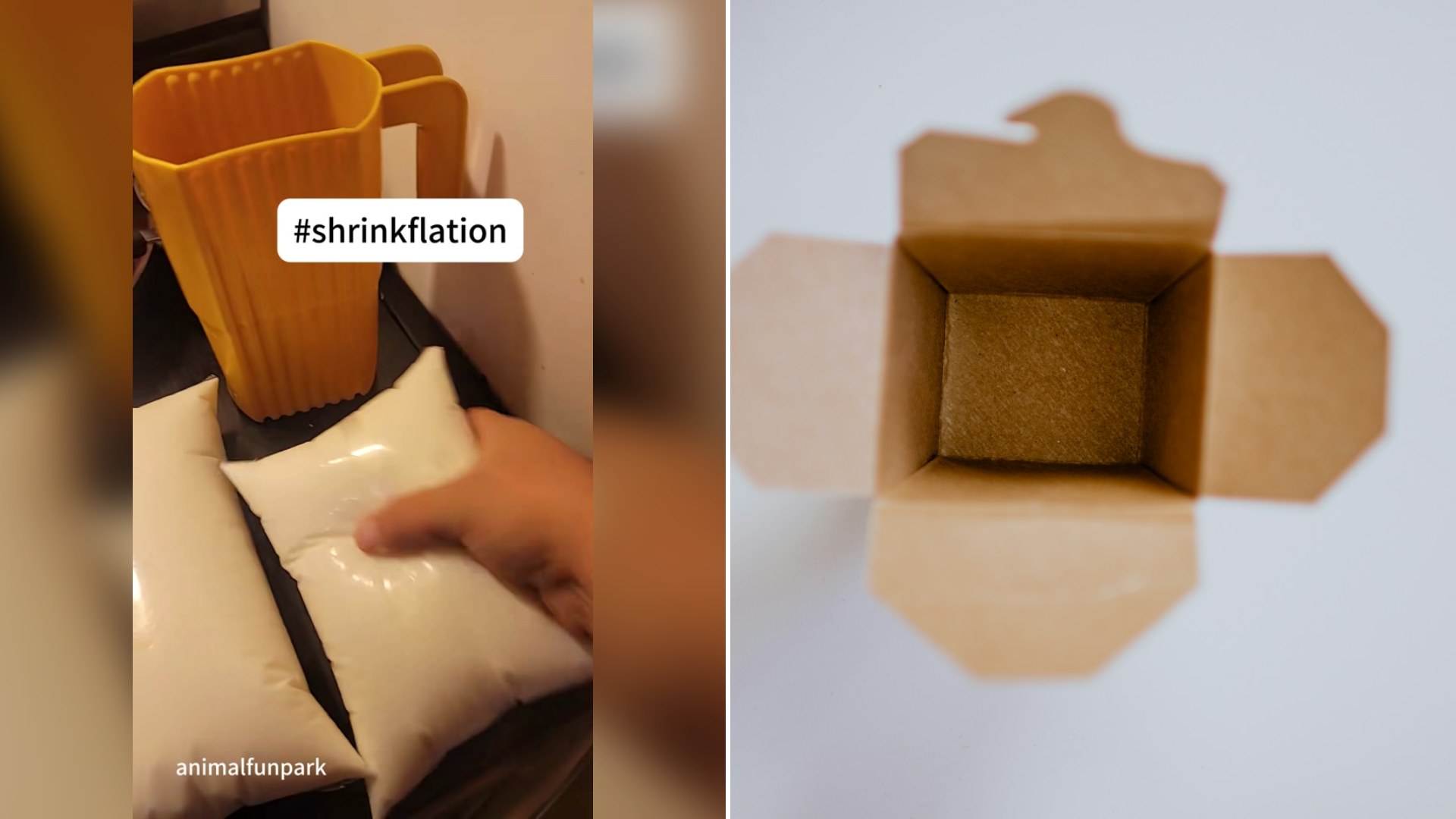
The clip has drawn more than 500,000 plays and over 400 comments, and the reason is simple. Plenty of shoppers have noticed the same thing at their own stores.
@animalfunpark
What the Creator Pointed Out
The creator starts by saying that the packages all look kind of full from the front. Then they are turned over, and the label lists 750 grams. The point made is that the contents only fill about half of the package now, not even two-thirds of the way, and that it used to be huge.
The price mentioned is three dollars and sixty-four cents, and the complaint is that the price is the same while the product is tiny. The creator asks what the company is thinking. There is also a swipe at the thin sausage from a fast-food chain, with the creator saying that if that size is called a small, then they must be an extra large. We have left out the stronger language used while venting, but the frustration is easy to hear.
It is worth being clear about what the clip does and does not show. We can only go by what the creator says in the audio and caption, and the brand of the package is not named in the narration. What is described is the classic sign of a package that looks full on the outside but holds less than shoppers expect once you open it or read the back.
What Shrinkflation Actually Is
Shrinkflation is when a company keeps the price of a product the same, or raises it, while the amount inside gets smaller. The box, bag or jar often looks almost identical, which is the whole idea. Most of us shop from habit, grabbing the same item we always buy, and the change goes unnoticed.
It is not just a feeling. The U.S. Bureau of Labor Statistics looked at product size changes between January 2015 and December 2021. Paper products were the most downsized category, with 716 reported size changes, including items like toilet paper and paper towels. Snacks came in second, with 509 size changes. Other categories on the list included baked goods, tea, baby diapers, pies and candy. The BLS has said that the overall effect of shrinkflation on cost inflation is fairly small, so it is not the main driver of higher grocery bills, but it is a very visible one.
That is the honest picture: shrinkflation is real and documented, and it shows up in many aisles, but it is one piece of a larger price puzzle. It is also frustrating because it is hard to spot. A price hike shows up on the shelf tag. A smaller package does not.
How to Spot a Shrunken Package
The good news is that you can protect your budget with a few easy habits.
Read the net weight every time. The number on the front or back of the package, usually listed in ounces, grams or count, is the best clue. If you remember paying the same price for a bigger size, compare. In the package above, the label said 750 grams, and checking that number against what you see inside is exactly what the creator did.
Check the unit price on the shelf tag. Most stores print the price per ounce, per pound or per count in small type on the shelf label. This is the best way to compare two different sizes or brands, because it cancels out the tricks of packaging. A package that costs the same but weighs less will show a higher unit price.
Take a photo of your favorites. Snap a quick picture of the label on the products you buy often. Next time you shop, you can see whether the weight changed.
Feel the weight. Pick up the package. If it feels lighter or looks puffed up with air, look closer. Bags that are full of air, or boxes with a lot of empty space at the top, are worth a second look.
Try store brands. House brands often hold their sizes and prices steadier and are generally cheaper per ounce. They will not always match the name brands, but for staples like frozen vegetables, pasta and baking basics, many shoppers find the swap painless.
Buy bigger when it makes sense. Larger packages usually have a lower unit price, so if you have the freezer space and will use the food before it goes bad, bulk can beat the shrunken regular size. Check the unit price first, because that is not always true.
Tell the store. If a package looks seriously underfilled compared with the label, you can bring it to customer service. A bag that is settled and half full is sometimes normal, since contents shift in shipping, but a big gap between the weight on the label and what you find is worth mentioning.
A Small Habit With a Big Payoff
Grocery prices are a worry for many families, and it is easy to feel powerless about them. But looking at labels is a small step that gives you back some control. The creator in this clip did what every careful buyer should do: turned the package over, read the label and said out loud what they saw.
Next time you reach for a familiar favorite, take ten extra seconds. Check the weight, glance at the unit price and compare it with the alternatives. Over a year of grocery trips, those seconds can add up to real savings. You can follow the creator at @animalfunpark for more everyday observations.