Picture the end of a nice family dinner. The plates are scraped, the dishwasher is humming, everyone has drifted to the couch, and a big pot of rice is still sitting on the stove with the lid on. You tell yourself you will deal with it in a bit. Then the evening slips away, and that pot sits out until bedtime. It feels harmless. It is also one of the most common kitchen slips that cooks rarely hear about.
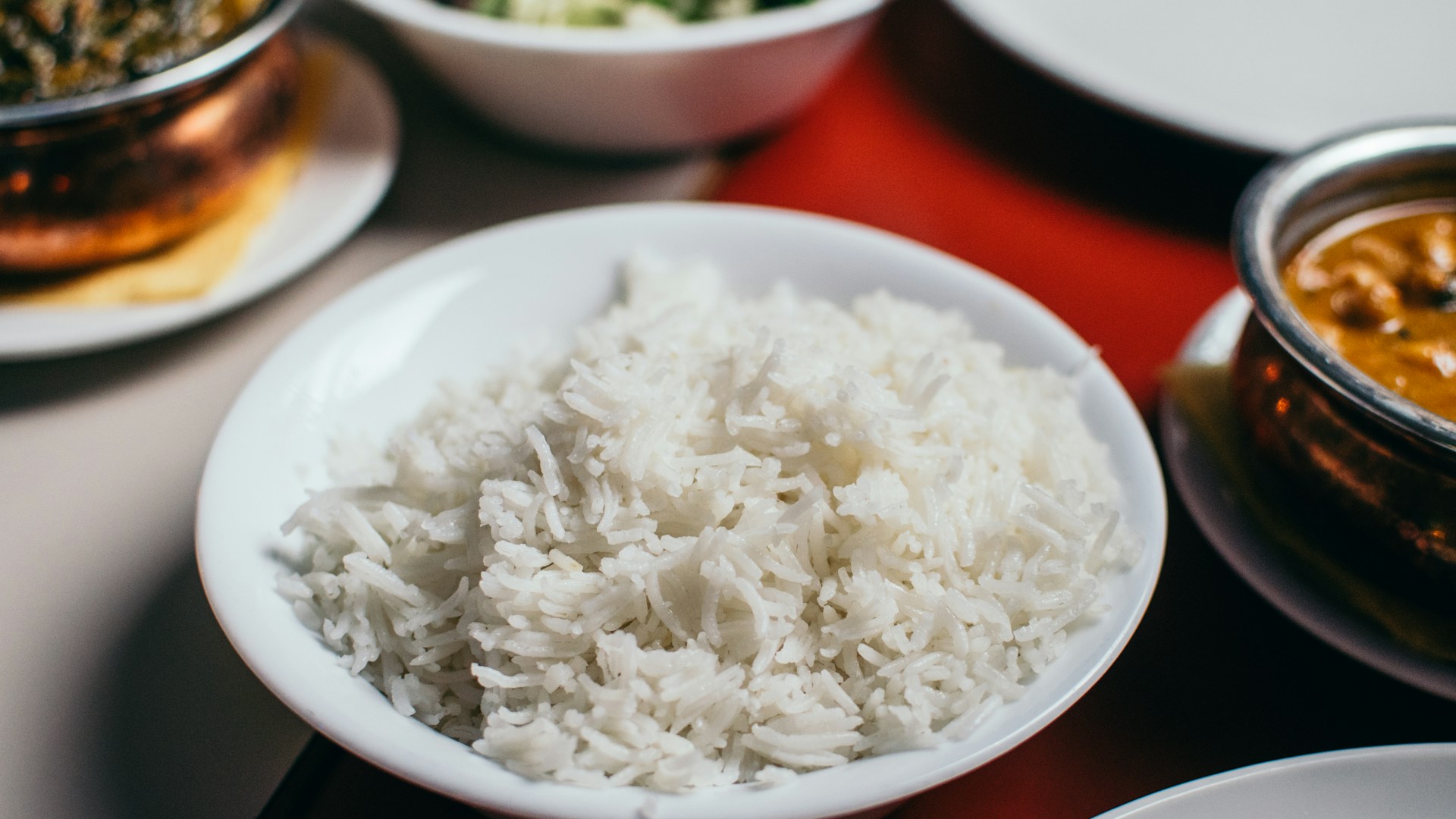
Cooked rice can carry Bacillus cereus, a bacterium that forms spores. Those spores are tough. They can survive the cooking itself, which surprises a lot of people who assume that boiling water takes care of everything. Rice that came out of the pot steaming hot and perfectly safe can still hold those spores, quietly waiting for their moment.
Why the Counter Is the Problem
That moment arrives when the rice cools down to room temperature and stays there. At room temperature, the spores can wake up and grow, and as the bacteria multiply they can produce toxins. In other words, the danger is not really the rice itself. The danger is the long stretch of time the rice spends sitting out after it has been cooked.
This is what makes rice different from the foods most of us worry about. We think of raw chicken or a runny egg as the risky items. Plain white rice looks innocent, smells fine and tastes fine. Nothing about a pot of rice that has sat out all evening announces a problem, so there is no warning sign to rescue you. The rule has to come from habit, not from your nose.
The Two Hour Rule of Thumb
The good news is that the fix is simple and costs nothing. Get the rice into the refrigerator within about two hours of cooking. That is the whole trick. Do not leave the pot out all evening, and do not leave it sitting on a warm stove top while you finish the dishes and watch your show.
Cooling quickly matters just as much as chilling. A deep, heavy pot of rice holds its heat for a long time in the middle, so simply sliding the whole pot into the fridge is not ideal. Instead, give the rice a head start on cooling:
- Spoon the rice out of the pot soon after serving.
- Spread it into one or more shallow containers so the heat can escape faster.
- Get it into the refrigerator promptly, well within that two hour window.
- Put a lid on it once it has cooled so it stays fresh and does not pick up fridge smells.
Shallow containers are a small change with a big payoff. A thin layer of rice cools much faster than a deep mound, and faster cooling means less time at the temperatures where those spores can grow.
Reheating the Right Way
When you are ready to eat the leftovers, reheat the rice until it is steaming hot all the way through. Not lukewarm, not warm around the edges with a cold center, but properly steaming. A splash of water and a cover in the microwave helps the rice heat evenly and keeps it from drying out. On the stove, a little water in a covered pan does the same job. Stir halfway through so there are no cold pockets.
Keep in mind that reheating is not a rescue plan. It is the final step of a safe routine, not a way to fix rice that spent the night on the counter. If the rice sat out far longer than two hours, the safest move is to let it go, even if it looks and smells perfectly normal. Tossing a few cups of rice costs pennies. A bout of food poisoning costs far more in misery and lost days.
Where Cooks Get Tripped Up
Most people who get this wrong are not careless. They are busy, and the habit was simply never taught to them. A few situations come up again and again:
- The big batch. You cook plenty of rice on purpose so you can have it for later. That is a smart plan, as long as the leftovers go into the fridge promptly.
- The covered pot. A lid makes rice feel protected, but a lid does nothing to stop spores from growing at room temperature.
- The gathering. At a holiday meal or a family party, the rice sits on the buffet or the stove while everyone talks. Set a reminder to pack up the leftovers before the conversation runs long.
- The busy night. Kids, phone calls and bedtime routines can push cleanup back. Make the rice the first thing that goes away, before the dishes.
A Simple Habit Worth Teaching
If you have grandchildren, a spouse who handles cleanup, or a friend who loves to cook for crowds, pass this one along. It is the kind of tip people nod at and say they never knew. Bacillus cereus spores survive cooking, they can grow at room temperature, and they can make toxins. Cool it fast, refrigerate it within about two hours, and reheat it until it is steaming hot.
That is all there is to it. A pot of rice is one of the cheapest, friendliest foods in any kitchen, and a few small habits keep it that way. The next time dinner wraps up, make the rice your first stop. Scoop it into a shallow container, slide it into the fridge, and then go enjoy the rest of your evening without a second thought about what is sitting on the stove.
More Stories You May Like
- Costco Shopper in Irvine Finds the Rice She Bought Was Infested with Bugs and Shows What She Found Inside the Bag
- Guest Spends a Night at the Ritz Carlton Paris and Finds It Old Looking Expensive and Short on Customer Service
- Man Shares His Two Cents on American Tipping Culture and Why He Thinks the System Has Gotten Out of Hand