

Ever noticed that the same burger costs more on a delivery app than it does when you walk up to the counter? There is a reason for that, and a new app says it has a way around it. But there is a catch, and it is worth knowing before you download anything.
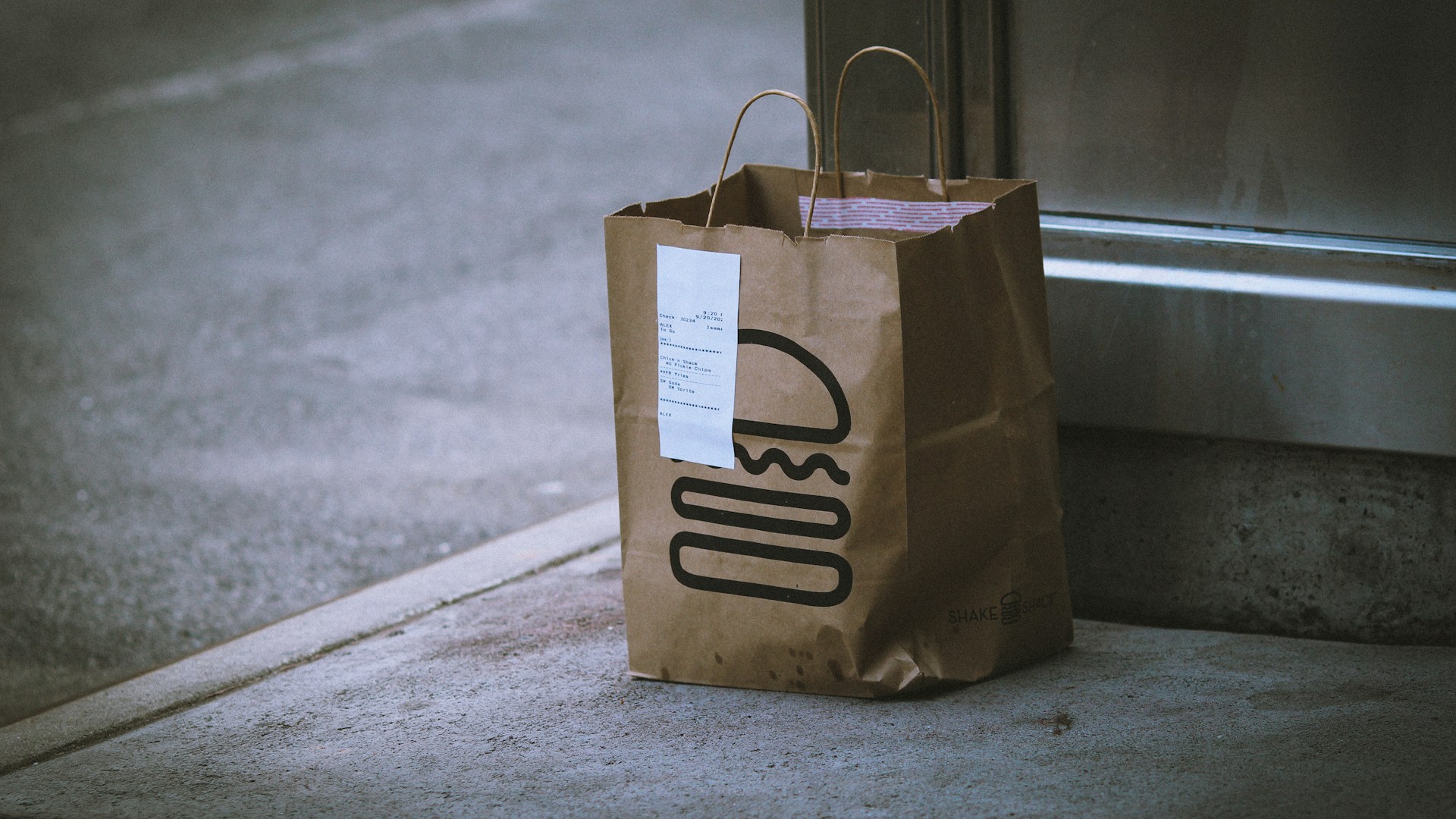
According to Restaurant Dive, which reported the story on October 21, 2026, Olo is launching a consumer app for delivery and takeout. The company says it can offer lower prices than the big delivery apps by avoiding the commissions those apps charge restaurants.
Why Delivery Menus Cost More
The argument starts with the commissions. Olo’s CEO, Noah Glass, says the commissions charged by delivery marketplaces can reach 30 percent of an order. That figure comes from Glass, so keep in mind it is one executive’s claim about how his competitors operate.
Here is where you come in. According to Glass, restaurants pass that cost along to customers through higher menu prices. In other words, when you order through a delivery app, part of what you pay may be the restaurant’s way of covering the commission it owes the app.
That would explain a lot. It would mean you are paying more for the same food even before you add the delivery fee, the service charge and the tip.
What Olo Is Offering
Olo’s app starts with about 20,000 locations across 250 brands. The company has roughly 90,000 locations in total and about 40 million users, so the new app begins with just a slice of that network.
The pitch is that because the app avoids those big commissions, restaurants do not need to build the cost into their prices, so customers can pay less. It sounds like a win for everyone. But look closely, because the app is not free of charges either.
The Catch: A 5 Percent Fee
Olo charges consumers a 5 percent network fee. That is far lower than a 30 percent commission, but it is still an added cost, and it lands on your bill. Customers also pay delivery fees on delivery orders, so choosing delivery will still cost extra.
Glass himself is careful about the promise. He cautions that the app is unlikely to shift industry economics right away. That is an honest admission from the person selling it, and it is worth taking seriously. A new app does not change overnight how a giant industry makes its money.
How to Order Without Overpaying
Whether or not you ever use this new app, the story points to some smart habits for anyone who orders food at home:
- Compare prices. Before you order, look at the menu on the delivery app, then check the restaurant’s own menu or website. If the prices are different, you will know what the app is adding.
- Add up the whole bill. The menu price is only part of it. Look at the delivery fee, the service fee, taxes and the tip, and compare the total at checkout across your options.
- Consider pickup. If the restaurant is nearby, picking up the order yourself skips the delivery fee. Pickup can still carry other charges, so check the total.
- Call the restaurant. Ordering by phone is old-fashioned but it can be simple. Ask whether they take orders directly and how the price compares.
- Do not skip the fine print. Any fee should be clear to you before you place the order.
- Remember the people behind the order. A fair tip for a delivery driver is part of the real cost of having food brought to your door.
Is It Fair?
It is hard not to feel a little frustrated by all of this. If a restaurant has to raise its prices to cover a commission, the customer ends up paying for a service that, in some cases, they did not realize was costing so much. If Glass is right, a lot of diners are paying a hidden tax every time they order.
At the same time, delivery apps do provide something people value: convenience. Many of us like being able to browse several restaurants, pay in one place and have dinner show up without leaving the couch. For many households, that convenience is worth paying for, as long as you understand what you are paying.
The key is information. When you know that the menu price on an app may include a cost the restaurant is passing along, you can make a clear-eyed choice. You might still choose the app on a rainy night. But on a day when you are watching your budget, a quick comparison could save you a few dollars.
As for Olo’s new app, the proof will come in whether customers really see lower totals once the 5 percent fee and any delivery charges are added in. Until then, the best advice is the oldest: check the total before you tap order.
More Stories You May Like
- Lawyer Explains Why That Surprise 20 Percent Gratuity on Your Restaurant Bill May Be Legal If It Was Disclosed, and the One Question to Ask Before You Pay
- Wedding Guests Are Being Told to Put Their Phones in Pouches That Cover the Cameras Before They Can Walk In, and People Are Split on Whether They Would
- Man Says the Best Tacos in Ireland and Maybe All of Europe Came from a Place He Did Not Expect

