You booked a table weeks ago, the week got busy, and then something came up. A sick friend, a car problem, a change of plans. You figure you will simply skip the dinner and move on. Then a charge shows up on your card from a restaurant you never even visited. It feels unfair, and it can be frustrating, but the fine print may have told you all about it when you made the reservation.
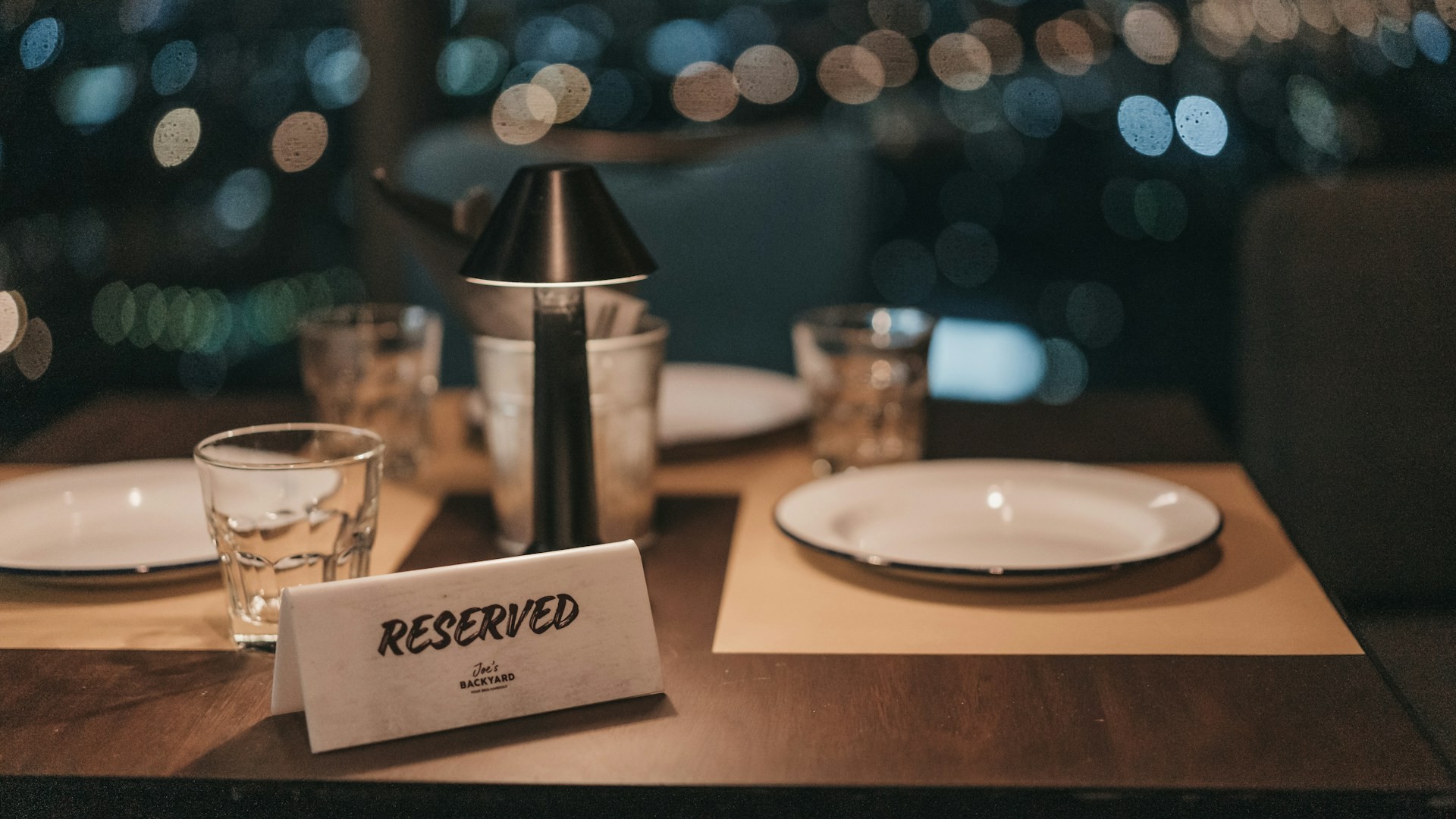
More and more restaurants take deposits or charge a fee when a party does not show up. It is not a secret, but it is often tucked into the booking process where it is easy to scroll past. The simple solution is to read the policy, mark the cancel window on your calendar, and cancel early if plans change.
Why Restaurants Charge These Fees
A table is something a restaurant cannot easily resell at the last minute. When a party fails to arrive, that seat may sit empty for the whole evening, and the kitchen may have prepared for the guests. Deposits and no show fees are the way many restaurants protect themselves from that loss. You may not love the policy, but it is easy to understand why it exists, especially for small places with a limited number of tables.
That said, the policy should be clear, and you have every right to read it before you agree. If the terms feel too strict, you can choose a different restaurant.
Where the Policy Hides
The details may appear on a booking page, in a confirmation email, in a text message, or on the restaurant’s own website. Often there is a checkbox you click to say you agree. Because it is easy to tap through quickly, many people never read the line that explains the deposit or the fee. Take an extra moment when you book. Look for words like deposit, cancellation, no show, hold, or card required. If you are booking by phone, ask the host directly: “Is there a deposit or a cancellation fee?”
It also helps to read the policy again if you change the date, the time or the size of your party, since a changed booking can come with its own terms.
The Cancel Window Is Everything
Most policies include a window of time before the reservation during which you can cancel without being charged. The exact length varies by restaurant. If the window is the day before, or several hours before, miss it and the charge may stand. So find that line in the policy and write it down.
A good habit is to put two things on your calendar when you book: the reservation itself, and a reminder just before the cancel window closes. That second reminder can save you real money.
How to Protect Yourself
A few habits make these policies easy to live with. None of them take more than a minute, and together they cover the most common ways a reservation turns into a surprise charge.
- Read the policy before you confirm the reservation, not after.
- Save the confirmation email or text, and keep the cancel link handy.
- Set a calendar reminder for the cancel deadline.
- If your plans might change, ask whether you can move the reservation instead of canceling it.
- Tell the restaurant as early as you can if your party will be smaller, since some places care about the number of guests.
- Keep a screenshot of your cancellation, in case a charge appears anyway.
What To Do If You Missed the Window
It happens to everyone sooner or later. If you realize you will not make it, contact the restaurant right away, even if the window has passed. A phone call is often better than an email, because you can speak to a real person. Explain the situation politely and briefly. Some restaurants are understanding about genuine emergencies, especially for regular guests, and some are not. You will not know unless you ask, and a kind tone goes a long way.
If you are charged and believe the fee was applied incorrectly, such as being charged after you canceled in time, gather your confirmation, your cancellation message and the policy you agreed to. Then contact the restaurant and calmly explain. If that does not work, you can contact your card company to ask about options, but start with the restaurant, because a polite conversation often solves it faster.
Is It Fair?
People disagree about no show fees, and both sides have a point. Restaurants lose money on empty tables, and diners dislike surprises on their statements. The fairest version is one where the policy is easy to find, easy to understand and easy to follow. As the diner, you cannot control how a restaurant words its rules, but you can control how carefully you read them.
The Takeaway
Before you book your next table, look for the deposit and cancellation details, note the deadline, and set a reminder. If plans change, cancel early and keep proof. These small steps take only a minute, and they can keep a missed dinner from turning into an unwelcome charge. A reservation is a promise on both sides, and knowing the terms helps you keep yours.
More Stories You May Like
- Grandma Faced Her Fear of Flying for the First Time in 15 Years and Her Family Cheered Her All the Way Onto the Plane
- Flight Attendant Helps a Passenger Who Cannot Find Her Seat Only to Discover She Was Searching for Seat G18, Which Was Actually the Gate the Plane Was At
- Wedding Guests Are Being Told to Put Their Phones in Pouches That Cover the Cameras Before They Can Walk In, and People Are Split on Whether They Would