You open the cereal box and the bag looks a little emptier than you remember. The box on the shelf looks the same, the price tag looks about the same, and yet something feels off. You are not losing your mind. You may be a victim of shrinkflation.
A study published in the journal Marketing Science put real numbers to that suspicion. In a February 27, 2026 release, the research group INFORMS described the study, titled “Shrinkflation and Consumer Demand.” It was written by Aljoscha Janssen of Singapore Management University and Johannes Kasinger of Tilburg University.
What the Researchers Looked At
The two researchers used NielsenIQ grocery scanner data from across the United States, covering the years 2010 to 2020. That is a decade of real purchases at real checkout counters. One thing to keep in mind is that the data ends in 2020, so it does not capture the most recent years of grocery price headaches. Even so, it gives us a solid look at how the practice works.
What they found is eye-opening. About 1.9 percent of products were downsized during the period, compared with just over 1 percent that were upsized. When the researchers looked at products by sales, downsizing was more than five times as common as upsizing.
In other words, packages getting smaller was the more common move, and it was especially common among the products that sell the most.
The Twelve Percent Bite
Here is the number that stings. The study found that price per volume rose roughly 12 percent in the year after a size reduction. That means that when a package shrinks, shoppers end up paying about 12 percent more for each ounce, or each unit, of the product the following year than they did before the change.
Say a package of snacks gets smaller but the price on the shelf stays the same. You may feel like you paid what you always pay. But you got less, so each bite cost you more. That is the heart of shrinkflation, and it is why it is so hard to catch at the register.
Why We Barely Notice
The study offers a clue about why this practice works. According to the researchers, a 1 percent price increase cut sales by about 1.2 percent. But a 1 percent cut in package size reduced sales by only about half as much.
Put simply, shoppers react more to a higher price than to a smaller package. We see the number on the tag and flinch. We rarely pull out a ruler or read the tiny weight printed on the label. The title of the INFORMS release says it best, that consumers do not realize how much shrinkflation is costing them.
The researchers found the practice to be most common in cereals, detergents, snacks and sanitary products. Those are everyday items many of us toss into the cart without a second thought.
How to Fight Back at the Grocery Store
You cannot stop a company from changing a package, but you can stop being fooled by it. Here are some practical habits that take only a few extra seconds.
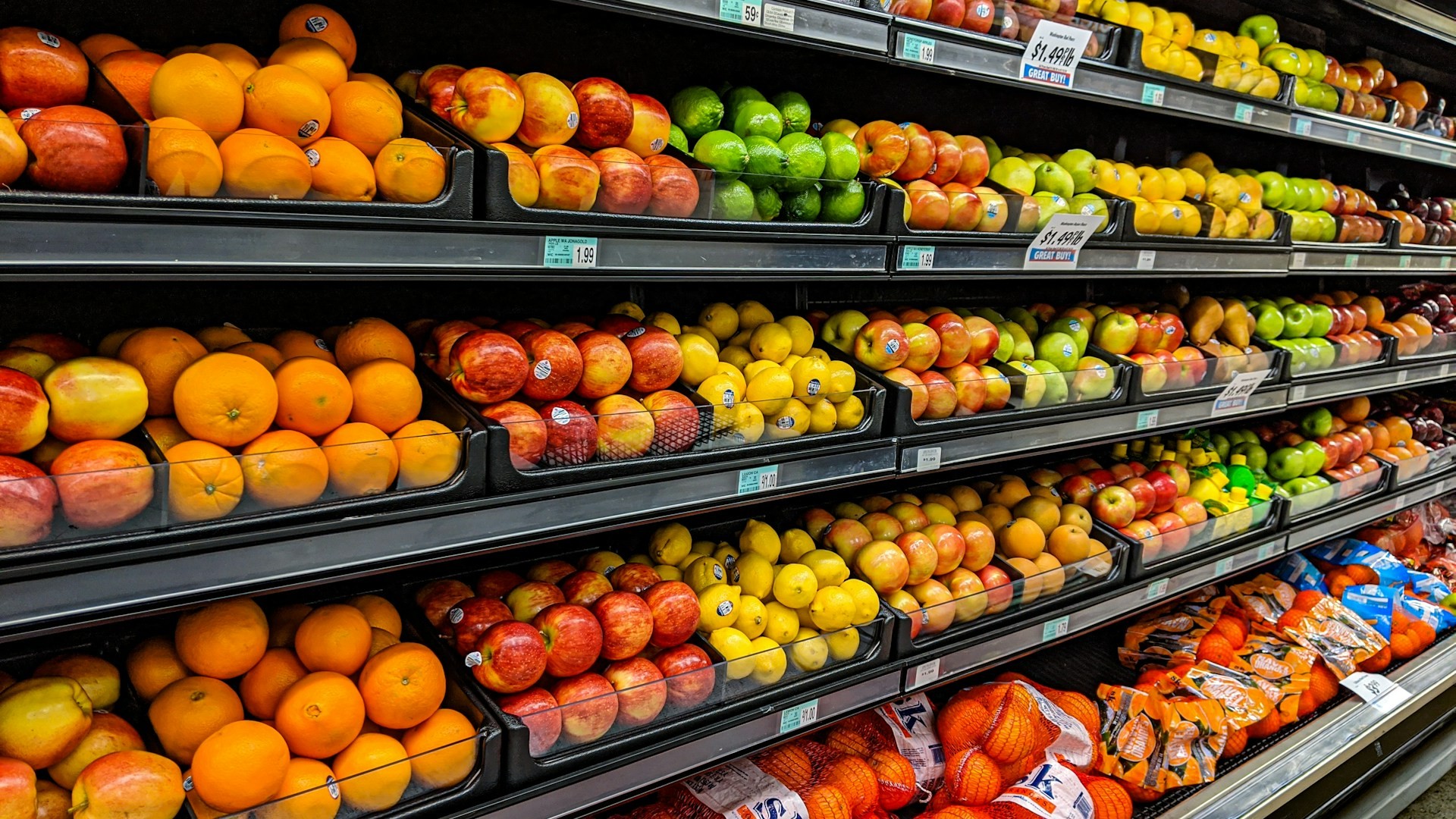
- Look at the unit price. Most shelf tags show the price per ounce, per pound or per count in small print. That figure lets you compare a small box and a big box, or one brand and another, on equal terms.
- Read the weight on the package. Check the net weight or count on the front of the package. If you remember what it said last time, compare it.
- Keep a list of your regular items. Jot down the size and price of the staples you buy most. When a number changes, you will catch it.
- Try the store brand. Many store brands offer the same type of product at a lower price per ounce. Give one a chance and see if you can tell the difference.
- Compare sizes. The larger size is not always the cheapest per ounce, so check the unit price rather than assuming.
- Speak up. If a product has shrunk without any notice, let the company know. You can also share the news with friends and family, since many people never notice.
It Is Not Your Imagination
The real lesson of this study is that your suspicions at the grocery store are well founded. Packages do get smaller, the cost per unit does go up, and the changes are easy to miss because we are watching the price tag and not the package.
That does not mean you need to be angry every time you shop. It does mean you can be a sharper shopper. A few seconds spent reading the unit price can keep a lot of money in your pocket over the course of a year. And next time that cereal box feels light, you will know exactly what to check.
More Stories You May Like
- Airbnb Is Limiting Checkout Chores for Guests Starting November Twentieth and Hosts and Guests Are Already Arguing About It
- Woman Describes Her Worst Restaurant Experience Yet and Says She Will Not Be Going Back to the Place After What Happened
- Beauty Shopper Discovers Her Fenty Powder Went From 28 Grams to 15 Grams While the Price Climbed From $36 to $39 and Says She Is Done Buying It