

Wine shelves can feel like a maze, especially when the holidays are near. A new guide to one of the most popular red wines says you do not have to spend a fortune to take home a good bottle.
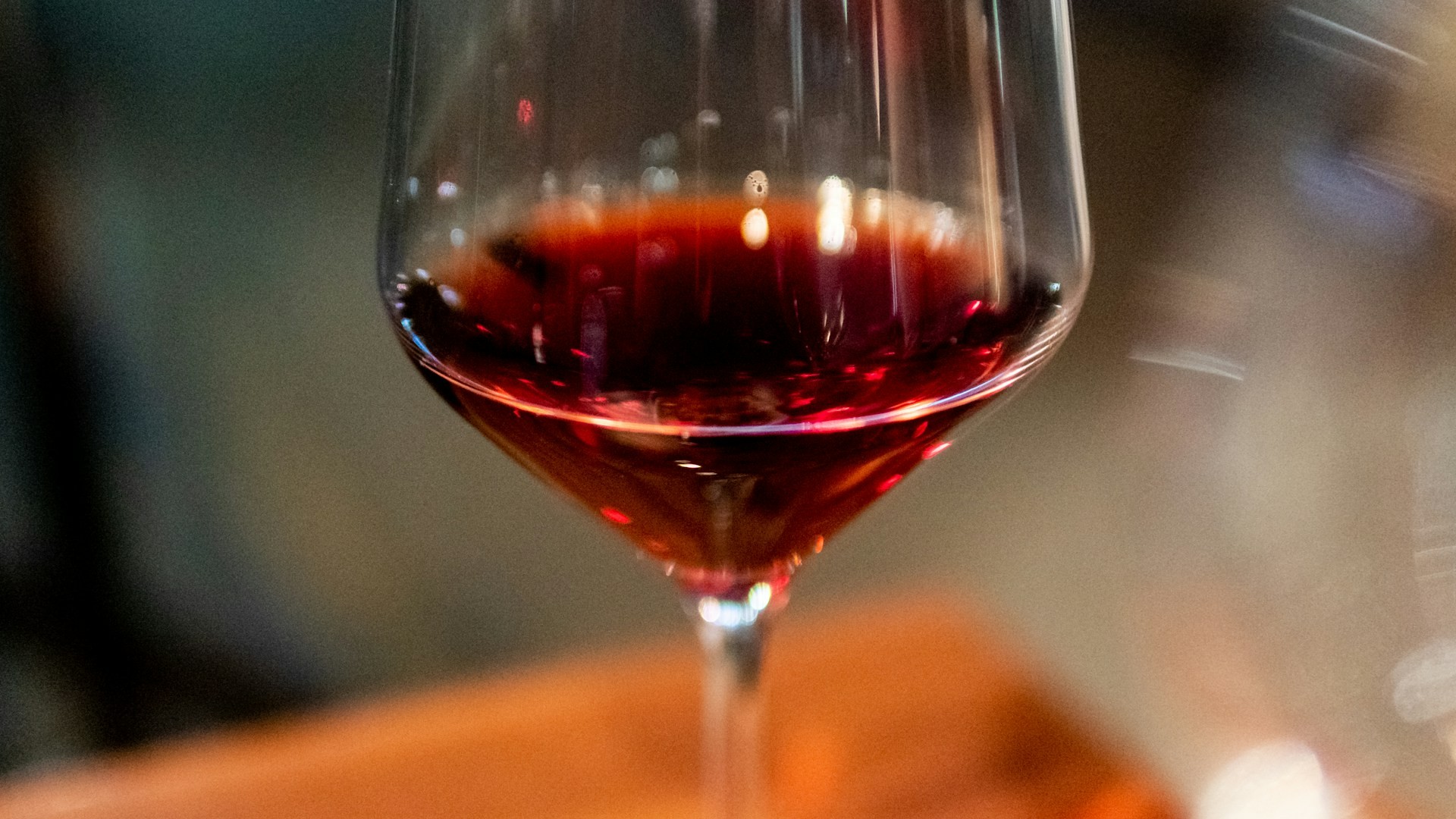
Pinot Noir has a nickname that tells you a lot: the “heartbreak grape.” It is notoriously difficult to grow, and that is a big reason prices vary so widely.
The advice comes from a Tasting Table guide published October 24 by Lindsey Reynolds.
The Sweet Spot Is $30 To $40
According to the guide, around $30 to $40 is a sensible price to pay for a quality Pinot Noir in 2026.
In that range, Oregon’s Willamette Valley and California’s Sonoma Coast are favored for distinctive character tied to where the grapes were grown.
That is a useful number to keep in mind if you are shopping for a host gift or a bottle for a holiday dinner.
Bottles Under $25 Do Exist
Not every table has a $30 budget, and the guide has good news for those shoppers. Entry-level Pinot Noirs under $25 are available, particularly from Chile and New Zealand.
These bottles are described as approachable and fruit-forward, with less depth and complexity than pricier wines.
The guide says entry-level bottles suit easy-drinking reds for family dinners, which makes them a smart pick for a crowd.
Why Burgundy Bottles Climb Past $100
At the other end of the shelf, Burgundy, France, Pinot Noir’s historic home, has bottles that sell for more than $100.
The guide attributes those prices to rarity, reputation, limited production and collector demand. In other words, you are paying for a name as well as a flavor.
It also reminds readers that paying more does not automatically guarantee a better bottle.
Why This Grape Costs So Much To Grow
Pinot Noir is a thin-skinned grape, sensitive to weather, disease and growing conditions. Producing quality fruit takes what the guide calls serious babysitting and high labor costs.
Price reflects the grape itself, hand-harvesting, unpredictable weather and sustainable farming practices. A rough year in the vineyard can shrink the harvest and raise the cost.
Oregon Versus California
The guide describes two styles. Oregon Pinot Noir has fresh acidity and bright red fruit.
California Pinot is often richer, rounder and fruitier. If you like a lighter, brighter glass, lean toward Oregon, and if you prefer a fuller feel, try California.
Drink It Now, Not Later
Most Pinot Noirs are not thought to age as well as other varieties and are usually ready to drink on release. That means you do not need to cellar a bottle for years.
It is a helpful tip for hosts who pick up a bottle a few days before a gathering. You can open it that week and enjoy it.
How To Choose A Bottle Without Overthinking It
A few simple steps can help you shop with confidence.
- Set a budget before you walk in. A range like $20 to $25 or $30 to $40 keeps you focused.
- Look at the label for the region. Oregon, California, Chile and New Zealand all appear in the guide.
- Ask a store employee for a recommendation in your price range. Most are happy to help.
- Do not equate a high price with quality. Many fine bottles cost far less than a Burgundy.
Food Pairings For A Holiday Table
Pinot Noir is a friendly match for many holiday dishes. Its light body and bright fruit work well with roast turkey, ham, mushrooms and roasted vegetables.
Serve it slightly cool, around cellar temperature, rather than warm. Fifteen minutes in the refrigerator before pouring can brighten the flavor.
Use a large glass if you have one, and pour a modest amount so the wine can open up. Light pours also make a bottle go further.
A Note On Moderation And Gifting
If you are bringing a bottle as a gift, a $30 to $40 Pinot Noir shows thought without stretching your budget. Add a handwritten card, and the gesture means even more.
And for those who prefer not to drink, a bottle of sparkling cider or a jar of homemade jam is a fine alternative.
The best bottle is the one that fits your table, your guests and your wallet.
What The Price Tag Really Tells You
Price is a clue but not a verdict. A bottle that costs more may reflect hand-harvesting and small production, yet your own taste is the final judge.
If you try a bottle you love at $22, remember it and buy it again. There is no shame in an affordable favorite, and your guests will not check the receipt.
Keep a note on your phone with the name, region and price of each bottle you enjoy. After a few months, you will have a personal shopping list that makes every trip to the wine aisle easier.
More Stories You May Like
- Why Romance Scammers Are So Hard to Spot and the Excuses Like Military Service Overseas or an Offshore Oil Rig That Should Raise a Red Flag
- 5 Rules to Settle Before Adult Kids Move Back Home So Rent, Chores and Timelines Do Not Quietly Turn Into Resentment Under Your Roof
- 5 Ways to Set a Secret Santa Limit Before Cost Creep Makes the Office and Family Gift Swap Feel Unfair to Everyone Who Joins In
