If you were a kid in the 1950s, you remember the sound of it. A lid rattling on a big pot at the back of the stove hours before supper, a coffee can of bacon grease by the burner, and a voice from the kitchen saying there was plenty for everybody.
Almost every one of these meals disappeared from American tables within a single generation. Old Glory Days counts down 25 forgotten meals grandma made when money was tight, and the reason they vanished, the host says, has nothing to do with how they tasted.
No. 25 One Soup Bone For About 20 Cents Fed Seven People For Two Days
Grandma bought the cheapest soup bone at the butcher, browned it with an onion, covered it with water and let it simmer all morning. Potatoes, carrots, celery, home canned tomatoes, green beans and barley or macaroni went in.
The bone cost about 20 cents in 1955, and the garden supplied the rest. One bone, two days of supper, seven people fed.
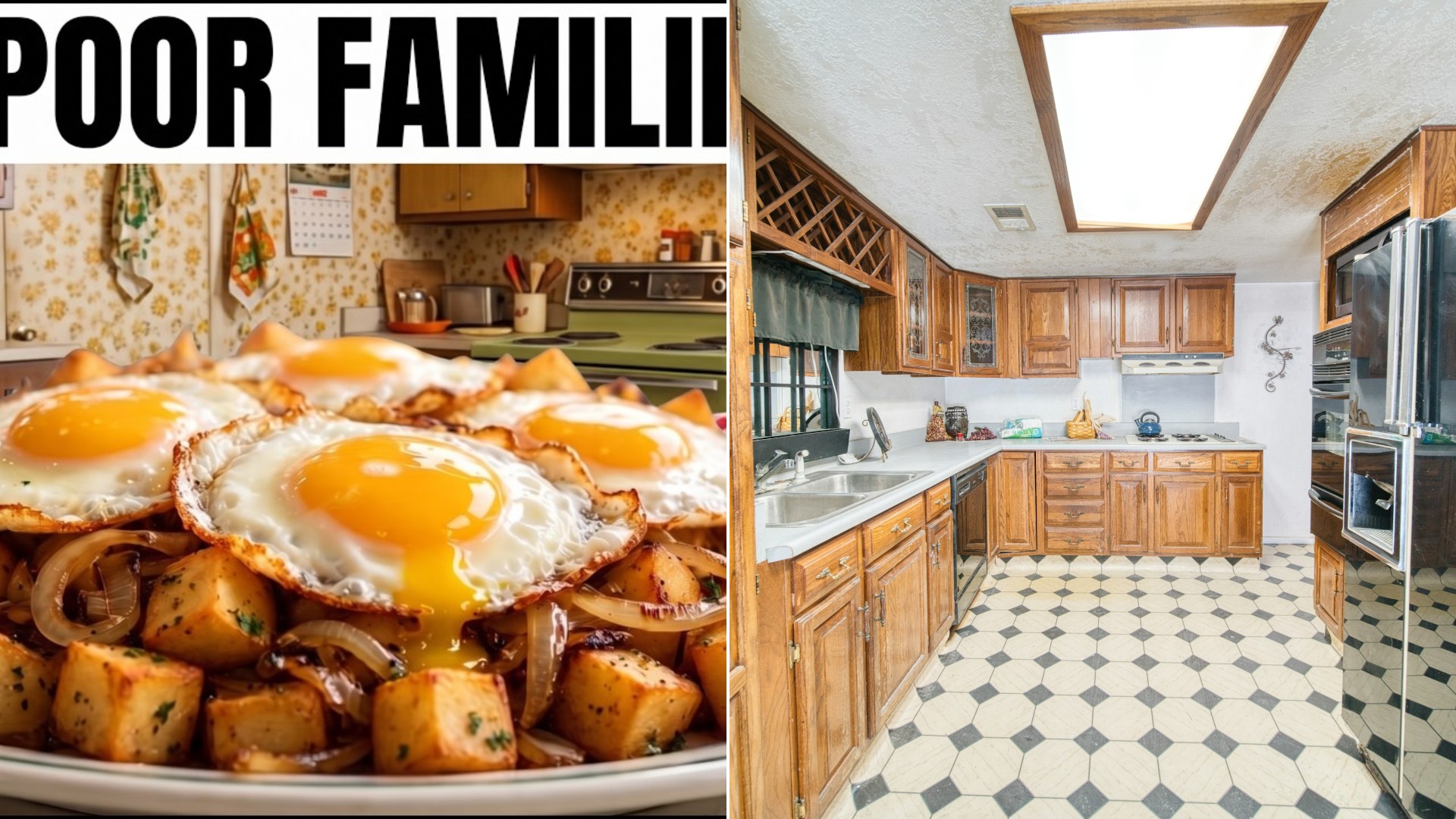
No. 24 Fried Potatoes, Onions And Eggs When There Was No Meat In The House
She sliced potatoes thin into a hot cast iron skillet with lard and an onion, and let them fry until the bottom turned golden. At the end she cracked half a dozen eggs over the top and let them set.
A dozen eggs cost about 60 cents. She called it potatoes and eggs, and everybody else called it the best supper in the house.
No. 23 Potato Soup Cost Pennies And Warmed You To Your Toes
She fried an onion in bacon grease, added six cubed potatoes and water, then mashed about half in the pot. A quart of milk, butter, salt and black pepper finished it.
A 10 lb sack of potatoes cost about 50 cents. It was served with soda crackers, and you crushed them in with your hands while she never told you not to.
No. 22 The Easter Ham Bone Became Split Pea Soup For The Rest Of The Week
The morning after the ham was gone, the bone went into her biggest pot with a pound of dried split peas, an onion, carrots and celery. It simmered three or four hours until thick and velvety.
A pound of split peas cost about 15 cents. The ham was dinner on Sunday and the bone was supper for the rest of the week.
No. 21 Pancakes For Supper, The Sign The Month Was Ending
Every child thought it was a treat, and every grown-up knew it meant the end of the month. She mixed flour, baking powder, sugar, an egg, melted lard and milk, and wiped the cast iron griddle with bacon rind.
If there was no maple syrup, she boiled brown sugar and water into her own. The whole supper cost about 15 cents.
No. 20 Macaroni And Tomatoes, Two Ingredients And A Slice Of White Bread
She boiled a pound of elbow macaroni, then simmered it in a quart jar of home canned tomatoes with butter or bacon grease, salt and plenty of pepper. Some kitchens added a spoonful of sugar to soften the acid.
The pasta soaked up the juice and turned pink. A pound of macaroni cost about 20 cents.
No. 19 Stretched Chili Had More Beans Than Meat
She browned just half a pound of ground beef with an onion and garlic, then added a whole pound of soaked dried beans, canned tomatoes and chili powder. The pot sat on the back of the stove all afternoon.
The beef cost about 25 cents and the beans about 15 cents, and half a pound of beef fed eight people. “Nobody ever counted the meat.”
No. 18 Hamburger Potato Hash Made One Pound Look Like A Feast
Potatoes with the peels left on were fried in bacon grease until crisp, then half a pound of ground beef and an onion were browned in the middle of the skillet. On a lucky night, she cracked an egg over the top.
It cost about 35 cents, served with ketchup and a glass of cold milk. Grandpa had three helpings.
No. 17 Pasta Fazool Was So Loved That Dean Martin Sang Its Name In 1953
In Italian American homes it was pasta e fagioli, and in Brooklyn, Boston and Philadelphia everyone said “pasta fazool” like their grandmothers did. In 1953, Dean Martin sang its name in “That’s Amore,” and the whole country suddenly knew what it was.
She sauteed garlic and onion in olive oil, added tomatoes and white beans, and simmered small pasta right in the pot. A pound of dried beans cost about 15 cents, and your grandmother made it every Friday.
No. 16 Eggs Goldenrod Looked Fancy But Cost About 40 Cents
She chopped hardboiled egg whites into a white sauce and poured it over buttered toast. Then she pressed the yolks through a sieve so they fell over the top like goldenrod flowers in a field.
Six eggs and a pint of milk cost about 40 cents for one of the prettiest suppers a poor kitchen made.
No. 15 Potato Pancakes Turned A Sack Of Potatoes Into A Celebration
In German, Polish and Jewish kitchens, she grated four potatoes and an onion, squeezed out every drop of water in a dish towel, and mixed in an egg and flour. Spoonfuls fried in shimmering lard until the edges were lacy and dark gold.
Four potatoes and an egg cost less than a dime. Children stood by the stove and ate them as fast as they came out.
Nearly every grandmother cooking in the 1950s had grown up in the Great Depression. As girls, many had watched their mothers feed a family on almost nothing, seen fathers lose jobs and farms, and learned to save string, rubber bands and every drop of bacon grease.
When the war ended and America got new cars, televisions and huge supermarkets, those women still cooked as if the money might disappear. The host says each meal on this list came from that memory, a survival skill rather than a recipe.
No. 14 City Chicken Had No Chicken In It
In Pittsburgh, Cleveland, Detroit and Buffalo, chicken often cost more than pork, so families made a mock version. She skewered 1 inch cubes of pork shoulder five or six to a stick, rolled them in flour, egg and cracker crumbs, and browned them in lard.
Every child asked why it was called chicken, and nobody ever had a good answer.
No. 13 Tomato Gravy And Biscuits When Only The Bacon Grease Was Left
In the South, she stirred flour into hot bacon grease until it turned the color of a paper bag, then crushed in a quart of home canned tomatoes with milk and pepper. It thickened into a rich red gravy.
Poured over split buttermilk biscuits, the whole supper cost about 15 cents. Some families in Tennessee and Kentucky still make it on Sundays.
No. 12 Peppers And Eggs, The Sandwich Of Lent And Lean Weeks
In Italian American homes she cooked sliced green peppers and an onion slowly in olive oil, then poured beaten eggs with grated cheese over them. The mixture was piled into crusty Italian bread.
Many fathers carried it to the factory the next day wrapped in wax paper. Six eggs and a few garden peppers cost about 40 cents.
No. 11 Neckbones And Sauerkraut, Because The Butcher Almost Gave Them Away
In Pennsylvania, Ohio and the South, she browned two or three pounds of pork neckbones, then poured a jar of sauerkraut over them with an onion, a grated apple and brown sugar. It simmered all afternoon until the meat slid off the bones.
Neckbones cost about 15 cents a pound, and the house smelled sour and smoky with the windows steamed up.
No. 10 The Sunday Chicken Carcass Became Soup Twice More
After the roast chicken was picked clean, the whole carcass went into her biggest pot with an onion, carrots, celery and a bay leaf. She strained the broth and added homemade egg noodles rolled out that morning.
The soup cost almost nothing, because the chicken had already been paid for.
No. 9 Fried Cornmeal Mush Was Two Meals From One Pot
She stirred cornmeal into boiling salted water for half an hour and served it hot with milk and sugar. The leftovers went into a loaf pan overnight, then were sliced, floured and fried in bacon grease for breakfast.
A 5 lb bag of cornmeal cost about 40 cents, and she never wasted a spoonful.
No. 8 Bread And Gravy When Only The Drippings Were Left
After a roast or pork chops, she never poured the drippings away. The next evening she warmed them in the cast iron skillet, stirred in flour until it smelled nutty, and added water or milk to make a glossy gravy over bread.
No. 7 Fried Dough, Pinched Off The Bread Dough On Baking Day
Italian homes called it pizza fritta and New England called it doughboys. She stretched a bit of risen dough flat and dropped it in hot lard, where it puffed and blistered.
Some got sugar and cinnamon and some got tomato sauce and cheese. A 5 lb sack of flour cost about 50 cents and made bread for the whole week.
No. 6 Rice And Gravy Was The Whole Supper In Louisiana
She browned an onion, green pepper and celery in lard, then stirred in flour and cooked it to the color of a copper penny. That was the roux, and she never took her eyes off it.
Water, pepper and cayenne went in, and the gravy was ladled over steamed rice. A 5 lb bag of rice cost about 50 cents.
No. 5 Milk Toast, Supper For The Sick, The Tired And The Very Young
She toasted white bread, buttered it, and laid it in a wide bowl. Then she poured hot milk over it and let it soak.
A loaf of bread cost about 18 cents in 1955 and a quart of milk about 23 cents. For a child, she added sugar and cinnamon.
No. 4 Cornbread And Buttermilk, Eaten From A Tall Glass
She baked cornbread in a cast iron skillet with bacon grease melted in first so the edges came out crisp. At supper she broke the warm cornbread into a tall glass, filled it with cold buttermilk and handed over a long spoon.
The host says almost no one under 60 has ever tried it.
No. 3 Bread And Bacon Drippings Cost Nothing At All
On the hardest days she spread cold bacon drippings on a slice of warm homemade bread and sprinkled it with salt. Children ate it after school on the back steps, and fathers took it to work in lunch pails.
In England it had been called bread and dripping for centuries, and immigrants brought it with them.
No. 2 Leftover Bread Pudding, Supper As Well As Dessert
All week she saved stale ends and crusts in a paper sack. On Saturday she packed them into a baking dish, poured over a custard of three eggs, a quart of milk, sugar and vanilla, and baked it an hour.
The whole pan cost about 25 cents.
No. 1 The Plate She Never Fixed For Herself
This is not a recipe at all. She set the pot in the middle of the table and filled every plate, Grandpa first, then the children, then the baby, and sat down last with almost nothing.
“I already ate while I was cooking,” she would say, or “I’m just not very hungry tonight.” You believed her, the host says, and many people only understood it when they stood at their own stoves, running short, saying those same words to their own children.
That was the real meal of the 1950s, he says, the one that held every hard times kitchen together. Tell him in the comments which meal your grandmother made and what town she lived in.
More Stories You May Like
- 6 Ways to Protect Your Home and Retirement When Dating Later in Life Before You Move In Together or Merge Money Too Soon With a New Partner
- 7 Foods You Are Probably Throwing Out Too Soon Because Best By Dates Are Not Safety Dates and the Habit Is Quietly Costing You Money
- The Rental Car Counter Upsell On Insurance And Prepaid Fuel Is Where Travelers Lose Money So Check Your Own Coverage First