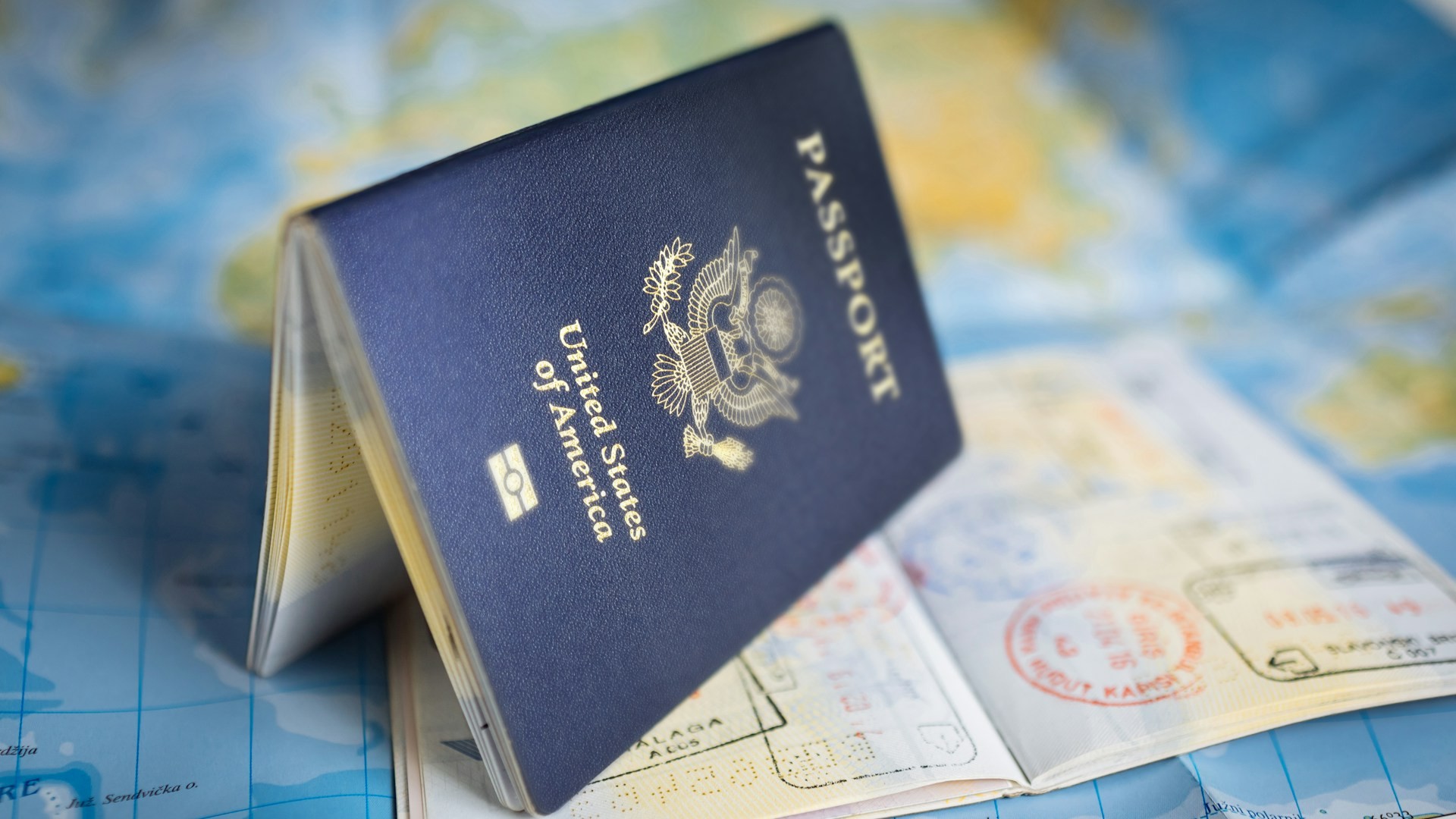
You type “passport renewal online” into a search bar, click the first result with a crisp, official-looking page, and hand over your money. According to a Federal Trade Commission press release dated October 22, 2026, that is exactly the path the agency says travelers were steered down by a trio of defendants it has now sued.
The FTC alleges the websites were not the government and were not an authorized provider of anything. It says some customers walked away with a $148 bill, a form they could have downloaded for free, and a second payment still waiting for them at the State Department.
The Top Search Result Was Allegedly A Paid Ad Dressed Up As Government Help
The FTC’s complaint names GovAssist LLC, Entry LLC and their owner and sole member, Scott Zuckerman. The agency says the companies operated websites including GovAssist.com, Entry.com and IVS.us, offering passports and passport-related services along with travel help such as visa applications and visa renewals.
According to the FTC, the defendants bought paid Google search ads so their pages would show up right where Americans look for official federal services. The agency says searches such as “passport renewal online” returned the IVS.us and Entry.com pages among the top sponsored results.
The FTC further alleges that, since at least October 2023, the defendants posed as affiliated with the U.S. State Department. The complaint says the sites led consumers to believe they were dealing with the federal government or an authorized provider, which the agency says they were not.
The Sticker Price Started At $89, But The FTC Says The Real Total Was $148
Here is where the math gets uncomfortable. The FTC says the defendants advertised services starting at $89, yet the lowest price a customer could actually pay was $119 plus a $29 shipping fee, for a total of $148.
The agency also alleges the sites put their own prices front and center while downplaying a separate payment owed to the State Department. In other words, the FTC says some travelers did not realize they would still have to pay the government its own fee after they had already paid the website.
Then there is the product itself. The FTC alleges the defendants claimed they could directly issue U.S. passports, when often what customers received was a completed application. The agency points out that the same application is available for free on the State Department’s website.
Promised Rush Timelines Were Allegedly Faster Than The Government’s Own Fastest Option
Anyone with a trip on the calendar knows the panic of a passport that has not arrived. The FTC says the defendants played on that worry by promising expedited passports in as little as 6 to 10 business days, or even 3 to 4 business days.
The agency’s response is blunt. It says those timelines are faster than the State Department’s fastest expedited option, which makes them false promises.
The sites also boasted an “excellent rating” based on Trustpilot and other review sites. The FTC alleges that rating relied on large numbers of fake positive reviews.
The Defendant Was Already Under An FTC Order, The Agency Says
One more detail raises eyebrows. The FTC says Zuckerman ran this scheme while he was under an FTC order from an earlier, unrelated case involving Support King LLC, a matter that concerned stalkerware and ended with a final administrative order on data privacy.
The complaint, filed in the U.S. District Court for the District of Puerto Rico, alleges violations of the FTC Act, the Impersonation Rule and the Gramm-Leach-Bliley Act. The agency says the defendants obtained consumers’ financial and personal information, which is why the financial privacy law is in the mix.
The Commission voted 2-0 to authorize staff to file the complaint. The FTC notes that it files a complaint when it has “reason to believe” a violation is occurring or about to occur, and that the court will decide the case. These are allegations, not findings.
Christopher Mufarrige, Director of the FTC’s Bureau of Consumer Protection, put it this way: “Using paid Google search ads and landing pages to impersonate the government and target American travelers is illegal.” He added that the agency will pursue bad actors in search advertising schemes that mislead consumers, distort competition or otherwise violate the FTC Act. The U.S. Postal Inspection Service, the U.S. Attorney’s Office for the District of Puerto Rico and the State Department assisted.
How To Get A Passport Without Paying A Middleman
The good news is that the real process is simpler than any slick landing page makes it look. Passports come from one place, the U.S. Department of State, and the application forms are free on its website. Here is a plain checklist to keep by the computer.
- Type the address yourself. Government websites end in .gov, and you can go straight to travel.state.gov instead of clicking a search ad.
- Look for the small word “Ad” or “Sponsored” above a search result. A paid listing can say anything it likes in its headline.
- Compare the price. If a site charges a service fee on top of the government’s own fee, you are paying extra for something you can do yourself.
- Be wary of promises that beat the government’s published processing times. If a speed claim sounds too good, check it against the State Department’s own estimates.
- Be careful with your Social Security number, birth certificate details and card information. A look-alike site that collects them is a bigger problem than a wasted fee.
If You Already Paid A Look-Alike Site
Do not feel foolish. These pages are built to look trustworthy, and the FTC’s own case describes sponsored results sitting at the top of the page.
Gather your receipt, screenshots and any emails, then contact your card issuer about the charge. You can also report the site to the FTC at ReportFraud.ftc.gov, which is where the agency collects complaints about bad business practices, and read more at consumer.ftc.gov.
The FTC adds one more reminder worth repeating at the kitchen table: it will never demand money, make threats, ask you to transfer money or promise you a prize. Anyone who does is not the government.
Before the next trip, take two minutes to check your passport’s expiration date, then book the renewal directly with the source. Your vacation budget will thank you.
More Stories You May Like
- Why Romance Scammers Are So Hard to Spot and the Excuses Like Military Service Overseas or an Offshore Oil Rig That Should Raise a Red Flag
- AAA’s Last Thanksgiving Forecast Was a Record 81.8 Million Travelers With 73 Million of Them on the Road and This Year’s Numbers Are Due Soon
- Inspectors Shut Down A Jacksonville Captain D’s For Rodents In July And The Chain Still Sells A Fish Meal For $5.99