Walk into your own business and find more than $1,000 worth of meat gone bad, and your temper is going to flare. That is the scene in an Instagram reel from @countrycookin1, where a business owner faces a loss of spoiled chicken.
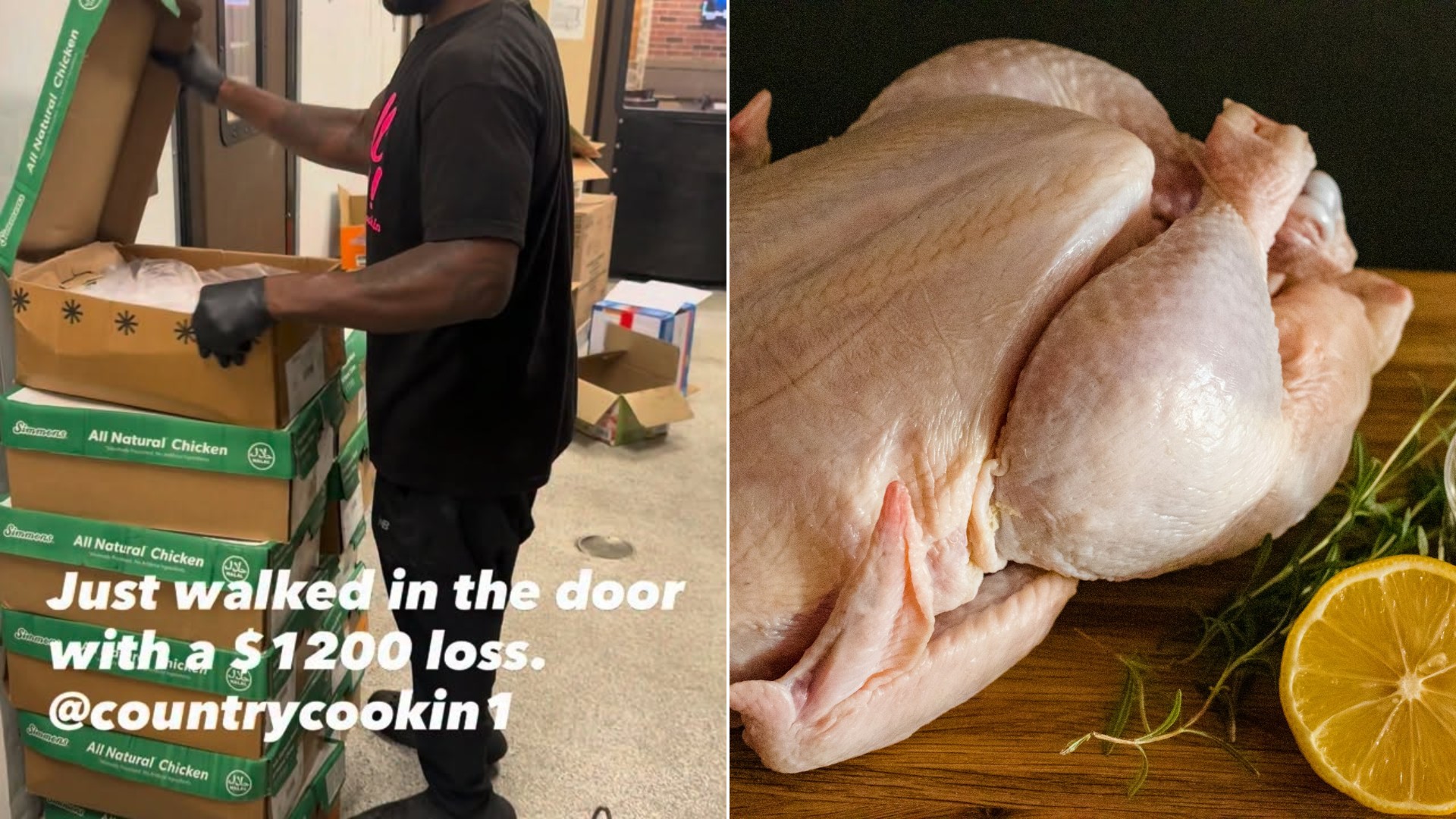
The owner points the finger at lazy workers. In the owner’s words, all they had to do was clean the chicken and put it in the freezer.
It is a story that hits home for anyone who has run a kitchen, a shop or a small business and counted on a team to follow through.
View this post on Instagram
Over $1,000 Of Chicken Gone Bad
The number is the shock. More than $1,000 worth of meat spoiled, and none of it can be sold or served.
For a small business, that is real money. Margins in food are thin, and a single lost delivery can wipe out the profit from a whole week of sales.
The owner’s frustration comes through, because the loss was so avoidable.
“All They Had To Do Was Clean The Chicken And Put It In The Freezer”
That line sums up the owner’s complaint. The task was simple and clear: clean the chicken and put it in the freezer.
When a basic step gets skipped, the whole shipment is at risk. Poultry is one of the most perishable foods in any kitchen, and it does not wait around.
The owner blames lazy workers, and anyone who has managed a team knows how maddening that feels.
Why Chicken Spoils So Fast
Raw chicken is a favorite of bacteria. The USDA calls the range between 40 and 140 degrees Fahrenheit the danger zone, because germs multiply quickly in that temperature band.
The agency advises that perishable food should not sit out for more than two hours, or one hour if the air is above 90 degrees. After that, throwing it away is the safe call.
A cooler on a warm loading dock, a delivery left in a hot truck or a box forgotten on a counter overnight can ruin a shipment in a hurry.
How Kitchens Can Protect A Delivery
Many restaurants and small food businesses rely on a few simple habits to keep a loss like this from happening.
- Assign one person to receive every delivery, and make that the first task when a truck arrives.
- Put perishable items away first, before anything shelf-stable.
- Check the temperature of cold items when they arrive, and refuse anything that feels warm.
- Keep the freezer at 0 degrees Fahrenheit and the refrigerator at 40 degrees or below.
- Label and date everything so older stock gets used first.
- Use a checklist at closing, so nothing stays on the counter overnight.
A written checklist taped to the wall is cheap, and it can save a lot of money.
The Real Price Of Wasted Food
Spoiled stock hurts twice. You lose the money you paid for it, and you lose the sales it would have brought in once it was cooked and served.
A kitchen that spends over $1,000 on chicken has to sell a lot of plates just to cover it. A single loss can mean tighter hours, a delayed paycheck or a cut elsewhere, which is why owners pay such close attention to every box that comes off the truck.
That is also why training matters. A new hire who learns the first-in, first-out rule and the two-hour rule on day one is worth far more than the hourly wage.
Blame, Training And Who Owns The Mistake
The owner puts the blame on workers, but a loss like this also raises a management question. Did everyone know exactly what to do, and did anyone check?
The best teams combine clear instructions with simple accountability. A quick walk-through at the end of a shift, with a signed checklist, makes it much harder for a job to slip through the cracks.
That does not excuse anyone who ignores a clear task. It simply helps a business protect itself, so a single mistake does not become a four-figure loss.
What Home Cooks Can Learn From The Owner’s Loss
The same rules apply at home. If you buy a big pack of chicken, get it into the fridge or freezer right away, and do not let it sit in a warm car while you finish other errands.
Portion it into meal-sized bags before you freeze it, so you thaw only what you need. Thaw in the refrigerator, not on the counter, and cook to a safe internal temperature of 165 degrees Fahrenheit.
A little discipline with groceries can save a household a lot of money over a year.
A Costly Lesson From @countrycookin1
The reel is a blunt reminder that the little jobs matter. Cleaning the chicken and putting it in the freezer takes a few minutes, and skipping it can cost more than $1,000.
Whether you run a business or just a busy home, the lesson is the same. Set clear steps, check that they get done, and treat perishable food with the respect it deserves.
More Stories You May Like
- Norwegian Breakaway Guests Get An Email Saying Halifax Is Gone From 17 Boston Sailings In 2027 ‘In Response To Guest Feedback,’ And The Replacement Is A Second Night In Bermuda
- Man Orders Every Cocktail On The Olive Garden Menu Until They Cut Him Off, Then The Server Stops Him At Drink No. 7, I’m Cut Off
- Woman Arrives 45 Minutes Late To Her Spa Appointment And Insists On Being Seen Today, Then Learns Her $50 Charge Will Not Carry Over To A New Booking