You followed the recipe. You bought good ingredients. And yet the dinner came out pale, soggy, dry or somehow bland. Before you blame the recipe or your own skills, take a look at the small habits that quietly sabotage even experienced home cooks. The good news is that each one has a simple fix, and most of them cost nothing at all.
Here are six common cooking mistakes, and what to do about each of them.
1. Crowding the pan
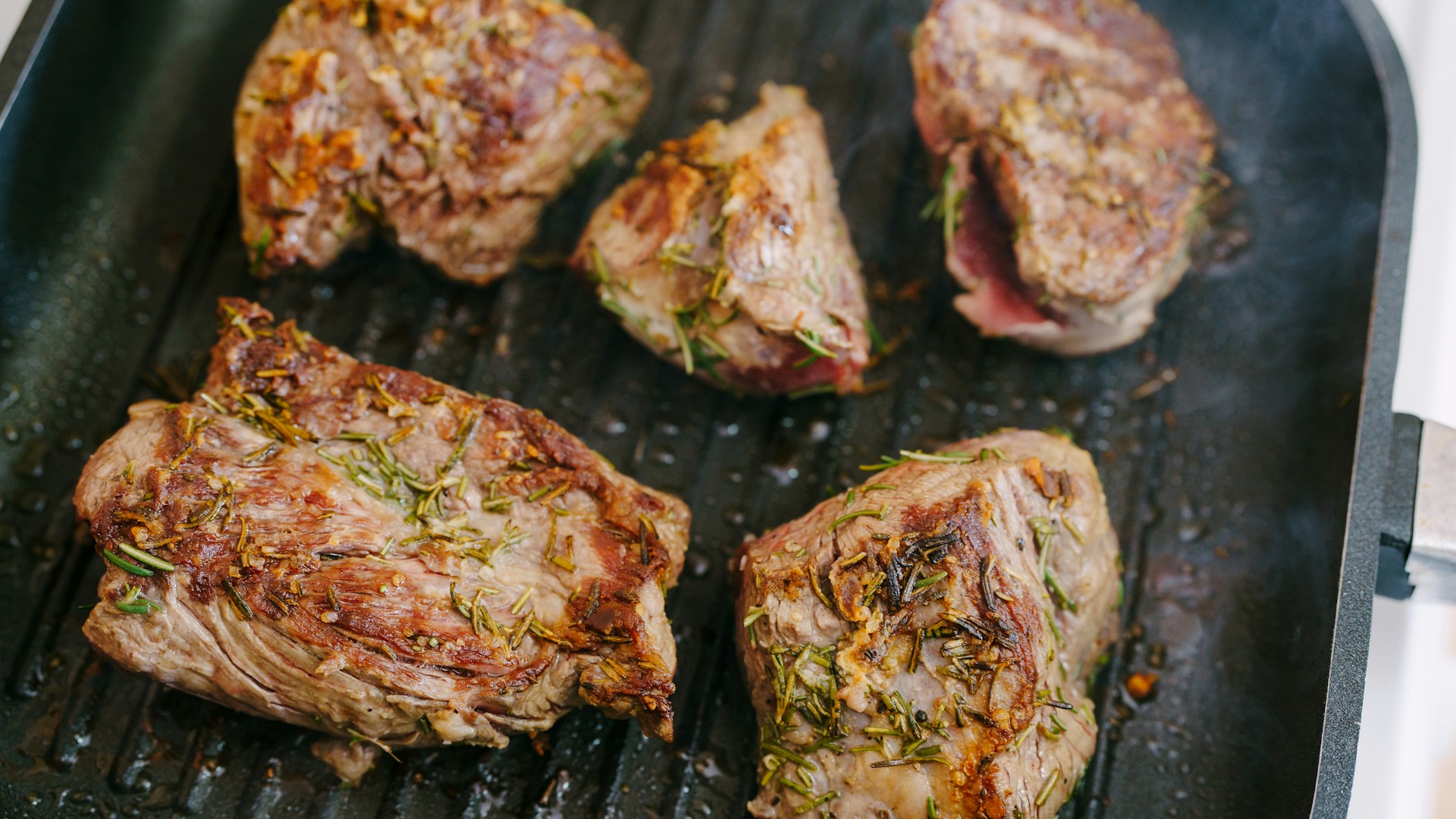
This is probably the most common mistake in home kitchens. When you pile too much food into one pan, the pieces steam in their own moisture instead of browning. Instead of a golden, crispy crust, you get gray, soft vegetables and meat that looks boiled.
The fix is simple: give your food some room. Cook in batches if you have to, and leave a little space between pieces. Use a bigger pan, or two pans, when feeding a crowd. The same idea applies to roasting vegetables on a sheet pan. Spread them out in a single layer, so hot air can reach every side.
2. Skipping the thermometer
Many people judge doneness by guessing, cutting into the meat or going by cooking time alone. But ovens vary, and pieces of meat differ in size and thickness. A cooking time in a recipe is only a guide. A simple food thermometer takes away the guesswork. It helps you avoid overcooked, dry meat, and it helps you make sure food is cooked safely.
A basic instant read thermometer is not expensive and is one of the most useful tools you can own. Slide it into the thickest part of the meat, away from bone, to check the temperature. The United States Department of Agriculture recommends cooking poultry to 165 degrees Fahrenheit, and its website has a safe temperature chart for other meats.
3. Cooking cold meat straight from the fridge
When a steak or a chicken breast goes straight from the refrigerator into a hot pan or oven, the outside can cook much faster than the center. That often leads to meat that is overdone on the outside while still underdone in the middle, or that cooks unevenly.
Many cooks take meat out of the refrigerator for a short time before cooking so the chill comes off. Do not leave it out for long. Food safety guidance says perishable food should not sit at room temperature for more than two hours, so a short rest on the counter is plenty. Pat the meat dry with paper towels as well, because a dry surface browns better than a wet one.
4. Not preheating
Putting food into a cold pan or an oven that has not reached its temperature is a recipe for disappointment. Food sticks to a cold pan, and it takes longer to brown, so it can end up greasy or tough. A cold oven throws off the cooking time and can leave baked goods flat.
Give your oven plenty of time to heat up, and let a pan warm up before you add the oil and then the food. Many ovens signal that they are ready before the whole oven has fully warmed, so a few extra minutes can help. An inexpensive oven thermometer can also tell you whether your oven runs hot or cold.
5. Under-seasoning, or seasoning only at the end
If dinner tastes flat, the problem is often salt. Seasoning only at the very end can leave the surface salty and the inside bland. Seasoning in layers, as you cook, builds flavor throughout the dish. Add a little salt to the onions, a little to the sauce and a little to the meat, and taste as you go.
A splash of acid, such as a squeeze of lemon or a little vinegar, can also brighten a dish that tastes dull. Fresh herbs added at the end add life as well.
6. Not letting meat rest
You have waited patiently for a roast or a steak to cook, and the temptation is to slice it straight away. But when meat comes off the heat, the juices are still active. Cut it too soon, and those juices run out onto the cutting board, leaving the meat drier than it should be.
Let the meat rest for a few minutes after cooking, loosely covered. Large roasts need longer than a thin steak. This short wait lets the juices settle, and your patience will be rewarded with a more tender, juicy bite.
A quick checklist before you cook
- Read through the whole recipe before you begin.
- Get all your ingredients ready and chopped before the heat goes on.
- Preheat the oven and the pan.
- Pat food dry and leave room in the pan.
- Use a thermometer, and taste as you go.
- Rest the meat before you slice.
Nobody gets everything right every night, and even great cooks have an occasional flop. But fixing these six habits can make a real difference to how your dinners turn out. Pick one or two to try this week, and see how much better a plain weeknight meal can taste.
More Stories You May Like
- Shopper Flips Over a 750 Gram Package That Looks Full From the Front and Shows It Is Barely Half Full Inside for the Exact Same Price as Before
- Man Says the Best Tacos in Ireland and Maybe All of Europe Came from a Place He Did Not Expect
- Hibachi Chef Sees the Most Expensive Hibachi in New York and Says Too Much Butter and Burnt Scallops Are Not Worth That Price