When in France, do as the French do! This old adage rings true, especially when it comes to table manners. France is not only renowned for its delectable cuisine but also for its elaborate dining etiquette. Mastering French table manners can help you blend in with the locals, avoid embarrassing faux pas, and truly immerse yourself in the French dining experience.
This list of 14 French Table Manners Every Visitor Should Know, is based on real-world trends, expert interviews, and data. It’s designed to give you a comprehensive understanding of what’s expected at a traditional French meal. From the correct use of cutlery to the art of wine tasting, you’ll learn the nuances of French dining that aren’t covered in standard travel guides.
1. Bread Placement

Contrary to popular belief, bread isn’t placed on a side plate in French dining etiquette. Instead, it’s placed directly on the table to the left of your plate. This is a tradition that dates back centuries and is heavily ingrained in the French dining culture. While it might seem odd to foreigners, it’s a practice that locals might overlook but is quintessential to the French dining experience.
With the rise of global tourism and the increasing popularity of French cuisine, understanding these cultural nuances is more important than ever. As stated by CNN Travel, knowing these norms can enhance your dining experience and show respect for French customs.
2. Use of Cutlery
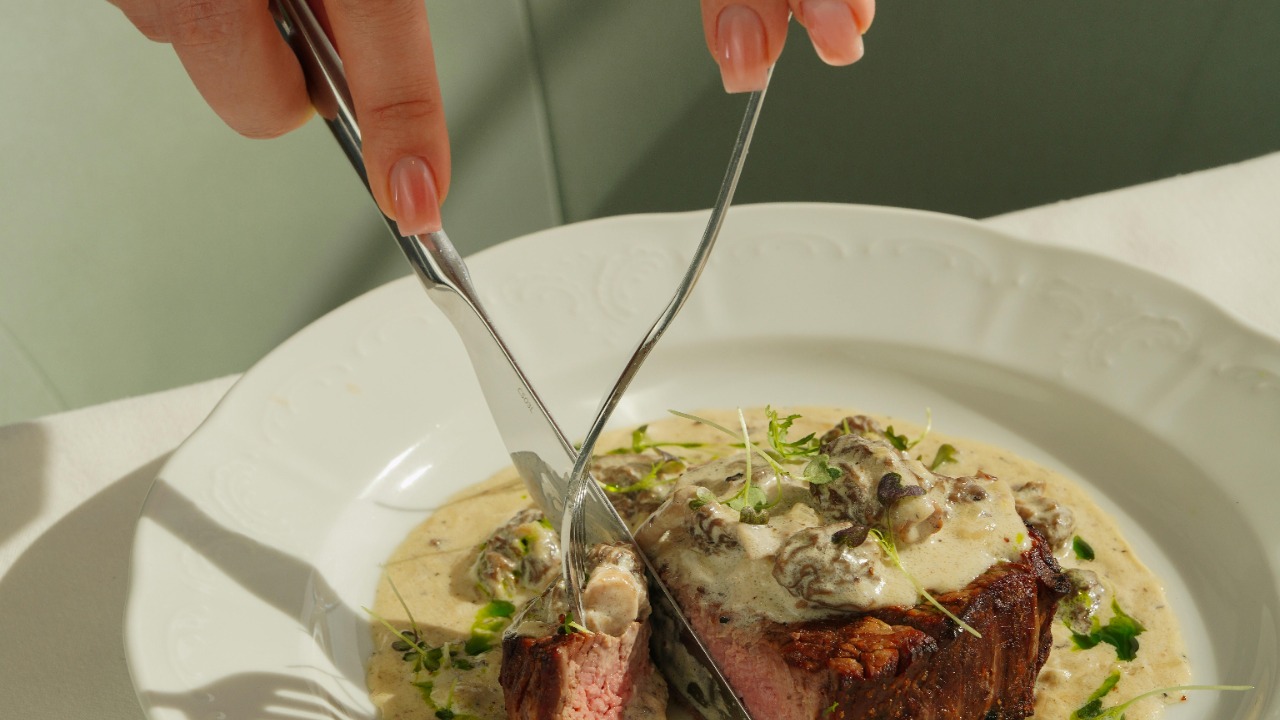
French table manners dictate a unique use of cutlery. Unlike in many other cultures, where the fork is held in the right hand, French etiquette requires the fork to be held in the left hand and the knife in the right. This is not only considered polite, but it also reflects the precision and importance the French place on the act of eating.
As per the report by BBC, the French take their food and dining etiquette very seriously. Knowing the correct way to use cutlery can help you avoid awkward situations and demonstrate respect for the local culture.
3. Wine Tasting
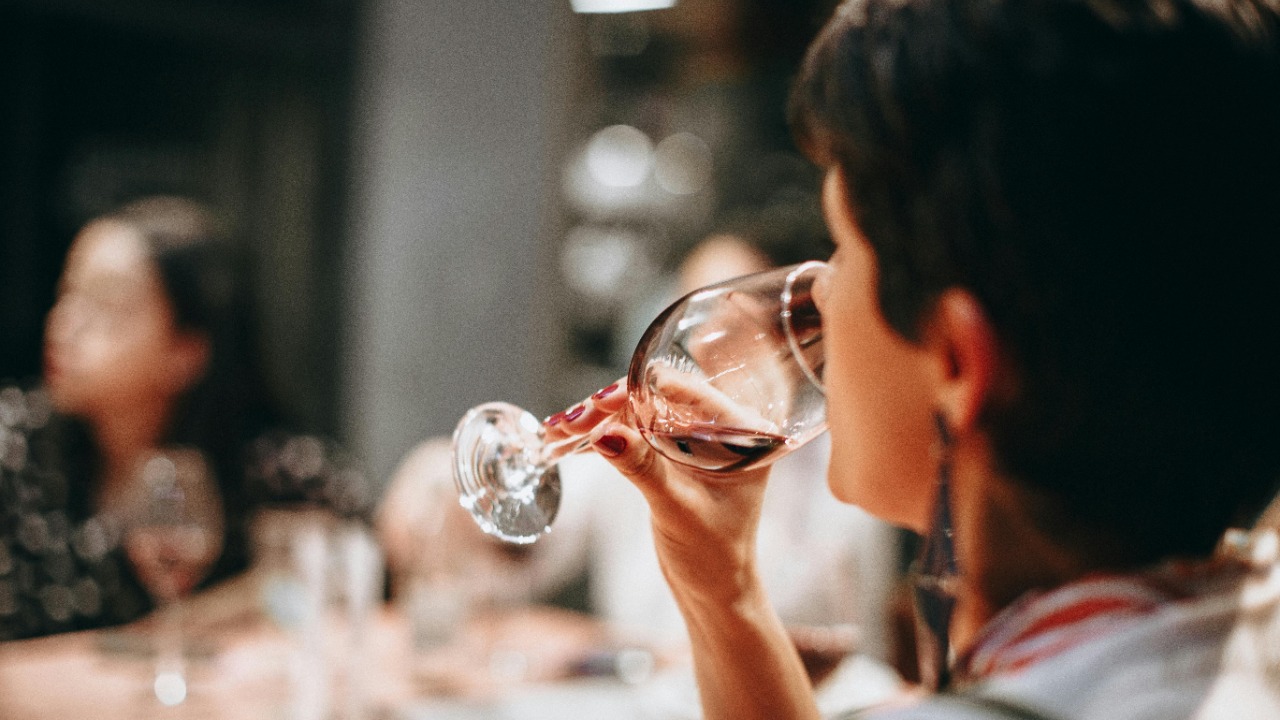
Wine tasting in France isn’t just about savoring the flavors; it’s a ritual that involves the right technique and etiquette. Before taking a sip, it’s customary to look at the wine, smell it, then taste it. This process highlights the French’s appreciation and reverence for wine.
According to Wine Scholar Guild, understanding the French wine tasting etiquette can deepen your appreciation for French wines and enhance your overall dining experience. It’s not just about the taste, but the experience and respect for the wine’s journey from the vineyard to the table.
4. Cheese Etiquette
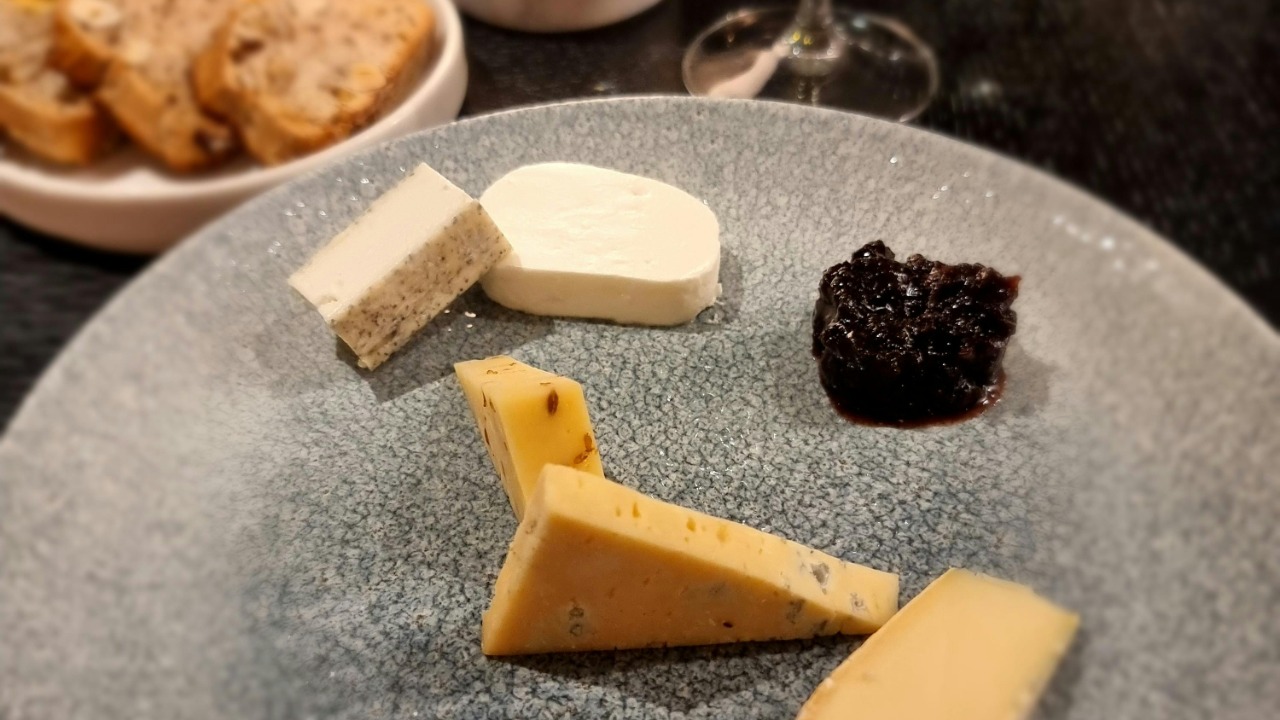
When it comes to cheese, the French have specific rules. Cheese is typically served after the main course and before dessert. It should be cut in a certain way to respect its form and flavor. For example, round cheeses should be cut like a pie, whereas rectangular ones should be sliced lengthwise.
As noted by French Waterways, knowing how to handle and serve cheese properly showcases appreciation for the intricacies of French cuisine. It’s another way to immerse yourself more deeply in the French dining culture.
5. No Doggy Bags
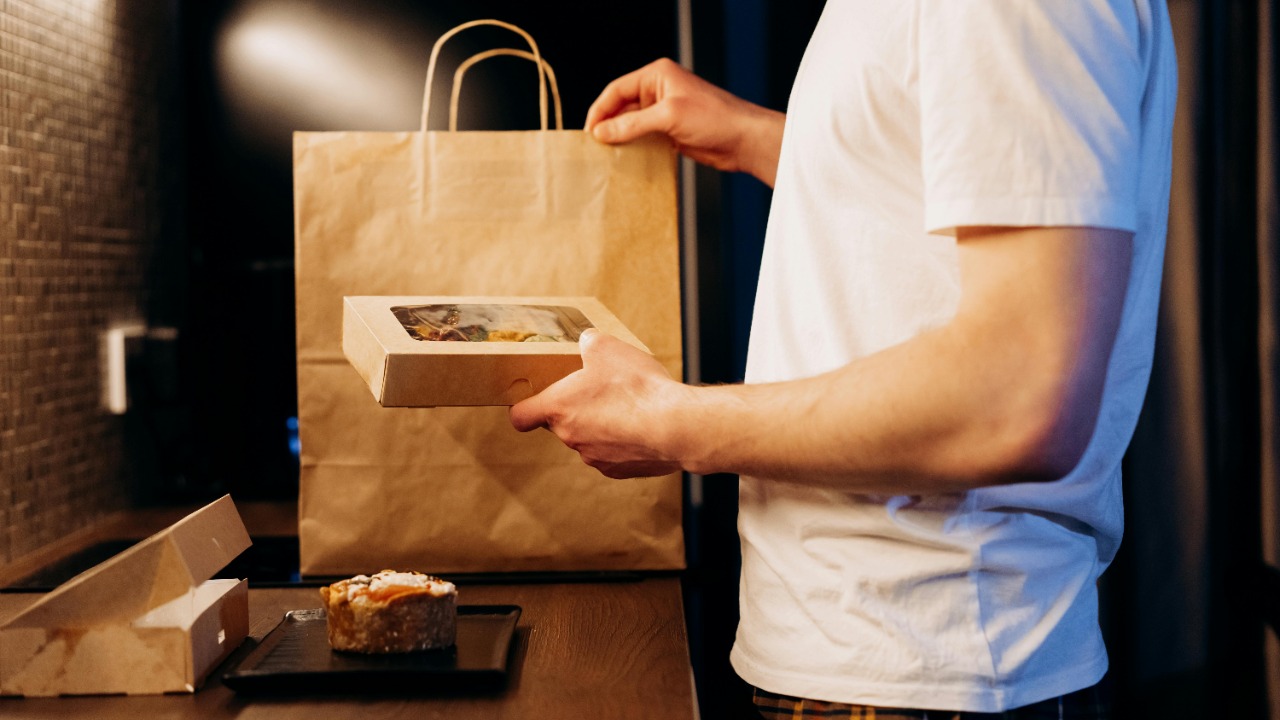
While it’s common in many countries to ask for a doggy bag if you can’t finish your meal, in France, this is generally considered impolite. French cuisine is all about enjoying the meal in the moment. Asking to take the leftovers home might imply that you didn’t enjoy the food or that you’re being wasteful.
The Local France explains that while the concept of doggy bags is gradually becoming more accepted due to waste reduction initiatives, it’s still not part of the traditional dining etiquette. Understanding this can help you avoid any potential misunderstandings.
6. Tipping Etiquette
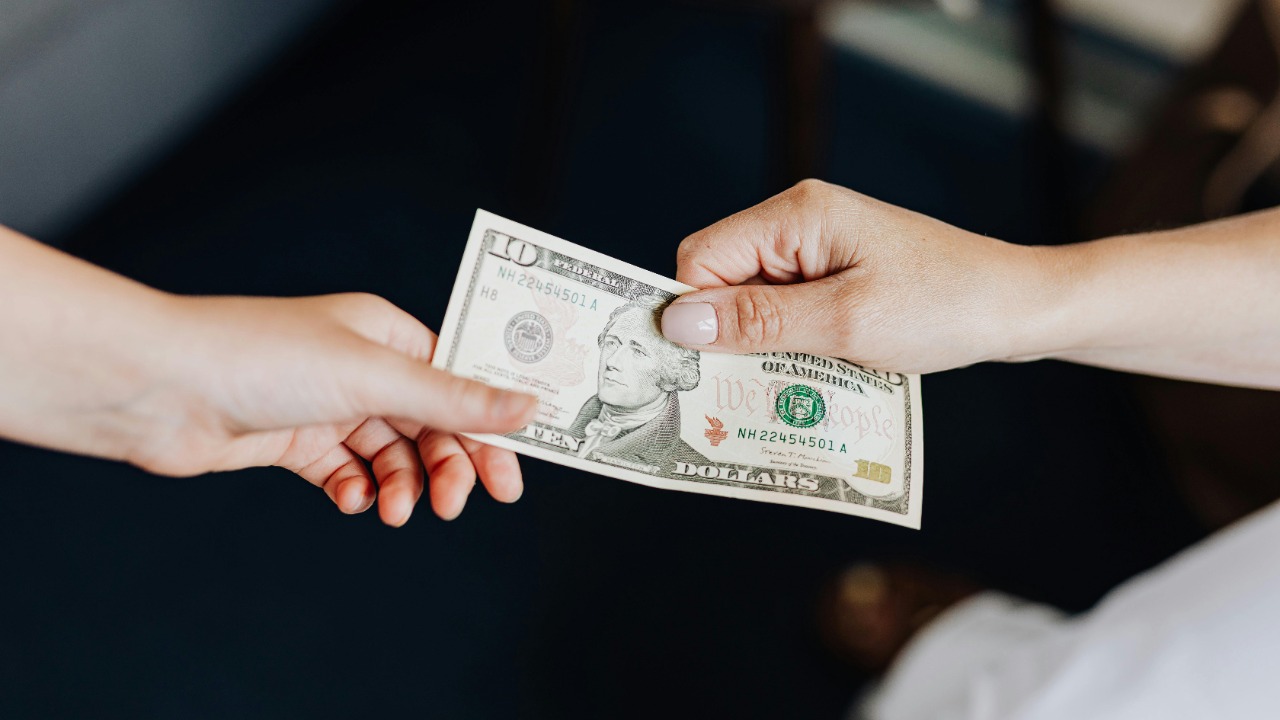
Unlike in many other countries, tipping in France isn’t mandatory. Service charge is already included in the bill, and it’s up to the customer whether to leave an additional tip. If you do decide to tip, it’s usually a modest amount, rounding up to the next euro or leaving a few extra coins.
As Rick Steves points out, understanding the local tipping etiquette can save you money. It’s also a way to show respect for local customs and practices.
7. No Hands in Lap
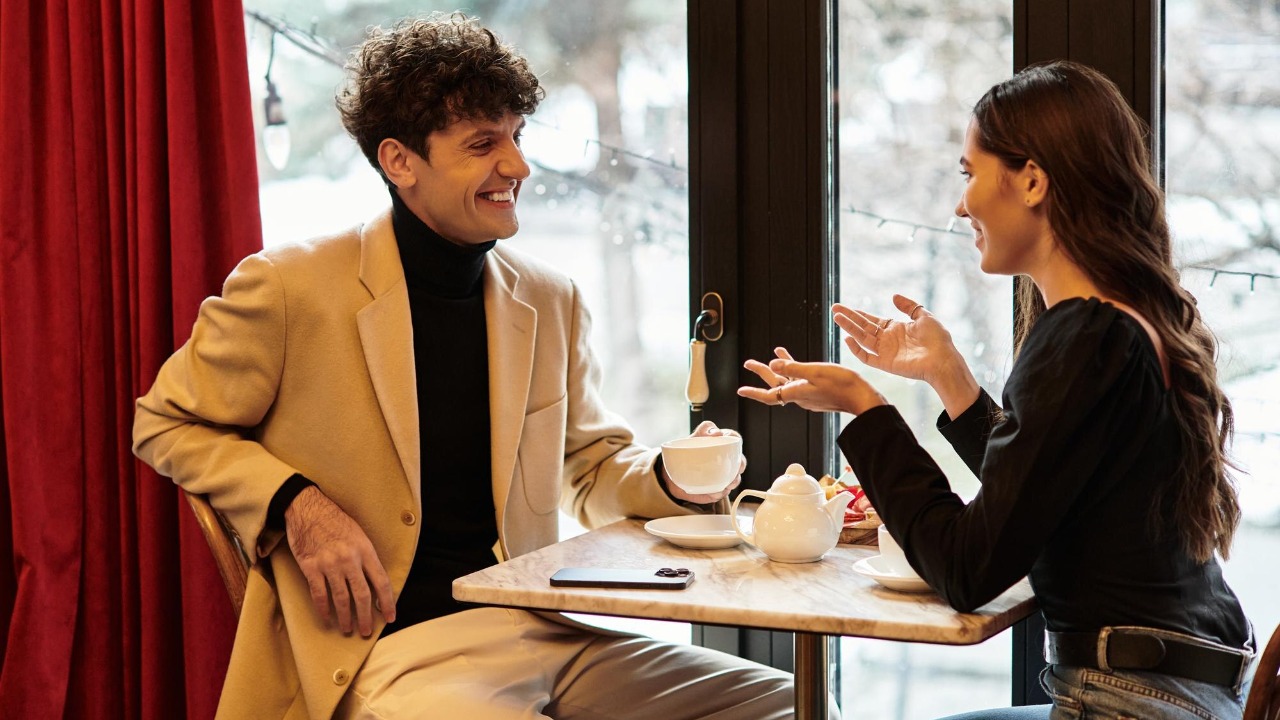
While it’s common in some cultures to keep your hands in your lap when not using utensils, in France, it’s considered polite to keep your hands on the table. This doesn’t mean elbows are allowed on the table, but your wrists should be visible throughout the meal.
Elle Decor confirms that understanding these subtle differences in table manners can make your dining experience more enjoyable. It can also help you feel more confident and comfortable in French dining settings.
8. Coffee After Meal
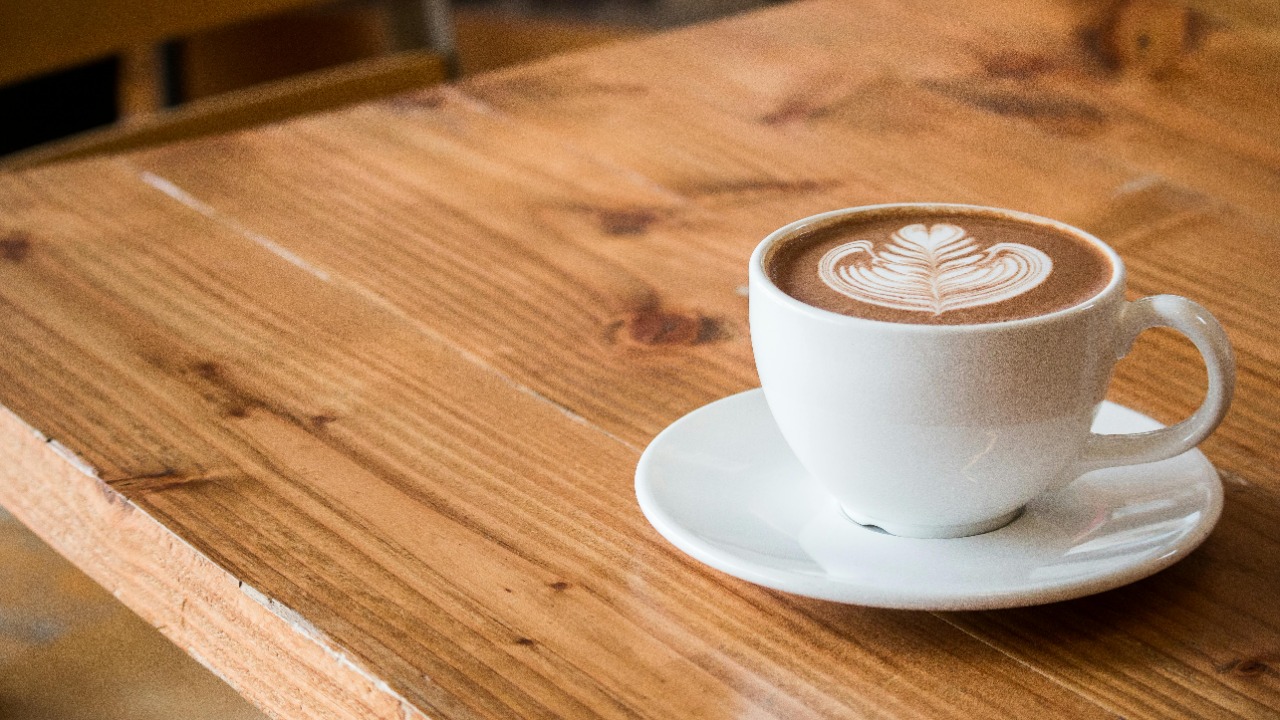
In France, coffee is usually served after the meal, not during. It’s considered a way to end the meal and aid digestion. While it’s common in many cultures to enjoy coffee with dessert, in France, coffee is the dessert. It’s usually served black, but sometimes with a small piece of chocolate or a biscuit.
As BonAppetour points out, understanding when and how coffee is served in France can enhance your dining experience. It’s also a great way to immerse yourself in the rhythm of French meals.
9. Wait for the Host
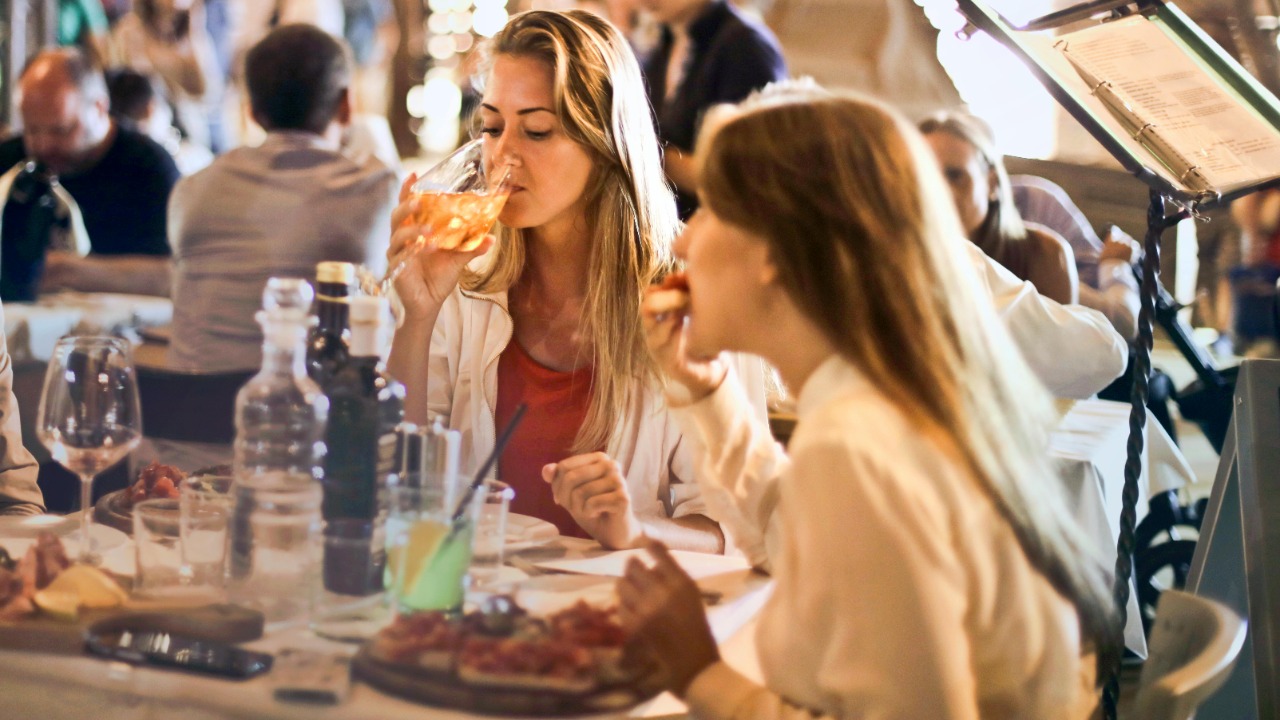
One of the most fundamental rules in French dining is waiting for the host to start eating before you do. The host sets the pace for the meal, and it’s considered polite to wait until they’ve started eating before you begin. This practice shows respect for the host and the effort they’ve put into preparing the meal.
According to Expatica, understanding these social cues can help you navigate French dining settings more smoothly. It also shows your understanding and appreciation of French etiquette.
10. No Cellphones at the Table

In France, using your cellphone at the table is considered quite rude. Meals are seen as a time for conversation and connection, not for checking emails or social media. Keeping your phone in your pocket or bag throughout the meal shows respect for your dining companions and the culinary experience.
The France Inter emphasizes that this rule isn’t just about politeness – it’s about preserving the quality of the dining experience. By keeping phones away, you can fully enjoy the food and the company.

As a mom of three busy boys, I know how chaotic life can get — but I’ve learned that it’s possible to create a beautiful, cozy home even with kids running around. That’s why I started Cultivated Comfort — to share practical tips, simple systems, and a little encouragement for parents like me who want to make their home feel warm, inviting, and effortlessly stylish. Whether it’s managing toy chaos, streamlining everyday routines, or finding little moments of calm, I’m here to help you simplify your space and create a sense of comfort.
But home is just part of the story. I’m also passionate about seeing the world and creating beautiful meals to share with the people I love. Through Cultivated Comfort, I share my journey of balancing motherhood with building a home that feels rich and peaceful — and finding joy in exploring new places and flavors along the way.