Have you ever wondered how you end up spending more money than intended at grocery stores? Grocery stores are adept at using subtle tactics to influence your purchasing behavior. Knowing these tactics can help you make smarter shopping decisions, save money, and avoid unnecessary purchases.
This list is based on real-world trends, data, and expert interviews, providing an illuminating insight into the marketing strategies employed by grocery stores. Expect to uncover the hidden tricks of the trade, understand the psychology behind them, and learn how to counteract them effectively.
1. Strategic Store Layout
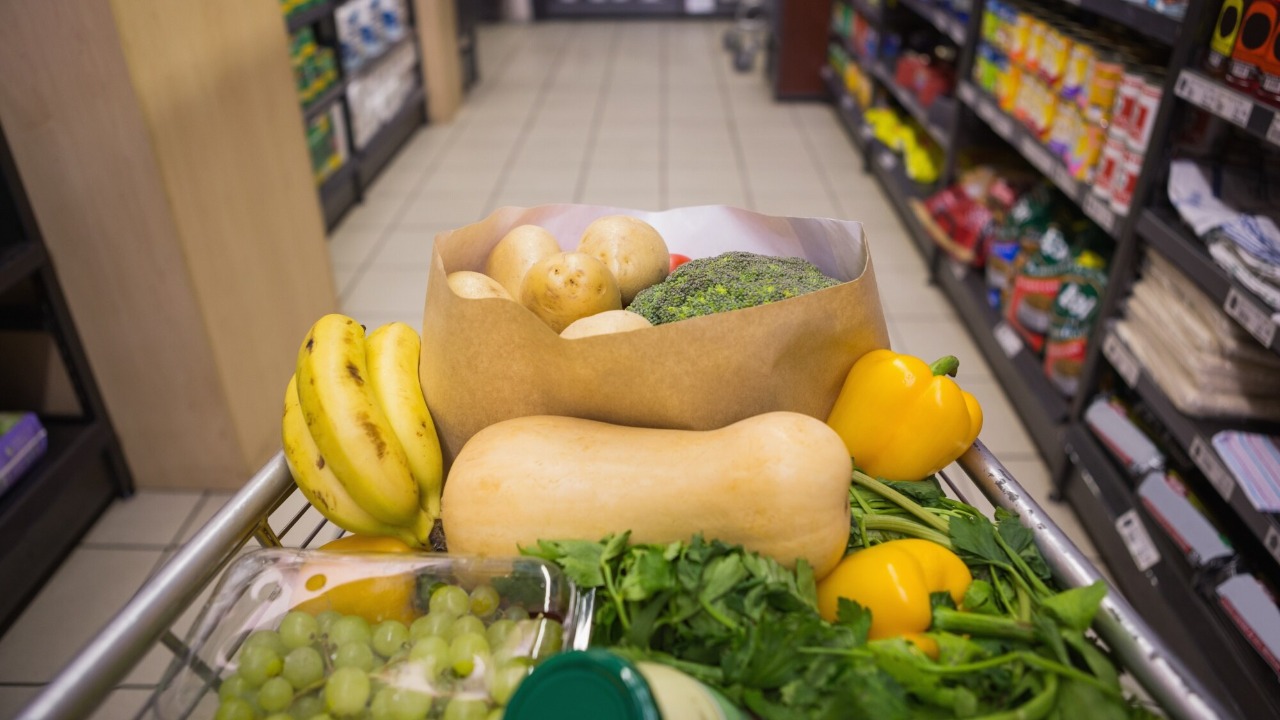
Ever noticed how items like dairy products, eggs, and meat — the essentials you shop for — are often located at the back of the store? This is a strategic move designed to make shoppers pass by various other tempting products before they reach their needed items, encouraging impulse purchases.
With the current trend of online shopping, even digital grocery stores have started implementing this strategy on their websites. By understanding this tactic, you can make a beeline for what you need and resist the allure of unnecessary items. Read more about this phenomenon on JSTOR.
2. Eye-Level Products
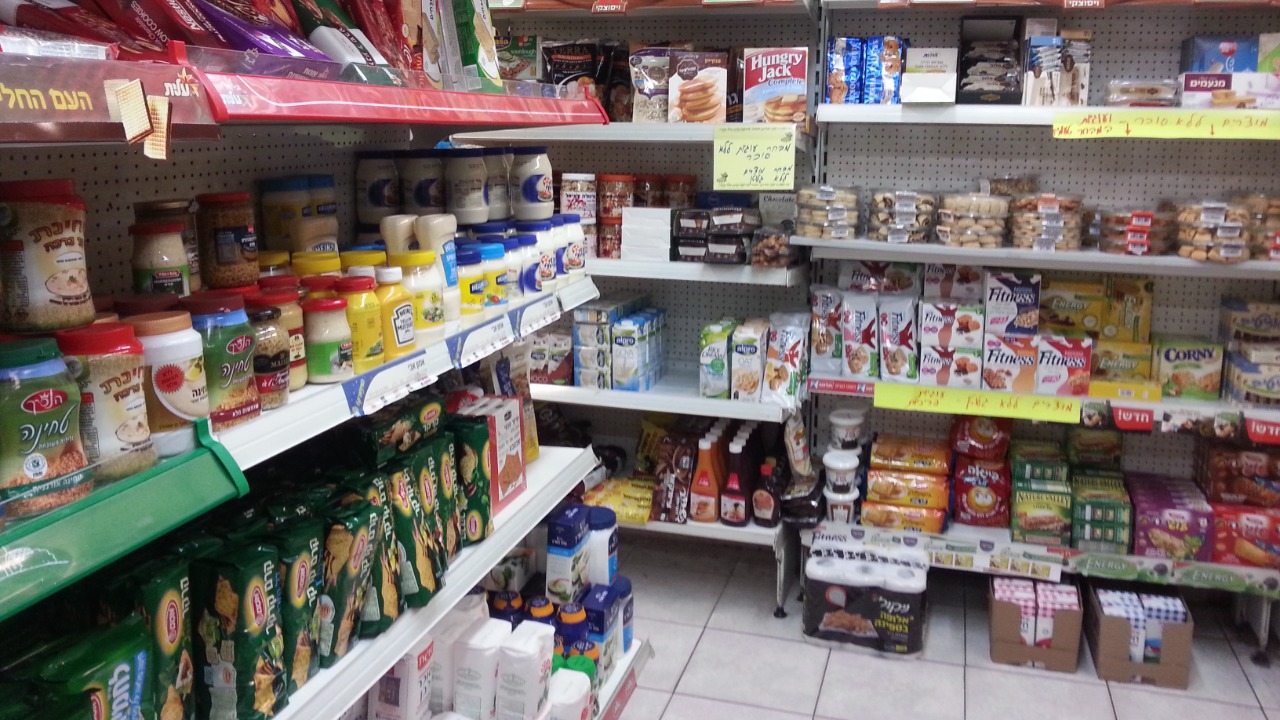
Products placed at eye-level are often more expensive than those on the top or bottom shelves. This is because grocery stores know that customers are more likely to choose products that are easier to see and reach. The less expensive, generic brands are usually placed on the higher or lower shelves.
With the rising cost of living, it’s essential to make every penny count. Be aware of this marketing trick and make sure to check all shelves for the best value. ScienceDirect offers more insight into this technique.
3. End-of-Aisle Displays
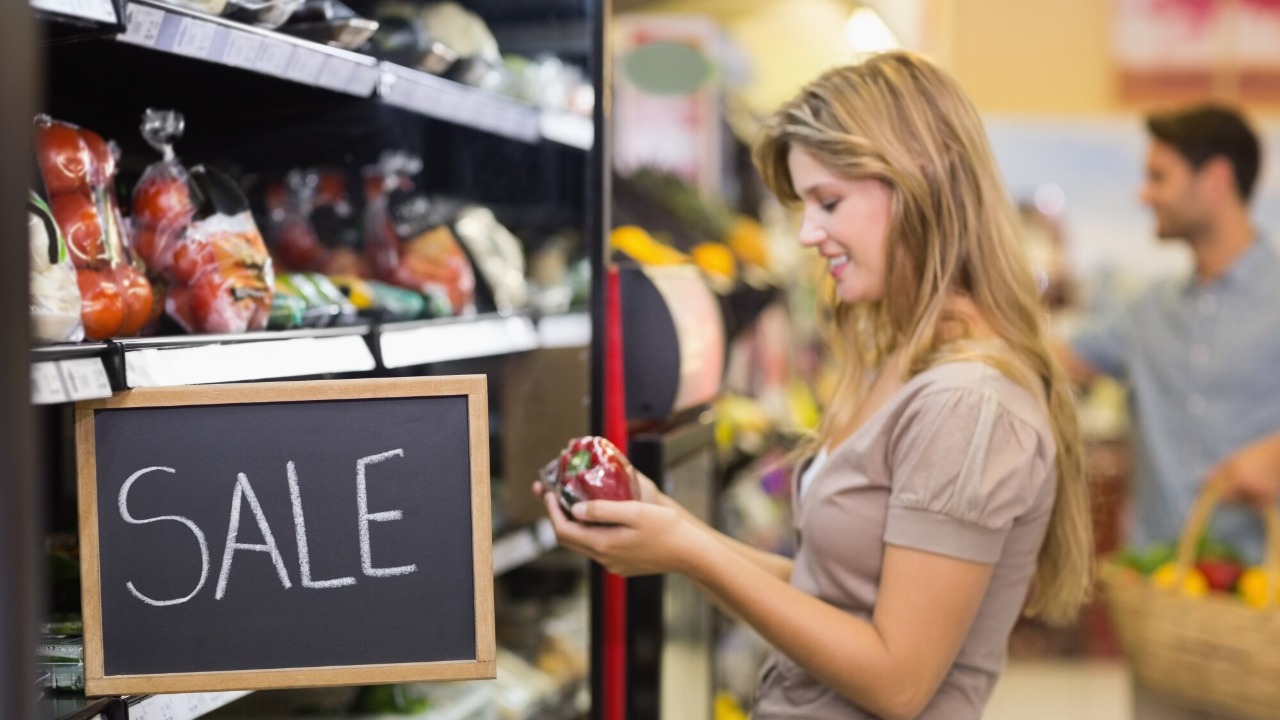
End-of-aisle displays, also known as end caps, are often perceived by customers as special deals. However, these products are not necessarily on sale. Stores use these high-visibility spots to promote high-profit products and impulse purchases.
In today’s economy, it’s crucial to be a savvy shopper. Before falling for the end-cap trap, check if the item is genuinely discounted. The Federal Trade Commission provides guidelines on how to identify genuine deals.
4. Sale Signs
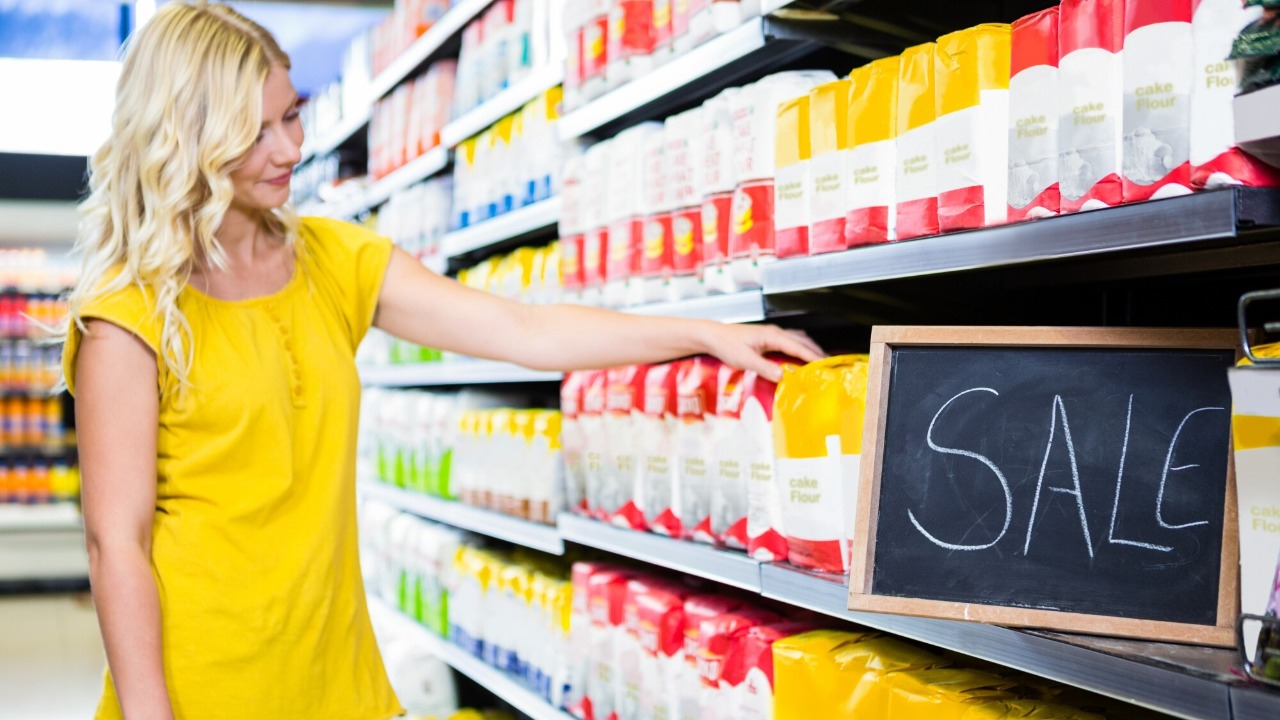
Stores use sale signs to grab customers’ attention, making them believe they’re getting a bargain. But sometimes, the ‘sale’ price is the same as the regular price. It’s a psychological trick to make you think you’re saving money when you’re not.
Given the current inflation rates, it’s important to be on your guard against such deceptive practices. Always compare prices before you buy. Learn more about this tactic from the Federal Trade Commission.
5. Free Samples

Who doesn’t love free samples? But did you know they’re yet another tactic to get you to spend more? Free samples slow you down, expose you to new products, and create a sense of obligation to buy.
Given the current focus on mindful consumption, it’s crucial to buy only what you need. Enjoy the free sample, but don’t feel compelled to purchase. PLOS ONE has published a study about the impact of free samples on purchasing behavior.
6. Smell and Sounds

Ever noticed the smell of freshly baked bread or the sound of upbeat music in grocery stores? These sensory cues are designed to make you spend more time in the store, leading to more purchases.
With the current stress on mental health, it’s important to be aware of how our senses can be manipulated. The American Psychological Association discusses how sensory cues influence consumer behavior.
7. Checkout Line Temptations

The checkout line is strategically designed to tempt you with impulse buys like candy, magazines, and small gadgets. While you’re waiting, you’re more likely to add these items to your cart.
With the increasing importance of budgeting, it’s essential to resist these last-minute temptations. The Journal of Marketing discusses the psychology of impulse buying.
8. Larger Shopping Carts

Have you noticed that shopping carts are getting bigger? This is a deliberate tactic. A larger cart makes it appear as though you’ve bought less, encouraging you to add more items.
In this era of conscious consumption, it’s important to buy only what you need. The Journal of Retailing and Consumer Services discusses the impact of shopping cart size on consumer behavior.
9. High-Priced Items at the Front

Grocery stores often display high-priced items, like fresh flowers or organic produce, at the entrance. This sets a high-price perception and primes you to overspend.
Given the current financial instability, it’s crucial to be aware of these tactics. The Journal of Consumer Research explores how product placement influences spending.
10. Loyalty Programs

Many grocery stores offer loyalty programs, enticing you with special discounts and rewards. However, these programs often encourage you to buy more than you need to earn points or qualify for discounts.
In today’s economy, it’s essential to buy smart. The Journal of Marketing Research discusses the effects of loyalty programs on purchasing behavior.

As a mom of three busy boys, I know how chaotic life can get — but I’ve learned that it’s possible to create a beautiful, cozy home even with kids running around. That’s why I started Cultivated Comfort — to share practical tips, simple systems, and a little encouragement for parents like me who want to make their home feel warm, inviting, and effortlessly stylish. Whether it’s managing toy chaos, streamlining everyday routines, or finding little moments of calm, I’m here to help you simplify your space and create a sense of comfort.
But home is just part of the story. I’m also passionate about seeing the world and creating beautiful meals to share with the people I love. Through Cultivated Comfort, I share my journey of balancing motherhood with building a home that feels rich and peaceful — and finding joy in exploring new places and flavors along the way.