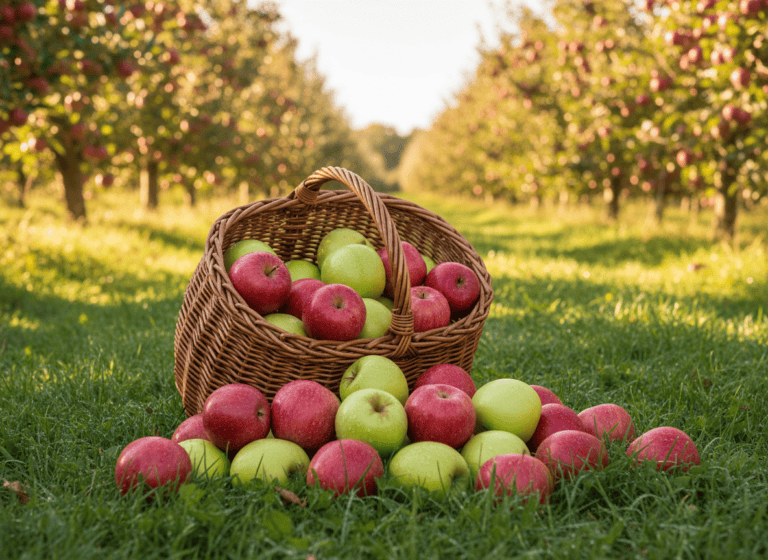
1. Black Beans
Black beans are a staple in many cultures around the world, however, they are often overlooked as a source of dietary fiber. They are not only packed with protein, but they also contain around 15 grams of fiber per cup. Despite their value, many people bypass black beans due to their bland flavor and the misconception that they can cause digestive discomfort.
Today, as more people seek out high-fiber foods to support digestive health and weight management, black beans are gaining recognition. Experts also highlight that incorporating black beans into your diet can help regulate blood sugar levels, making them particularly beneficial for people with diabetes. You can find more about this on the Harvard T.H. Chan School of Public Health page.
2. Chia Seeds
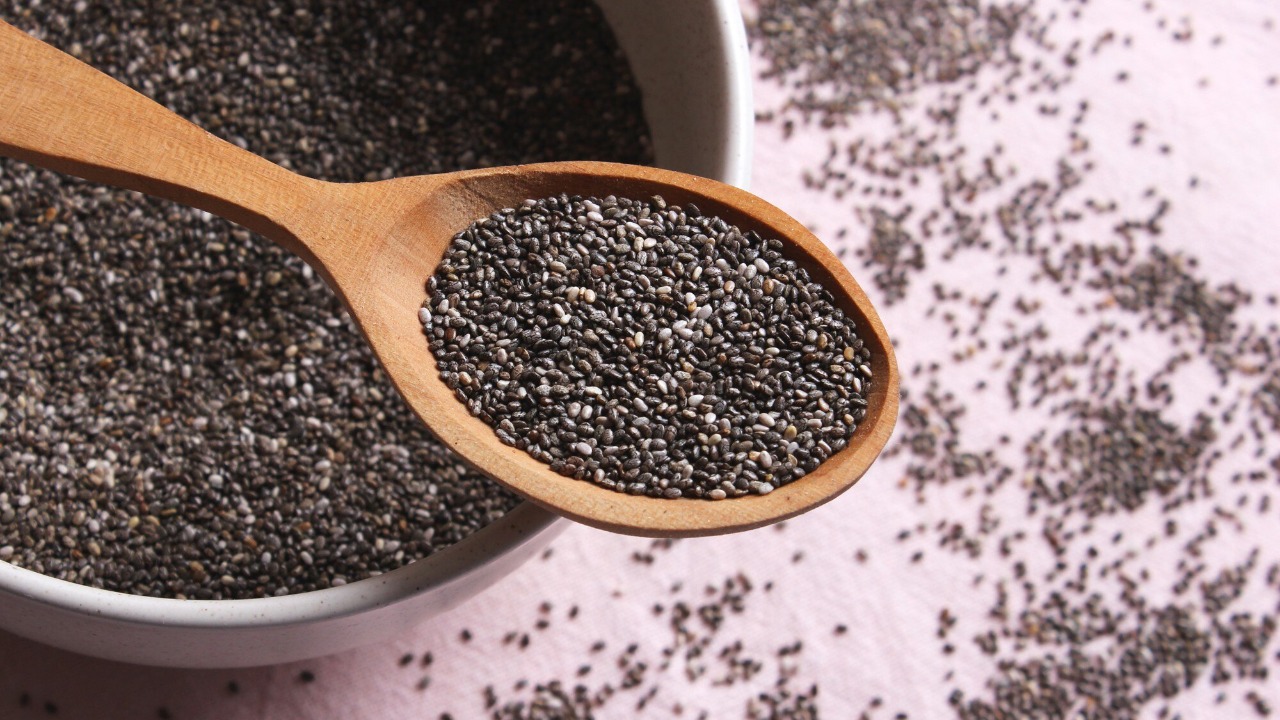
Chia seeds, despite their tiny size, are a powerhouse of fiber and other nutrients. They are often overlooked, perhaps due to their relative novelty in Western diets, as well as their higher price point compared to more traditional sources of fiber. However, with 11 grams of fiber per ounce, chia seeds are an excellent way to boost fiber intake.
Today, as the trend for superfoods and plant-based diets continue to rise, the value of chia seeds is increasingly acknowledged. Nutritionists advise that they can be easily added to smoothies, salads, and cereals for a fiber boost. More information about their health benefits can be found on the Harvard Health Blog.
3. Pears
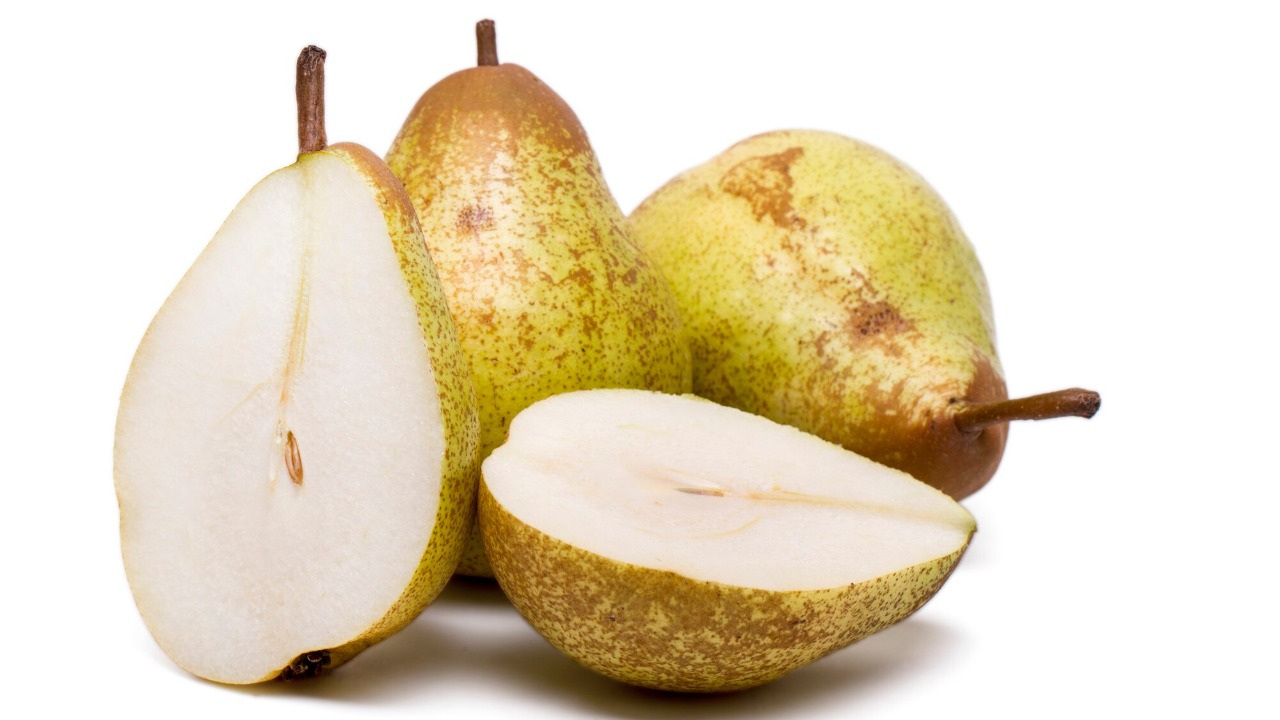
Pears, despite being a common fruit, are often overlooked when considering high-fiber foods. Each medium-sized pear contains about 6 grams of fiber. They are often overshadowed by more exotic fruits or more common sources of fiber like apples and oranges.
However, as consumer awareness about the importance of dietary fiber increases, pears are regaining their rightful place. Beyond fiber, pears also offer a range of essential nutrients, including vitamin C and potassium. For more information about the nutritional profile of pears, visit the USDA’s blog.
4. Lentils

Lentils, despite their nutritional value, are often overlooked in favor of other high-protein foods. They are a great source of fiber, with 15.6 grams per cup. Many people bypass lentils because they can be time-consuming to prepare or because they are unfamiliar with how to incorporate them into meals.
Today, as plant-based diets gain popularity, lentils are becoming more appreciated for their high fiber content and versatility in cooking. Nutritionists also highlight their role in maintaining heart health and stabilizing blood sugar levels. More insights into the health benefits of lentils can be found at the Harvard T.H. Chan School of Public Health page.
5. Avocados
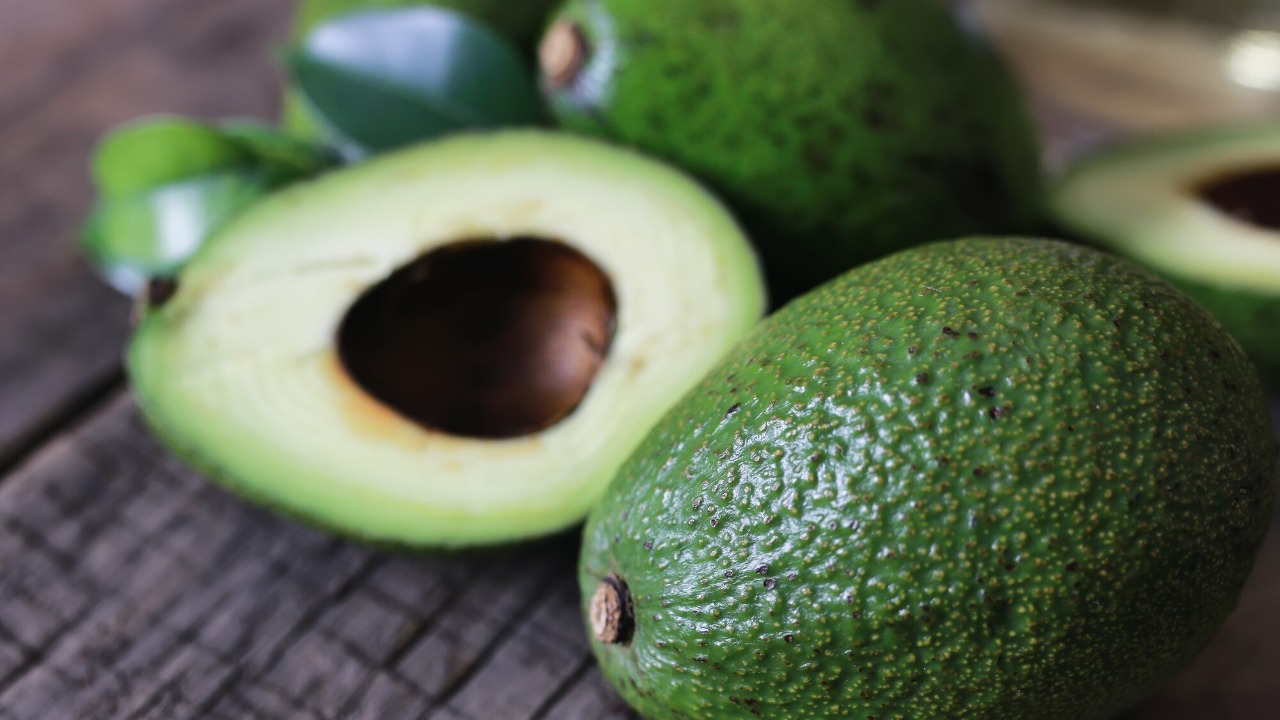
Avocados are often celebrated for their healthy fats, but many overlook their high fiber content. One avocado contains around 13.5 grams of fiber. Some people might avoid avocados due to their high calorie content or because they are unfamiliar with how to prepare them.
However, as the demand for nutrient-dense foods grows, the value of avocados is increasingly recognized. Besides fiber, avocados are rich in vitamins, minerals, and heart-healthy monounsaturated fats. For more on the health benefits of avocados, visit the California Avocado Commission page.
6. Raspberries
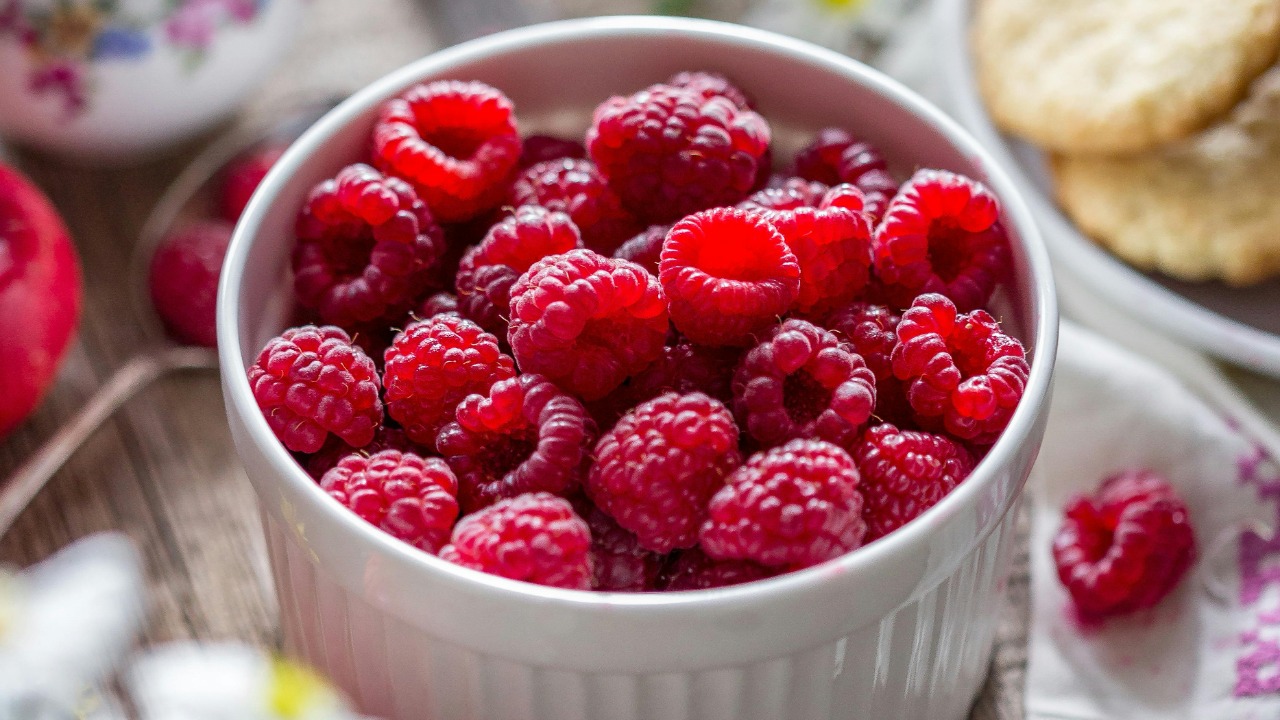
Raspberries are often overshadowed by more popular fruits like strawberries or blueberries. However, with 8 grams of fiber per cup, raspberries are a high-fiber food that many people overlook. Some might bypass them due to their slightly higher price point or because they are less commonly found in grocery stores.
Today, as consumers seek out foods with multiple health benefits, raspberries are becoming more appreciated. They are not only high in fiber, but they also contain a significant amount of vitamin C and manganese. For more information about the nutritional profile of raspberries, visit the USDA SNAP-Ed page.
7. Almonds
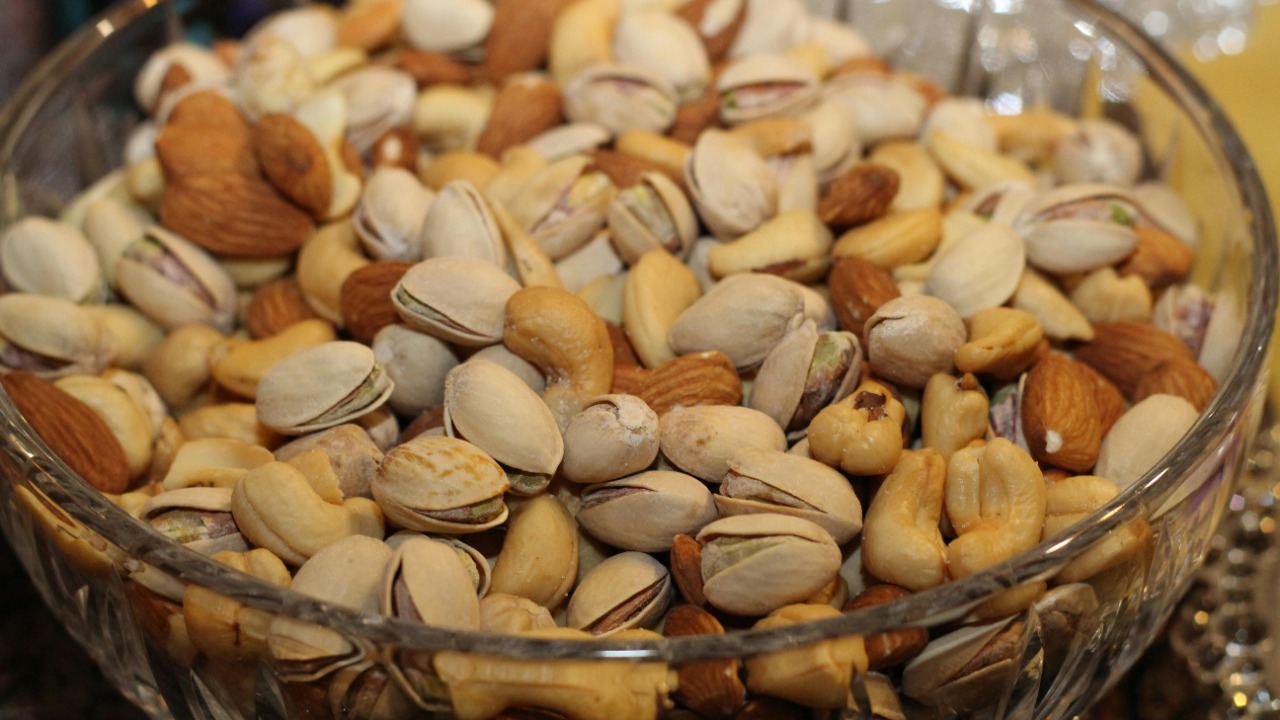
Almonds are often consumed for their protein and healthy fat content, but many people overlook their high fiber content. One ounce of almonds contains around 3.5 grams of fiber. Some might bypass them due to their high calorie content or because they are typically more expensive than other nuts.
However, as the trend for nutrient-dense snacks increases, the value of almonds is increasingly recognized. They are a versatile food that can be included in a variety of dishes or eaten as a snack. For more on the health benefits of almonds, visit the Almond Board of California page.
8. Oats
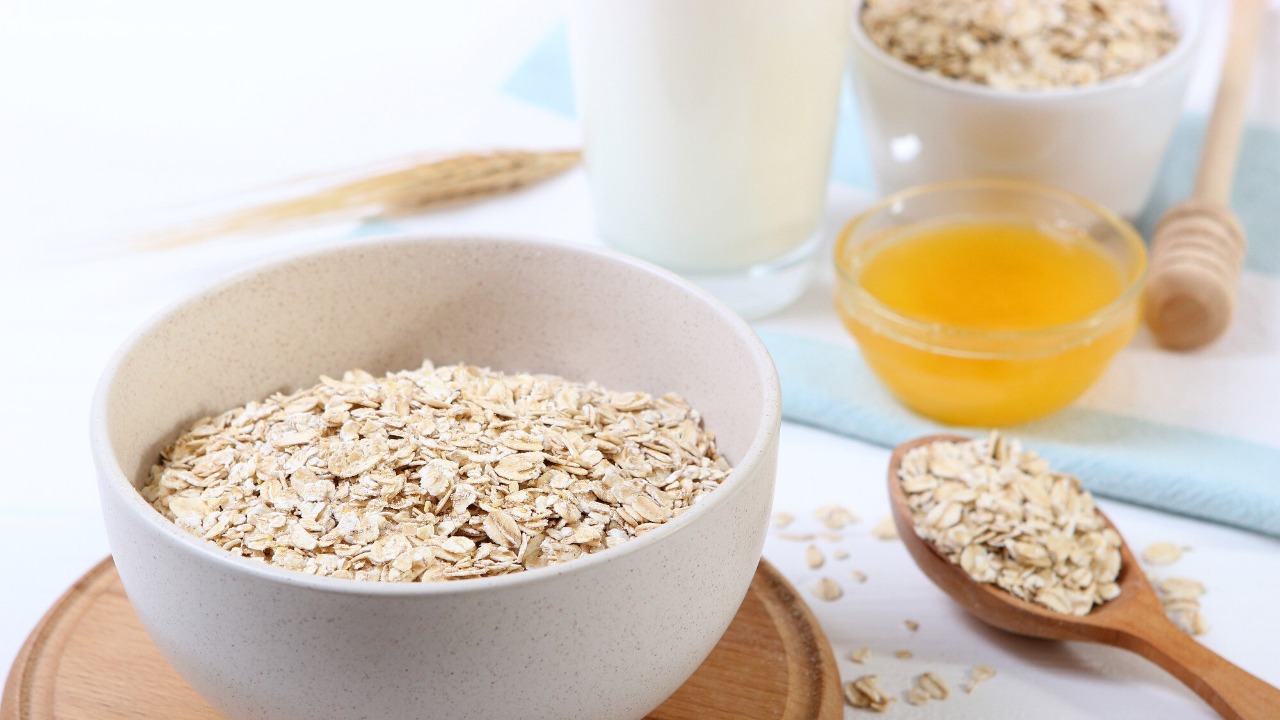
Oats are a common breakfast food, but their high fiber content is often overlooked. One cup of oats contains around 8 grams of fiber. Some people might bypass them due to their bland taste or because they prefer other breakfast options.
Today, as the importance of a healthy breakfast is increasingly recognized, oats are gaining in popularity. They are not only high in fiber but also contain a significant amount of protein. For more information about the health benefits of oats, visit the Harvard T.H. Chan School of Public Health page.
9. Artichokes
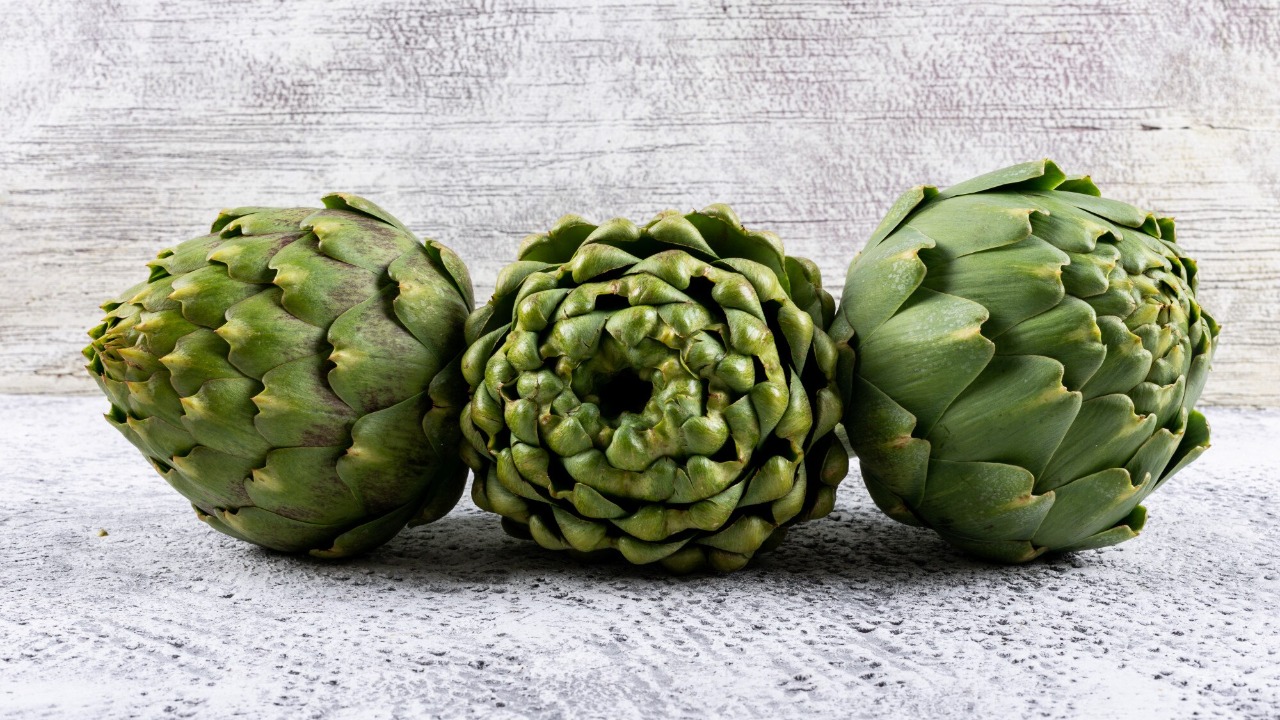
Artichokes are often bypassed due to their unusual appearance and the misconception that they are difficult to prepare. However, one medium artichoke contains around 10.3 grams of fiber, making it a high-fiber food that people often overlook.
As consumers seek out unique and nutrient-dense foods, the value of artichokes is increasingly recognized. They are not only high in fiber but also contain a significant amount of vitamins and minerals. For more information about the health benefits of artichokes, visit the USDA Agricultural Research Service page.
10. Quinoa
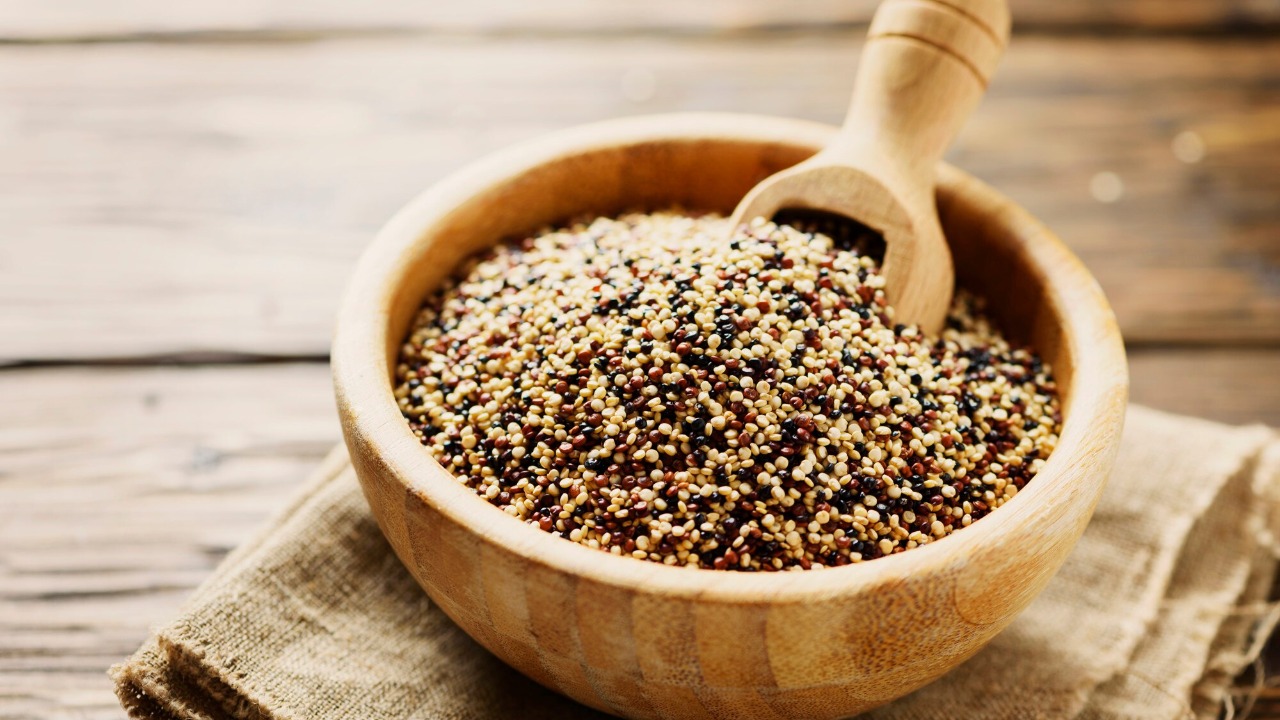
Quinoa is often celebrated for its protein content, but its high fiber content is often overlooked. One cup of cooked quinoa contains around 5 grams of fiber. Some people might bypass quinoa due to its slightly higher price point or because they are unfamiliar with how to prepare it.
However, with the growing popularity of plant-based diets, quinoa’s value as a high-fiber food is increasingly recognized. It not only offers fiber but also contains all nine essential amino acids, making it a complete protein. For more on the health benefits of quinoa, visit the Harvard T.H. Chan School of Public Health page.

As a mom of three busy boys, I know how chaotic life can get — but I’ve learned that it’s possible to create a beautiful, cozy home even with kids running around. That’s why I started Cultivated Comfort — to share practical tips, simple systems, and a little encouragement for parents like me who want to make their home feel warm, inviting, and effortlessly stylish. Whether it’s managing toy chaos, streamlining everyday routines, or finding little moments of calm, I’m here to help you simplify your space and create a sense of comfort.
But home is just part of the story. I’m also passionate about seeing the world and creating beautiful meals to share with the people I love. Through Cultivated Comfort, I share my journey of balancing motherhood with building a home that feels rich and peaceful — and finding joy in exploring new places and flavors along the way.