1. Packaged Snacks
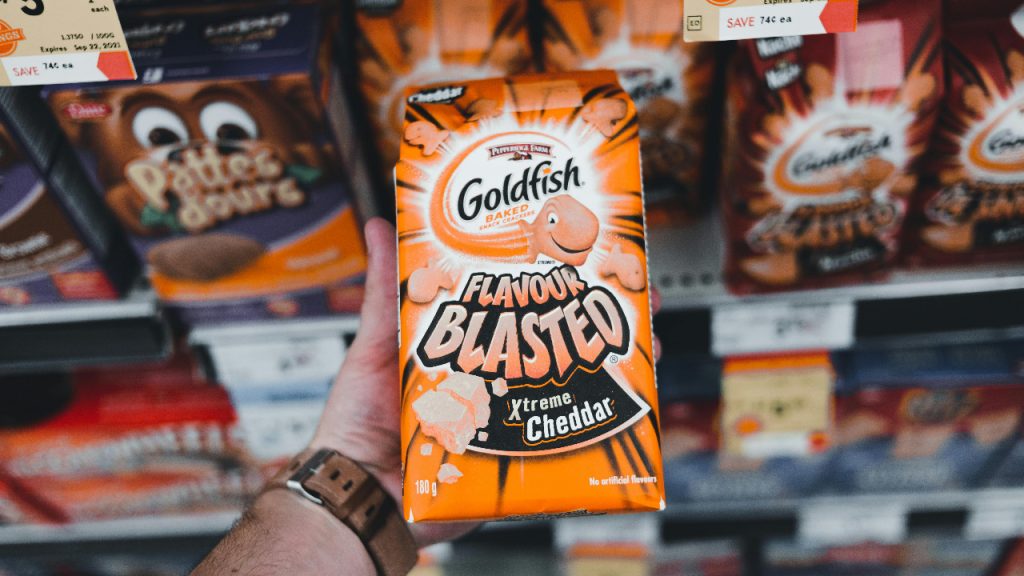
When we think of seed oils, we often think about bottles of oil used for cooking. However, seed oils are found in many other everyday items, one of which is packaged snacks. These snacks are often fried or baked using seed oils, making them a significant source of hidden seed oils in our kitchens. Despite the convenience they offer, many people overlook the presence of seed oils in these snacks, focusing instead on their taste and portability.
In the current health-conscious era, it’s crucial to be aware of what we’re consuming. The overconsumption of seed oils, particularly those high in omega-6 fatty acids, can lead to inflammation and other health issues. As such, it’s important to check the ingredients of packaged snacks and opt for those that use healthier oils or no oil at all. Harvard Health provides an in-depth look at the impact of seed oils on our health.
2. Salad Dressings

Salad dressings, while enhancing the flavor of our vegetables, can also be a significant source of seed oils. Many store-bought dressings use seed oils as a base, including canola, sunflower, or soybean oil. Most consumers tend to overlook this fact, focusing instead on the taste and convenience of these dressings.
As the trend towards healthier eating continues, understanding the presence of seed oils in salad dressings is increasingly important. Many dieticians and health experts are advising consumers to make their own dressings at home, allowing them to control the type and amount of oil used. Harvard T.H. Chan School of Public Health provides a number of healthy, homemade salad dressing recipes to try.
3. Baked Goods
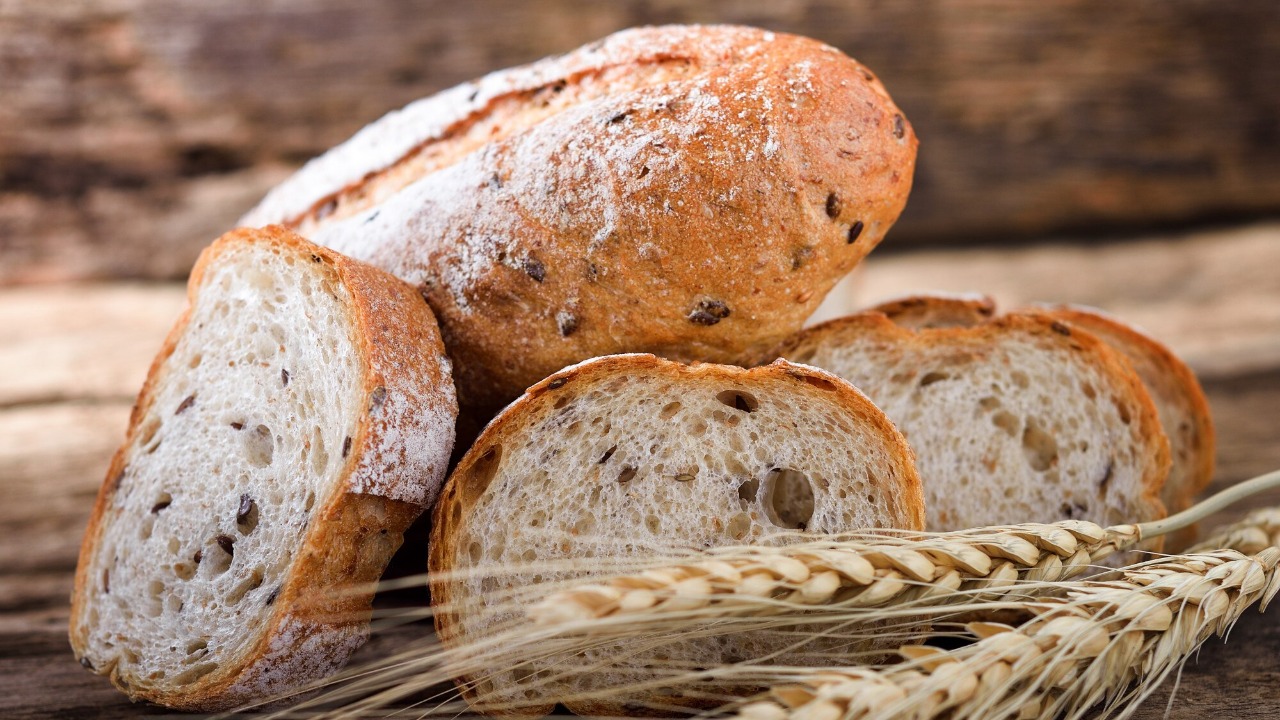
Baked goods, including bread, cakes, and cookies, often contain seed oils. These oils are used in baking for their ability to keep baked goods moist and extend their shelf life. Many consumers are unaware of this, focusing instead on the delicious taste and comforting nature of these foods.
With the rise in home baking and increased focus on healthy eating, it’s important to be aware of the presence of seed oils in baked goods. By baking at home, you can control the ingredients used and opt for healthier oil alternatives. The American Heart Association provides guidance on healthier oil options for baking.
4. Mayonnaise
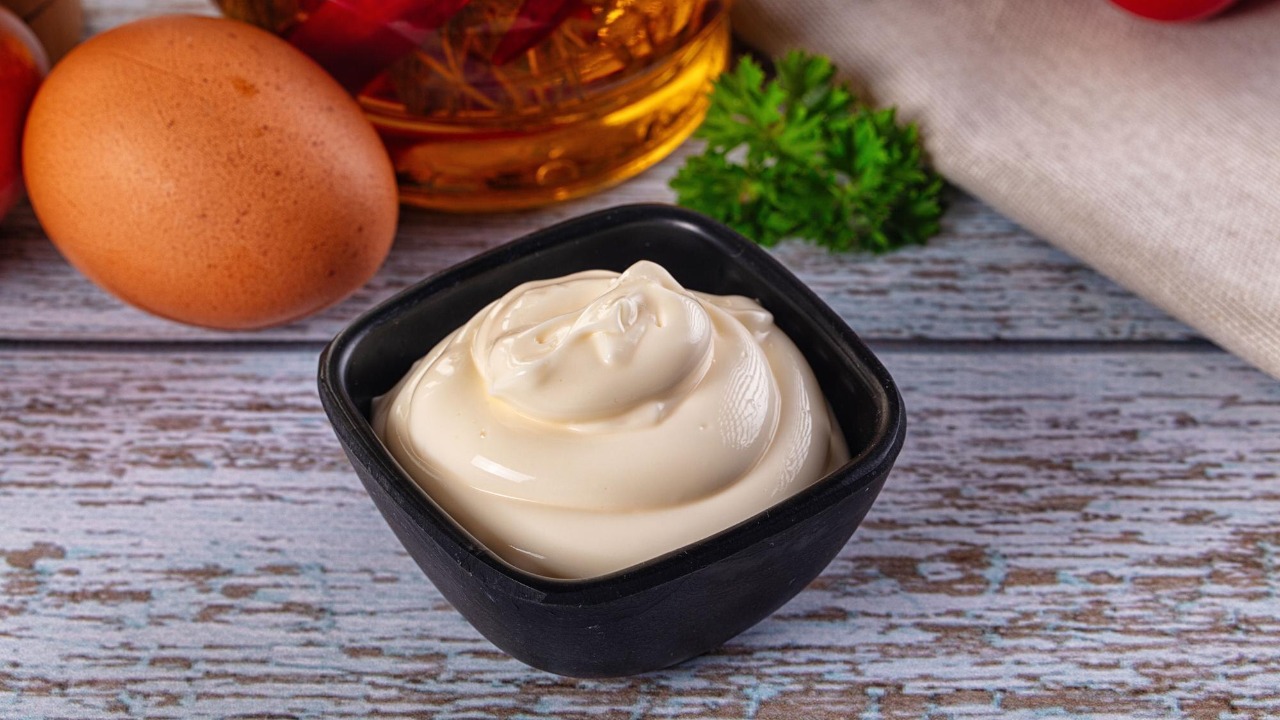
Mayonnaise is another common kitchen staple that contains hidden seed oils. These oils, such as soybean or canola oil, are used as the base in most store-bought mayonnaise. Despite this, many consumers overlook the presence of seed oils in mayonnaise, focusing instead on its creamy texture and flavor-enhancing properties.
As more consumers strive to eat healthily, understanding the presence of seed oils in foods like mayonnaise is important. Many health experts recommend making homemade mayonnaise using healthier oils or using mayonnaise alternatives. Healthline provides several healthier mayonnaise options and recipes.
5. Margarine
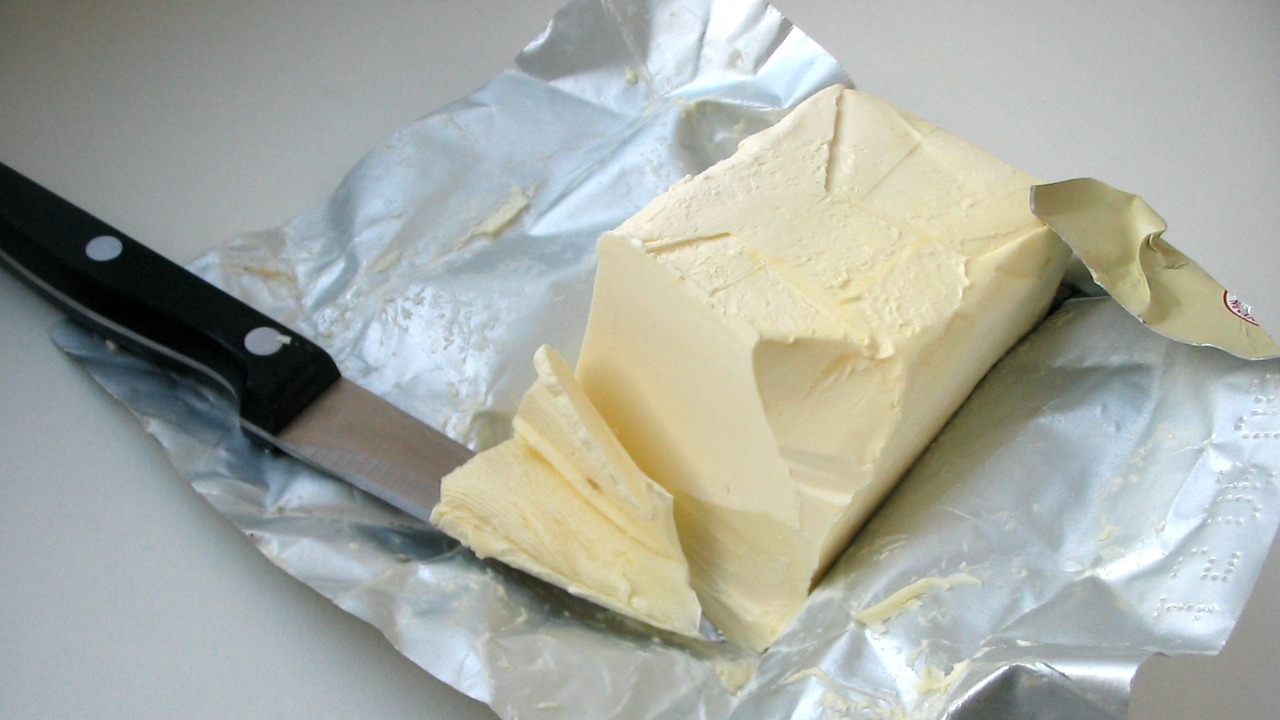
Margarine, often used as a butter substitute, is another source of hidden seed oils. It’s made by hydrogenating vegetable oils, many of which come from seeds. While it’s often chosen for its lower saturated fat content, consumers may overlook the presence of seed oils.
With the ongoing debate about the health impacts of margarine versus butter, it’s important to understand what margarine is made of. Health experts suggest using alternatives like olive oil or avocado oil instead. Mayo Clinic provides detailed information on the butter versus margarine debate, including healthier alternatives.
6. Ready-Made Meals
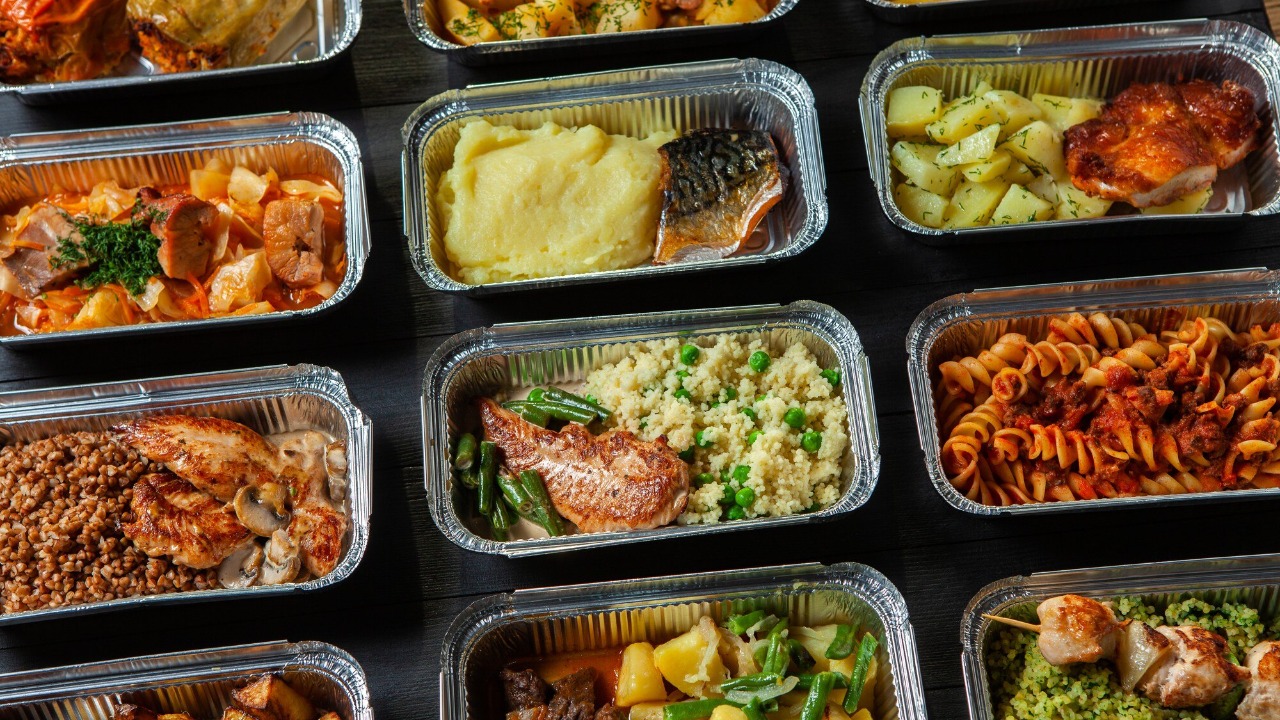
Ready-made meals are convenient, but they often contain hidden seed oils. These oils are used in the cooking process or as a preservative. While these meals save time and effort, many consumers don’t realize the amount of seed oils they contain.
With the current trend toward healthier eating, it’s important to be aware of the ingredients in ready-made meals. Opting for fresh, homemade meals or choosing ready-made meals with healthier ingredients can make a big difference. The Academy of Nutrition and Dietetics offers guidance on what to look for when buying ready-made meals.
7. Peanut Butter
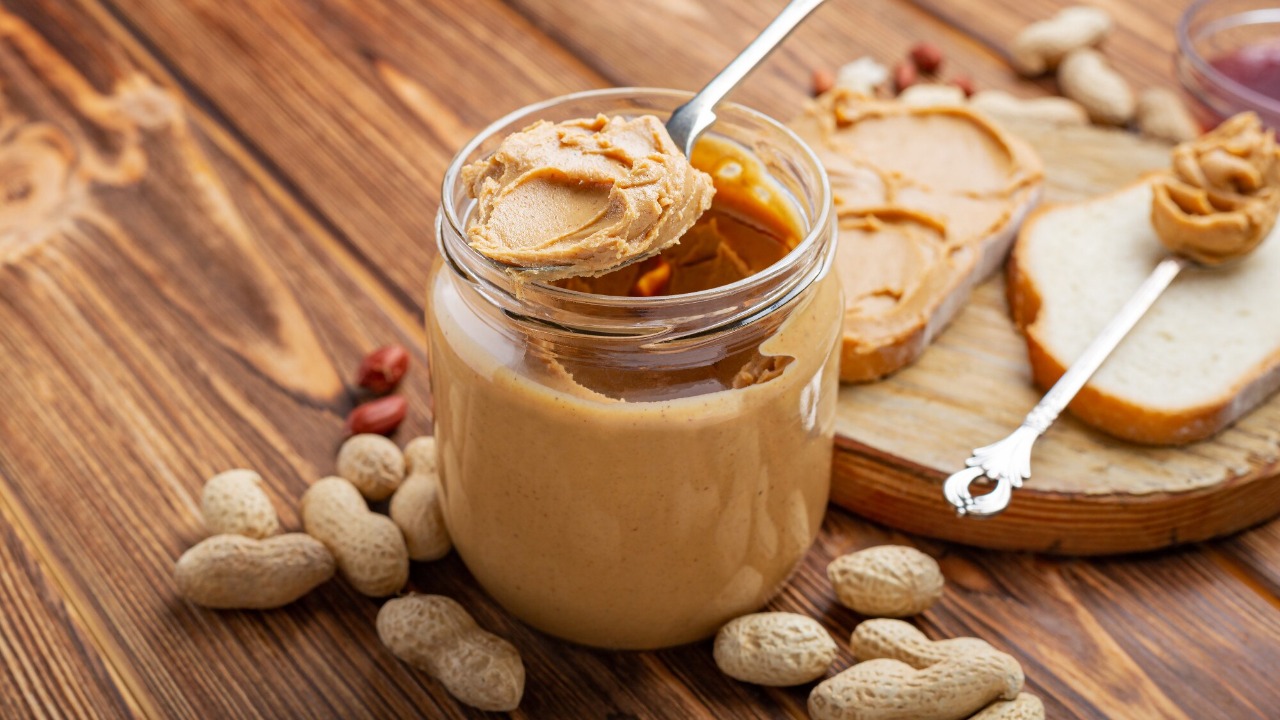
Peanut butter is a delicious and nutritious spread, but it often contains hidden seed oils. These are added to improve the spread’s texture and shelf life. Many consumers overlook this, focusing instead on peanut butter’s taste and nutritional benefits.
As consumers become more health-conscious, understanding the presence of seed oils in peanut butter is crucial. Opting for natural versions without added oils or making your own at home can be healthier options. Medical News Today provides a comparison of different types of peanut butter and their nutritional values.
8. Frozen Foods
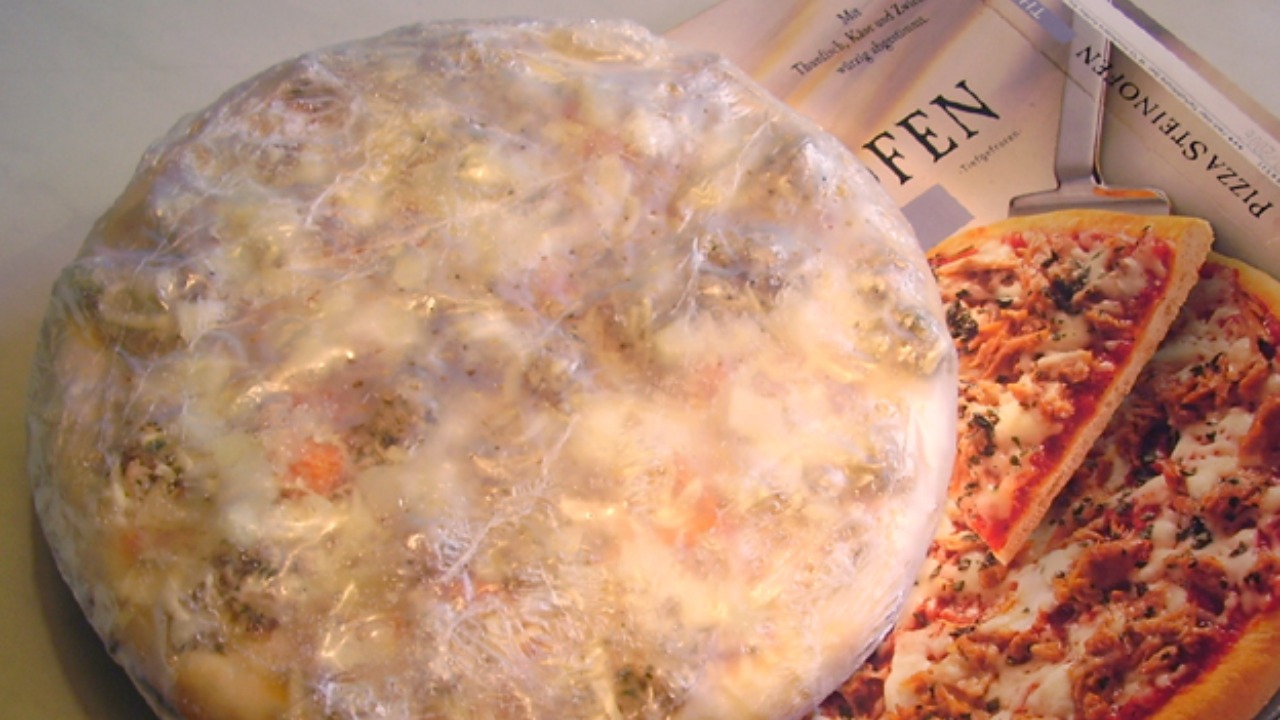
Frozen foods, including pizzas, fries, and ready meals, often contain seed oils. These oils are used in the cooking process or as a preservative. Despite the convenience of these foods, many consumers overlook the presence of seed oils.
With the increasing focus on healthy eating, it’s important to be aware of what’s in your frozen foods. Opting for fresh, homemade meals or choosing frozen foods with healthier ingredients can make a big difference. Harvard T.H. Chan School of Public Health provides a guide on how to choose healthier frozen foods.
9. Sauces and Condiments
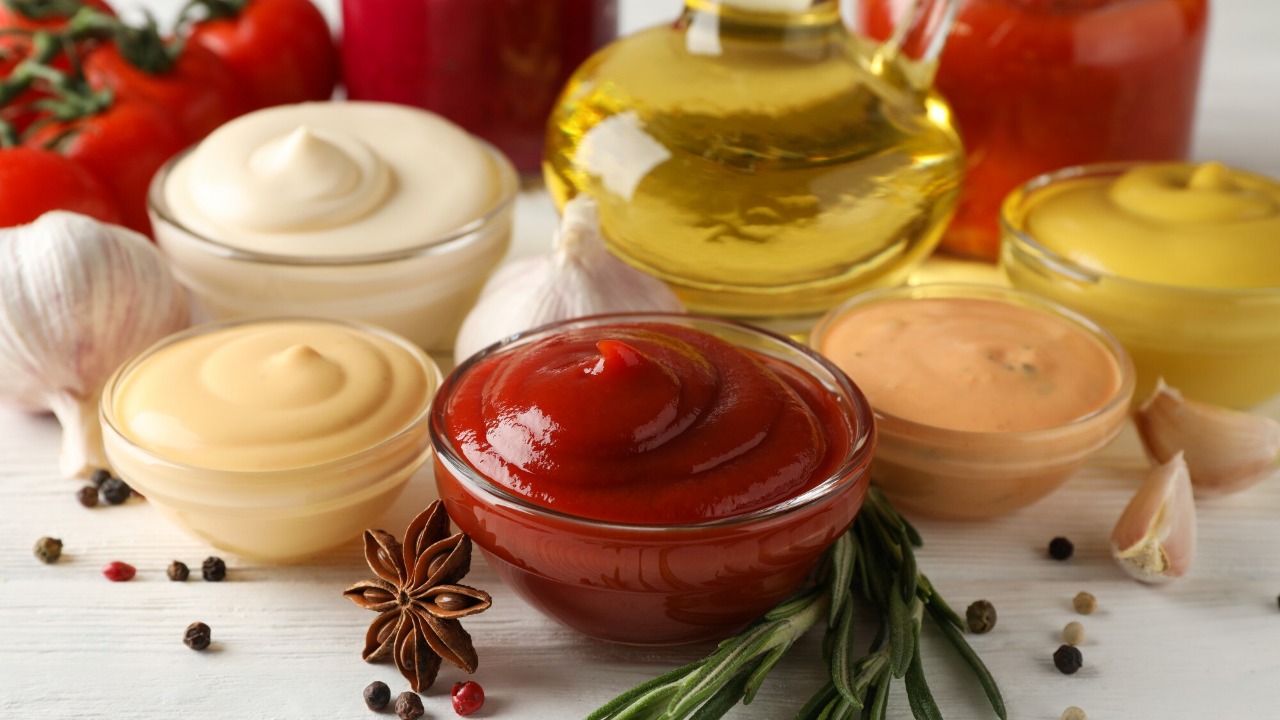
Sauces and condiments are often overlooked sources of seed oils. These oils are used in many store-bought versions to enhance flavor and extend shelf life. While they add flavor to meals, many consumers overlook the presence of seed oils in these items.
As more people aim to eat healthily, understanding the presence of seed oils in sauces and condiments is important. Making homemade versions or choosing healthier store-bought options can help reduce seed oil intake. Cleveland Clinic offers tips on how to choose healthier condiments.
10. Instant Noodles
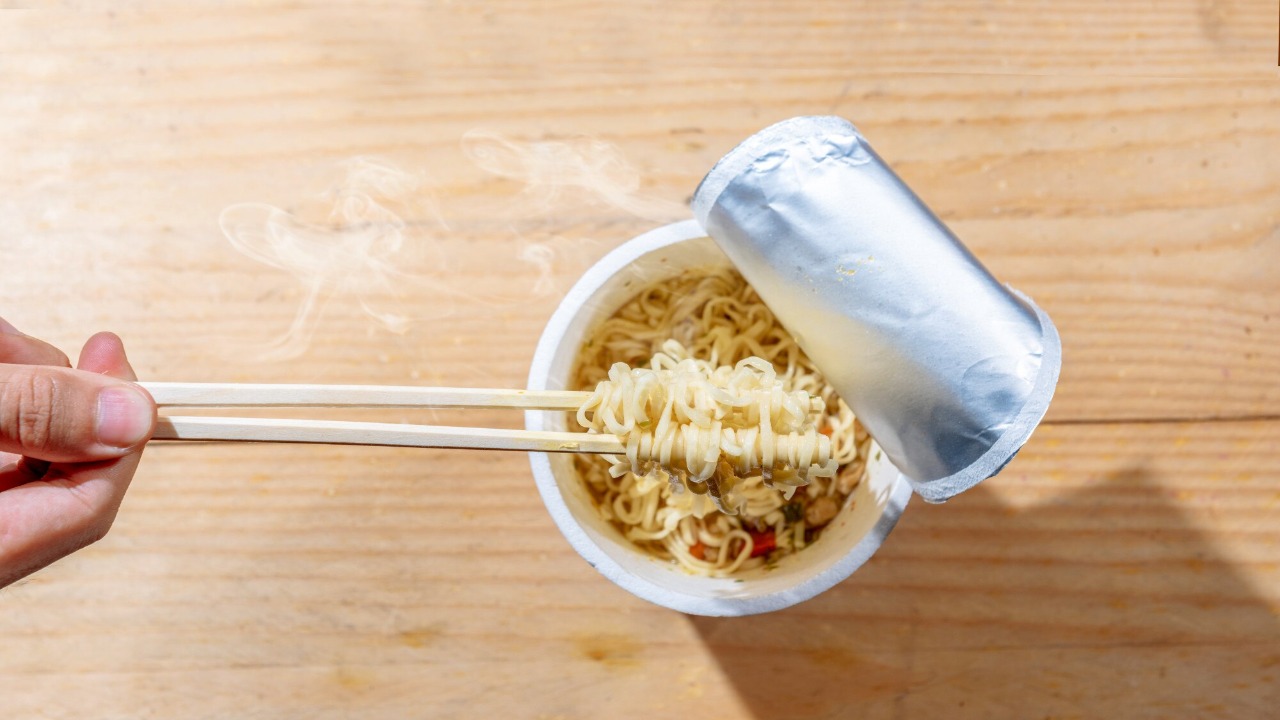
Instant noodles, a popular quick meal, often contain hidden seed oils. These oils are used in the flavoring sachets and to fry the noodles before packaging. Many consumers overlook this, focusing instead on the convenience and taste of these quick meals.
With the ongoing trend towards healthier eating, it’s important to be aware of what’s in your instant noodles. Opting for fresh, homemade meals or choosing healthier instant noodle options can make a significant difference. BBC Good Food offers tips on how to make instant noodles healthier.

As a mom of three busy boys, I know how chaotic life can get — but I’ve learned that it’s possible to create a beautiful, cozy home even with kids running around. That’s why I started Cultivated Comfort — to share practical tips, simple systems, and a little encouragement for parents like me who want to make their home feel warm, inviting, and effortlessly stylish. Whether it’s managing toy chaos, streamlining everyday routines, or finding little moments of calm, I’m here to help you simplify your space and create a sense of comfort.
But home is just part of the story. I’m also passionate about seeing the world and creating beautiful meals to share with the people I love. Through Cultivated Comfort, I share my journey of balancing motherhood with building a home that feels rich and peaceful — and finding joy in exploring new places and flavors along the way.