Cooking at home is a delightful activity that not only provides us with nourishment, but also brings us joy. However, some seemingly harmless cooking habits can potentially harm our health in the long run. With the increase in home cooking due to recent events, it’s crucial to reassess our kitchen practices to ensure safety and wellness.
This list is compiled based on real-world trends, data, expert interviews, and surveys, making it reliable and practical. It will provide you with a comprehensive understanding of common cooking habits that may be damaging in the long run, and will suggest healthier alternatives. Read on to discover if you’re guilty of these practices and how you can change them for the better.
Using Non-Stick Cookware
Non-stick cookware is a popular choice in many kitchens due to its convenience. These pots and pans are easy to clean and require less oil for cooking. However, they are often overlooked for their potential health risks. The non-stick coating, often made of a synthetic polymer called polytetrafluoroethylene (PTFE), can release toxic fumes when overheated, which can lead to flu-like symptoms.
The trend of health-conscious cooking is shifting the market towards safer cookware options. Several experts recommend using alternatives like stainless steel, cast iron, or ceramic cookware. These options do not release harmful chemicals and are more durable in the long run.
Overusing Salt
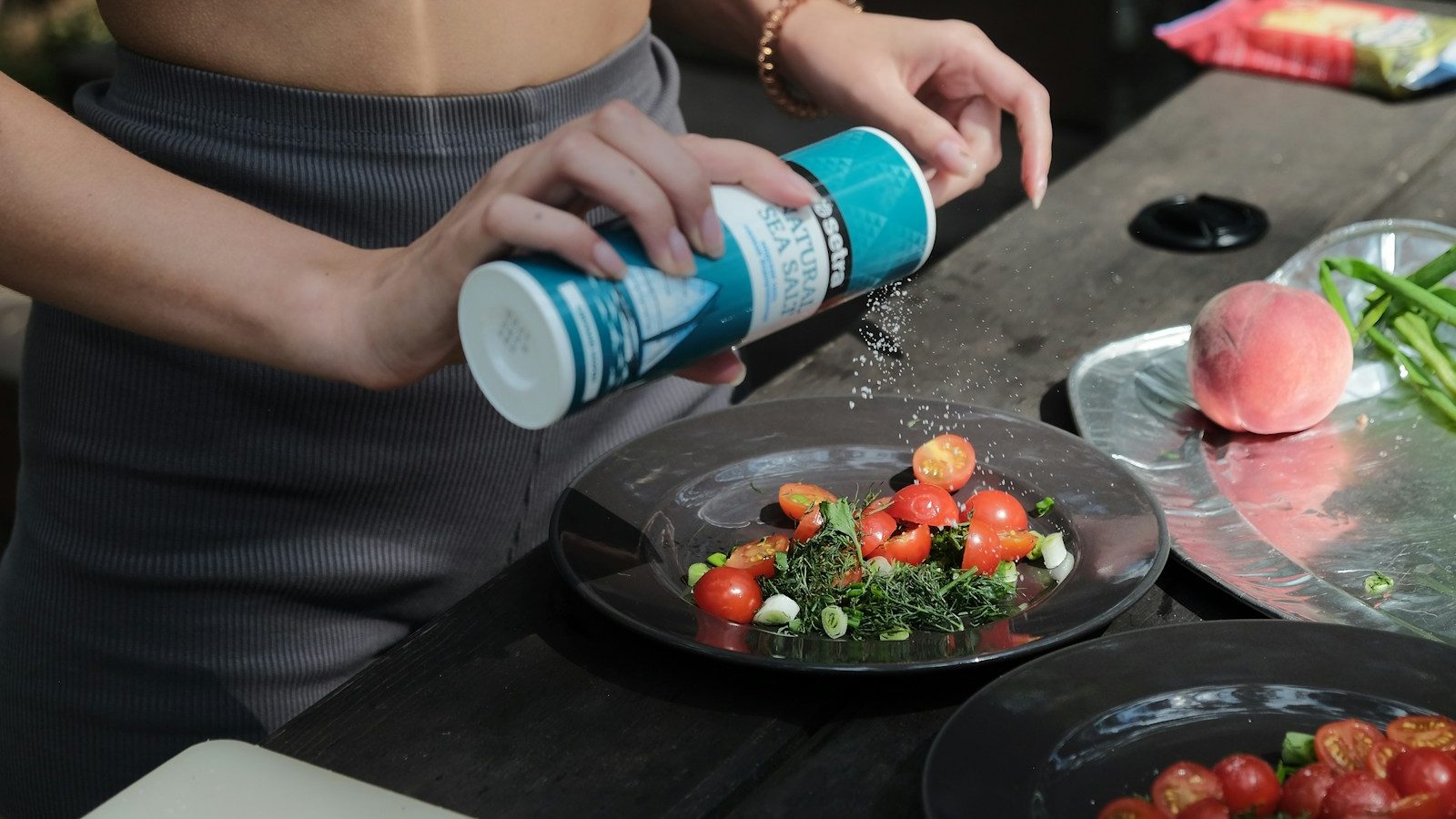
Salt is a fundamental ingredient in cooking that enhances the flavor of food. However, it’s easy to overlook the fact that excessive salt intake can lead to health issues like hypertension, heart disease, and stroke. Despite health warnings, many people continue to use high amounts of salt in their food.
Increasing awareness about the health risks associated with high sodium intake is driving a trend towards low-sodium diets and the use of other spices and herbs for flavoring. Experts are encouraging home cooks to explore these healthy alternatives and to limit their salt intake for better long-term health.
Ignoring Cross-Contamination
Cross-contamination is a common, often overlooked issue in the kitchen. It occurs when harmful bacteria from one food item are transferred to another, usually through unclean cutting boards or knives. Despite its potential to cause foodborne illnesses, many home cooks neglect this risk.
With the rise in home cooking and increasing awareness about food safety, it’s essential to understand the dangers of cross-contamination. Experts advise using separate chopping boards and utensils for different food groups, especially raw meat and fresh produce, to prevent this issue.
Overcooking Vegetables
Vegetables are an essential part of a healthy diet. However, overcooking vegetables is a common practice that can lead to a significant reduction in their nutrient content. Despite this, many people continue to overcook their vegetables, often for fear of undercooking.
A growing trend towards health-conscious eating has prompted an increased focus on cooking methods that preserve the nutritional value of vegetables. Experts suggest steaming, microwaving, or roasting as healthier alternatives to boiling or frying.
Reusing Cooking Oil
Reusing cooking oil is a common practice in many homes and restaurants. It’s an easy way to save money and reduce waste. However, when oil is heated repeatedly, it can produce harmful substances that may contribute to health problems like heart disease and cancer.
With the increasing awareness of healthy eating habits, it’s important to understand the risks of reusing cooking oil. Experts recommend using fresh oil each time you cook and opting for healthier oils like olive, avocado, or canola.
Storing Food Incorrectly
Proper food storage is crucial for maintaining food quality and preventing spoilage. However, many people overlook the importance of storing food at the correct temperature and in the right containers. This can lead to foodborne illnesses, especially when dealing with perishable items like meat and dairy products.
As people are cooking more at home, understanding proper food storage techniques is more important than ever. Experts recommend using airtight containers and refrigerating food promptly to maintain its safety and freshness.

As a mom of three busy boys, I know how chaotic life can get — but I’ve learned that it’s possible to create a beautiful, cozy home even with kids running around. That’s why I started Cultivated Comfort — to share practical tips, simple systems, and a little encouragement for parents like me who want to make their home feel warm, inviting, and effortlessly stylish. Whether it’s managing toy chaos, streamlining everyday routines, or finding little moments of calm, I’m here to help you simplify your space and create a sense of comfort.
But home is just part of the story. I’m also passionate about seeing the world and creating beautiful meals to share with the people I love. Through Cultivated Comfort, I share my journey of balancing motherhood with building a home that feels rich and peaceful — and finding joy in exploring new places and flavors along the way.