Traveling by air has become a routine part of life for millions of people. However, passing through airport security can often be a stressful and confusing aspect of the journey. Understanding the process from the perspective of TSA officers could save you time and hassle during your next trip.
Basing this list on real-world trends, expert interviews, and data from TSA surveys, we hope to offer valuable insights into the world of airport security. The following tips, directly from TSA officers themselves, reveal the common mistakes and misconceptions travelers have, and how to avoid them.
1. Understanding 3-1-1 Rule
The 3-1-1 rule refers to the TSA guidelines on liquids in carry-on luggage. It states that each passenger may carry liquids, gels and aerosols in travel-size containers that are 3.4 ounces or less, packed in a one quart-sized, clear plastic, zip-top bag. Despite its widespread promotion, many travelers remain unaware of or confused about these regulations.
As we transition into a post-pandemic world, understanding and adhering to the 3-1-1 rule is more critical than ever. It not only expedites the screening process but also ensures the safety and security of all passengers.
2. Proper Identification
TSA officers stress the importance of carrying proper identification. Passengers often overlook the necessity of having their ID readily available, or forget to update their identification after it has expired or their personal information has changed.
With the implementation of Real ID Act, travelers will need to ensure their identification meets the new federal requirements by May 2023. Failure to do so could result in being denied boarding.
3. Dressing Appropriately
Many passengers are not aware of how their attire can affect the screening process. Certain clothing items, such as bulky jewelry or clothing with metallic designs, can trigger the alarm on metal detectors, leading to additional screening.
As airports become more crowded, dressing appropriately for travel can help streamline the process and reduce stress. Following these guidelines can help improve the overall efficiency of the security process and get you to your gate faster.
4. Removing Electronics
Passengers are required to remove all electronics larger than a cell phone from their carry-on bags for X-ray screening. Despite these rules being in place for several years, many passengers still forget or are unaware of this requirement.
With the increasing use of electronics in everyday life, understanding this rule is essential. It enables TSA officers to get a clear X-ray image and ensures a smooth screening process, reducing the likelihood of additional screening.
5. Food Screening
TSA officers wish passengers knew that all food items must be removed from carry-on bags for separate screening. This policy, often overlooked by passengers, can lead to longer wait times at security checkpoints.
As the pandemic has increased the number of people travelling with food, the importance of following this policy is now more pronounced. This ensures quicker processing times at security checkpoints, making travel more efficient for everyone.
6. Declaring Medications
Medications, including those in liquid form, are allowed in carry-on bags in reasonable quantities. However, these must be declared to TSA officers at the start of the screening process. Many travelers are unaware of this procedure, leading to potential delays.
As health consciousness rises among travelers, it’s important to stay informed about these procedures to ensure a smooth and hassle-free travel experience. It also ensures the safety of all passengers by allowing TSA officers to correctly identify these substances.
7. Understanding Checkpoint Etiquette
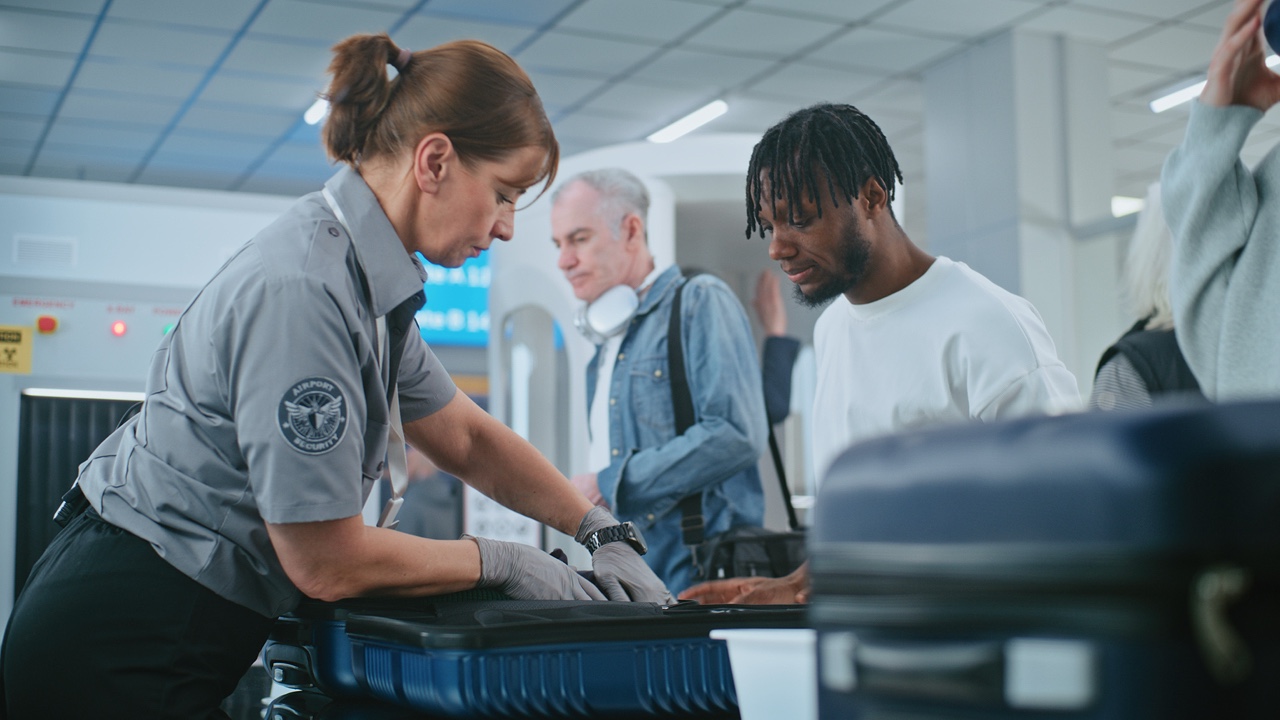
TSA officers often deal with passengers who are unaware of checkpoint etiquette, such as waiting for instructions before proceeding or keeping the conveyor belts clear. Lack of awareness about these procedures can lead to unnecessary delays and frustration.
In the current environment where social distancing is crucial, understanding and practicing checkpoint etiquette can not only improve the efficiency of the screening process but also enhance overall safety. Following these simple rules can make your airport experience more pleasant and less stressful.

As a mom of three busy boys, I know how chaotic life can get — but I’ve learned that it’s possible to create a beautiful, cozy home even with kids running around. That’s why I started Cultivated Comfort — to share practical tips, simple systems, and a little encouragement for parents like me who want to make their home feel warm, inviting, and effortlessly stylish. Whether it’s managing toy chaos, streamlining everyday routines, or finding little moments of calm, I’m here to help you simplify your space and create a sense of comfort.
But home is just part of the story. I’m also passionate about seeing the world and creating beautiful meals to share with the people I love. Through Cultivated Comfort, I share my journey of balancing motherhood with building a home that feels rich and peaceful — and finding joy in exploring new places and flavors along the way.