Have you noticed your grocery bill rising even though you’re buying the same items? You might be experiencing shrinkflation, where products shrink in size but prices remain the same. This sneaky tactic affects many common household items, making it crucial to keep an eye on what you’re getting for your money. Here are ten grocery items often hit by shrinkflation.
Cereal Boxes
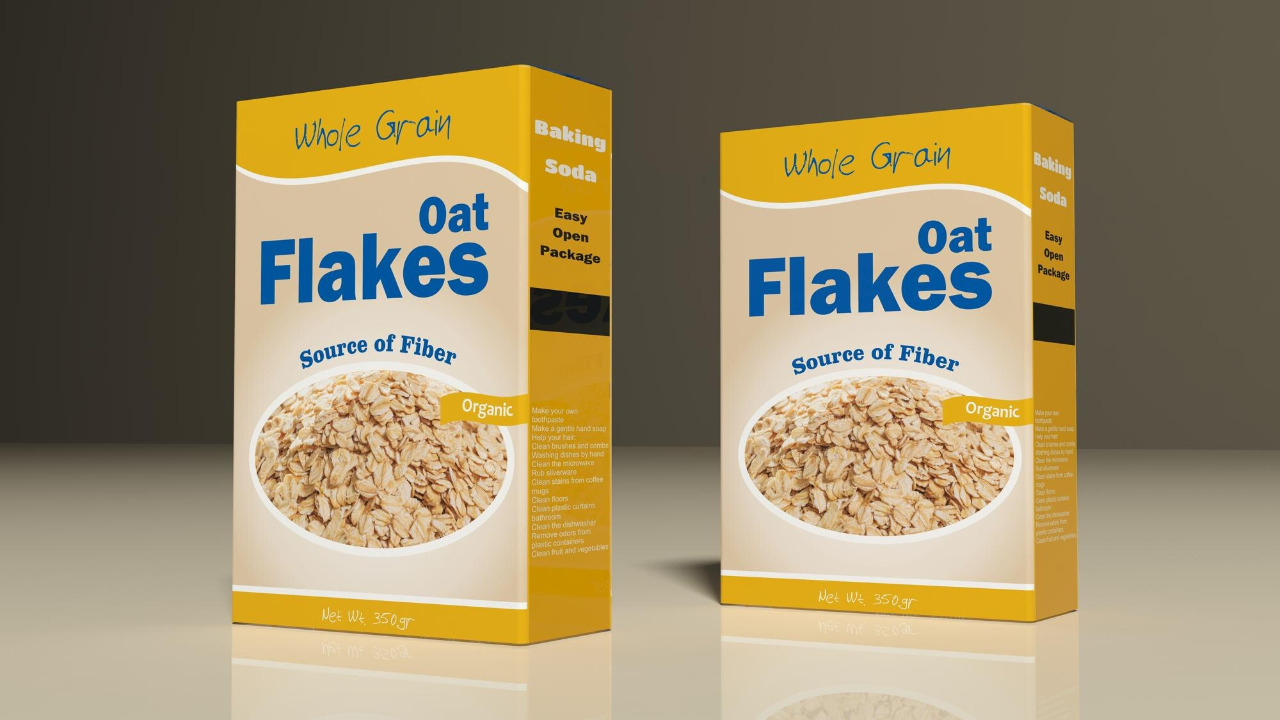
Cereal is a breakfast staple in many households, but the boxes seem to be getting smaller. Brands like Cheerios and Special K have been reported to reduce the weight of their boxes while keeping prices the same. This means you might pour fewer bowls of cereal from that box than before. Check the net weight on the box to ensure you’re getting the most value for your money.
Shrinkflation in cereal boxes can be subtle. Often, box dimensions remain unchanged, but the contents weigh less. This reduction is particularly common when brands introduce “new and improved” recipes or packaging. Always compare the price per ounce with other brands on the shelf to make the most informed choice.
Chocolate Bars

Chocolate lovers may have noticed their favorite bars are slimming down. Brands like Hershey’s and Cadbury have been known to shave off a few grams from their products while maintaining the same price. This can be disappointing when you’re craving that sweet treat and find less of it in the package.
One way to combat this is to look for larger bars or multipacks, which can sometimes offer better value. Keep an eye on the weight listed on the wrapper rather than relying on the size of the packaging, which can be misleading.
Potato Chips
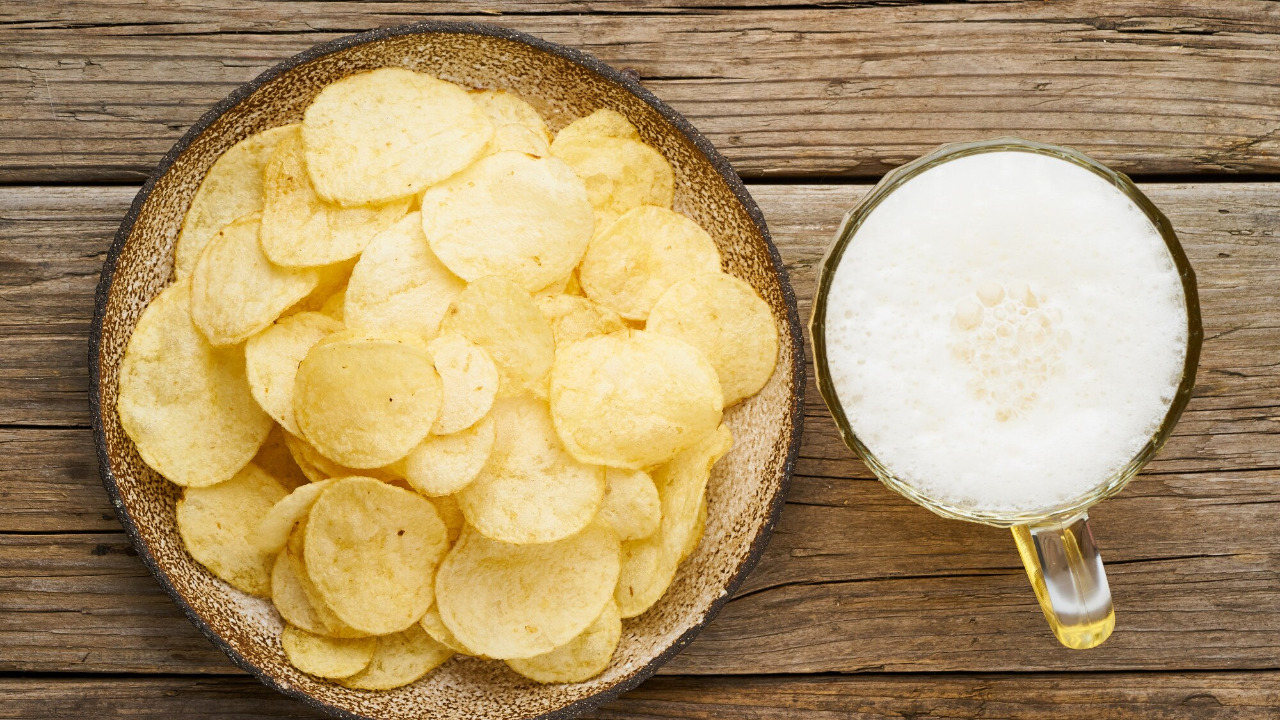
Potato chips are notorious for containing more air than product. But in recent years, the amount of chips inside those bags has decreased even further. Brands like Lay’s and Doritos have been cited for reducing the weight of their bags while the price remains unchanged. This means fewer chips per snack session.
To maximize your chip intake, consider buying larger family-size bags, which may offer a better price per ounce. Alternatively, check out smaller, independent brands that might be less inclined to follow the shrinkflation trend.
Ice Cream Tubs

That pint of ice cream might not be a pint anymore. Brands like Breyers and Häagen-Dazs have reduced the size of their tubs from 16 ounces to 14 or even 12 ounces without lowering prices. This means you get fewer scoops of your favorite flavor for the same cost.
Before you grab a tub, check the net weight and compare it with other options. Sometimes larger containers offer better value, or you might find a local brand that still offers a true pint at a competitive price.
Toilet Paper Rolls

Toilet paper is an essential item, and it’s also a victim of shrinkflation. Brands like Charmin and Scott have been known to reduce the number of sheets per roll while maintaining the same package size and price. This can lead to more frequent purchases and a higher overall cost.
Be sure to compare the number of sheets per roll or the total square footage when shopping. This will give you a better idea of which brand offers the most value. Buying in bulk can also help mitigate the effects of shrinkflation.
Coffee Bags
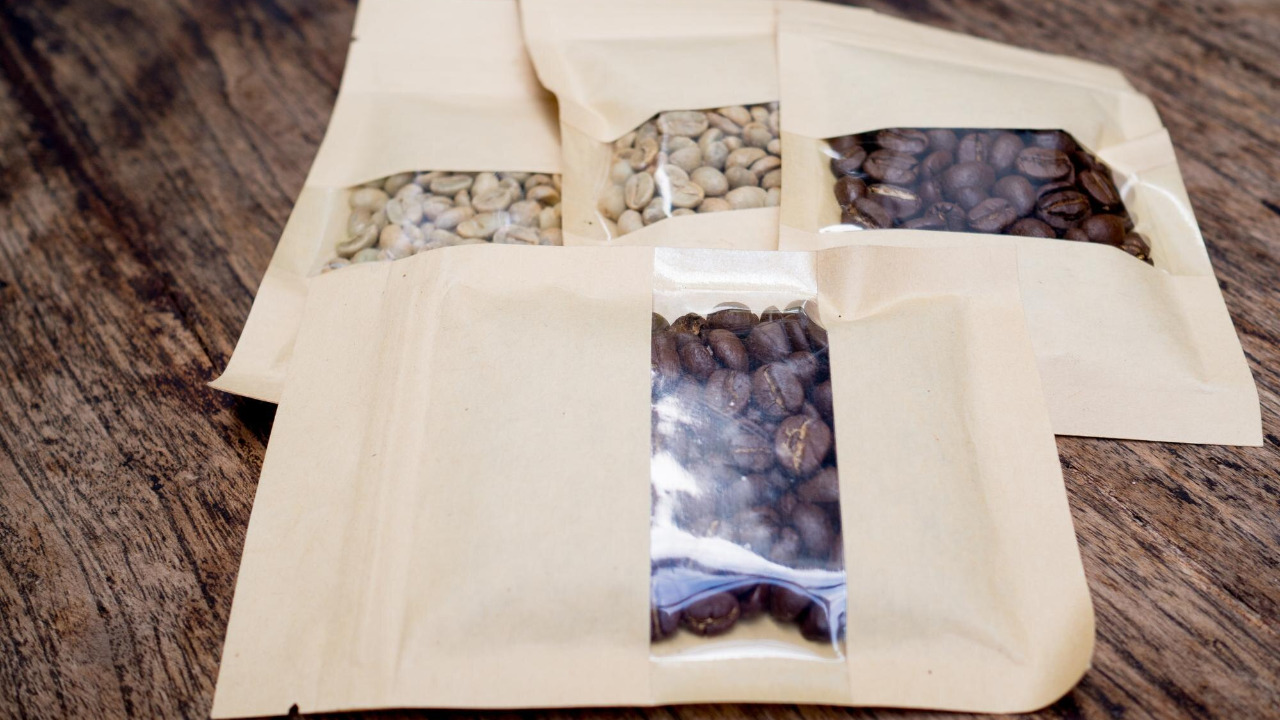
Coffee aficionados may have noticed their bags of beans or grounds are getting lighter. Brands like Folgers and Starbucks have been reported to reduce the weight of their packages from 16 ounces to 12 ounces, all while prices stay the same. This means fewer cups of coffee from each bag.
To combat this, consider buying whole beans and grinding them at home, which can often be more economical. Additionally, keep an eye out for sales or bulk options to offset the reduced package size.
Yogurt Cups

Yogurt cups are a convenient snack or breakfast option, but they too have fallen prey to shrinkflation. Brands like Yoplait and Chobani have reduced the size of their containers from 6 ounces to 5.3 ounces while keeping prices steady. This means less yogurt per serving for your money.
Check the weight of each cup when comparing brands, and consider switching to larger tubs of yogurt, which can be more cost-effective and allow you to control portion sizes.
Fruit Juice Cartons
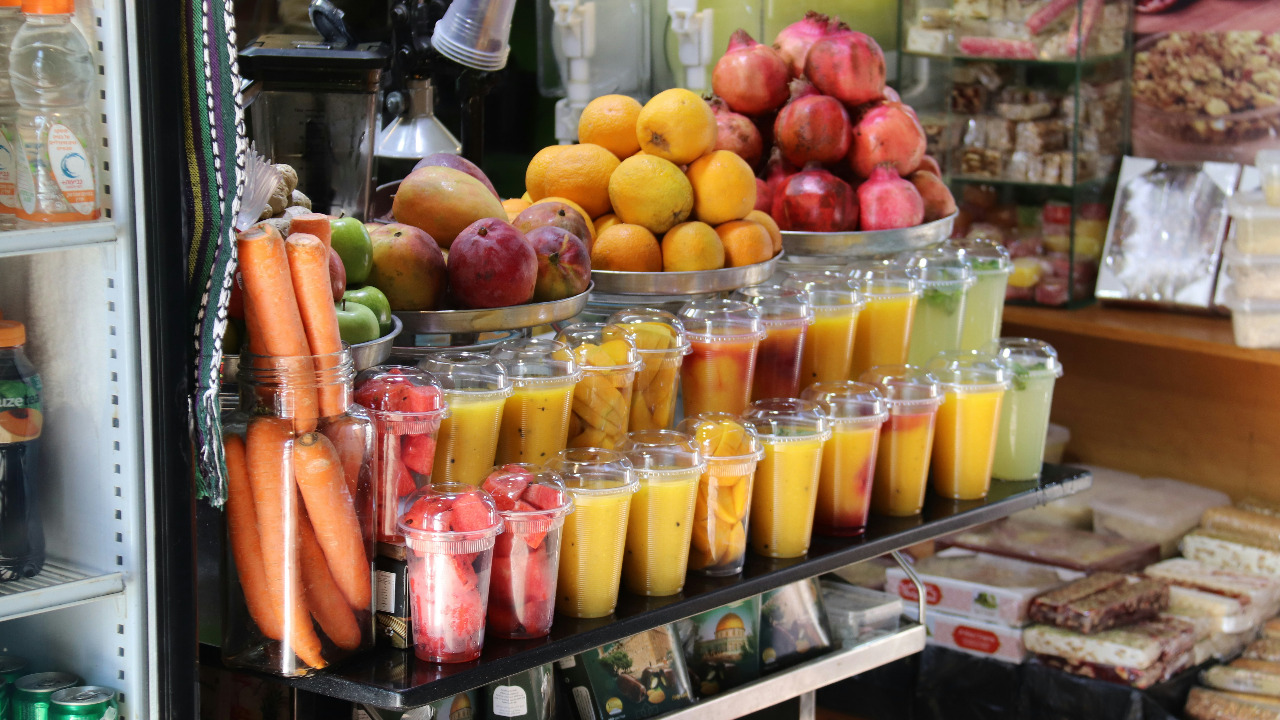
Fruit juice cartons, such as those from Tropicana and Minute Maid, have been quietly shrinking. What was once a 64-ounce container might now be only 59 ounces. Although the difference seems small, it can add up over multiple purchases.
Look for brands that still offer the original size, or consider buying frozen concentrate, which can be mixed to your preferred strength and may offer better value.
Cheese Blocks
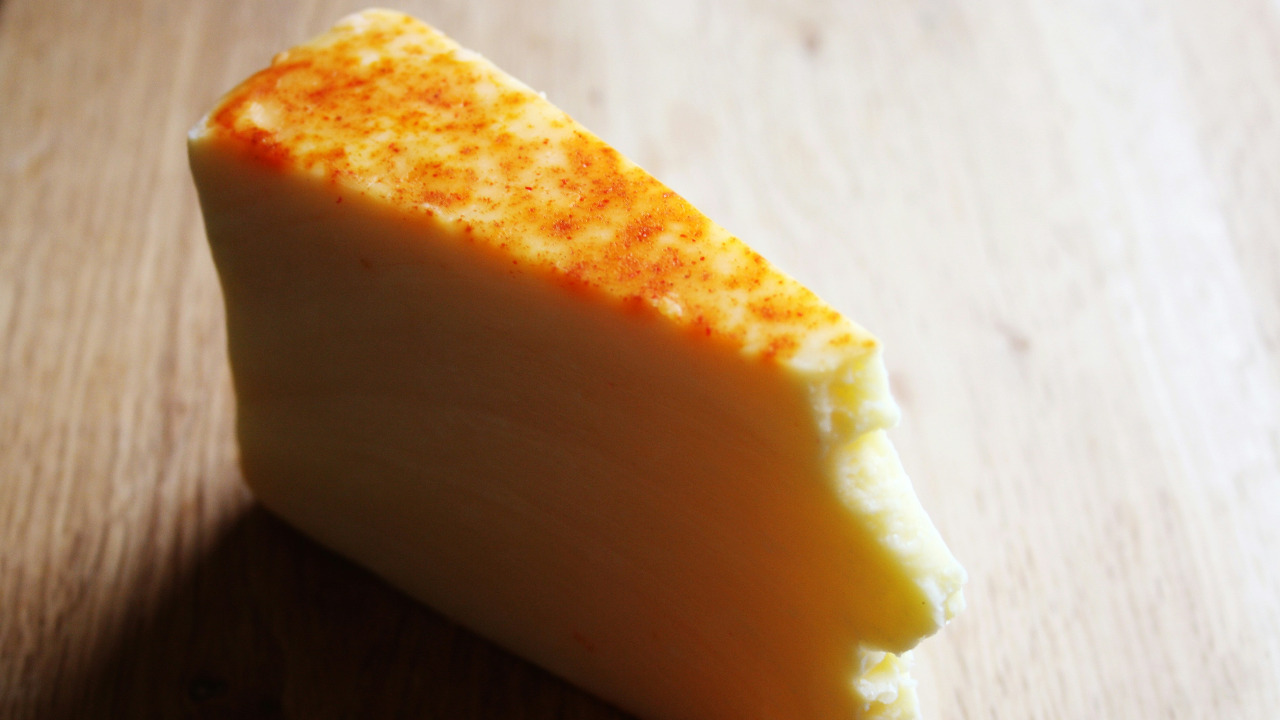
Cheese blocks are another grocery item affected by shrinkflation. Brands like Kraft and Sargento have been known to reduce the weight of their blocks while keeping the same price tag. This means fewer slices or shreds for your sandwiches and recipes.
When buying cheese, check the price per ounce to ensure you’re getting a good deal. Opting for store brands can sometimes offer a more generous portion at a lower cost.
Canned Soups
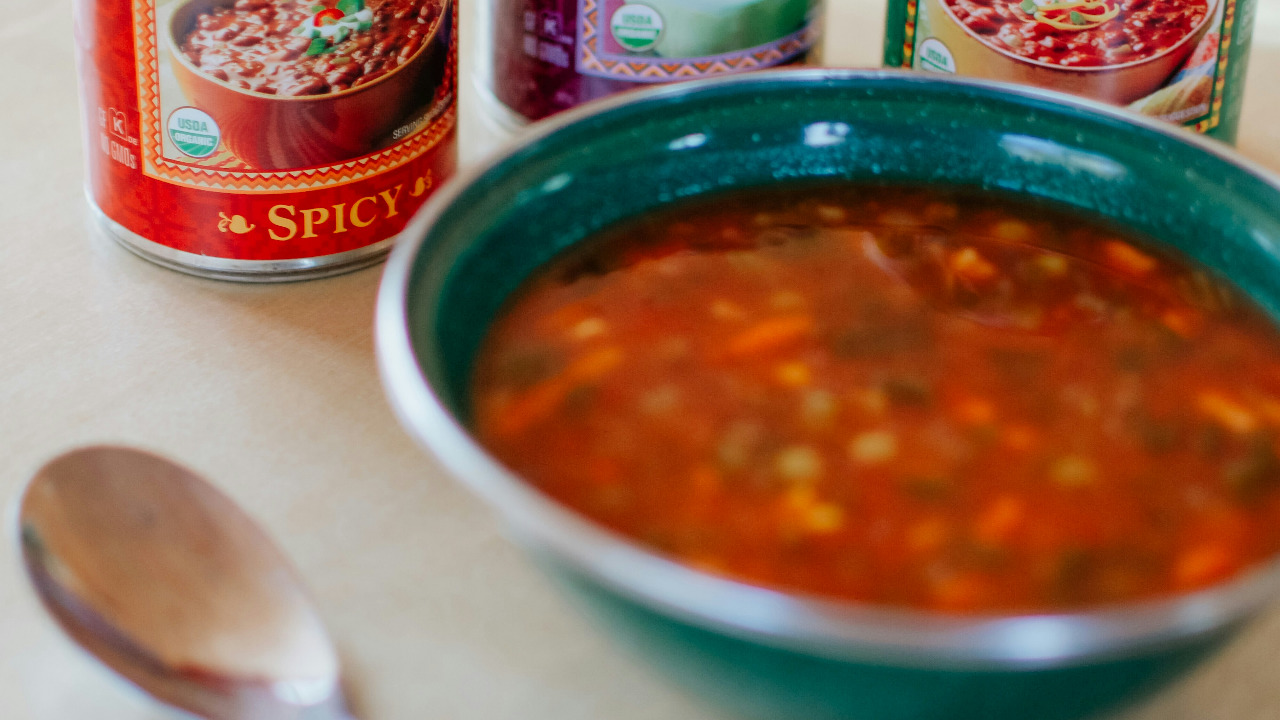
Canned soups from brands like Campbell’s and Progresso have also been downsized. What was once a 19-ounce can might now be just 18 or 17 ounces, with no corresponding decrease in price. This can lead to less soup for your meal and a higher overall cost.
Check the net weight when purchasing canned soups and consider making homemade batches, which can be more nutritious and cost-effective in the long run. You can also keep an eye out for sales or coupons to make up for the reduced size.

As a mom of three busy boys, I know how chaotic life can get — but I’ve learned that it’s possible to create a beautiful, cozy home even with kids running around. That’s why I started Cultivated Comfort — to share practical tips, simple systems, and a little encouragement for parents like me who want to make their home feel warm, inviting, and effortlessly stylish. Whether it’s managing toy chaos, streamlining everyday routines, or finding little moments of calm, I’m here to help you simplify your space and create a sense of comfort.
But home is just part of the story. I’m also passionate about seeing the world and creating beautiful meals to share with the people I love. Through Cultivated Comfort, I share my journey of balancing motherhood with building a home that feels rich and peaceful — and finding joy in exploring new places and flavors along the way.