As we navigate a world of fluctuating economic conditions, the cost of groceries is a constant concern for many households. Several factors, including supply chain disruptions and climate change, are contributing to expected price hikes across various grocery categories. Here are 12 grocery items to watch out for.
Dairy Products
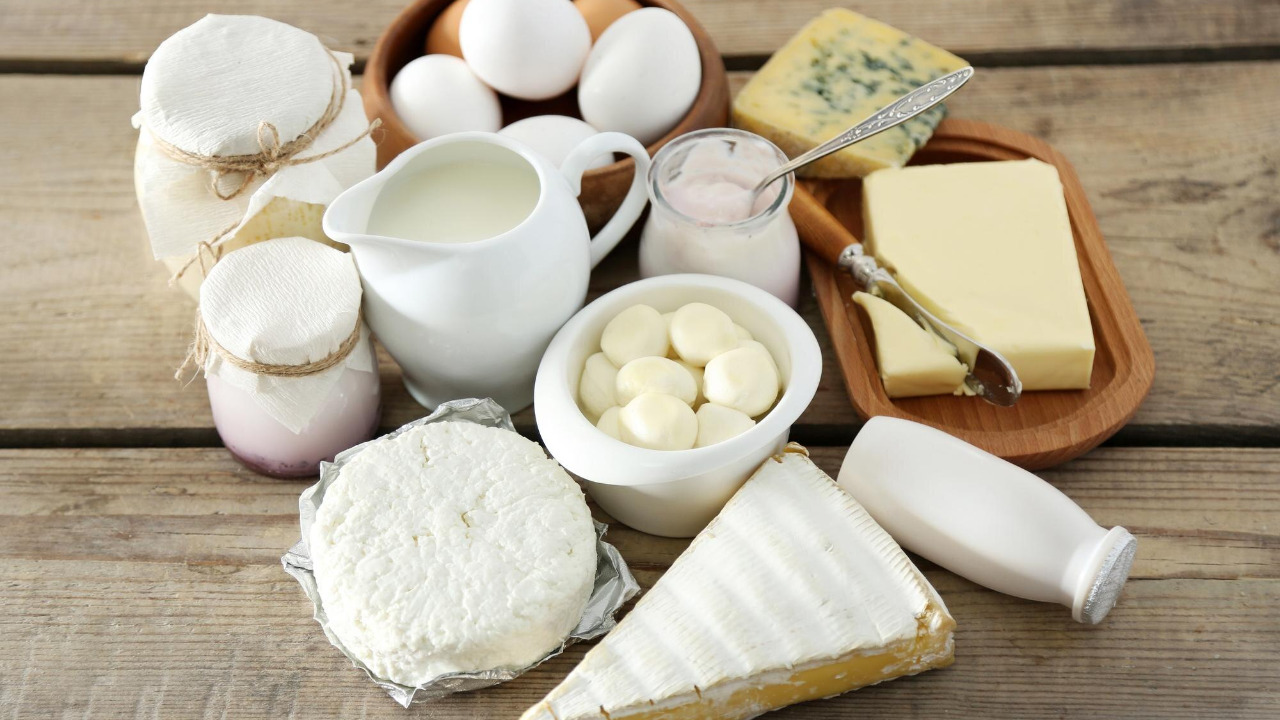
Milk, cheese, and yogurt may see price increases due to rising feed costs and labor shortages. The dairy industry has been grappling with these challenges, and unfortunately, they are likely to be passed on to consumers. Additionally, environmental factors such as droughts in key dairy-producing regions could further strain supply, pushing prices even higher.
Brands like Organic Valley and Horizon Organic have already indicated potential price adjustments. Keeping an eye on sales and considering store brands might help offset these costs in your weekly shopping.
Fresh Produce
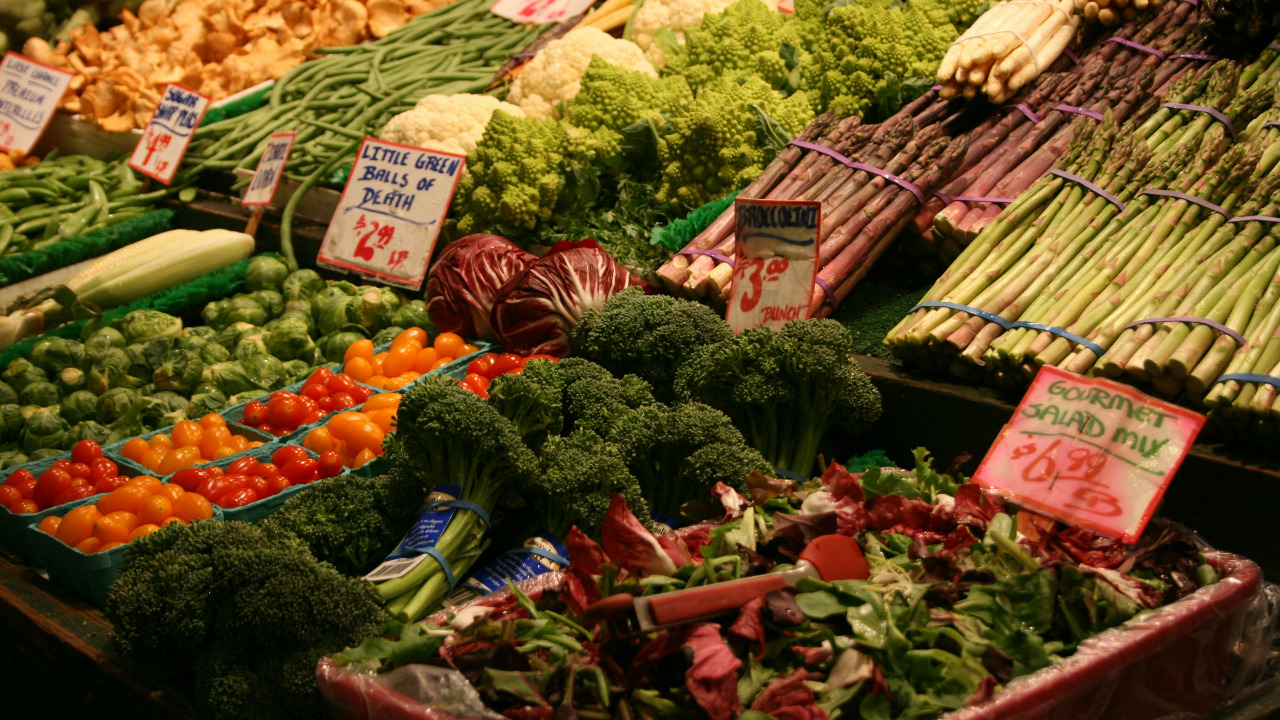
Fresh fruits and vegetables are facing potential price hikes due to extreme weather events impacting harvests. For example, recent hurricanes in the southeastern United States have damaged crops, leading to reduced availability and increased prices for items like oranges and tomatoes.
Farmers are also struggling with increased costs for fertilizers and transportation, which are likely to be reflected in the price tags of your favorite produce. Local farmers’ markets might provide some seasonal deals, but expect overall prices to climb.
Meat and Poultry
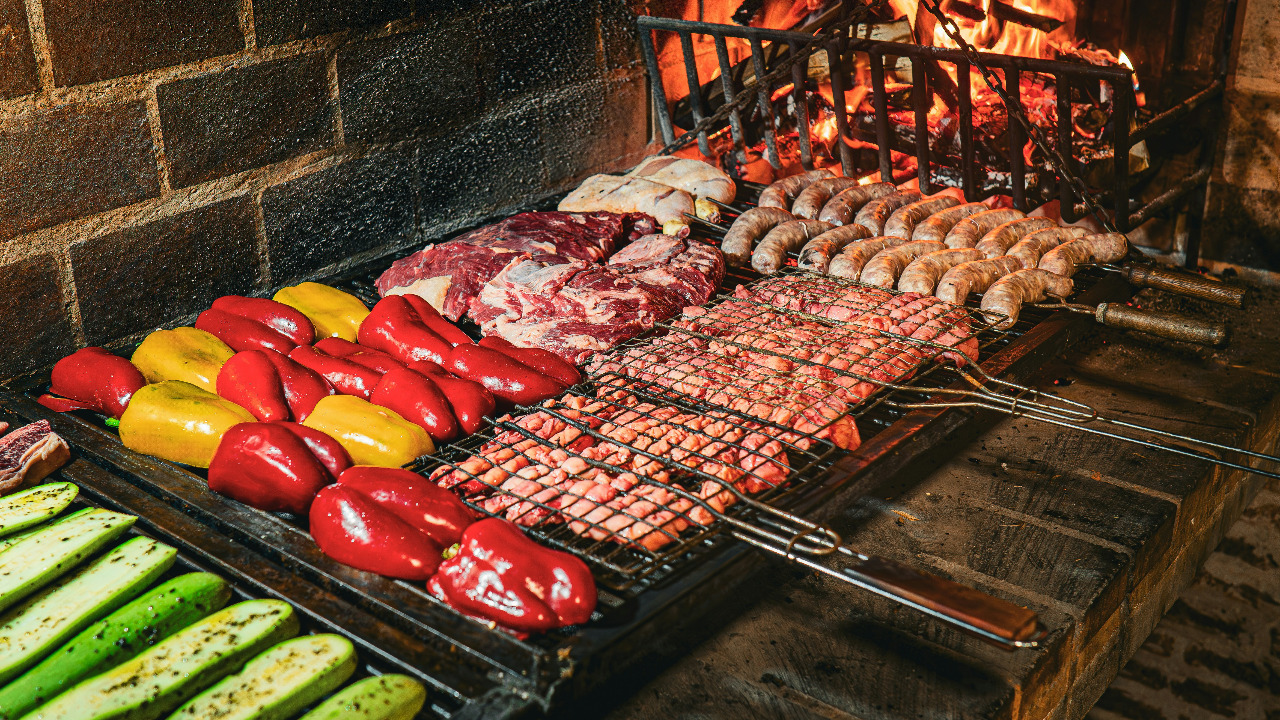
The meat and poultry sector is not immune to price fluctuations, with feed costs rising and labor shortages affecting processing plants. Beef, chicken, and pork prices have already seen recent increases, and this trend is expected to continue.
For instance, Tyson Foods and Smithfield Foods are dealing with these increased operational costs, which will likely lead to higher prices on supermarket shelves. Consumers might consider diversifying protein sources with plant-based options to manage budgets.
Seafood
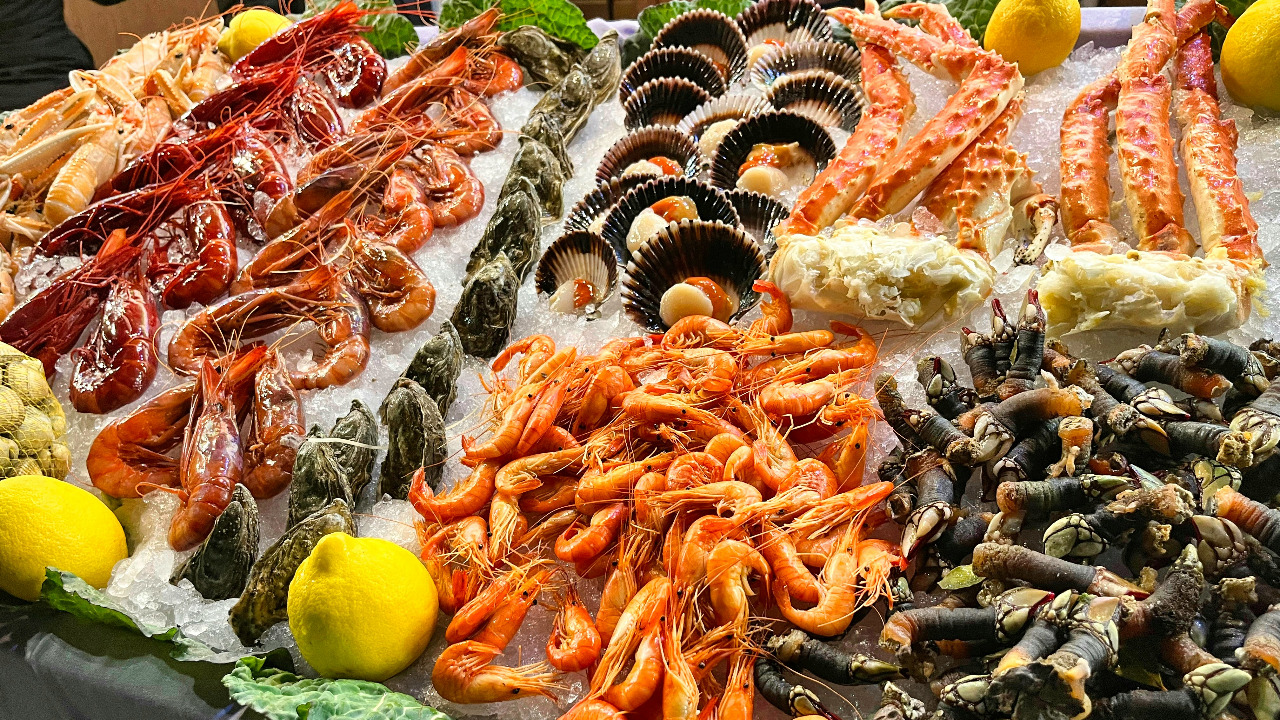
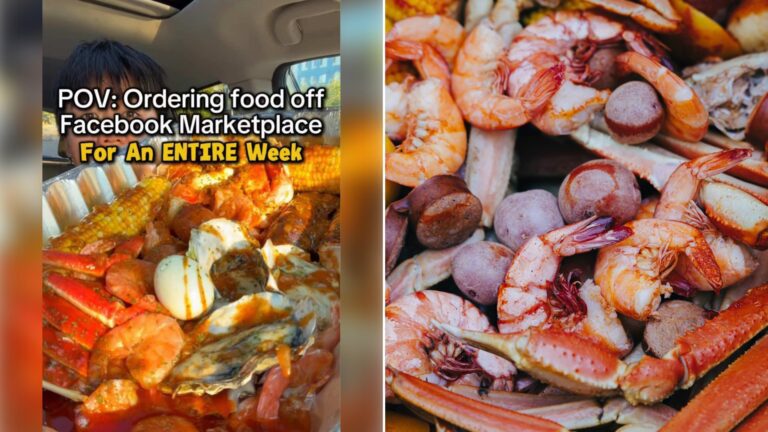
Seafood prices are projected to rise due to overfishing and climate change affecting marine ecosystems. Popular choices like salmon and shrimp are becoming more expensive as supply struggles to meet demand.
Companies such as Bumble Bee and Gorton’s are facing cost pressures, which could result in higher retail prices. Sustainable seafood options might offer a cost-effective alternative while supporting ocean-friendly practices.
Grains and Cereals
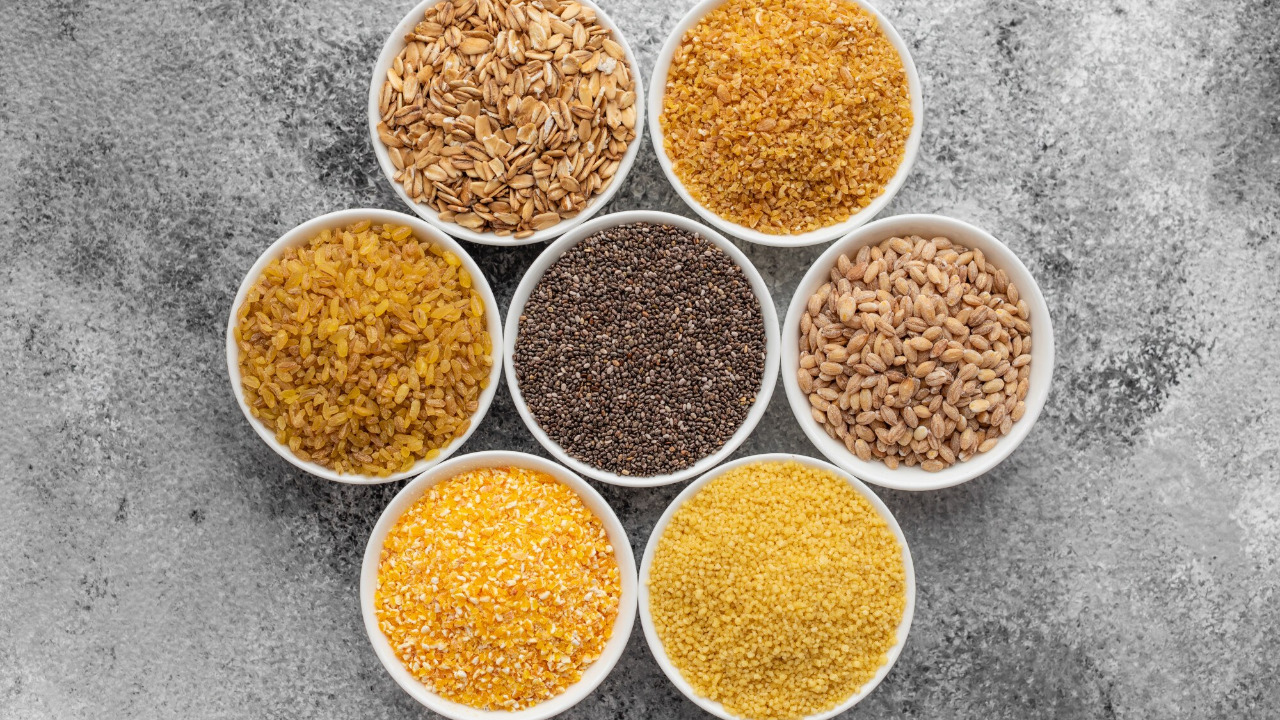
Grain and cereal prices are susceptible to global market fluctuations, and recent weather patterns have not been favorable. Droughts in key wheat-producing countries are impacting supply, leading to potential price hikes.
Brands like Kellogg’s and General Mills might adjust prices to match increased production costs. Exploring bulk buying options or generic brands could help navigate these changes without sacrificing your breakfast routine.
Oils and Fats

The cost of cooking oils and fats is expected to climb due to global supply chain issues and increased demand. Palm oil, a common ingredient, is facing supply constraints that are driving up prices.
Brands such as Crisco and Wesson might see price adjustments, impacting products ranging from cooking oils to margarine. Consider using alternative oils like olive or avocado oil, which may offer better value depending on market conditions.
Packaged Snacks
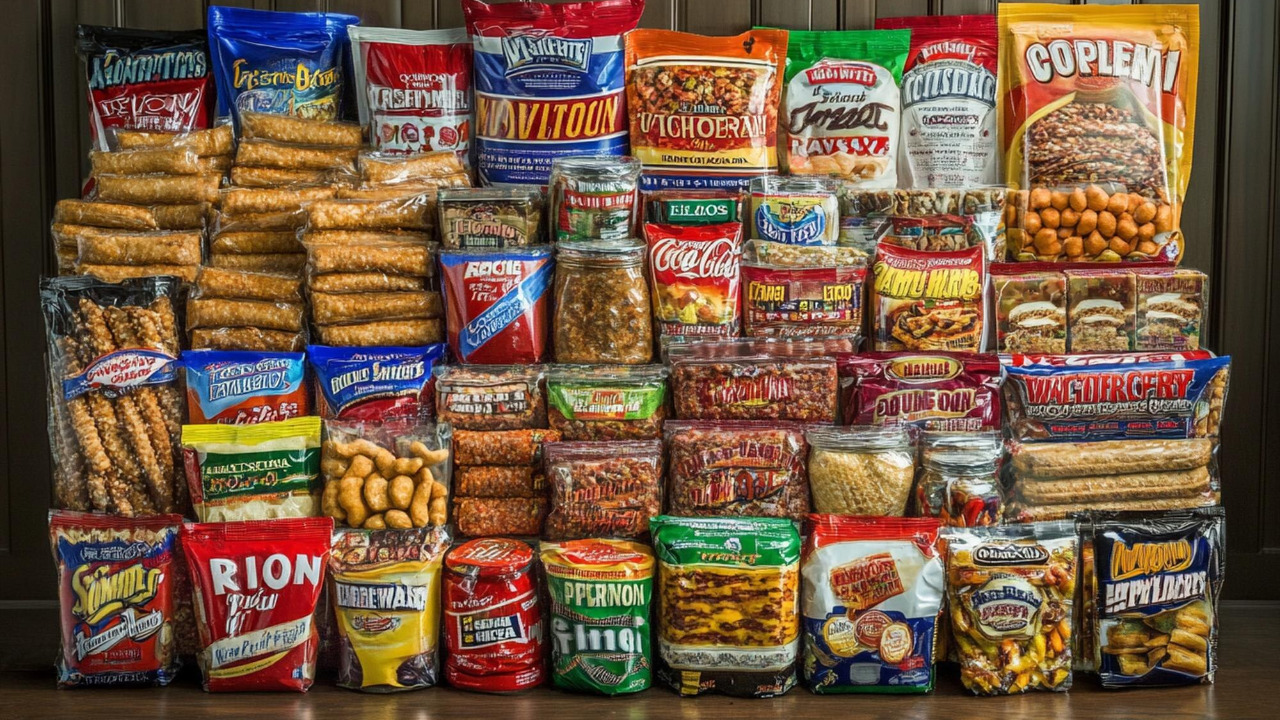
Packaged snacks are not immune to rising costs, with manufacturing and transportation expenses contributing to potential price hikes. Items like chips and crackers are seeing increased production costs.
Companies like Frito-Lay and Nabisco may pass these costs onto consumers. Watching for sales or considering homemade snack options could help mitigate these price increases.
Coffee and Tea

Coffee and tea enthusiasts should prepare for potential price hikes as climate change affects crop yields. Coffee-growing regions in Brazil and Colombia are experiencing adverse weather, impacting supply.
Brands like Starbucks and Twinings might reflect these changes in their pricing. Exploring local coffee roasters or tea shops could offer savings while supporting smaller businesses.
Spices and Seasonings

Spices and seasonings could see price increases due to supply chain disruptions and climate impacts on production regions. Commonly used spices like black pepper and vanilla are particularly vulnerable.
McCormick & Company and other spice brands might adjust prices accordingly. Purchasing spices in bulk or exploring local spice markets could provide more economical options.
Frozen Foods
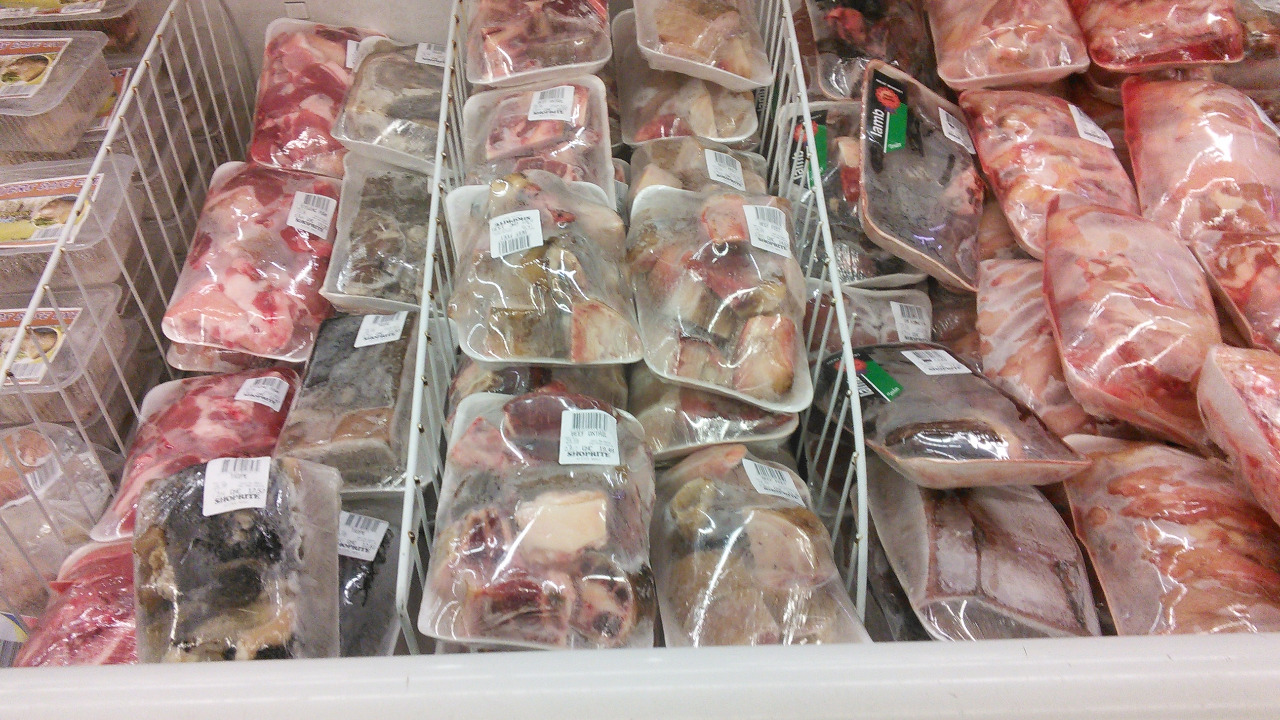
Frozen food prices are on the rise as energy costs and supply chain issues impact production and distribution. Frozen vegetables, meals, and desserts are expected to see price adjustments.
Popular brands like Stouffer’s and Amy’s Kitchen might reflect these increased costs in their pricing. Keeping an eye on sales and considering fresh alternatives could help manage expenses.
Canned Goods
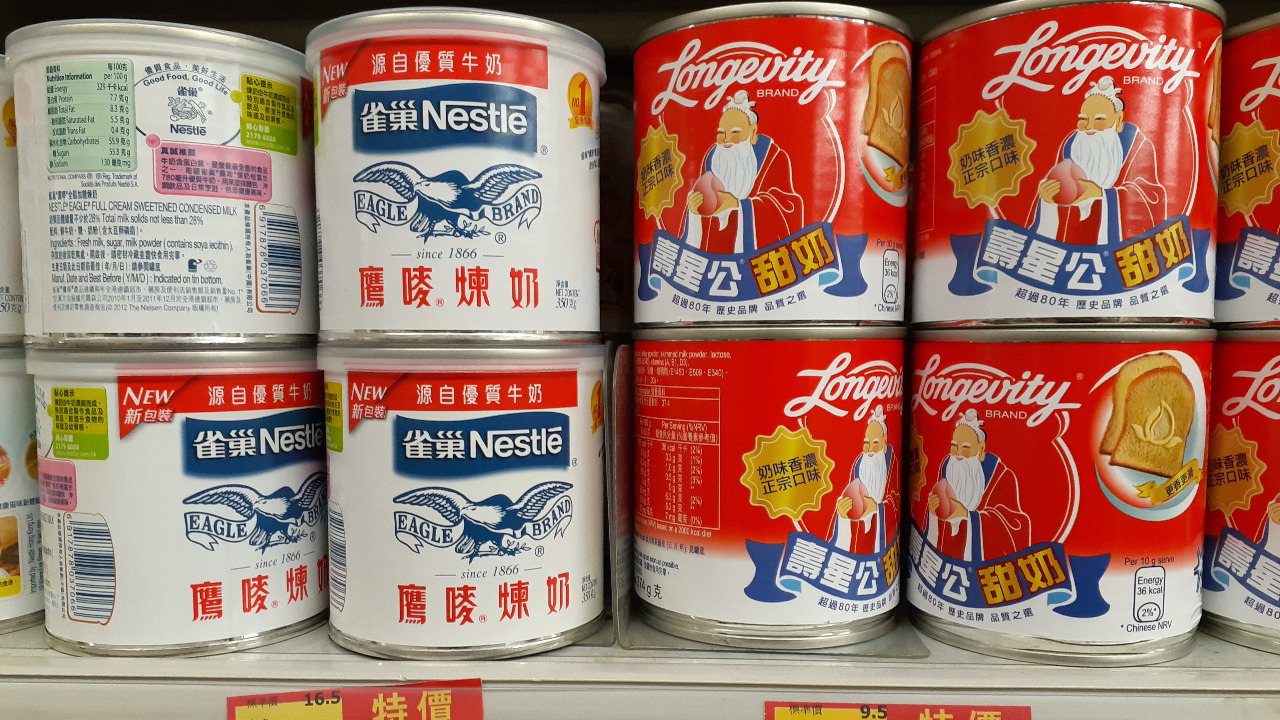
Canned goods are facing potential price hikes due to rising steel prices and supply chain challenges. Items like canned soups and vegetables could become more expensive.
Companies such as Campbell’s and Del Monte may pass these additional costs onto consumers. Stocking up during sales or exploring store brands could offer some relief.
Non-Alcoholic Beverages
Non-alcoholic beverages, including sodas and juices, are expected to see price increases due to rising ingredient and packaging costs. Brands like Coca-Cola and PepsiCo are facing these pressures.
With consumers potentially seeing higher prices at checkout, considering homemade alternatives or exploring local beverage brands might provide cost-effective solutions.

As a mom of three busy boys, I know how chaotic life can get — but I’ve learned that it’s possible to create a beautiful, cozy home even with kids running around. That’s why I started Cultivated Comfort — to share practical tips, simple systems, and a little encouragement for parents like me who want to make their home feel warm, inviting, and effortlessly stylish. Whether it’s managing toy chaos, streamlining everyday routines, or finding little moments of calm, I’m here to help you simplify your space and create a sense of comfort.
But home is just part of the story. I’m also passionate about seeing the world and creating beautiful meals to share with the people I love. Through Cultivated Comfort, I share my journey of balancing motherhood with building a home that feels rich and peaceful — and finding joy in exploring new places and flavors along the way.