The cost of living continues to rise, and many essential grocery items are seeing price increases. Understanding which staples are experiencing surges can help consumers make informed choices at the supermarket. Let’s explore some of the key items affected by these changes.
Eggs

Eggs have seen a significant price increase due to several factors. One major contributor is the outbreak of avian influenza, which has affected chicken populations globally. As a result, egg production has decreased, driving up costs. Additionally, rising feed prices and transportation costs have further compounded the issue, making eggs a more expensive staple for households.
For example, in the United States, the average price of a dozen eggs has nearly doubled in some areas compared to previous years. Consumers are feeling the pinch, especially those who rely on eggs as a primary protein source. It’s becoming increasingly important to shop around for the best deals or consider alternative protein options.
Milk

Milk prices are also on the rise, influenced by various economic and environmental factors. Drought conditions in key dairy-producing regions have reduced the availability of feed for cows, leading to lower milk production. At the same time, increased demand for dairy products globally has put additional pressure on supply chains.
In countries like Canada, milk prices are regulated, and recent adjustments have seen prices increase. This adjustment reflects the higher costs of production, including feed, labor, and transportation. As a staple in many households, these increases are impacting family budgets significantly.
Bread

The cost of bread has risen due to fluctuations in wheat prices. Wheat is a primary ingredient in bread, and adverse weather conditions in major wheat-producing countries have affected yields. Additionally, geopolitical tensions have disrupted supply chains, causing further price hikes.
In Europe, for instance, the price of bread has increased noticeably, with some bakeries passing these costs onto consumers. As a staple food item, these increases are felt widely, prompting some to explore home baking as a cost-effective alternative.
Coffee

Coffee lovers worldwide are facing higher prices for their daily brew. Climate change is impacting coffee-growing regions, leading to reduced yields and higher production costs. Brazil, the largest producer of coffee, has experienced severe droughts and frosts, significantly affecting output.
These conditions have resulted in a surge in coffee prices on the global market. Consumers are noticing higher prices at their local coffee shops and in-store, leading some to cut back on their coffee purchases or switch to more affordable brands.
Rice
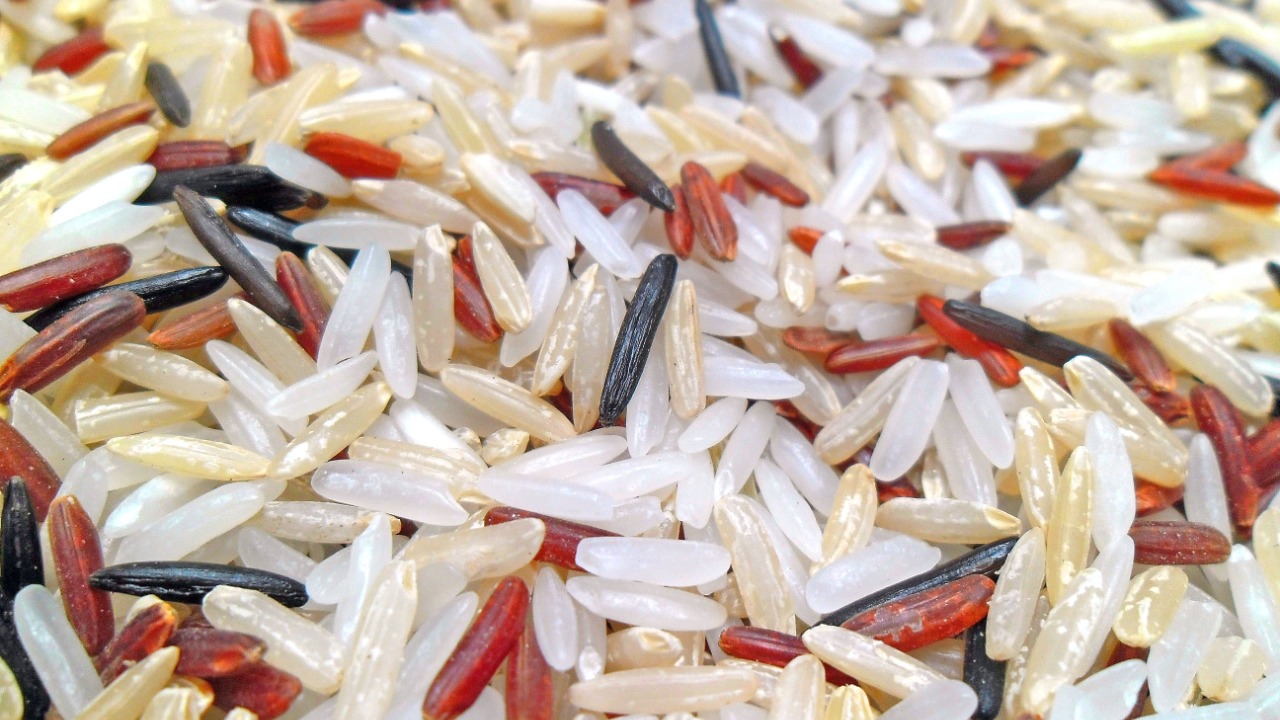
Rice, a staple for billions of people globally, is experiencing price increases driven by several factors. Flooding in key rice-producing areas, such as parts of Asia, has reduced the available supply. Additionally, rising fuel prices have impacted transportation costs, contributing to higher prices for rice.
For instance, in Southeast Asia, countries that rely heavily on rice imports have seen significant price hikes. This situation is challenging for low-income families who depend on rice as a dietary staple, prompting governments to consider measures to stabilize prices.
Chicken
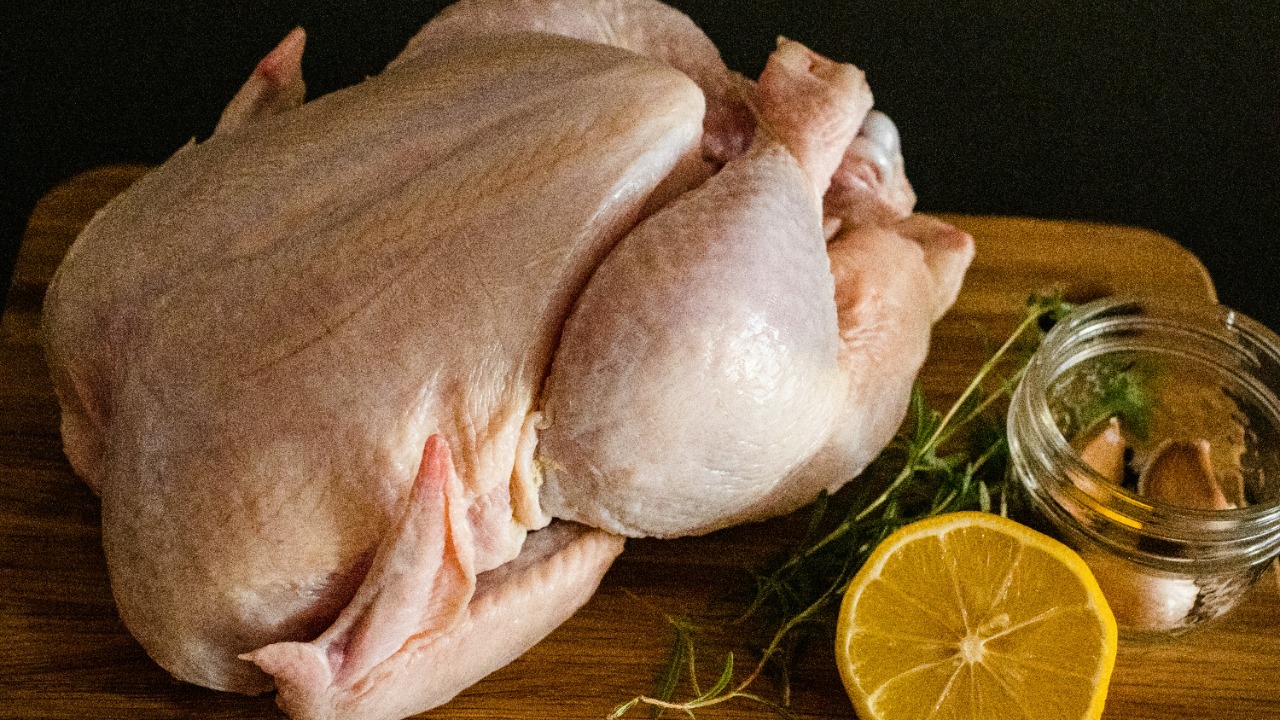
Chicken prices have been affected by increased feed costs and supply chain disruptions. Corn and soybeans, primary components of chicken feed, have seen price increases, which, in turn, have raised the cost of poultry production.
In the U.S., chicken prices have surged, impacting fast-food chains and grocery stores alike. Consumers are facing higher prices for chicken products, from whole chickens to processed items like nuggets and wings, making it necessary to explore alternative protein sources.
Fresh Vegetables

Fresh vegetable prices are on the rise due to climate change and labor shortages. Extreme weather events, such as droughts and floods, have affected crop yields across the globe. Additionally, labor shortages in the agricultural sector have increased harvesting costs.
In regions like California, known for its vast agricultural output, these factors have led to higher prices for items like lettuce, tomatoes, and broccoli. Consumers are encouraged to buy in-season produce or consider frozen alternatives to manage costs.
Pasta
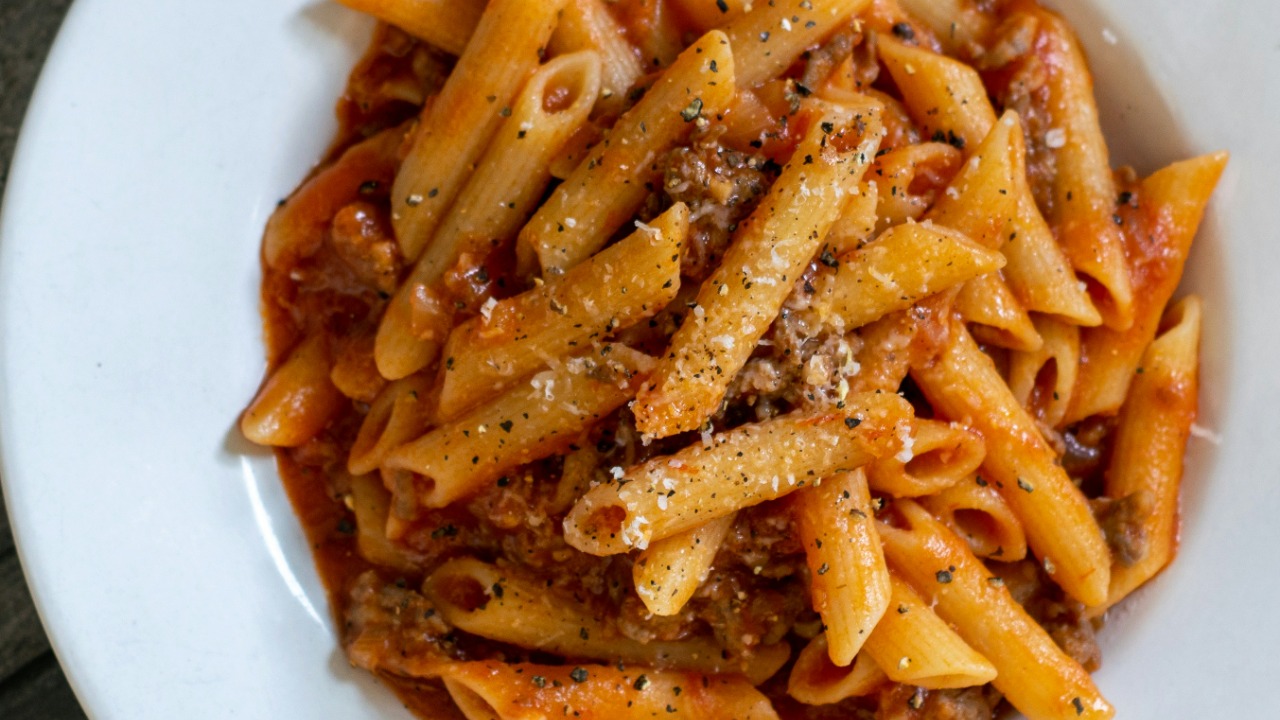
Pasta, a pantry staple for many, has not been immune to price increases. The rising cost of durum wheat, a key ingredient in pasta, is a primary factor. Droughts in major wheat-producing regions have reduced yields, affecting pasta production.
In Italy, the home of pasta, prices have increased, impacting both local consumers and international exports. Pasta lovers may need to look for sales or consider buying in bulk to mitigate the effects of these price hikes.
Sugar

Sugar prices have climbed due to supply chain issues and adverse weather conditions in sugar-producing regions. Hurricanes and floods have affected sugarcane harvests in places like the Caribbean and Brazil, leading to reduced output.
Consequently, consumers are experiencing higher prices for sugar and sugar-based products. This trend is particularly noticeable in the confectionery industry, where manufacturers are grappling with increased costs, potentially affecting product pricing.
Cooking Oil

Cooking oil prices have surged, driven by increased demand and reduced production. Key oil-producing regions, such as Southeast Asia, have faced challenges like labor shortages and environmental factors affecting palm oil production.
In addition, geopolitical tensions have disrupted the supply of sunflower oil from Eastern Europe, further impacting global cooking oil prices. Consumers may need to explore alternative oils or adjust their cooking habits to cope with these increases.
Beef
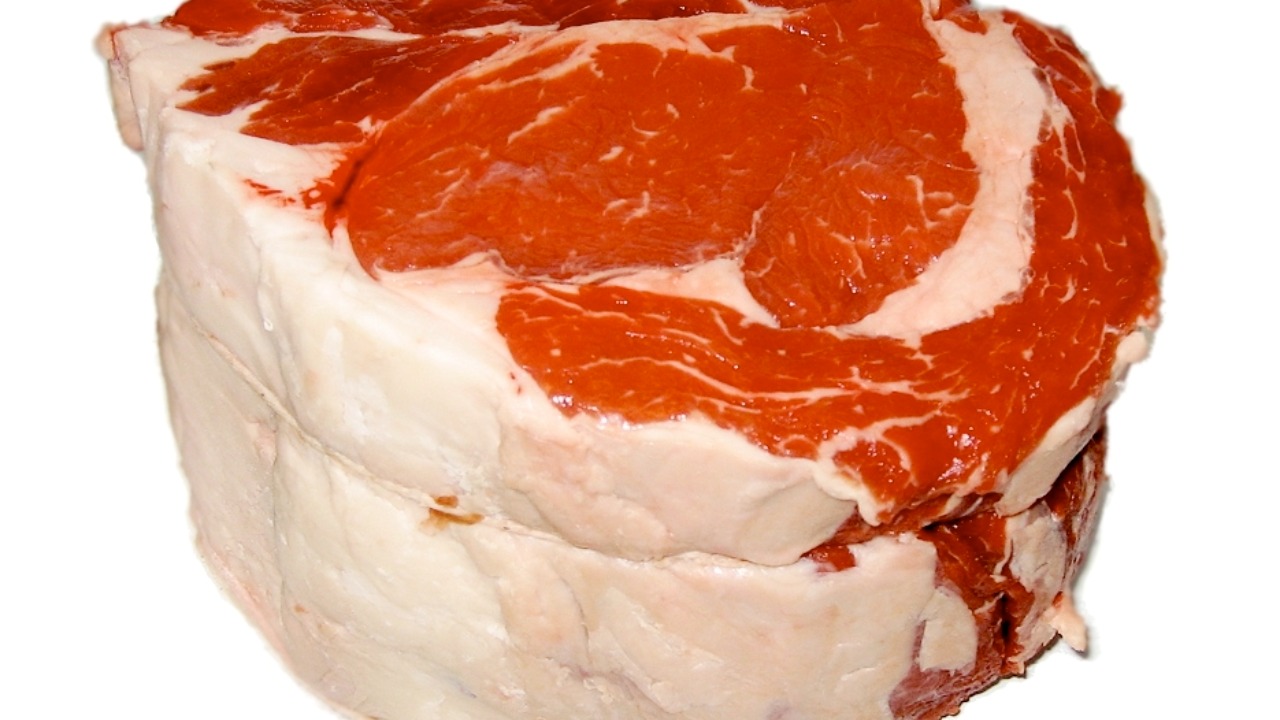
Beef prices are on the rise, influenced by high feed costs and supply chain constraints. The cost of corn and soybeans, essential components of cattle feed, has increased significantly, impacting beef production.
In countries like Argentina, a major beef exporter, these factors have led to higher prices domestically and internationally. As a result, consumers are facing higher costs for beef products, prompting some to reduce consumption or seek alternative protein sources.
Cheese

Cheese, a beloved staple in many diets, is experiencing price increases due to rising milk prices and production costs. The dairy industry faces various challenges, including fluctuating feed prices and increased labor costs, which are passed on to consumers.
In Europe, cheese prices have risen, affecting both local markets and exports. Cheese enthusiasts may need to explore less expensive varieties or look for special deals to manage their grocery bills effectively.

As a mom of three busy boys, I know how chaotic life can get — but I’ve learned that it’s possible to create a beautiful, cozy home even with kids running around. That’s why I started Cultivated Comfort — to share practical tips, simple systems, and a little encouragement for parents like me who want to make their home feel warm, inviting, and effortlessly stylish. Whether it’s managing toy chaos, streamlining everyday routines, or finding little moments of calm, I’m here to help you simplify your space and create a sense of comfort.
But home is just part of the story. I’m also passionate about seeing the world and creating beautiful meals to share with the people I love. Through Cultivated Comfort, I share my journey of balancing motherhood with building a home that feels rich and peaceful — and finding joy in exploring new places and flavors along the way.