Great grilling isn’t just about fire and meat, it’s about knowing how to bring out the best in every cut. The right techniques can turn an ordinary cookout into something unforgettable, where each bite is tender, juicy, and full of flavor. After plenty of trial and error at the grill, I’ve picked up a handful of tricks that make all the difference. Here are 11 of my go-to methods for ensuring grilled meat comes out perfectly every time.
Choosing the Right Meat
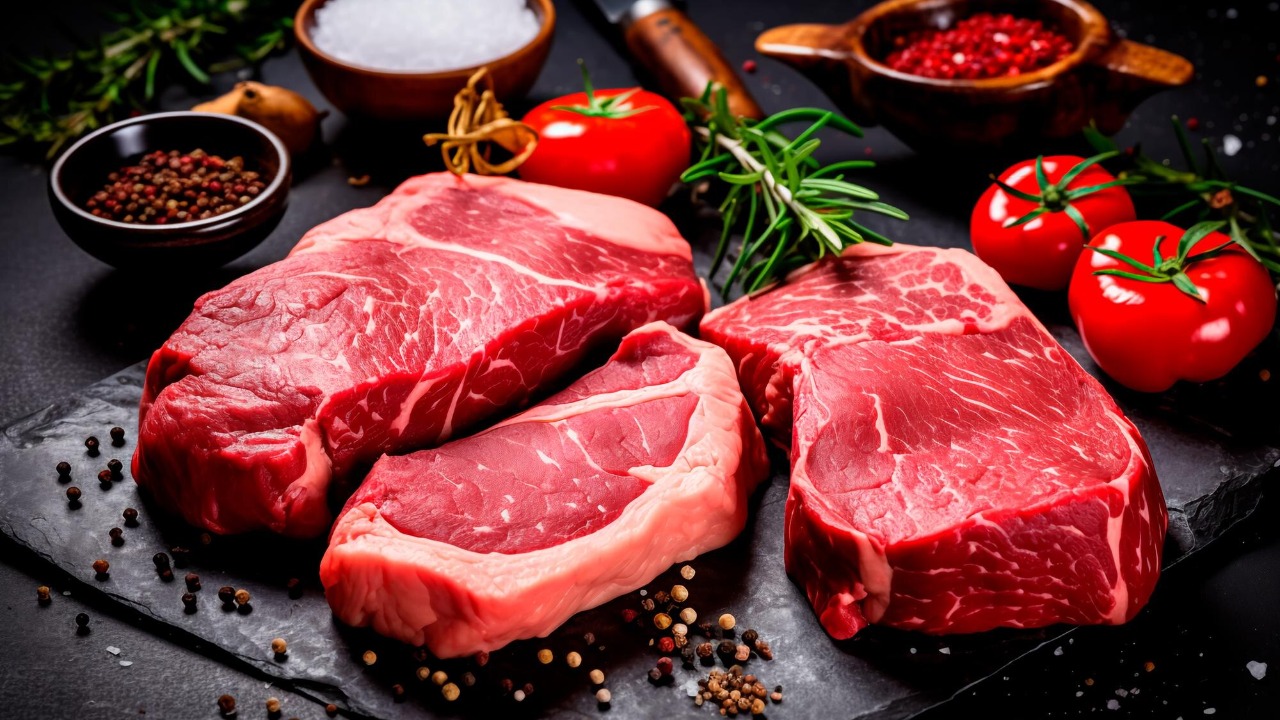
The first step towards achieving juicy grilled meat is choosing the right cut and quality. Not all types of meat are suitable for grilling. For instance, lean cuts like pork tenderloin or chicken breasts can dry out quickly on the grill. Instead, opt for fattier cuts like ribeye steak or pork shoulder that can withstand high temperatures and remain juicy. Don’t skimp on quality either; grass-fed and organic meats often have better marbling and flavor, which translates to juicier, more flavorful grilled meat.
When it comes to poultry, dark meat like thighs and drumsticks is a better choice for grilling than white meat. Fish with higher oil content such as salmon and mackerel also grill beautifully. The bottom line is, understanding the characteristics of different cuts and types of meat can significantly impact the juiciness and flavor of your grilled dishes.
Perfecting Your Marinade
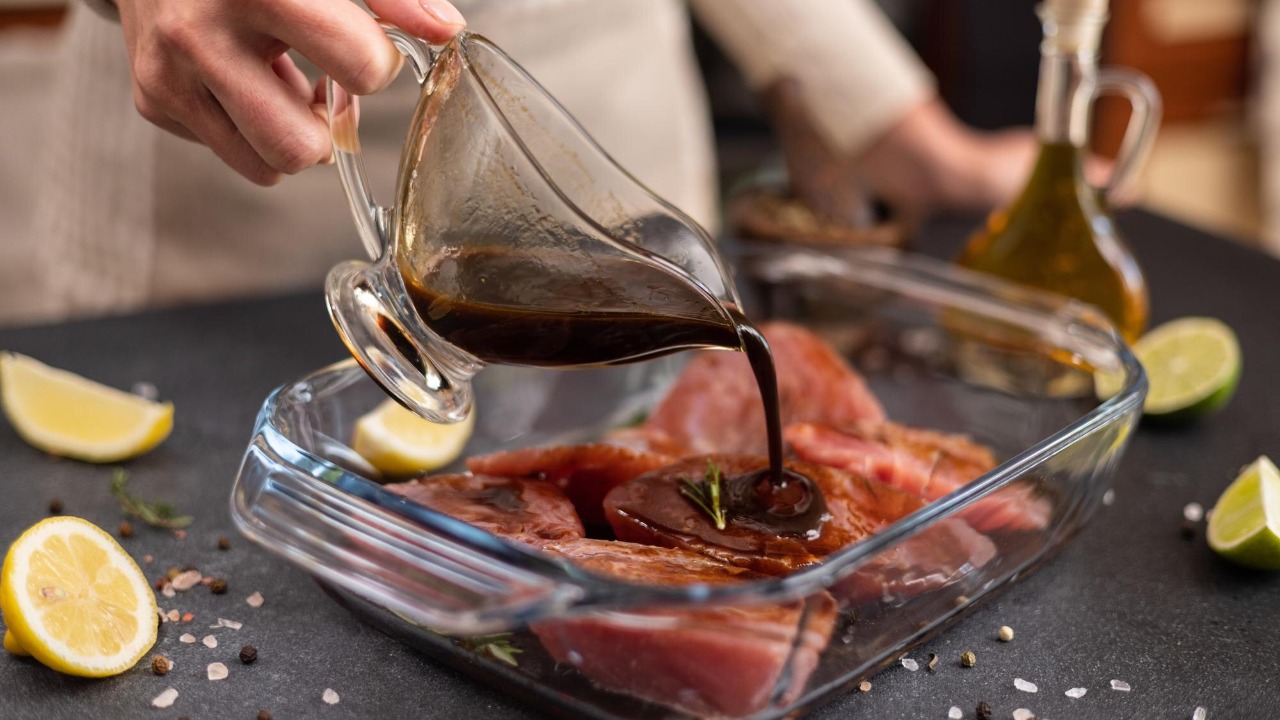
The key to juicy meat lies in a well-crafted marinade. The science behind marinating is that it helps to tenderize the meat and infuse it with flavor. The best marinades include an acid (like vinegar or citrus juice), oil, and a variety of herbs and spices. The acid helps break down tough fibers in the meat, while the oil helps to keep it moist and prevents it from sticking to the grill.
For example, for a simple yet effective steak marinade, you could use a combination of olive oil, soy sauce, garlic, and rosemary. Or for chicken, try a blend of yogurt, lemon juice, garlic, and spices. Just remember to give your meat enough time to marinate—at least a couple of hours, but ideally overnight—for maximum flavor and tenderness.
Seasoning Secrets
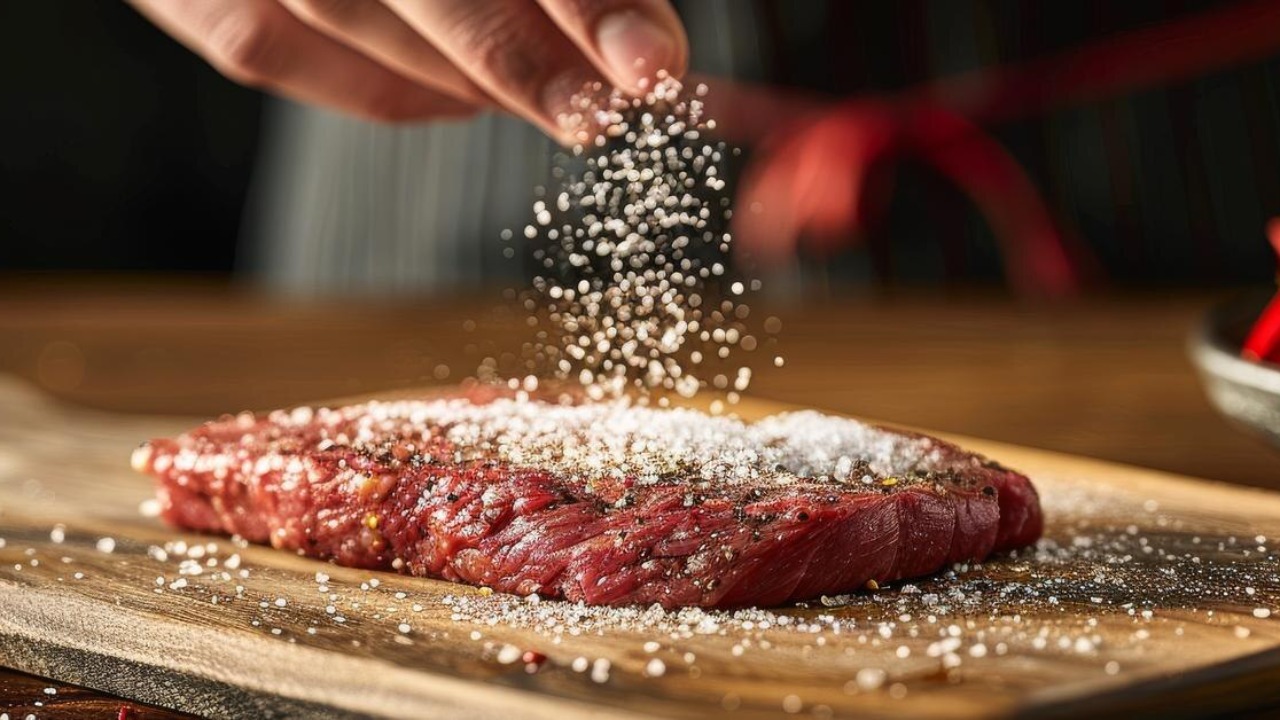
Seasoning your meat properly is key to enhancing its flavor. The timing of seasoning can make a big difference. If you’re using a dry rub or salt, apply it at least an hour before grilling so it has time to penetrate the meat. However, if you’re using a marinade, you’ll want to apply it a few hours before, or even the night before, grilling.
When it comes to choosing your seasonings, don’t be afraid to experiment. While salt and pepper are a classic choice, other spices like paprika, cumin, and chili powder can add a nice kick to your meat. Fresh herbs like rosemary, thyme, and cilantro can also impart a lovely freshness and complexity to your grilled dishes.
Mastering Meat Temperatures
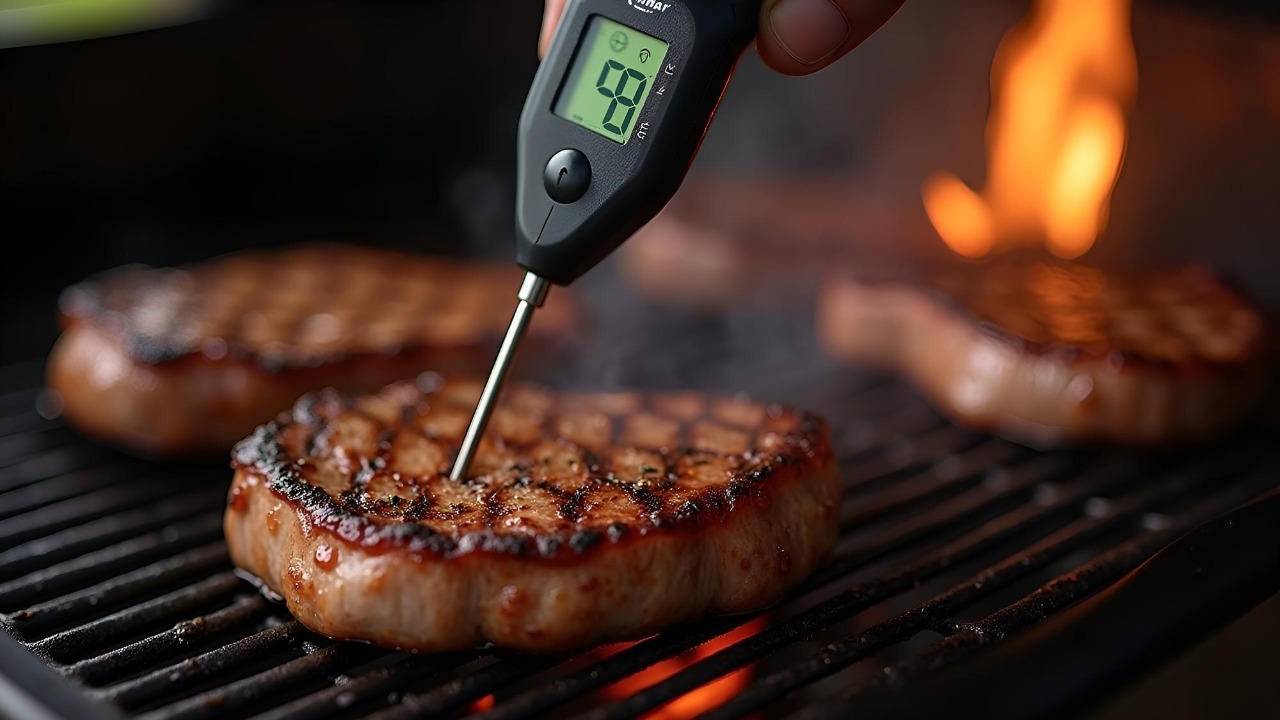
One of the biggest mistakes people make when grilling is not paying attention to the temperature of the meat. The temperature of your meat before it hits the grill can significantly affect how it cooks. For instance, if your steak is too cold when it goes on the grill, it may end up overcooked on the outside and undercooked on the inside. That’s why it’s recommended to let your meat come to room temperature before grilling.
Investing in a good meat thermometer can also be a game-changer. It takes out the guesswork and ensures your meat is cooked to the perfect temperature every time. For example, for a medium-rare steak, you’d want to cook it to an internal temperature of 130-135°F.
Preheating the Grill
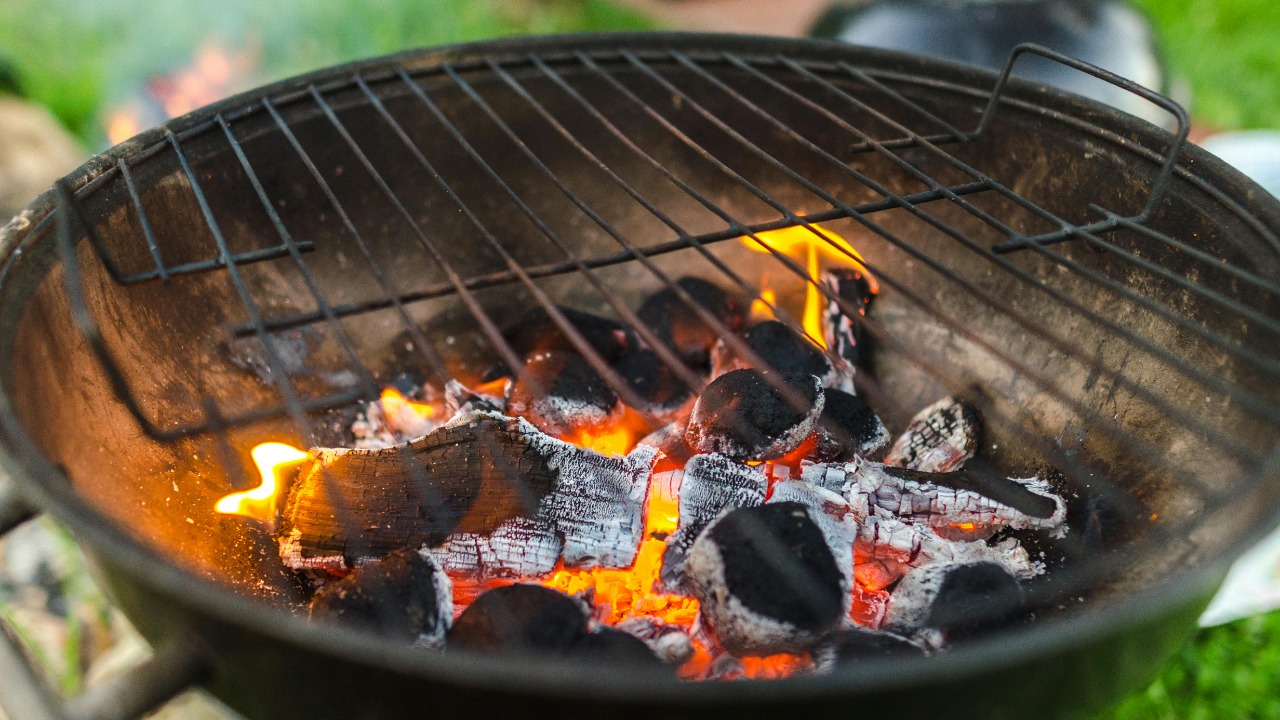
Preheating your grill is crucial for achieving those beautiful grill marks and for cooking your meat evenly. The science behind this is that a hot grill sears the meat on contact, locking in the juices and flavor. On the other hand, a grill that’s not hot enough can cause the meat to stick and lose its juices.
The ideal grill temperature can vary depending on the type of meat you’re cooking. For instance, steaks and burgers do well on high heat (450-500°F), while chicken and fish benefit from a more moderate heat (350-450°F). It’s also a good idea to create a two-zone fire, with one side of the grill hotter than the other, so you can move your meat around as needed during the cooking process.
Utilizing Direct and Indirect Heat
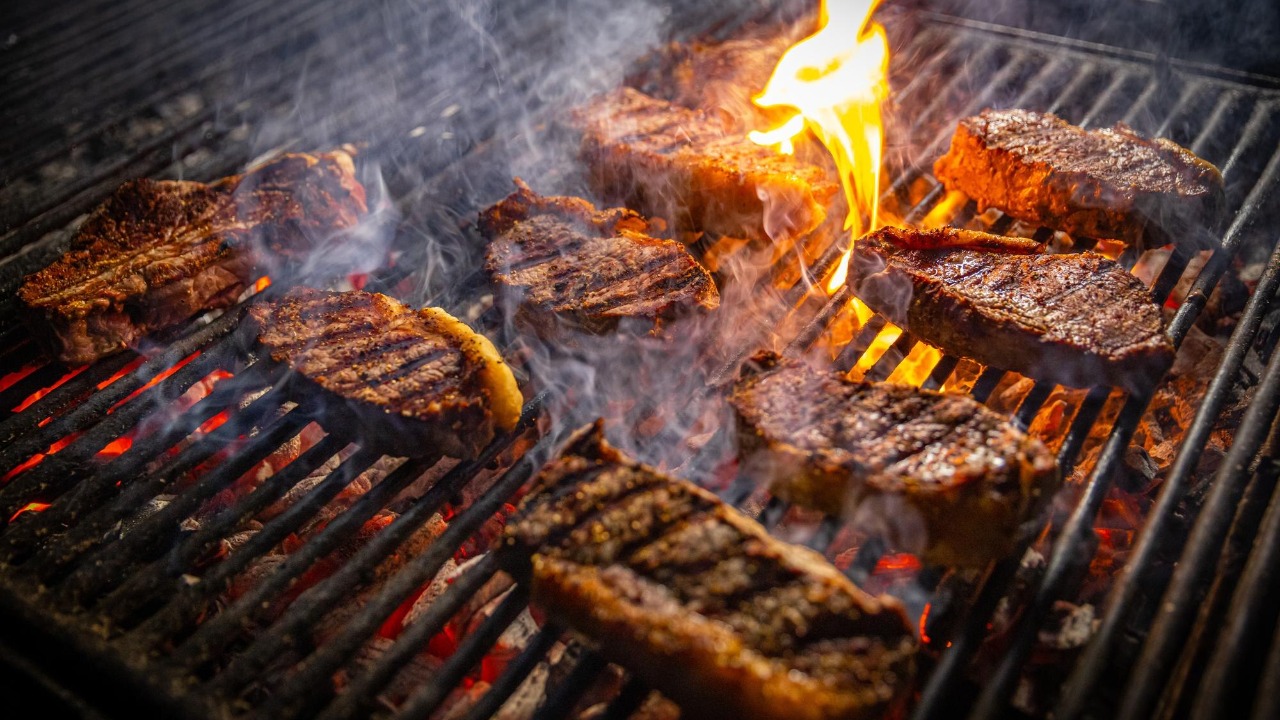
Understanding the difference between direct and indirect grilling methods can greatly improve the juiciness of your meat. Direct grilling involves cooking the meat directly over the heat source, which is great for searing and cooking small, thin cuts of meat quickly. On the other hand, indirect grilling involves cooking the meat away from the heat source, allowing it to cook more slowly and evenly, which is ideal for larger or tougher cuts of meat.
For juicy meat, I recommend using a combination of both methods. Start by searing your meat over direct heat to lock in the juices and create a flavorful crust, then move it to indirect heat to finish cooking. This method ensures your meat is perfectly cooked and juicy throughout.
Flipping Techniques
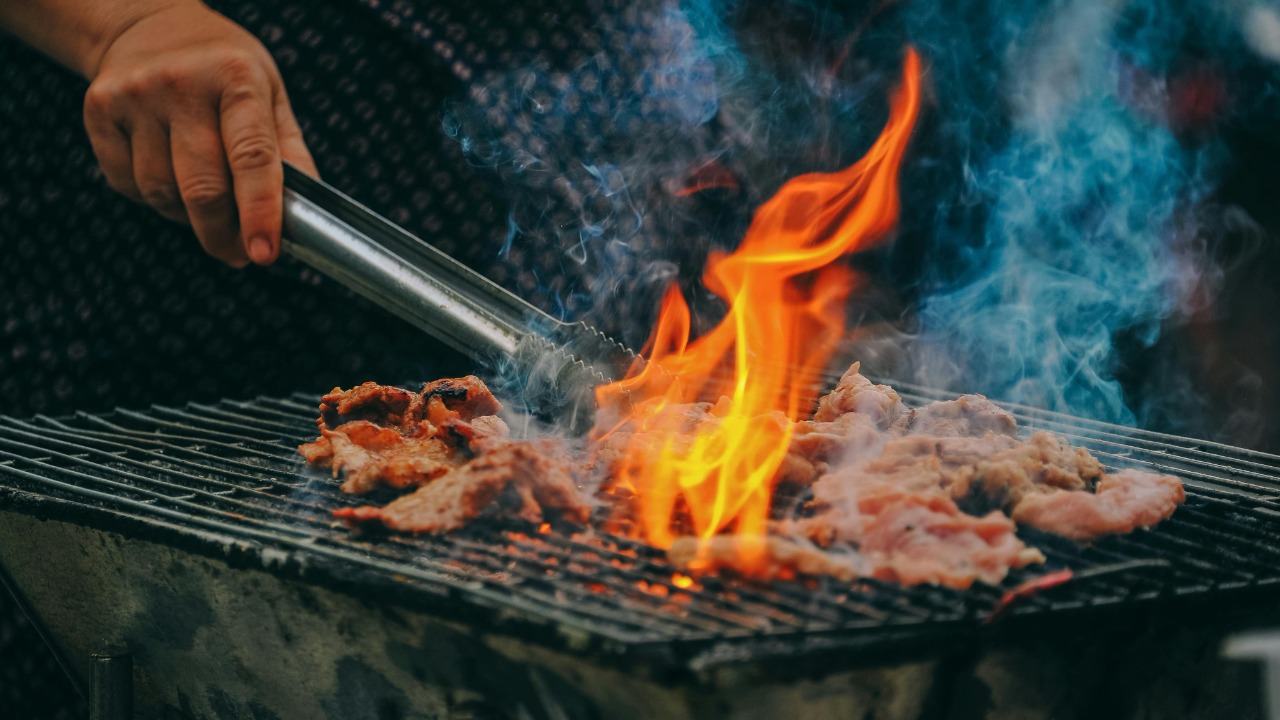
Believe it or not, there’s a right and a wrong way to flip meat on the grill. The key is to be patient and let the meat cook undisturbed until it releases naturally from the grill. If you try to flip it too soon, it may stick and tear, causing you to lose those precious juices.
As for how often to flip, there’s some debate among grill enthusiasts. Some swear by the “flip once” rule, while others advocate for multiple flips. In my experience, flipping the meat once or twice is usually enough to ensure it cooks evenly without drying out. Just remember to use tongs or a spatula instead of a fork to avoid piercing the meat and letting the juices escape.
Letting the Meat Rest
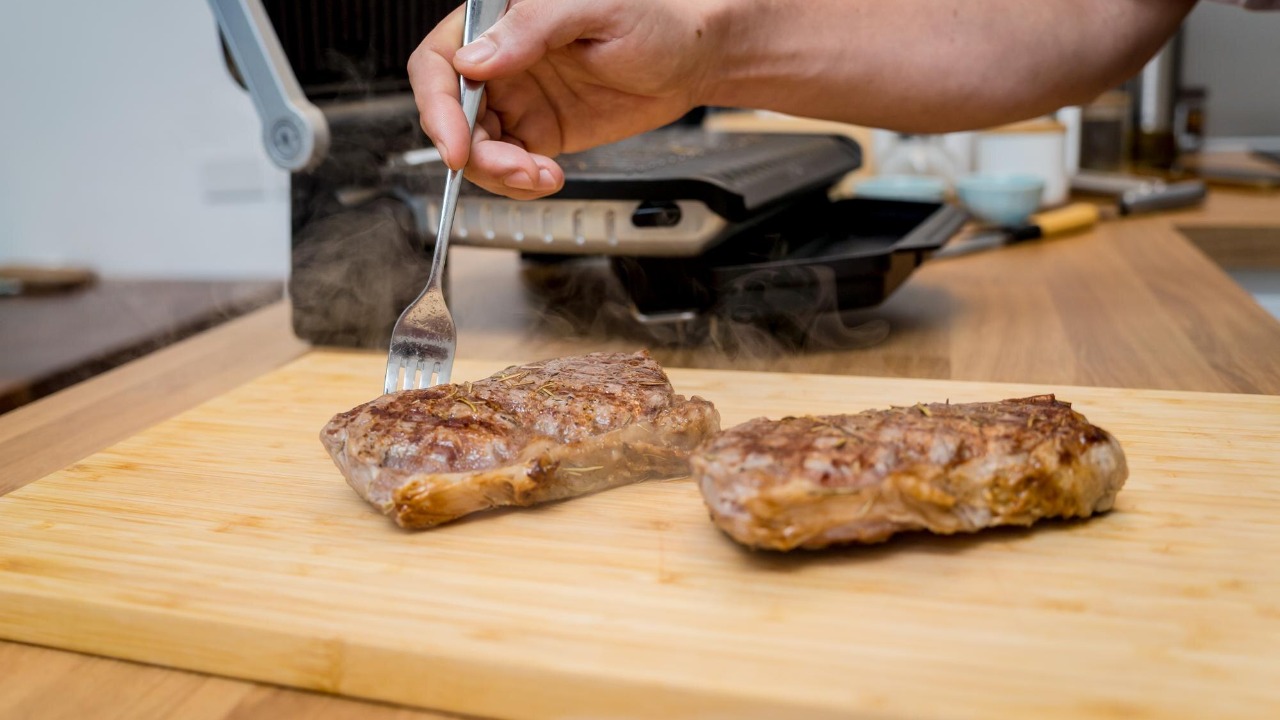
One of the most overlooked steps in grilling is letting the meat rest after it’s cooked. Resting allows the juices to redistribute throughout the meat, resulting in a juicier and more flavorful bite. If you cut into the meat right after it’s removed from the grill, the juices will run out, leaving the meat dry.
The ideal resting time can vary depending on the size and type of meat. For instance, a large roast may need to rest for up to 20 minutes, while a steak or chicken breast may only need 5-10 minutes. Just remember to loosely cover the meat with foil during this time to keep it warm.
The Role of Tinfoil
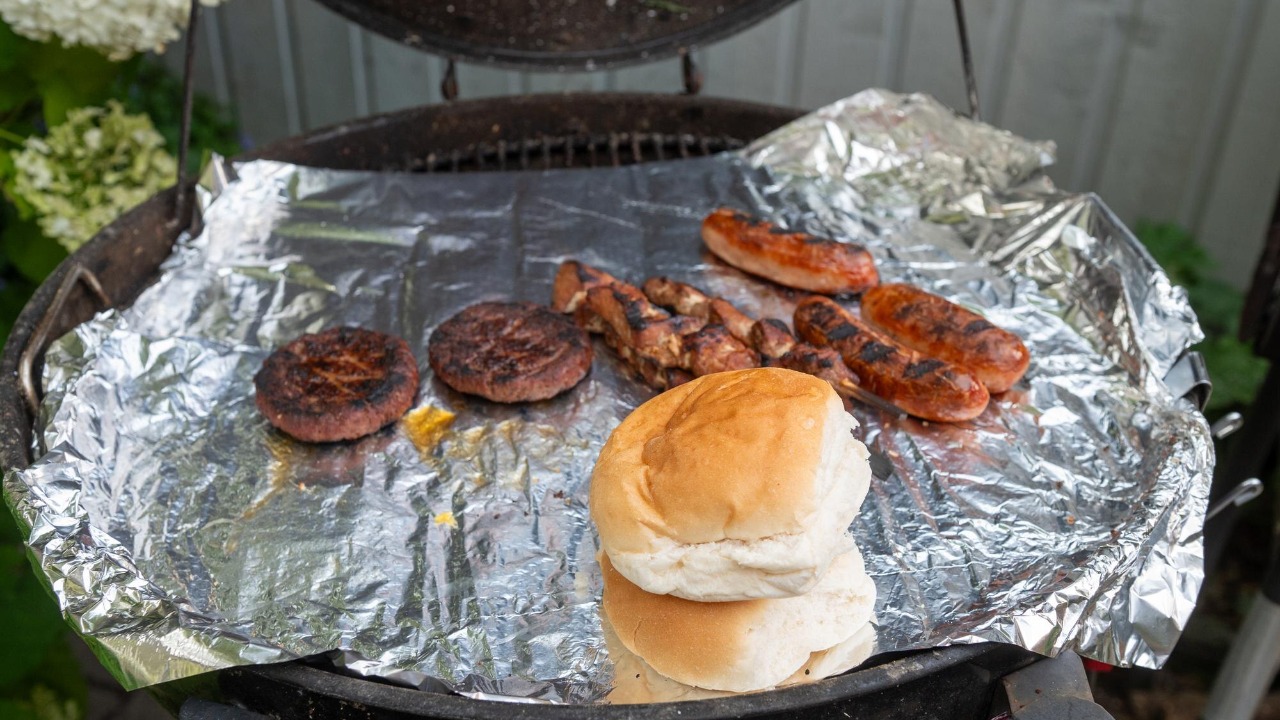
Tinfoil can be a useful tool in your grilling arsenal. It can help to lock in moisture and heat, resulting in juicier meat. For instance, wrapping a rack of ribs in foil for part of the cooking time can keep them moist and tender. Similarly, wrapping fish in a foil packet with some herbs and lemon can result in a beautifully moist and flavorful dish.
However, it’s important to use foil wisely. While it can help to keep meat moist, it can also prevent a nice sear from forming. Therefore, I typically recommend using foil for part of the cooking time, then removing it towards the end to allow the meat to brown and develop a flavorful crust.
Experimenting with Wood Chips
Adding wood chips to your grill can enhance the flavor and juiciness of your meat. Different types of wood impart different flavors. For instance, hickory and mesquite wood chips give a strong, smoky flavor that’s great for beef and pork, while apple and cherry wood chips give a milder, sweeter flavor that’s excellent for poultry and fish.
To use wood chips, soak them in water for about 30 minutes, then drain and add them to your grill. The water helps the chips to smolder rather than burn, providing a steady stream of smoke that infuses the meat with flavor. Experimenting with different types of wood chips can add a new dimension to your grilling and help you achieve a juicier, more flavorful result.
Cleaning and Maintaining Your Grill
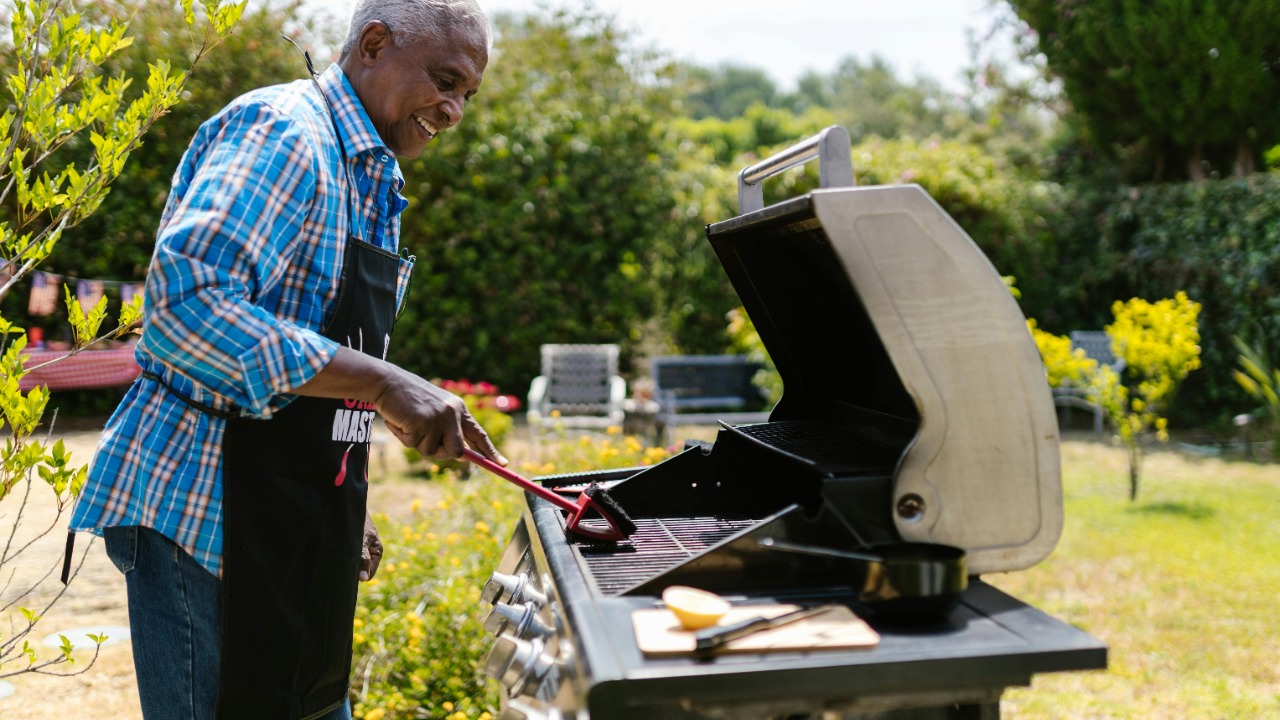
A clean grill not only works better, but it can also contribute to juicier meat. Leftover grease and food particles on your grill grates can cause flare-ups, which can burn your meat and cause it to dry out. On the other hand, a clean grill provides even heat and prevents sticking, resulting in juicier, more evenly cooked meat.
Regular maintenance, such as checking for gas leaks and ensuring the burners are working properly, is also important for optimal grill performance. So don’t neglect the cleaning and maintenance of your grill—it’s just as important as any other step in this guide for achieving juicy, flavorful grilled meat.

As a mom of three busy boys, I know how chaotic life can get — but I’ve learned that it’s possible to create a beautiful, cozy home even with kids running around. That’s why I started Cultivated Comfort — to share practical tips, simple systems, and a little encouragement for parents like me who want to make their home feel warm, inviting, and effortlessly stylish. Whether it’s managing toy chaos, streamlining everyday routines, or finding little moments of calm, I’m here to help you simplify your space and create a sense of comfort.
But home is just part of the story. I’m also passionate about seeing the world and creating beautiful meals to share with the people I love. Through Cultivated Comfort, I share my journey of balancing motherhood with building a home that feels rich and peaceful — and finding joy in exploring new places and flavors along the way.