The process of browning in cooking is a fascinating interplay of chemistry and flavor that transforms the taste and appearance of food. From the Maillard Reaction to caramelization and enzymatic browning, each process contributes uniquely to the culinary experience. Understanding these reactions not only enhances our appreciation of food but also informs better cooking techniques.
The Maillard Reaction

The Maillard Reaction is a cornerstone of culinary science, responsible for the rich flavors and appealing colors in cooked foods. This complex chemical reaction occurs between amino acids and reducing sugars, typically at temperatures above 140°C (284°F). It is the reason why grilled steaks, roasted coffee, and baked bread have their distinctive flavors and aromas. The reaction was first described by French chemist Louis-Camille Maillard in 1912, and it has since become a fundamental concept in both cooking and food science.
During the Maillard Reaction, the amino acids and sugars undergo a series of complex transformations, resulting in the formation of hundreds of different flavor compounds. These compounds contribute to the savory, umami, and sweet notes that characterize many cooked foods. The reaction is highly dependent on temperature, pH, and the presence of water, which is why different cooking methods can yield such varied results. For instance, searing meat at high temperatures enhances the Maillard Reaction, creating a flavorful crust.
Understanding the Maillard Reaction can significantly impact cooking techniques. For example, drying the surface of meat before searing can enhance browning, as moisture inhibits the reaction. Similarly, adding a pinch of baking soda can increase pH levels, promoting faster browning. These insights allow chefs and home cooks alike to manipulate the reaction to achieve desired flavors and textures in their dishes.
Further exploration into the Maillard Reaction reveals its significance beyond just flavor enhancement. This reaction is also crucial in the development of color in food products, which is an important aspect of consumer appeal. The brown pigments formed during the Maillard Reaction are known as melanoidins, which not only contribute to the visual appeal but also possess antioxidant properties. These properties can have potential health benefits, adding another layer of interest to this complex reaction.
Moreover, the Maillard Reaction is not limited to traditional cooking methods. It plays a role in modern food processing techniques, such as extrusion cooking and spray drying, where it helps develop flavors and colors in processed foods. This versatility makes the Maillard Reaction a valuable tool in both home kitchens and industrial food production, demonstrating its wide-ranging impact on the culinary world.
Caramelization
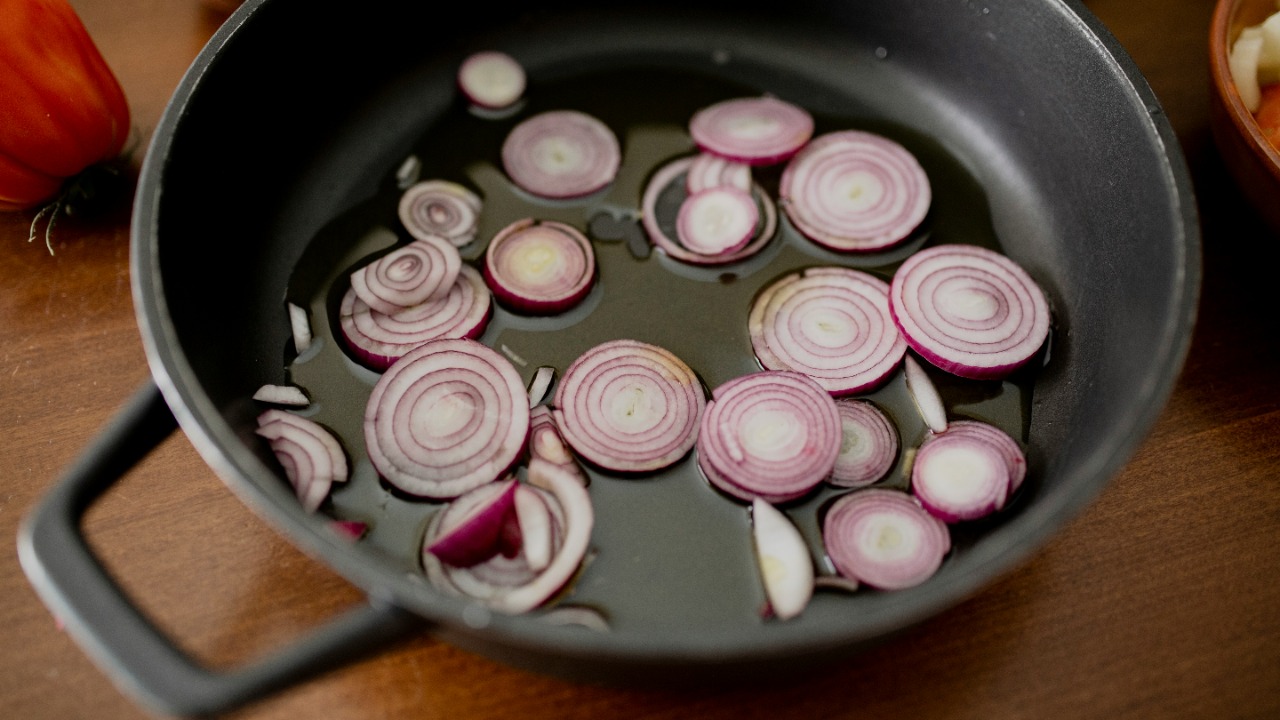
Caramelization is another essential browning process, distinct from the Maillard Reaction, that involves the oxidation of sugar. This process occurs when sugar is heated to high temperatures, typically above 160°C (320°F), leading to the breakdown of sugar molecules and the formation of complex flavor compounds. Caramelization is responsible for the rich, nutty flavors and golden-brown color found in caramel, toffee, and roasted vegetables.
Unlike the Maillard Reaction, caramelization does not involve amino acids. Instead, it is purely a sugar-driven process, which is why it is commonly associated with sweet foods. The process begins with the melting of sugar, followed by the breakdown of sucrose into glucose and fructose. As the temperature increases, these sugars undergo further transformations, resulting in the formation of aromatic compounds and brown pigments known as caramelans, caramelens, and caramelins.
Caramelization is a versatile technique used in various culinary applications. It enhances the sweetness and complexity of flavors in desserts like crème brûlée and caramel sauce. In savory dishes, caramelized onions add depth and sweetness, complementing the savory elements. Mastering the art of caramelization involves controlling the heat and timing to prevent burning, which can impart a bitter taste.
Caramelization is not only a technique for enhancing sweetness but also a method for adding depth to savory dishes. The process can be used to create a balance of flavors, as seen in dishes like French onion soup, where caramelized onions provide a sweet counterpoint to the savory broth. This technique is also employed in the preparation of sauces and glazes, where the caramelized sugars add complexity and richness.
In addition to its culinary applications, caramelization has industrial uses in the food industry. It is employed in the production of colorants and flavorings, where controlled caramelization processes are used to create specific flavor profiles and colors for a variety of food products. This highlights the importance of caramelization not only in cooking but also in food manufacturing, where it contributes to the development of appealing and flavorful products.
Enzymatic Browning
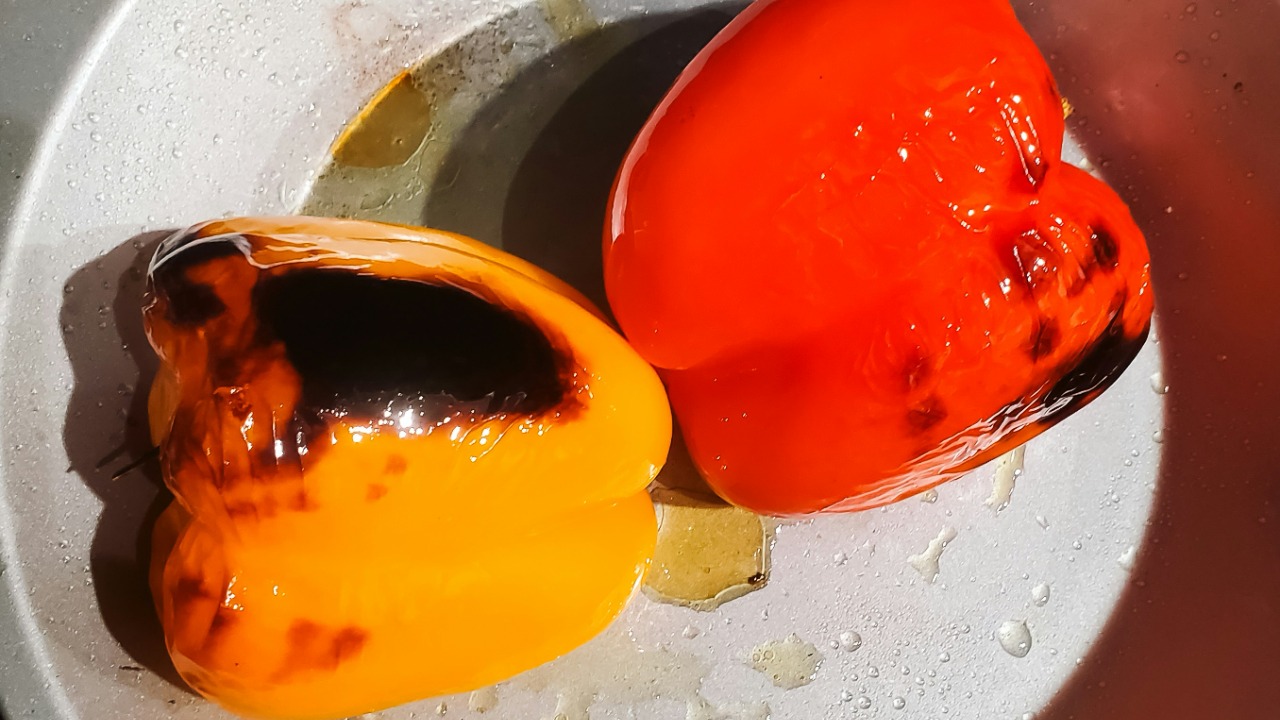
Enzymatic browning is a common phenomenon in fruits and vegetables, such as apples, bananas, and potatoes, where exposure to oxygen causes them to turn brown. This process is catalyzed by the enzyme polyphenol oxidase, which reacts with phenolic compounds in the presence of oxygen to produce brown pigments known as melanins. While enzymatic browning can affect the visual appeal of fresh produce, it does not significantly alter the nutritional value.
The browning process begins when the cell structure of fruits or vegetables is disrupted, such as when they are cut or bruised. This exposure to oxygen triggers the enzymatic reaction, leading to the formation of brown pigments. While enzymatic browning is often undesirable in fresh produce, it can be beneficial in certain food products, such as tea and cocoa, where it contributes to the development of flavor and color.
To prevent enzymatic browning, various methods can be employed. Acidic solutions, such as lemon juice or vinegar, can inhibit the enzyme’s activity by lowering the pH. Refrigeration slows down the reaction by reducing the enzyme’s activity. Additionally, blanching or cooking can denature the enzyme, preventing browning altogether. Understanding these techniques allows for better preservation of the visual and sensory qualities of fresh produce.
Enzymatic browning is a significant concern in the food industry, particularly in the preservation and storage of fresh produce. This process can lead to substantial economic losses due to the reduced visual appeal of browned fruits and vegetables. As a result, extensive research has been conducted to develop methods for controlling enzymatic browning, including the use of natural inhibitors and genetic modification to reduce the activity of polyphenol oxidase.
Despite its challenges, enzymatic browning also offers opportunities for innovation in food processing. For example, the controlled browning of certain fruits can enhance their flavor and aroma, making them more desirable for specific applications. This dual nature of enzymatic browning—as both a challenge and an opportunity—underscores the need for a nuanced understanding of this process in the food industry.
Louis-Camille Maillard’s Contribution
Louis-Camille Maillard, a French chemist, made a significant contribution to the field of food science with his discovery of the Maillard Reaction in 1912. His work laid the foundation for understanding the complex interactions between amino acids and sugars that occur during cooking. Maillard’s research has had a profound impact on both the culinary world and the food industry, influencing everything from cooking techniques to food processing.
Maillard’s discovery was initially aimed at understanding the chemistry of proteins and amino acids. However, his findings revealed a broader application in the culinary arts, explaining the browning and flavor development in cooked foods. The Maillard Reaction is now recognized as a critical process in the preparation of a wide range of foods, from meats and baked goods to coffee and chocolate.
Today, the Maillard Reaction is a key area of study in food science, with ongoing research exploring its implications for flavor, nutrition, and food safety. Maillard’s pioneering work continues to inspire chefs and scientists alike, driving innovation in cooking techniques and food product development. His legacy is evident in the rich, complex flavors that define many of our favorite foods.
Impact on Flavor and Aroma
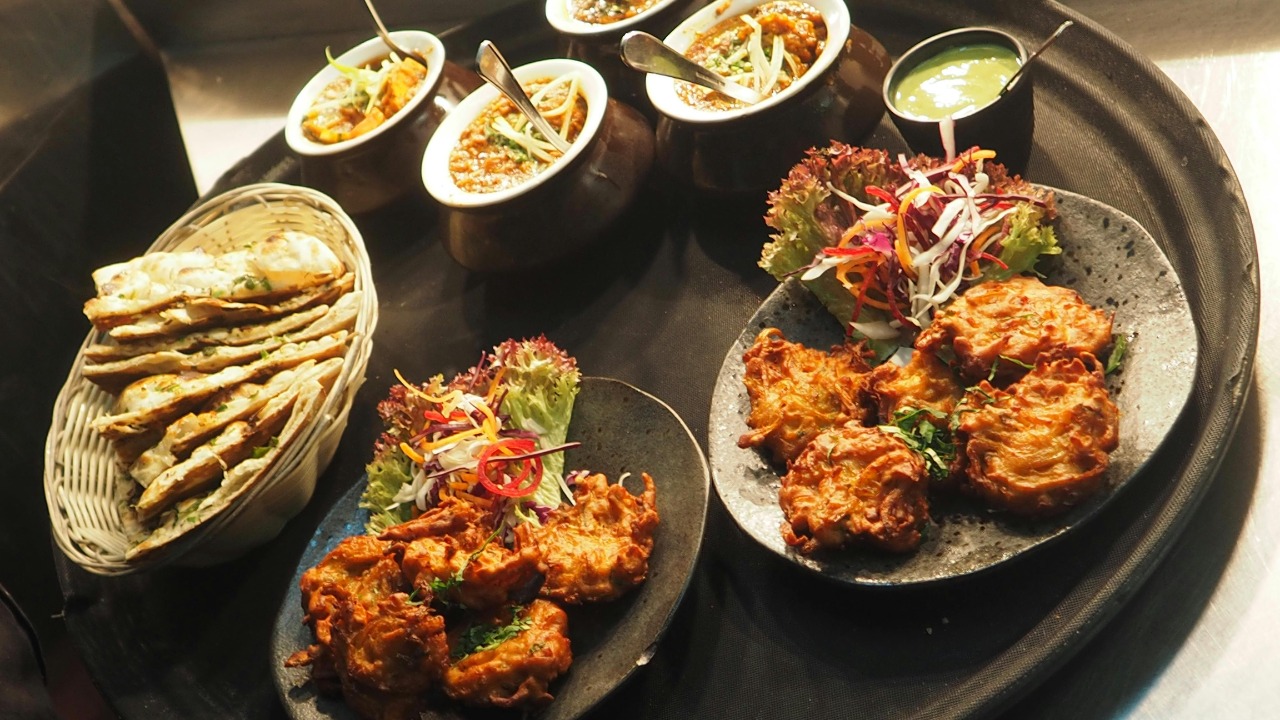
The Maillard Reaction plays a crucial role in shaping the flavor and aroma of cooked foods, contributing to the complexity and depth of flavors that are highly prized in culinary creations. This reaction is responsible for the savory, umami, and sweet notes that develop during cooking, enhancing the overall sensory experience. The Maillard Reaction is particularly important in the preparation of meats, where it creates a flavorful crust and rich, meaty flavors.
In addition to meats, the Maillard Reaction is essential in the baking industry, where it contributes to the golden-brown crust and complex flavors of bread and pastries. The reaction also plays a role in the production of coffee and chocolate, where it enhances the aroma and taste profiles. The wide range of flavor compounds produced during the Maillard Reaction makes it a versatile tool for chefs and food manufacturers seeking to create unique and appealing products.
Understanding the impact of the Maillard Reaction on flavor and aroma allows for greater control over the cooking process. By manipulating factors such as temperature, pH, and moisture levels, chefs can optimize the reaction to achieve desired flavors and textures. This knowledge is invaluable in the culinary arts, where the ability to create and enhance flavors is a key aspect of successful cooking.

As a mom of three busy boys, I know how chaotic life can get — but I’ve learned that it’s possible to create a beautiful, cozy home even with kids running around. That’s why I started Cultivated Comfort — to share practical tips, simple systems, and a little encouragement for parents like me who want to make their home feel warm, inviting, and effortlessly stylish. Whether it’s managing toy chaos, streamlining everyday routines, or finding little moments of calm, I’m here to help you simplify your space and create a sense of comfort.
But home is just part of the story. I’m also passionate about seeing the world and creating beautiful meals to share with the people I love. Through Cultivated Comfort, I share my journey of balancing motherhood with building a home that feels rich and peaceful — and finding joy in exploring new places and flavors along the way.