
A New High for Marriage Age
Americans are pushing back their wedding dates further than any generation on record. Analysis of Census Bureau data by the National Center for Family & Marriage Research at Bowling Green State University puts the median age at first marriage at 30.6 for men and 28.7 for women, the highest levels recorded since the American Community Survey began tracking marital data in 2008. The figures come from the Census Bureau’s own Table MS-2, which has followed median marriage age back to 1890.
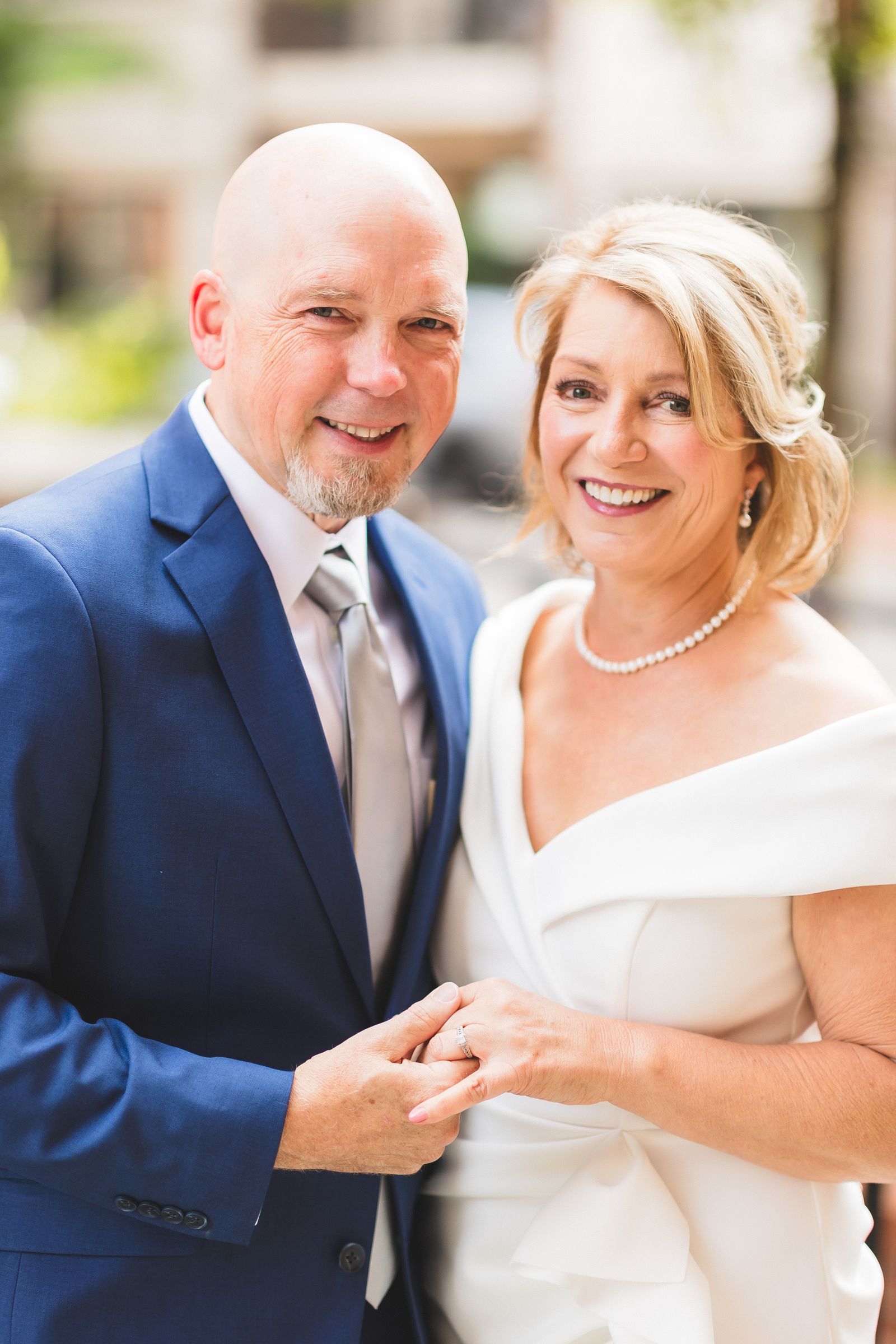
The long-term shift is stark. As recently as the 1950s, the median age at first marriage sat at 22.5 for men and 20.1 for women, according to that same Census Bureau series. That means the typical American now waits roughly eight years longer than their grandparents’ generation did to marry for the first time.
Fewer Marriages Overall
The rising age at marriage is showing up alongside a longer-term decline in how often Americans marry at all. Provisional data from the CDC’s National Center for Health Statistics shows the U.S. marriage rate has fallen from 8.2 per 1,000 people in 2000 to 6.1 per 1,000 in 2023, a decline of roughly 25% over two decades. The rate cratered to a record-low 5.1 in 2020 during the pandemic before partially rebounding in subsequent years, but it has not returned to pre-2020 levels.
Taken together, the two trends point to the same underlying pattern: marriage hasn’t disappeared, but it has become a later and less frequent milestone in American adulthood.
Why Couples Are Waiting
Demographers who study these trends generally point to a mix of economic and cultural forces rather than any single cause. More young adults are staying in school longer, delaying financial independence, and prioritizing career stability before marriage than in past decades. Rising housing costs and student debt loads have also pushed back the age at which many Americans feel financially ready to combine households. At the same time, cohabitation before marriage has become far more common and far less stigmatized than it was even twenty years ago, giving couples an alternative path to partnership that doesn’t require a wedding date.
None of that means marriage is going away. It means the timeline has stretched, and the data now confirms that stretch has reached its longest point on record. For couples themselves, that shift often looks less like avoidance and more like sequencing: finishing school, establishing a career and building savings before making it official. For the wedding industry, retailers and even extended families planning around a “typical” marrying age, the record-high figures are a reminder that the assumptions of a generation ago no longer hold.