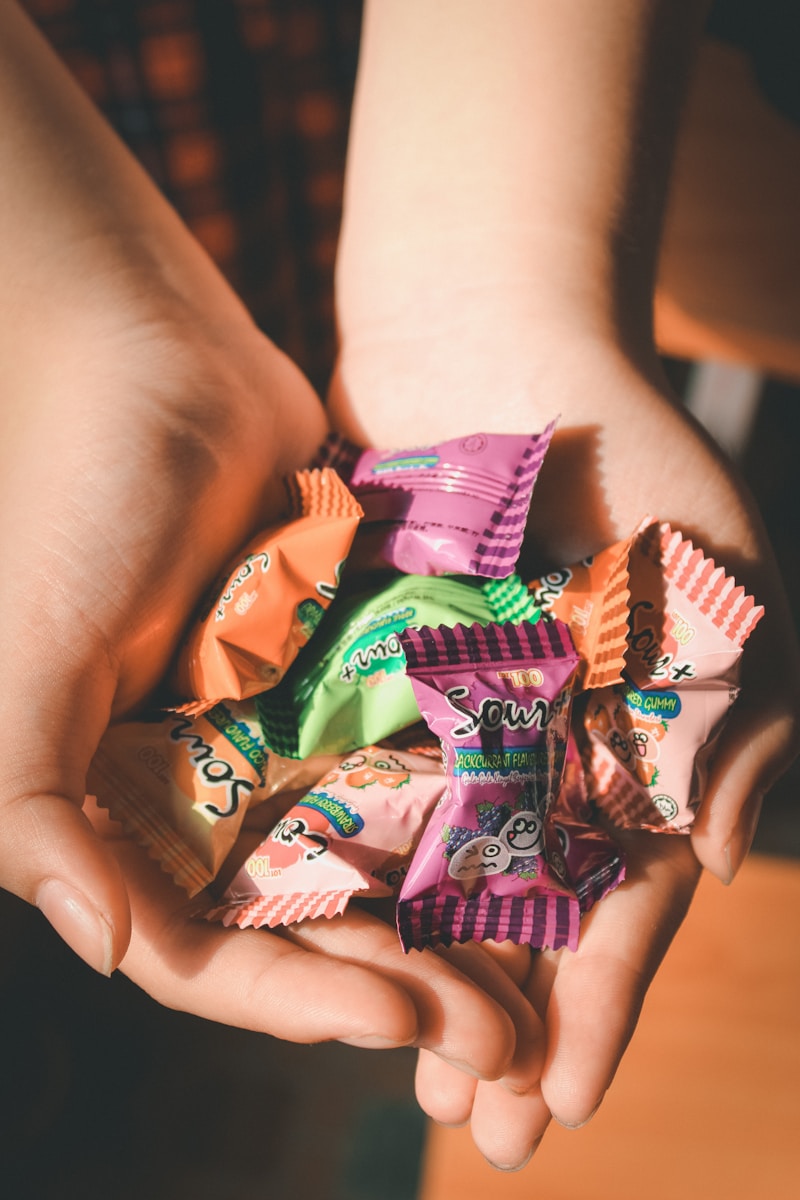
Americans bought $55 billion worth of chocolate and candy in 2025, and 99.8% of U.S. households purchased confectionery at least once during the year, according to new data from the National Confectioners Association (NCA), the industry’s own trade group. The more interesting number isn’t the top line. It’s how that $55 billion actually splits, and what NCA’s own consumer research says is driving people to keep buying it even as they visibly cut corners elsewhere.
Chocolate accounted for 51.7% of that total, or roughly $28.4 billion, while non-chocolate candy made up 40.9%, or about $22.5 billion, per the NCA’s press release distributed through PR Newswire. That non-chocolate share has been climbing for a decade: it sat at just 33% of the category in 2015. NCA projects the whole category will keep growing to $62.2 billion by 2030.
What’s notable is how deliberately people are still buying into a category that costs more than it used to. NCA’s State of Treating 2026 report found 82% of consumers specifically want holiday-specific candy, items with seasonal packaging, shapes, and flavors. Those four holiday seasons alone accounted for 63% of all 2025 confectionery sales. At the same time, 64% of consumers told NCA researchers they’d rather buy less candy and still get their favorite brand than switch to a cheaper, unfamiliar one.

That loyalty shows up differently depending on who’s buying. NCA found 48% of Gen Z shoppers discovered a new candy or chocolate product through TikTok, while 58% of Baby Boomers made their most recent discovery in a store aisle. Confectionery is also increasingly a gifting category detached from the big four holidays entirely: 47% of people said they buy candy as a gift for secondary occasions like Mother’s Day or graduations.
“Americans today are making their purchase decisions with greater intention, and chocolate and candy continue to earn their place in the basket,” NCA President and CEO John Downs said in the association’s own announcement of the 2025 figures.
NCA’s own consumer research found people enjoy chocolate or candy roughly two to three times a week on average, adding up to about 40 calories and roughly one teaspoon of added sugar per day, and more than 80% of consumers said they believe occasional chocolate and candy consumption is a perfectly acceptable part of a balanced diet.
Put the numbers together and a clearer picture of the modern candy buyer emerges: someone who still buys candy almost as a given, who increasingly wants that candy to look and feel seasonal rather than generic, and who will downsize a purchase before downgrading a brand.
Retailers appear to be responding to that loyalty-over-price-sensitivity pattern directly. Grocery and mass-market chains have expanded seasonal candy sections earlier in the calendar year over year, giving shoppers a longer window to buy holiday-specific packaging before a given season passes, a shift that lines up with NCA’s finding that four holiday windows now account for nearly two-thirds of annual category sales. Smaller pack sizes have also become more prominent on shelves, a direct response to the trading-down behavior NCA’s own research documented among budget-conscious shoppers unwilling to abandon a favorite brand entirely.

The nostalgia angle NCA identified adds another layer worth watching. Brands that have leaned into retro packaging or brought back discontinued flavors have generally seen strong reception, according to the association’s own trend commentary, suggesting confectionery makers view familiarity, not novelty, as the safer bet in a category where consumers have already shown they’ll protect their favorite brand’s spot in the cart even while cutting back elsewhere in the grocery budget.
Taken together, the $55 billion figure looks less like a story about indulgence spending holding steady by accident and more like a category that’s actively adapting to a budget-conscious moment without losing its customer base. Smaller packages, seasonal urgency, and brand loyalty are doing the work that price increases alone would otherwise threaten, which is part of why NCA’s own five-year forecast points toward continued growth rather than a plateau, even in a grocery environment where shoppers are visibly cutting back on plenty of other discretionary categories. Candy, it turns out, is one of the last places in a stretched household budget where shoppers are willing to hold the line on quantity before they’ll compromise on which brand ends up in the cart.