Frozen meals and takeout kits promise a lot on the box. Servings, portions, calories, all printed in tidy little rows. One shopper decided to put the box to the test with a measuring cup, and the result has people asking some pointed questions.
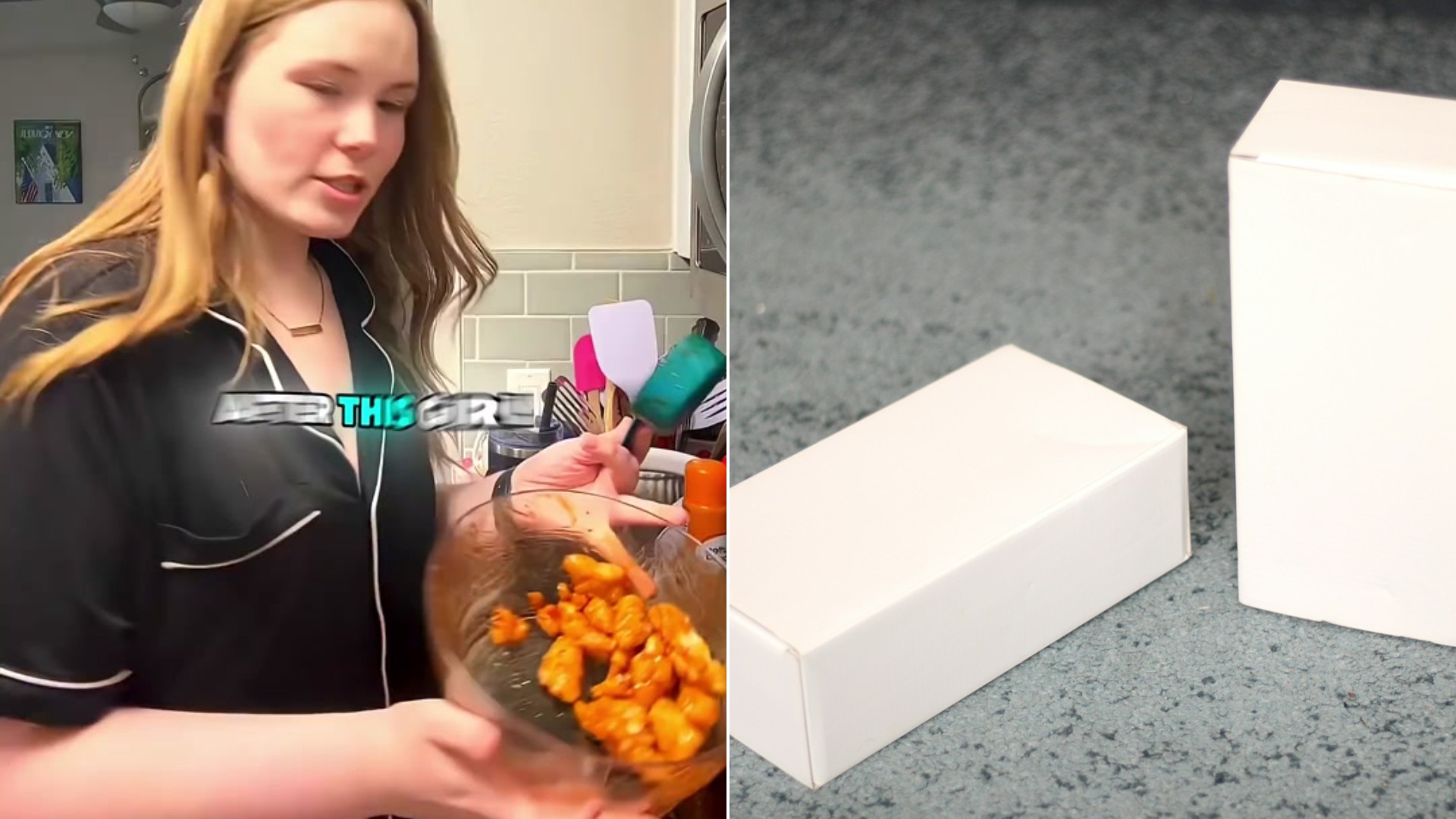
In a TikTok from @crazy.nova6, an Asian chicken container is labeled as three servings of one cup each. She opened two boxes and measured everything out, and by her count the two boxes together held only three cups instead of six.
@crazy.nova6
Two Boxes Are Supposed To Make Six Cups But She Measures Only Three
The math on the label is easy. Three servings at one cup each is three cups in a single container, so two containers should add up to six cups.
She says that is not what came out. When she poured the contents of both boxes into a measuring cup, the total came to three, which is half of what the labels led her to expect.
“How Is That Legal?” Is The Question She Leaves Hanging
The shopper’s reaction is the one most of us would have. If the box says one thing and the measuring cup says another, how does that pass?
It is a fair question, and the answer is a little more complicated than the outrage suggests. Food labeling in the United States follows federal rules, and the details matter a great deal.
What The Label Is Actually Required To Tell You
Under Food and Drug Administration rules, a package must state its net quantity of contents, and for most foods that is a weight, such as ounces or grams, not a volume in cups. The serving size on the Nutrition Facts panel is a separate number, and it is usually listed in a household measure like a cup along with a gram weight in parentheses.
Foods settle, fluff up and pack differently, so the same weight of food can fill a different amount of space. That is one reason a cup measure can come out lower than the label suggests, especially with a dish that has sauce, chunks and a lot of air between the pieces.
But the gram weight is the number to trust. If the container holds roughly the weight printed on the package, the product is generally meeting the basic rule, even when it looks skimpy in a cup.
Slack Fill And The Half Empty Box Problem
There is another rule that comes into play when a box looks fuller than it is. Federal regulations on slack fill say a container should not be made, formed or filled in a way that misleads shoppers about how much food is inside.
Some empty space is allowed when there is a real reason for it, such as protecting the food during shipping or because the contents settle. Extra space with no good reason is the sort of thing regulators and state attorneys general look at.
That is why consumer complaints matter. When shoppers like @crazy.nova6 share what they find, it gives agencies and the company a reason to take another look.
How To Check A Package Before You Buy Or Complain
If a serving size has you scratching your head, here is a simple way to find out what you really bought. You do not need fancy equipment, just a few minutes and a kitchen scale.
- Find the net weight on the front of the package and the serving weight in grams on the Nutrition Facts panel.
- Multiply the serving weight by the number of servings to see what the label implies.
- Weigh the food on a kitchen scale, minus the container, and compare.
- Keep the box, the receipt and the lot number in case you decide to contact the company.
- Take a clear photo of the label and the measured food so you have a record.
Where To Take A Complaint That Will Be Heard
Start with the company. Most food makers list a customer service number or email on the package, and many will offer a refund or a coupon when a product falls short.
If the answer is not satisfactory, you can contact the Food and Drug Administration, which handles most packaged foods, or your state attorney general’s consumer protection office. A written complaint with photos carries far more weight than a phone call.
The Bigger Picture For Shoppers On A Budget
Whether or not this particular container broke any rule, it taps into a feeling many of us share. When prices go up, we look harder at portions, and a box that seems light feels like a second price hike hidden inside the first.
It pays to compare cost per ounce rather than cost per box, and to remember that a meal labeled as three servings may feed one hungry adult. A shopper with a measuring cup and a curious streak, like @crazy.nova6, is doing the rest of us a favor.
Family cooks know this instinct well. When a recipe card says it serves six, we all know whether it really will, and a packaged meal deserves the same honest test at the table.
The takeaway is not that every box is shortchanging you. It is that a measuring cup, a scale and a little curiosity put the power back in your hands.
More Stories You May Like
- Woman Drives Up To The Grand Canyon Expecting To Spot It From Miles Away, Instead Sees Only Forest, Why Do I Only See Trees
- Parent Orders One Extra Extra Large Shake At In-N-Out For $5.25, Pours It Into Four Water Cups So Every Kid Gets Their Own, And Says Four Shakes Alone Would Run About $12
- Woman Shows The $4 Chipotle Order She Has Gotten Since College, A Chicken Taco With Black Beans, Rice, Cheese And A Side Tortilla That Turns Into One Massive Taco