Most of us know the sad scrambled egg. It comes off a hot skillet as a heap of dry yellow crumbs that squeak when you chew, and we bury them in ketchup or hot sauce and call it breakfast.
Edna Jackson says that is not your fault, and it is not the eggs’ fault either. In her cooking video, the 68-year-old Alabama cook says nobody ever showed you how her Big Mama did it.
Big Mama stood at her stove in Greensboro, Alabama, in a kitchen with a window box full of herbs and a radio that only picked up two stations. According to Edna, she never once stirred her eggs the way the rest of us were taught. She hardly touched them at all.
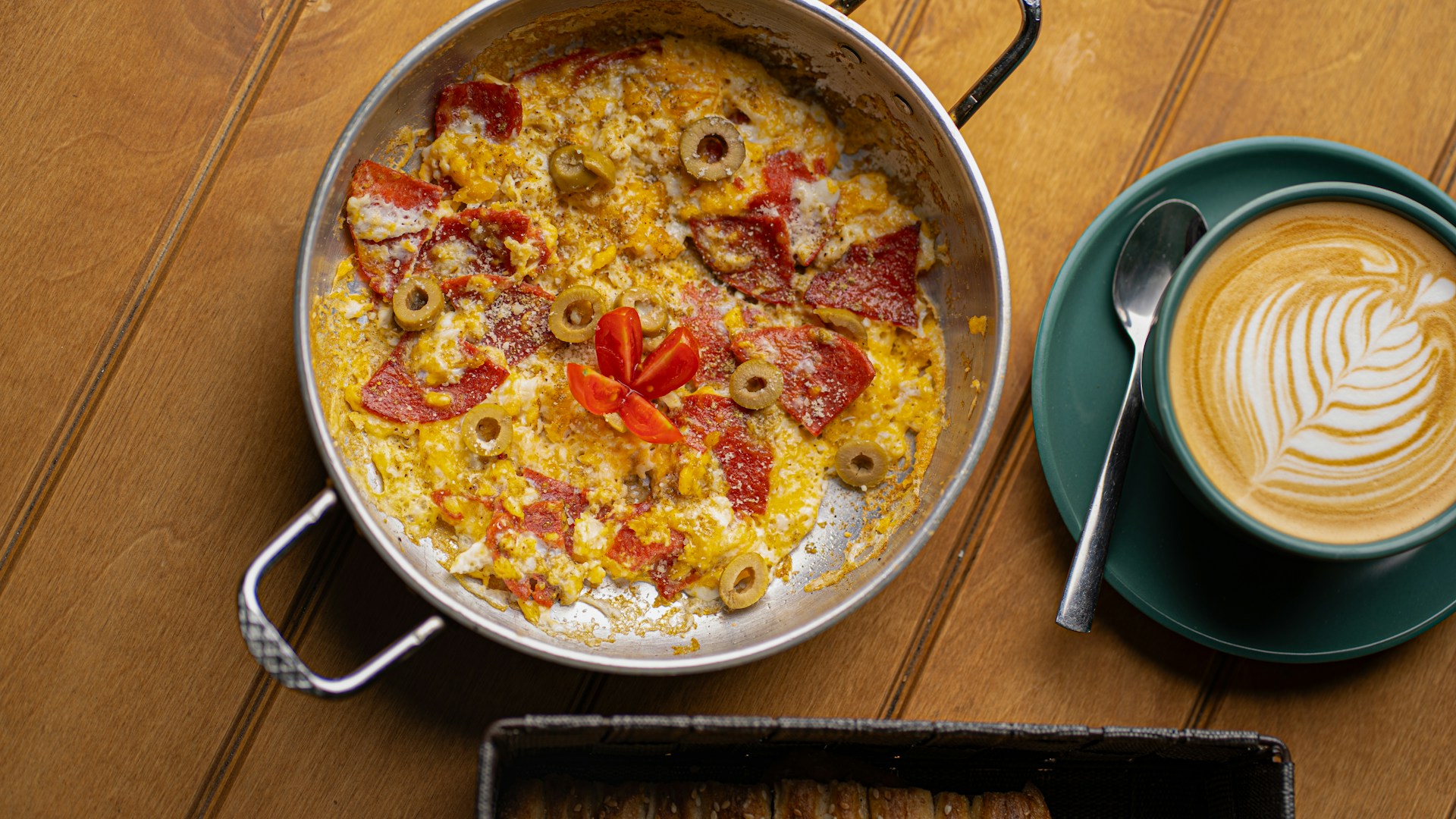
What came out of that skillet, Edna says, was soft and creamy and custardy, in big tender buttery folds that sat on the plate like a little yellow quilt. Nobody at Big Mama’s table ever asked for ketchup.
Edna has spent most of her life cooking for family, friends and neighbors, from slow-smoked barbecue to collard greens and cornbread. She counts down ten of her grandmother’s tricks, and the first few begin before the pan is even warm.
Crack The Eggs In A Bowl First, And Beat Them Only 20 Seconds
Trick number 10 is to crack every egg into a bowl before it goes near the skillet. A bit of shell or one bad egg can spoil the whole breakfast once it lands in the pan. Big Mama used a little blue bowl with a chip in the rim and looked at each egg before it joined the rest.
If shell slips in, Edna says to fish it out with a bigger piece of shell, because a small sliver just slides away from your finger. Then beat with a fork only until the yolks and whites become one smooth yellow, which takes about 20 seconds. Beat too little and you get stripes of clear white, and beat too hard and you whip in air you do not need. This is not a puffy diner omelet, she says. “We want creamy, not fluffy.”
Two or three eggs per person is plenty, and Edna would crack eight for a family of four. For a richer egg she adds about a tablespoon of milk or cream for every three eggs. Big Mama used whole milk, and on a holiday a spoonful of heavy cream.
Trick 9 And 8 Say The Right Pan And Real Butter Do Half The Work
Big Mama cooked eggs in a small, well-seasoned cast iron skillet about 8 inches across. Edna says a good nonstick pan is a fine choice too. What matters is size, because three or four eggs spread thin in a 12-inch skillet go dry before you turn around, while the same eggs in an 8 or 10-inch pan pile up into thick, soft folds.
Keep a rubber or silicone spatula handy, she adds. A fork scratches and chops, but a soft spatula pushes and folds.
Trick number 8 is real butter, about a tablespoon for every three eggs. Big Mama also kept a jar of bacon drippings by the stove for some mornings. The butter should be melted and gently foaming, never browned, and if it smells nutty the pan is too hot.
Eggs Are Like A Sleeping Baby, Big Mama Said, So Turn The Heat Down Low
Here is the one that surprises people. Trick number 7 is to turn the burner to low, lower than you think and lower than feels right.
Edna explains that proteins in an egg tighten fast on a hot pan and squeeze out their moisture, and that is where the dry, rubbery crumbs come from. On gentle heat they set slowly and stay soft. Big Mama used to say eggs are like a sleeping baby, and you do not stomp or rush around them. If the eggs sizzle when they hit the pan, it is already too hot, and you want only a whisper of a hiss.
Yes, you will stand there three or four minutes instead of one. Edna says those minutes buy the difference between a rubbery breakfast and a creamy one.
The Salt Argument Cooks Still Have, And What Big Mama Did About It
Trick number 6 is the salt, and Edna is plain about it. Some folks say never salt eggs before cooking because they turn watery, and others say salt early for tenderness. She says cooks who know a lot more than she does disagree.
Big Mama stirred a good pinch into the beaten eggs a few minutes before they hit the pan. Edna says she has done it that way for over 50 years and never had a watery plate. Pepper goes in at the end, she adds, because pepper cooked too long turns bitter.
Stop Stirring And Start Folding, Because “You’re Laying Down Layers, Baby”
Trick number 5 gave the video its name. Edna says constant stirring breaks eggs into tiny pieces before they can set, and the more you stir the smaller and drier they get.
Pour the beaten eggs into the buttered pan over low heat and leave them alone for 20 to 30 seconds, until the edges turn pale. Then push the eggs gently from the edge to the middle with the spatula in one slow, wide stroke. Wait, push from another side, fold again. Edna sums it up as push, fold, wait, and says Big Mama called the results quilt squares.
“You’re laying down layers, baby, not whipping a gravy,” Big Mama would say. Go around the pan for 2 to 4 minutes until the folds look glossy and wet, like little yellow pillows.
A Double Boiler For Nervous Cooks, And A Lid For Busy Mornings
Trick number 4 is for anyone who has scorched eggs while pouring coffee. Set a heatproof bowl over a saucepan with an inch or two of simmering water, melt butter in the bowl, add the eggs and stir slowly. The eggs cook gently in 8 to 10 minutes into a silky, spoonable custard.
Edna says Big Mama saved that for holidays, company, or someone feeling poorly. Trick number 3 was her everyday method. Once the eggs are about half set, pull them into a loose pile, put a lid on, and keep the heat low for 30 to 60 seconds. You can pour coffee or slice a tomato, but Edna warns not to leave the room.
Take The Pan Off Early, But Cook Them Firm For Little Ones And Frail Folks
Trick number 2 is knowing when to stop. Eggs keep cooking from their own heat, so a pan that looks perfect on the stove will be dry by the time it hits the table. Edna pulls the pan while the eggs still look a little glossy, stirs in a small pad of cold butter or a spoonful of cream, and lets them rest about 30 seconds.
She adds a warning as a grandmother. For small children, expectant mothers, older people or anyone with a weak immune system, cook eggs fully set and firm, because raw or undercooked eggs can carry germs. The safe mark for egg dishes is 160 degrees if you want to check with a thermometer.
Number One Is The Whole Sunday Plate, And The Recipe Fits A Family Of Four
Trick number one is the plate. Big Mama built every Sunday around creamy eggs in the middle, a hot buttered biscuit on one side, a spoonful of cheese grits on the other, and country ham, bacon or sausage with sliced tomatoes when they were in season. Fresh black pepper went over everything, with syrup or fig preserves on the table.
For four people Edna uses eight large eggs, two tablespoons of butter, half a teaspoon of salt, a tablespoon or two of milk or cream, a handful of shredded sharp cheddar and a tablespoon of chopped chives. Beat the eggs with the salt and milk, warm the skillet on low, melt the butter until it foams, and pour in the eggs. Walk away for 30 seconds, then push, fold and wait for 3 to 4 minutes.
Scatter the cheese on top, fold once, add the chives and let it rest 30 seconds. Serve right away on warm plates, because cold plates make eggs go tight.
The Four Rules To Remember When The Rest Slips Your Mind
Edna boils the whole countdown down to four ideas. Use a little real butter, keep the heat lower than you think, stop stirring and start folding, and take the pan off before you believe you should. Do those and the same dozen eggs in the same skillet come out soft and golden.
What she misses most about Big Mama’s kitchen is how unhurried it was. Big Mama used to say good cooking is mostly the patience to leave a thing alone. Edna also mentions her cookbook, Soul on the Table, with 144 soul food recipes for family dinners and Sunday suppers.
More Stories You May Like
- 10 Foods Families Leaned On During The Great Depression, From Hoover Stew To Water Pie And Other Meals That Stretched A Dollar
- 12 Luxurious Perks That Were Once Standard On Airline Flights, From Onboard Lounges To Full Meals Served On Real China
- 8 Full-Sized Liquids Travelers Can Actually Bring Through Airport Security In 2026, Including Exemptions Many Passengers Never Hear About