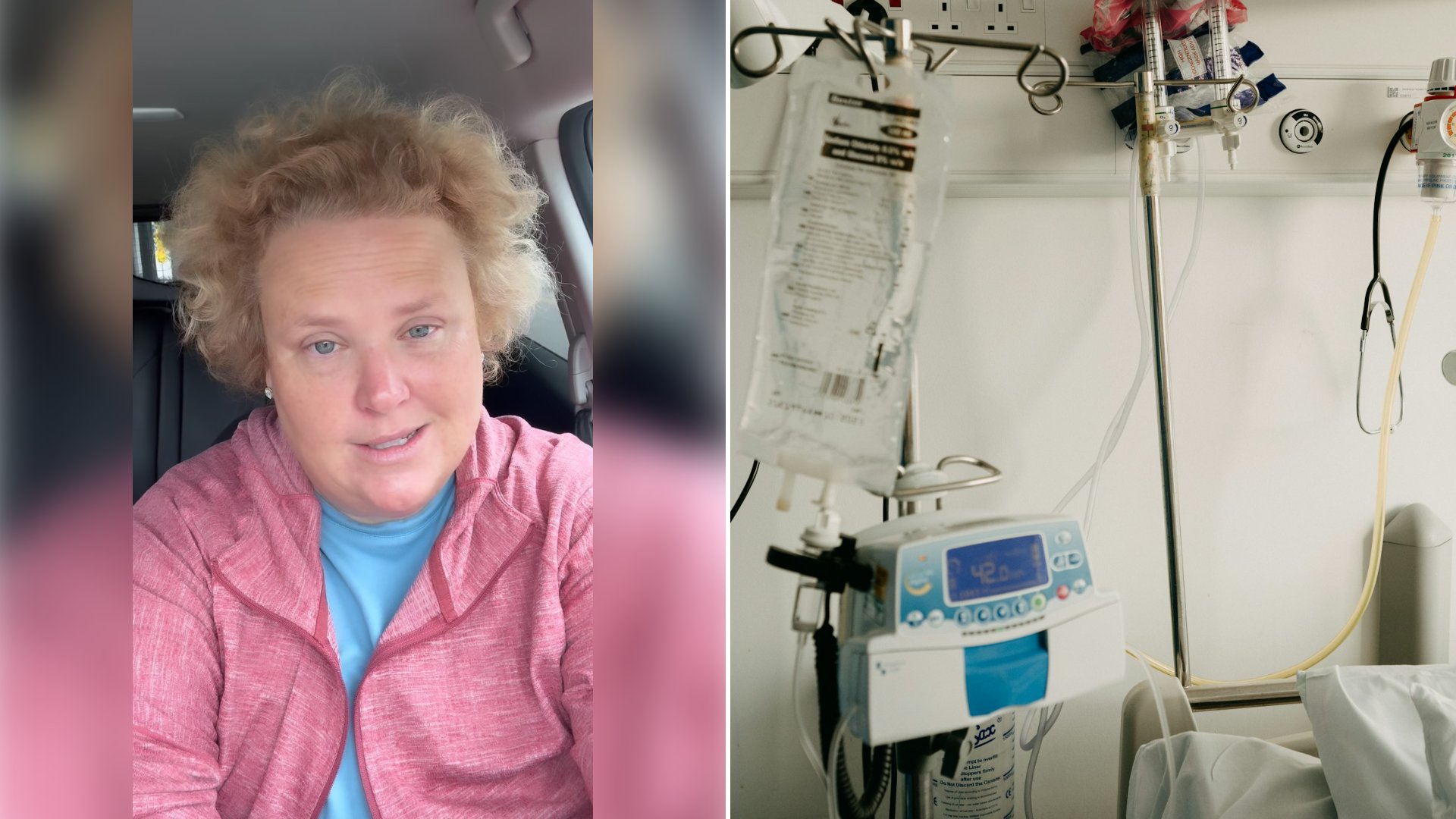
Comedian Fortune Feimster (@fortunefeimster) posted an update on her mother’s health after she says fans and followers had been reaching out to check in. “Quite a few folks have been trying to get a hold of my mom so she asked me to give an update,” Feimster wrote. “She’s had a really rough couple of weeks.” Feimster is a stand-up comedian known for her Netflix specials and her recurring role on The Mindy Project.
According to Feimster, her mother has been hospitalized for three days. She says doctors have gotten her mother “to a much better place,” and that she is currently being rehydrated with IV fluids, taking antibiotics, and having her heart monitored. Feimster added that her mother appreciates everyone checking on her and hopes to have more energy next week to catch up with people.
One commenter wrote that she was sending love and strength, adding that she found herself grieving more during the uncertain stretch before her own mother passed than after, and encouraged Feimster to stay gentle with herself through the wait. Another commenter wrote that there is nothing more overwhelming than loving someone who is sick and not being able to do more than support them, and told Feimster to allow herself to feel whatever she needs to feel.
Feimster’s post does not name a specific diagnosis, but the combination of treatments she described, IV fluids for dehydration alongside antibiotics, is a common hospital response to a serious infection, and it explains why doctors would also be watching her mother’s heart. According to Mayo Clinic, dehydration reduces the amount of fluid circulating in the bloodstream, which means less blood returns to the heart with each beat. The heart compensates by beating faster and the blood vessels narrow to help hold blood pressure steady. In a patient already fighting an infection serious enough to require hospitalization and antibiotics, that extra strain on the heart is something doctors routinely track until fluid levels and vital signs stabilize.
Mayo Clinic also notes that warning signs tied to this kind of strain include a racing heartbeat, lightheadedness, dizziness, shortness of breath, and chest discomfort, and that if dehydration becomes severe enough, organs including the brain, kidneys, liver, and digestive system can be affected because they are not getting enough blood. People who already have heart disease are considered at higher risk during an episode like this, since their hearts have less reserve capacity to compensate.
Infections serious enough to require hospital admission and intravenous antibiotics are also, by definition, more severe than ones treated at home with an oral prescription. Hospitals default to IV antibiotics specifically because the medication reaches the bloodstream faster and at a more reliable dose than a pill a patient swallows, which matters when a patient is already dehydrated and a doctor needs the infection responding to treatment quickly rather than over several days. That combination, fast-acting IV antibiotics plus fluids to rebuild blood volume, lines up with what Feimster described as the two main treatments her mother is receiving.
Feimster did not specify what caused her mother’s hospitalization in the post, only that the combination of hydration, antibiotics, and heart monitoring was part of her treatment and that doctors had moved her to a more stable condition after the first few days. She said her mother was looking forward to having more energy to reconnect with the people who had reached out.
More from Cultivated Comfort
- Man Says His 85 Year Old Mother Decided She Wants to Go Home and Be With Jesus, So He Moved In, Takes Her Dinner Order Every Night and Grills the Filet Her Father Made
- Man Still Has the Fourth Grade Card Where His Only Girlfriend Confessed a Crush, and After More Than Ten Years of Silence She Messaged His Private Account to Ask Him to Dinner
- Man Who Left the Amish Says He Wore the Hat, Suspenders and Buttoned Shirt His Mother Requires for a Visit, but She Kept Him on the Porch and Told Him He Is No Longer Welcome