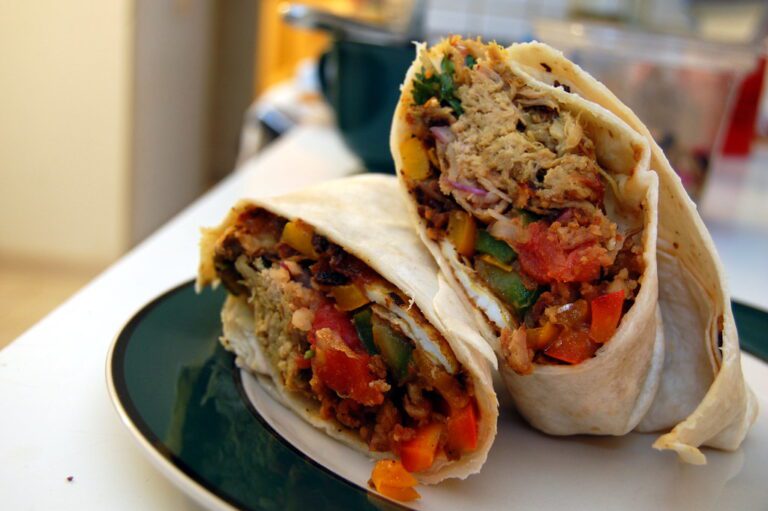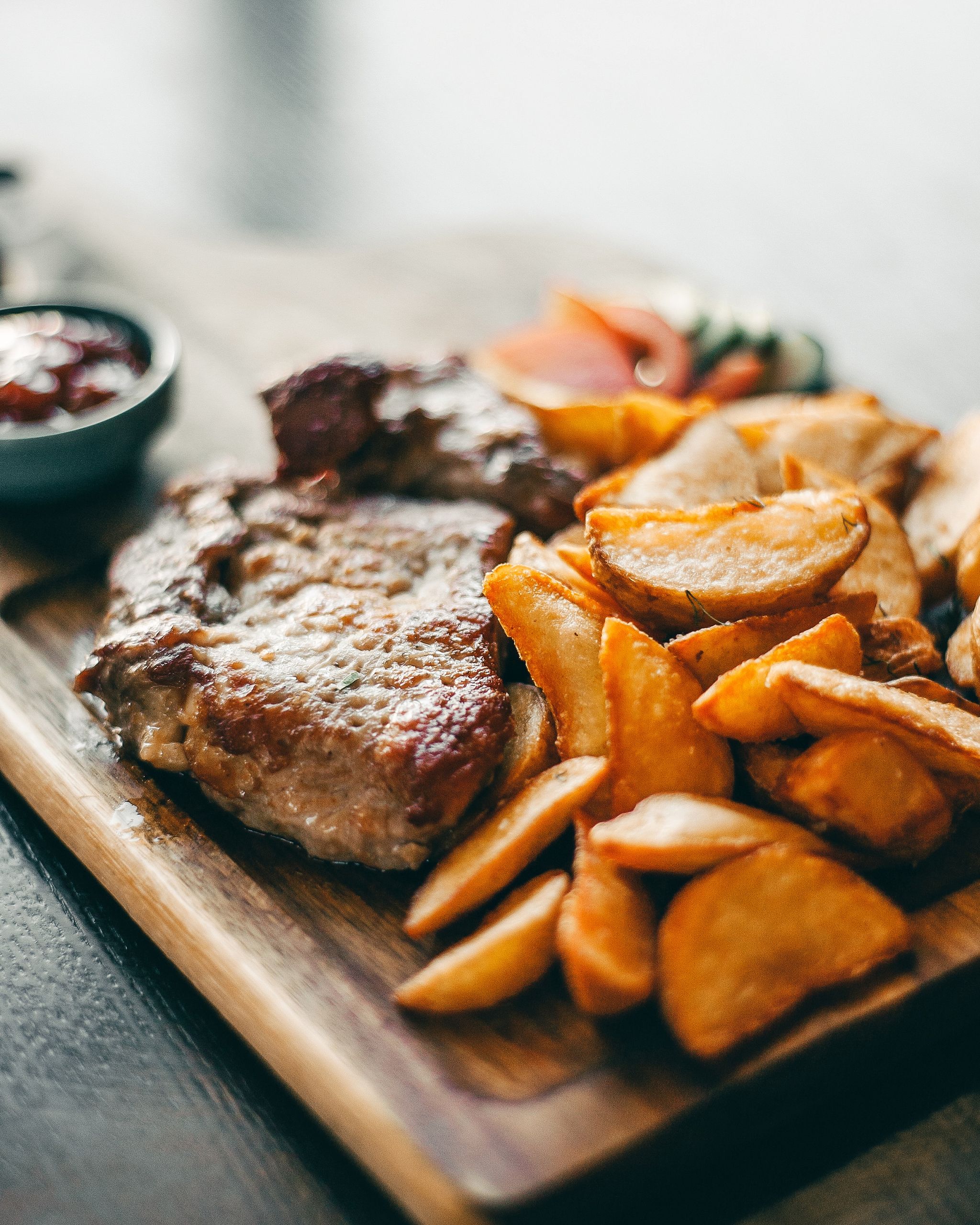
A Crock-Pot, a cast iron skillet, and the on-screen caption “we have arby’s at home” are all it takes to explain why a home cook’s slow-cooker French dip has been circulating with real staying power. The creator behind the handle @coriinnaaa built the whole thing without saying a word on camera in her own Instagram Reel, just upbeat music and a beef roast that goes from seared to shredded to stacked on a toasted sub roll. No fast food wrapper in sight, and that’s the point. The recipe leans on a slow cooker, a handful of pantry staples, and enough patience to let the payoff, a cup of real au jus, do the convincing.
The method starts the same way any good braise does. The roast gets seared hard in a cast iron skillet with olive oil until the outside develops real color, then it goes into the slow cooker with garlic powder, seasoning packets, and enough beef broth to cover most of the way up the meat. From there it’s a low-and-slow job, the kind that turns a tough cut into something that shreds with a fork rather than fights a knife. That basic sequence, sear first, then braise low in broth for hours, is the same logic Food Network’s own slow-cooked French dip recipe uses with a chuck roast, cooking it on low until “the meat begins to fall apart with the pull of a fork” and letting the leftover cooking liquid become the dipping jus. It’s not a shortcut so much as the correct order of operations, and it’s why the copycat holds up against the drive-thru version instead of just approximating it.
Once the beef shreds, the build is simple: pile it onto sub rolls, layer on Swiss cheese, toast the whole sandwich so the cheese melts and the bread gets some structure back, and serve it with a side of the au jus that spent hours absorbing beef flavor in the slow cooker. That side cup isn’t a garnish. It’s the entire reason the sandwich exists in its current form.
Why the dip matters more than the meat
photo credit: unsplash
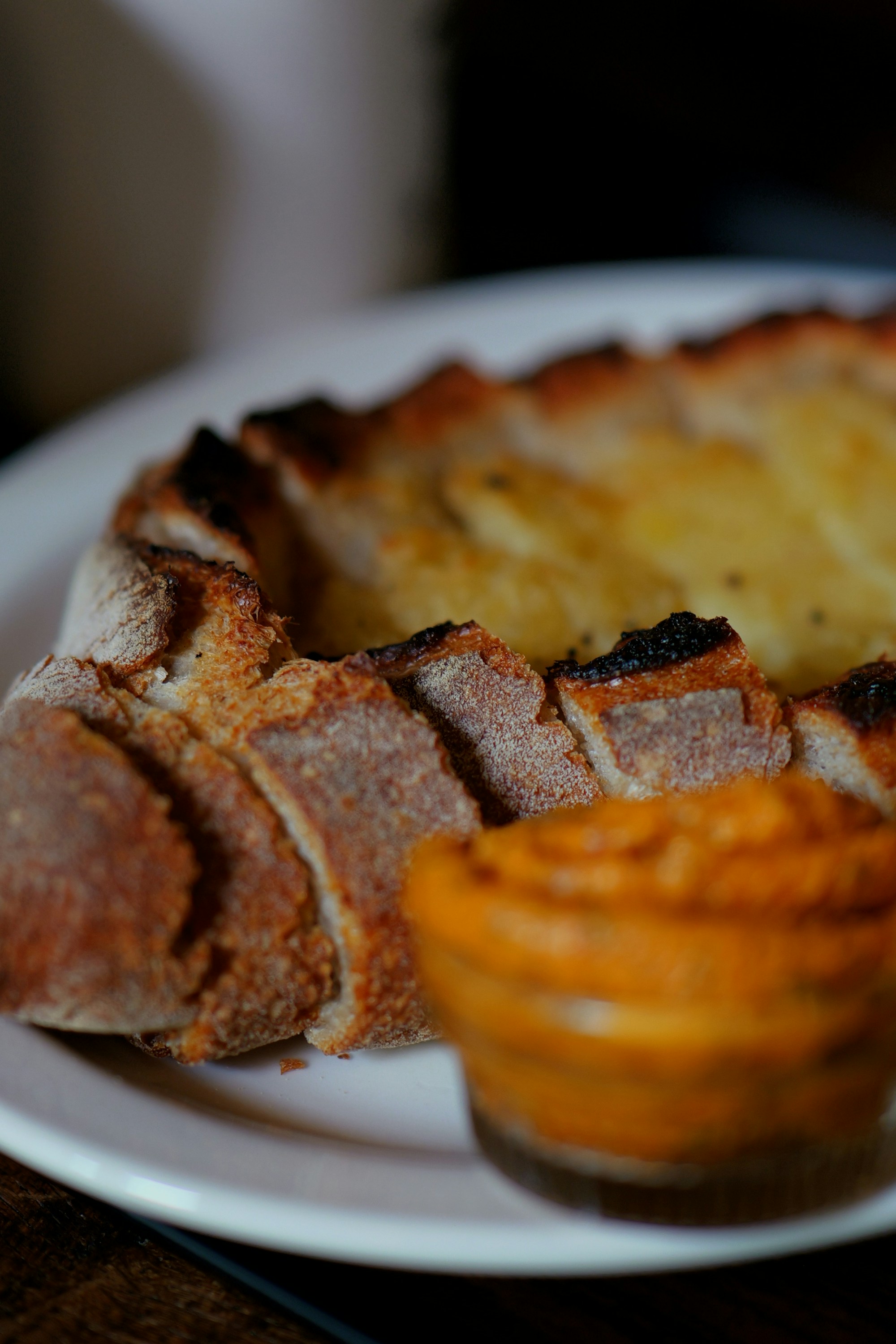
The French dip’s whole identity runs through that little cup. “Au jus” simply translates to “with juice,” referring to the beef broth thrown off during cooking, and according to the sandwich’s documented history on Wikipedia’s entry on the French dip, it’s an American invention despite the French-sounding name. Two Los Angeles restaurants, Cole’s Pacific Electric Buffet and Philippe the Original, have spent more than a century disputing who created it first, with both dating their claims to 1908. Cole’s account credits a chef who softened a roll in meat drippings for a customer with sore gums, while Philippe’s version, depending on which telling you hear, involves either a dropped roll, a stale one, or one dunked to avoid waste. Whichever origin story is true, the throughline is consistent: the meat matters, but the jus is what turns a roast beef sandwich into a French dip specifically.
That’s also why a home version can get close enough to make the drive-thru feel unnecessary. Arby’s built its identity on quick roast beef, but the chain’s speed comes from a process built for volume, not a slow braise developing flavor over several hours in its own broth. A home cook with a slow cooker and an afternoon has an advantage the drive-thru line doesn’t: time. The seasoning packets and garlic powder in this version do a lot of the same flavor-building work restaurant seasoning blends handle, just without the industrial kitchen behind them.
None of this requires exotic ingredients or a long shopping list. A roast, broth, garlic powder, seasoning packets, sub rolls, and Swiss cheese cover it, which is part of why the recipe travels so well online. It’s the kind of dinner that looks like effort but mostly just requires waiting, and the shredded texture that comes out the other side is closer to what a good French dip should be than most fast food versions manage on a five-minute prep line.
The comparison to Arby’s isn’t really about beating the chain on price or speed. It’s about what happens when the same basic combination, roast beef, melted Swiss, toasted bread, and a cup of jus, gets the extra hours a slow cooker can give it. Fans responding to the reel weren’t claiming it’s identical to a drive-thru order; they were pointing out that it’s close enough that the extra effort of driving somewhere stops making sense. When the jus is homemade and the beef has spent an afternoon absorbing broth instead of a few minutes on a slicer, “close enough” starts to look like the better version.