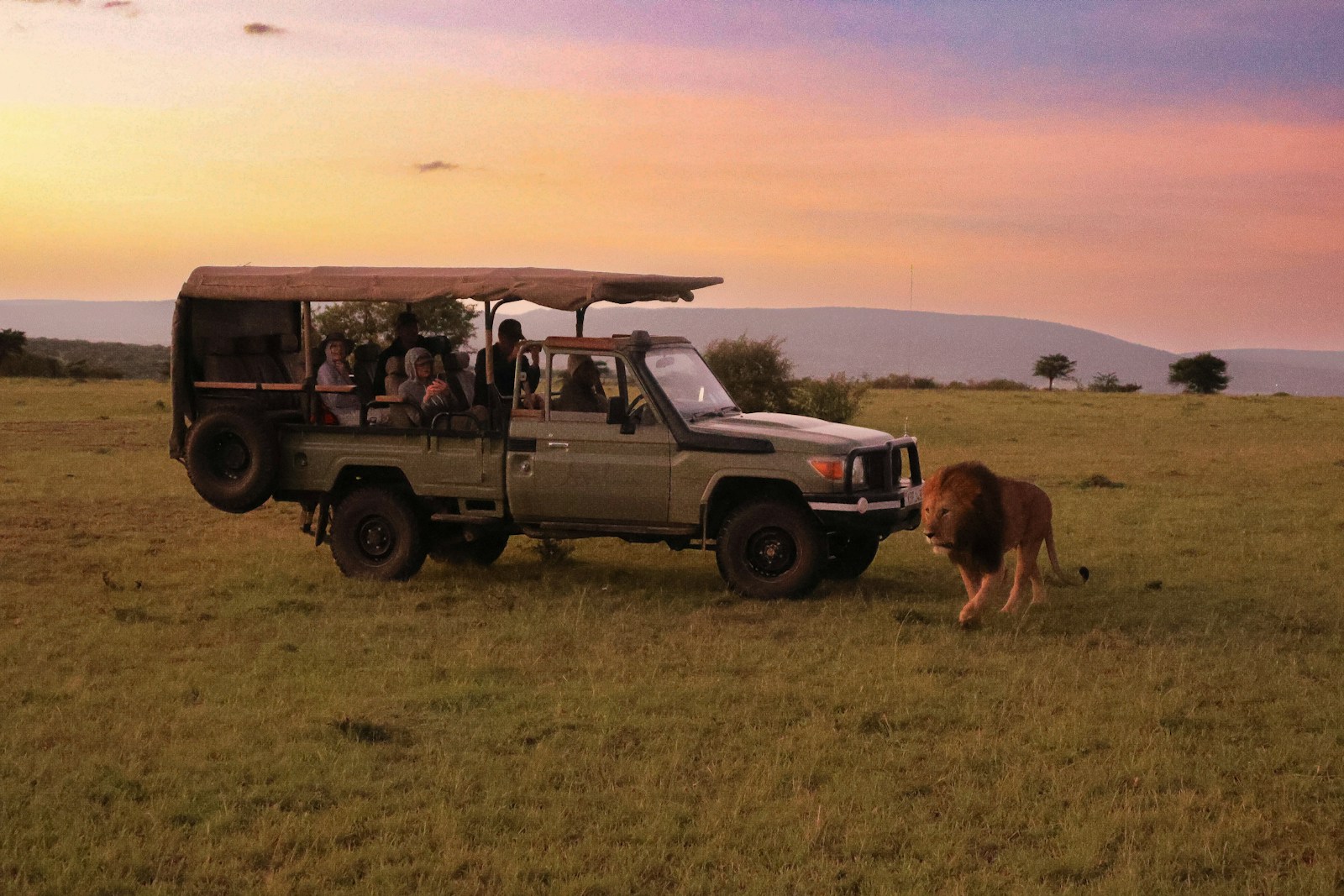
Kenya safari honeymoon bookings jumped 295 percent, and Tanzania rose 287 percent, according to Fora Travel’s 2026 Wedding and Honeymoon Report, based on booking data from its own network of travel advisors. Nine in ten of those advisors say couples are willing to stretch their budgets specifically for the honeymoon, and 64 percent of Fora’s clients now spend $10,000 or more on the trip alone.
The Mini-Moon Is Doing the Heavy Lifting
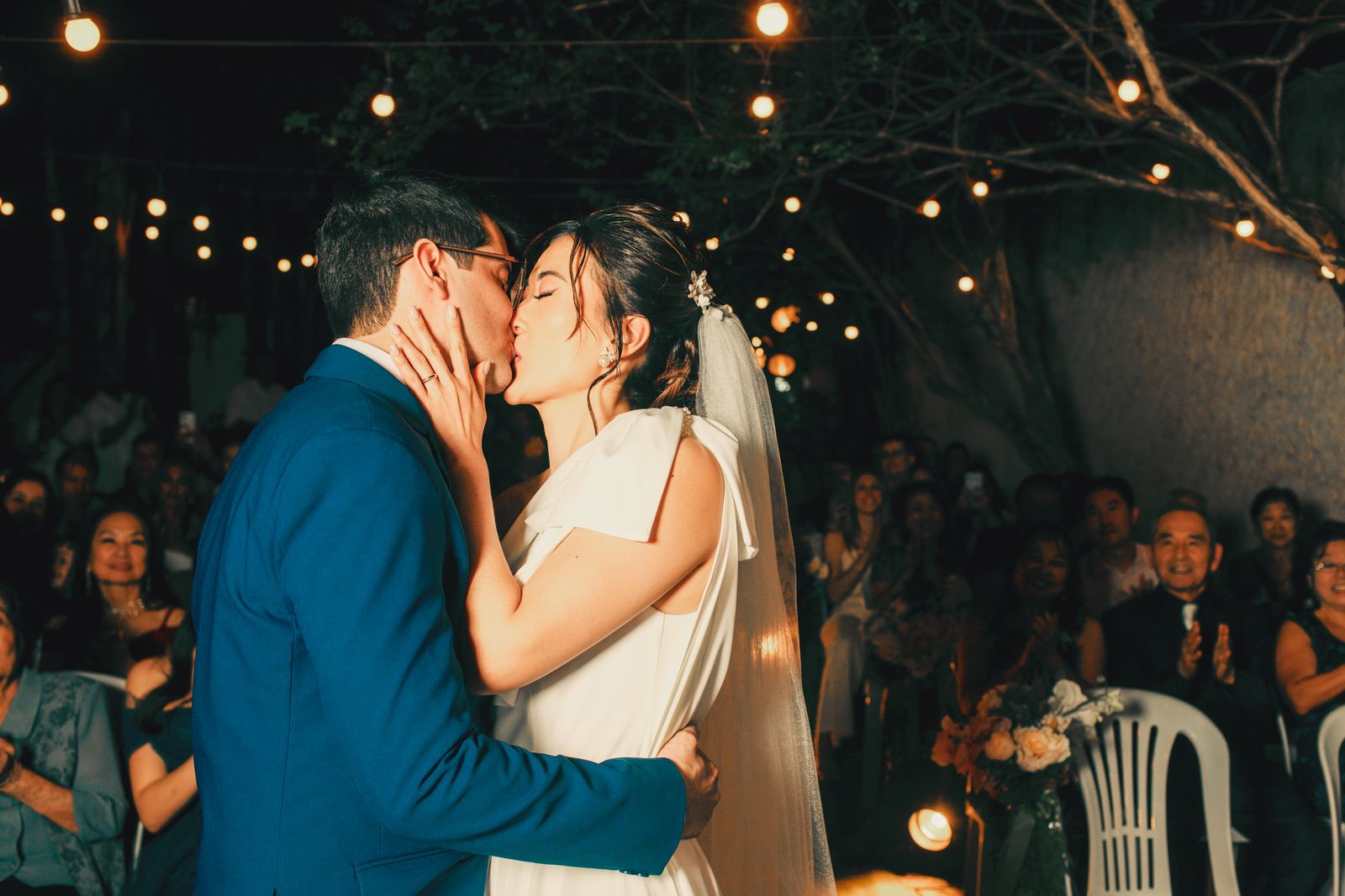
Fifty-nine percent of couples are now splitting their honeymoon into two trips: a shorter “mini-moon” taken immediately after the wedding, followed by a bigger, more expensive trip delayed to later in the year, according to Fora’s report. That structure lets couples treat the honeymoon less like a single vacation and more like a standalone financial priority.
Safari Bookings Are the Clearest Signal
Beyond Kenya’s 295 percent jump and Tanzania’s 287 percent, Sri Lanka bookings rose 170 percent, Seychelles climbed 150 percent, and South Africa was up 112 percent, according to Luxury Travel Advisor’s coverage of the same report. The report ties this to a broader shift: 54 percent of Fora advisors said destination wedding inquiries rose over the past year.
Meanwhile, the Wedding Itself Is Shrinking
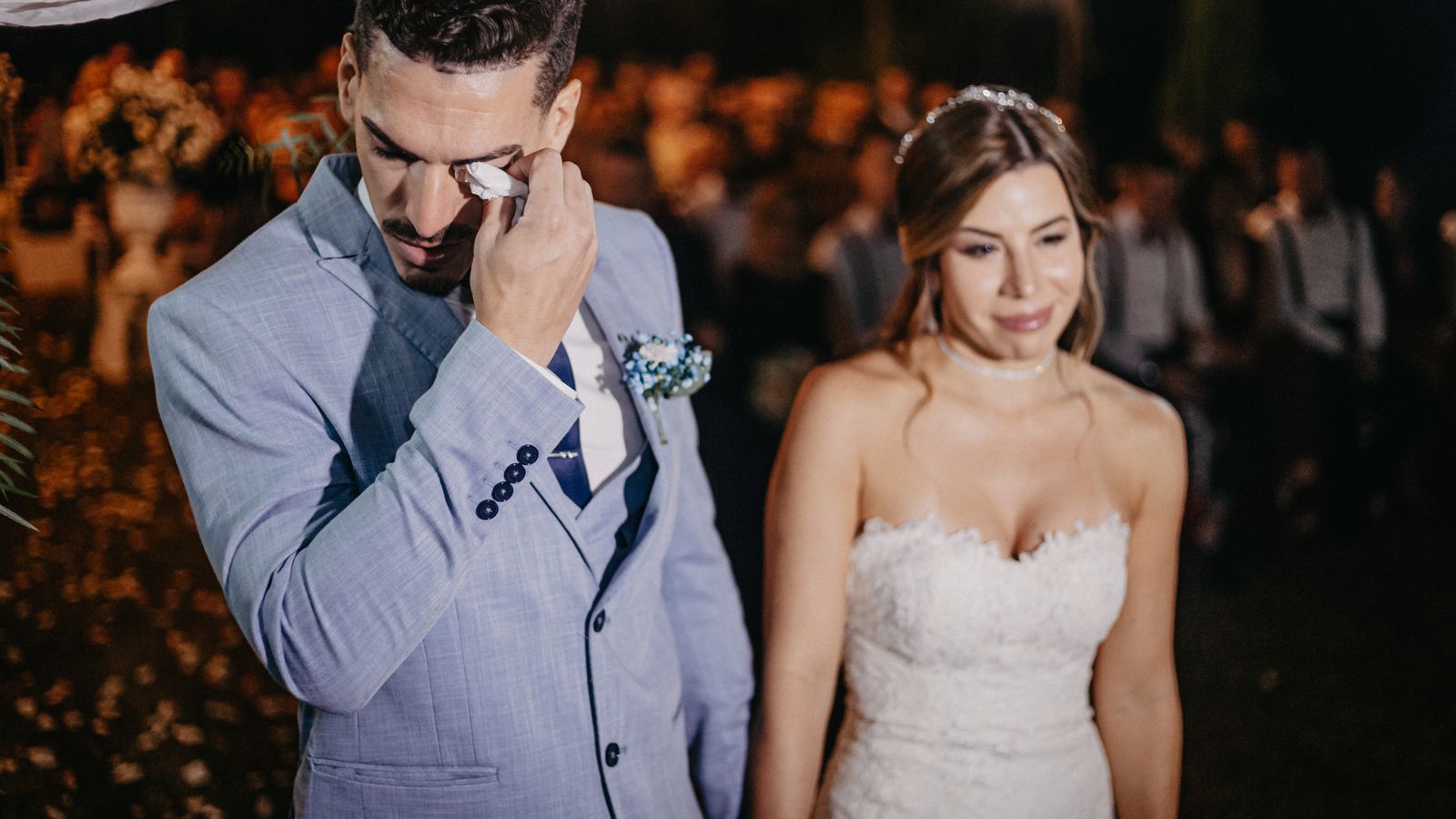
Fora’s advisors are also seeing a rise in Gen Z couples opting for micro-weddings. That lines up with broader wedding data: The Knot’s 2026 study found Gen Z couples spending an average of $30,000 on their wedding, well below the $39,600 millennials spend, even as those same younger couples are driving demand for splurge-worthy honeymoon experiences.
Two Trends, One Decision
None of this is couples cutting back out of necessity. A smaller guest list means fewer plates to cover and a shorter engagement, all of which frees up real money. Rather than pour those savings back into a bigger wedding, more couples are funneling them into ten days on the Serengeti or a Seychelles beach house.
The wedding used to be the single big financial event of a couple’s early relationship. Increasingly, it’s the honeymoon that gets the blank check, while the ceremony gets the more modest, more intentional version of the celebration.
Travel advisors interviewed for Fora’s report describe the shift as one of the more consistent patterns they’ve tracked across recent booking cycles, not a one-year anomaly tied to a single viral destination. The safari surge in particular reflects a broader travel-industry trend toward experience-driven trips over pure relaxation, with couples increasingly willing to spend on a once-in-a-lifetime itinerary — multi-day game drives, private guides, remote lodges — rather than a week at an all-inclusive resort that could be repeated on any future anniversary.
That preference for a singular, hard-to-replicate experience also explains why the mini-moon structure has caught on so quickly. Splitting the trip lets couples get a short, immediate reward right after the wedding without derailing the bigger, more deliberately planned honeymoon they’re actually saving for, which can take months to book properly given how far in advance premium safari lodges and similar experiences typically need to be reserved.
For couples weighing whether to follow the trend, advisors quoted in Fora’s report generally recommend booking the bigger trip first, even if it happens months after the wedding, since prime safari season and popular lodges book out well in advance and rarely have last-minute availability the way a mini-moon destination typically does. The mini-moon can then be planned around whatever’s realistic on short notice, rather than the reverse.
That sequencing advice reflects a broader shift in how travel advisors are being brought into wedding planning earlier than in past years. Rather than booking a honeymoon in the final scramble before the wedding, more couples are consulting an advisor alongside their venue and catering decisions, treating the trip as a parallel planning track with its own timeline instead of an afterthought squeezed in once the ceremony details are locked down and the bulk of the wedding budget is already spent. That earlier planning window is itself part of what’s making ambitious, hard-to-book trips like a Kenya safari feasible on a couple’s timeline in the first place, rather than a fantasy trip that never quite makes it past the wish-list stage and gets quietly shelved once regular life resumes after the wedding.