For years, the price of eating out and the price of buying groceries seemed to drift upward together, close enough that the choice between cooking dinner or ordering it felt more like a matter of time and energy than money. That gap has been widening. The Bureau of Labor Statistics’ own August 2026 Consumer Price Index release shows “food away from home,” meaning restaurant meals and takeout, climbing meaningfully faster than “food at home,” meaning groceries. If your restaurant tab has felt more painful lately while your grocery bill has stayed comparatively steady, the government’s own numbers back up what you’ve been noticing at checkout.
The Gap Restaurants Can’t Seem to Close
Restaurants have absorbed years of rising costs, from higher wages to pricier ingredients, and increasingly those costs are landing squarely on the customer’s check. The BLS data makes clear that this isn’t a temporary blip tied to one ingredient or one region. It’s a sustained trend showing up in the government’s own monthly price tracking, month after month, which is exactly the kind of pattern that tends to stick around rather than correct itself quickly. For anyone who’s felt like a casual dinner out costs noticeably more than it used to relative to what the same meal would cost made at home, the numbers confirm the feeling is real.
Why Cooking at Home Is Paying Off More Than Ever
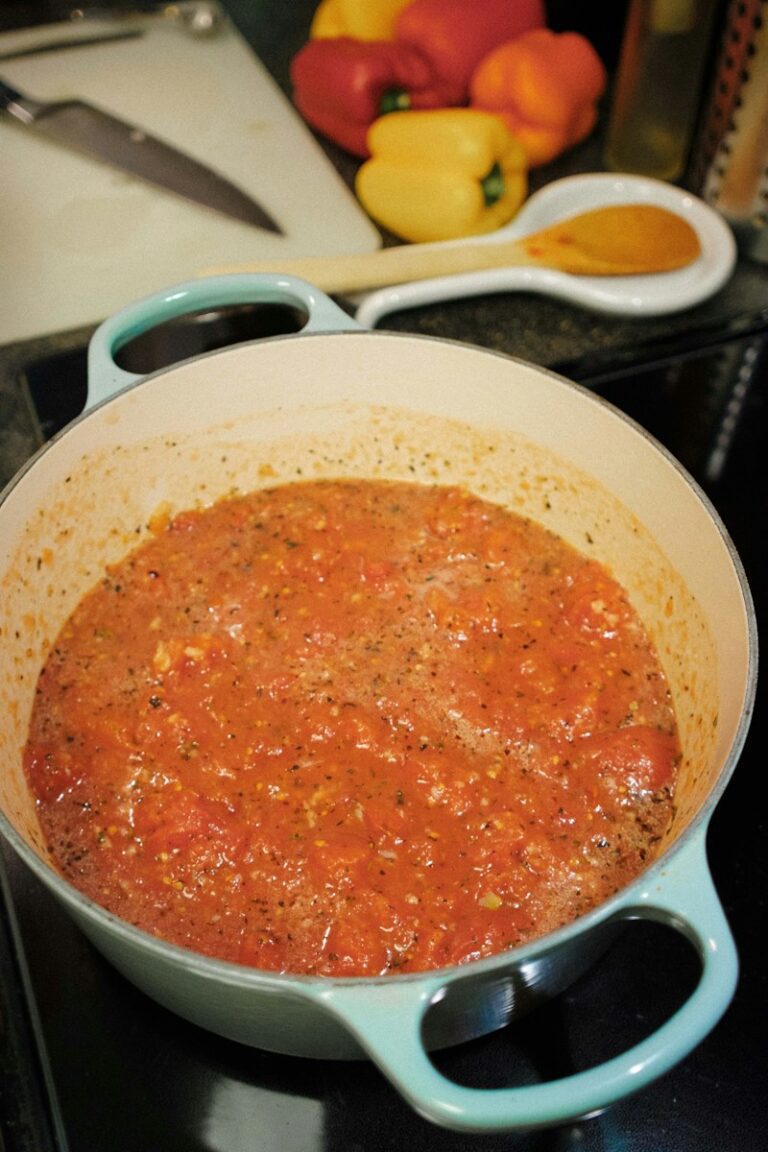
This divergence turns home cooking into more than a healthy habit or a weeknight routine — it’s becoming a genuinely meaningful way to stretch a budget. And comfort food, specifically, tends to reward that strategy better than almost any other category of home cooking. Soups, casseroles, and slow-cooker meals are built around exactly the kind of ingredients that hold their value best: dried beans, root vegetables, pantry staples, and cuts of meat that cost far less than the premium cuts restaurants tend to showcase. A pot of soup that feeds a family for two nights costs a fraction of two restaurant meals, and it takes advantage of ingredients that were already relatively affordable even before this pricing gap widened.
The Slow Cooker’s Moment
Slow cookers and Dutch ovens have quietly become some of the most cost-effective tools in a home kitchen, precisely because they turn cheaper ingredients into something that tastes like it took far more effort and money than it did. A tough, inexpensive cut of chuck roast becomes tender and rich after hours of low, slow cooking, no different in comfort or flavor from a dish that might run considerably more at a restaurant. Casseroles work the same way, stretching modest amounts of protein across a full pan by bulking things out with pasta, rice, or potatoes. None of this requires culinary training. It just requires leaning into the kind of cooking that was always economical, at a moment when the price gap between eating out and eating in makes that economy count for more.
Batch Cooking as a Budget Strategy
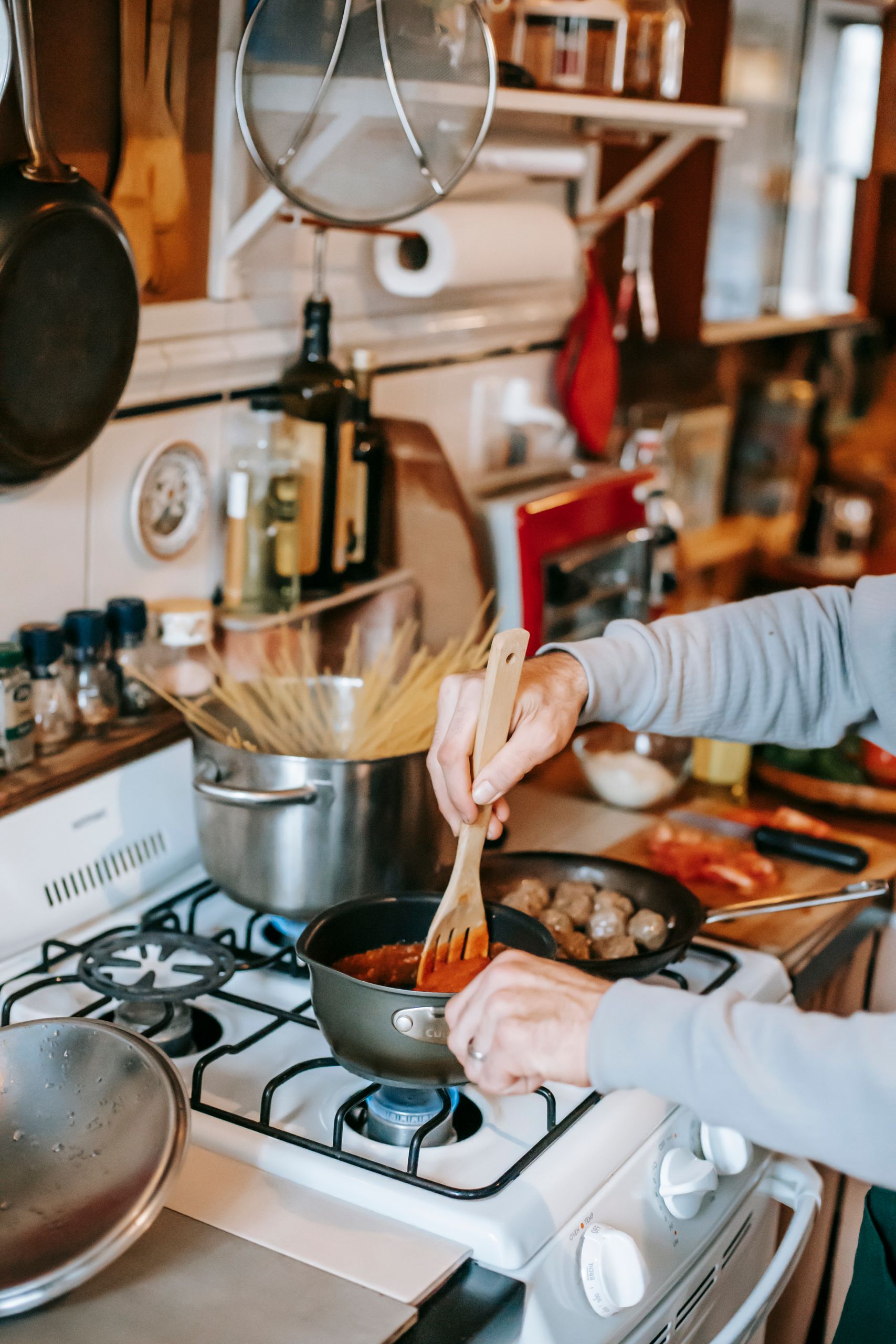
The widening price gap also makes batch cooking more valuable than it’s ever been. A large pot of soup, chili, or stew doesn’t cost meaningfully more to make in a big batch than a small one, but it can cover several dinners and lunches instead of just one. Freezing portions turns a single cooking session into a week or more of meals that are ready faster than most delivery apps can get food to your door, and at a cost that doesn’t come close to what even a modest takeout order runs these days. For households trying to hold the line on food spending without giving up the comfort of a warm, satisfying meal, that math is becoming harder to ignore.
What the Trend Means Going Forward
None of this means restaurants are going away or that eating out has lost its appeal — a night off from cooking is still worth something. But the government’s own price data suggests that gap in value is only getting wider, not narrower, and comfort food sits right at the intersection of what’s cheap to make and what people actually want to eat when they’re trying to save money. A pot of soup simmering on the stove has become a quietly effective response to a pricing trend that’s showing up in the numbers every month, not merely a cozy dinner.