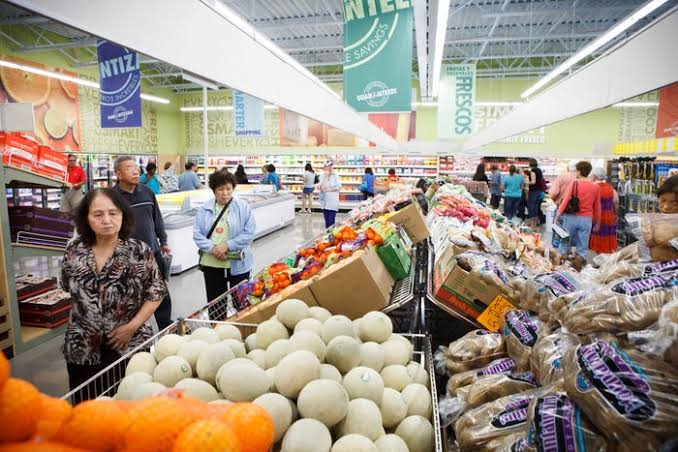
While several major grocery chains have spent this year closing underperforming stores and slowing new construction to protect margins against rising costs, Aldi is doing the opposite. The discount grocer announced plans to open more than 180 new U.S. stores in 2026, its largest single-year expansion in company history. The growth includes Aldi’s first-ever locations in Colorado, and a separate push into Maine, marking the chain’s entry into two states it has never operated in before. It’s a striking counter-move at a moment when grocery expansion has largely stalled, and it says something about where Aldi thinks the market is actually headed.
The Expansion, By the Numbers
According to Aldi’s own announcement, the more than 180 new stores planned for 2026 will push Aldi’s U.S. footprint well past 2,500 locations, continuing a westward expansion the company has been building toward for several years. Colorado represents new territory entirely, and Maine rounds out the chain’s presence across the Northeast. For a company that entered the U.S. decades ago as a niche discount option clustered mostly in the Midwest and along the East Coast, reaching two brand-new states in a single year is a meaningful marker of how far its ambitions have grown.
Why Aldi Is Growing While Others Pull Back
Grocery has had a rough stretch. Rising real estate, labor, and supply chain costs have made a lot of chains cautious about opening new locations, and some have quietly shut down stores that no longer pencil out. Aldi’s model works differently in a way that seems to matter more, not less, in this environment. Its stores are smaller than a typical supermarket, its private-label mix keeps supplier costs down, and its no-frills format (fewer SKUs, minimal signage, carts that require a quarter deposit) trims overhead in ways that let it keep prices low even as inflation squeezes competitors. When grocery bills are the thing households are watching most closely, a chain built entirely around low prices has a structural advantage that larger, full-service supermarkets don’t.
That advantage becomes an opportunity to expand precisely when other chains are retreating, because commercial real estate becomes more available and less competitive to secure. Aldi isn’t fighting for prime real estate against five other grocers the way it might in a booming market. It’s picking up ground while attention elsewhere is focused on cutting costs rather than growing.
What It Means for Shoppers in New Markets
For households in Colorado and Maine, the arrival of Aldi means a genuinely different kind of grocery trip becomes available, not just another supermarket option. Aldi’s private-label products routinely undercut national brands by a meaningful margin, and the chain has built a loyal following for grocery staples, from produce to specialty seasonal items that show up and disappear quickly enough to create real anticipation. In markets where grocery competition has been limited to a couple of familiar regional chains, a company doubling down on growth this aggressively tends to put pressure on everyone else’s pricing too, even shoppers who never set foot in the new store.
The bigger signal here is about where Aldi thinks grocery spending is headed over the next few years. A company doesn’t commit to its largest expansion ever, in a year when peers are retrenching, unless it believes the value-grocery model is what more households will be reaching for regardless of how the broader economy performs. Aldi is betting that the price-conscious shopper isn’t a temporary phase of a tough year, but the default customer going forward, and it’s building storefronts in Colorado and Maine on that assumption.
A Pattern That Started Years Before This Announcement
None of this is really a sudden pivot for Aldi so much as an acceleration of a strategy that’s been playing out for years. The chain has steadily added states to its footprint on a rolling basis, treating each new market as proof of concept for the next one rather than trying to blanket the country all at once. What makes 2026 different is the scale and the specific geography: Colorado gives Aldi a foothold in the Mountain West it previously lacked entirely, a region where cost of living has climbed sharply and a discount grocer arriving with 180-plus stores’ worth of momentum is likely to land with shoppers already primed to want it. Maine, by contrast, fills in a Northeast market where Aldi already has brand recognition from neighboring states, making it a lower-risk bet even as the Colorado move represents genuinely new ground.
For competitors watching this unfold, the message is hard to miss. A discount grocer expanding at its fastest pace ever, in states it’s never touched before, while full-service chains slow down, isn’t just a company having a good year. It’s a read on where household grocery budgets are headed, and Aldi is positioning itself to be there first.